Showcase Feature
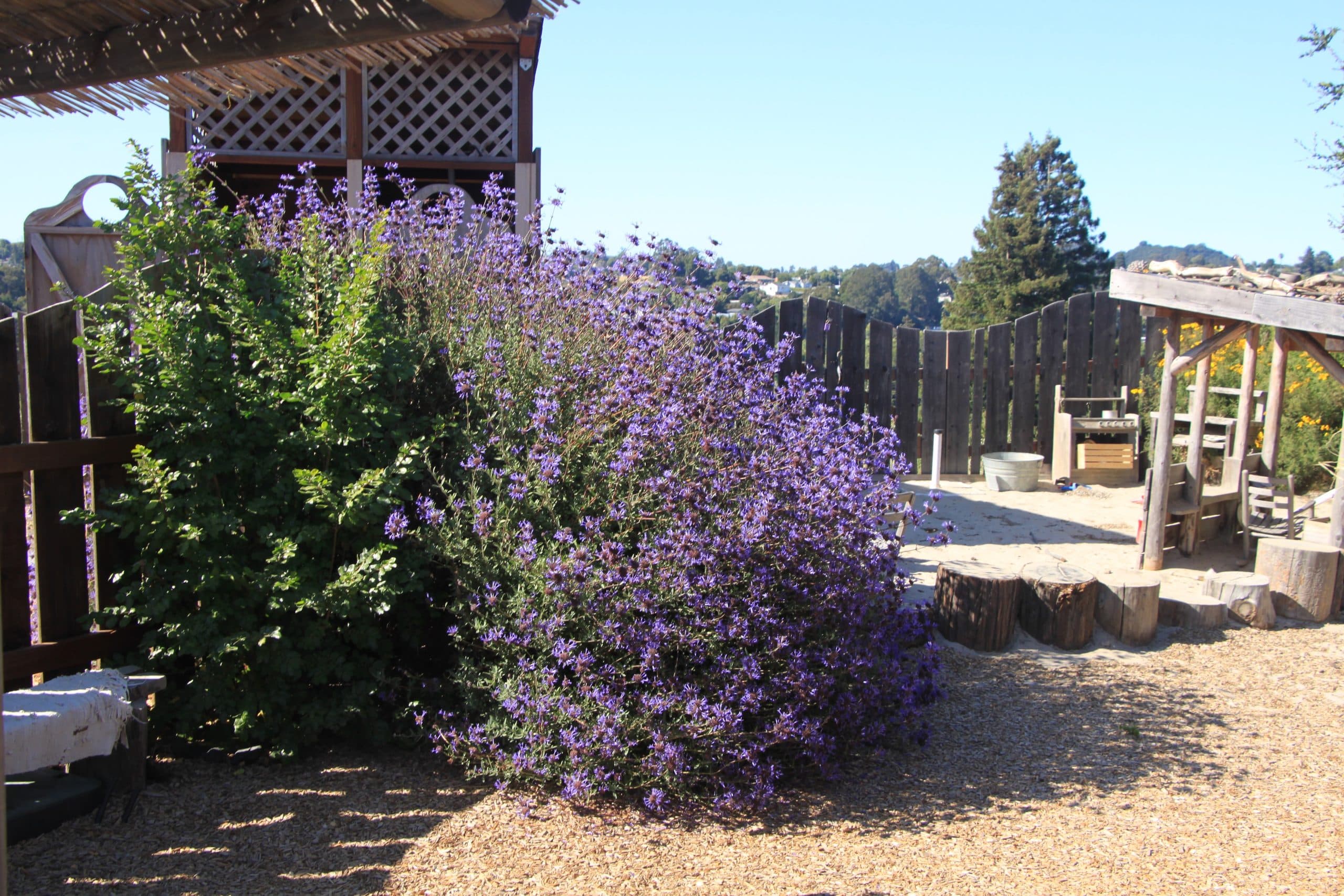
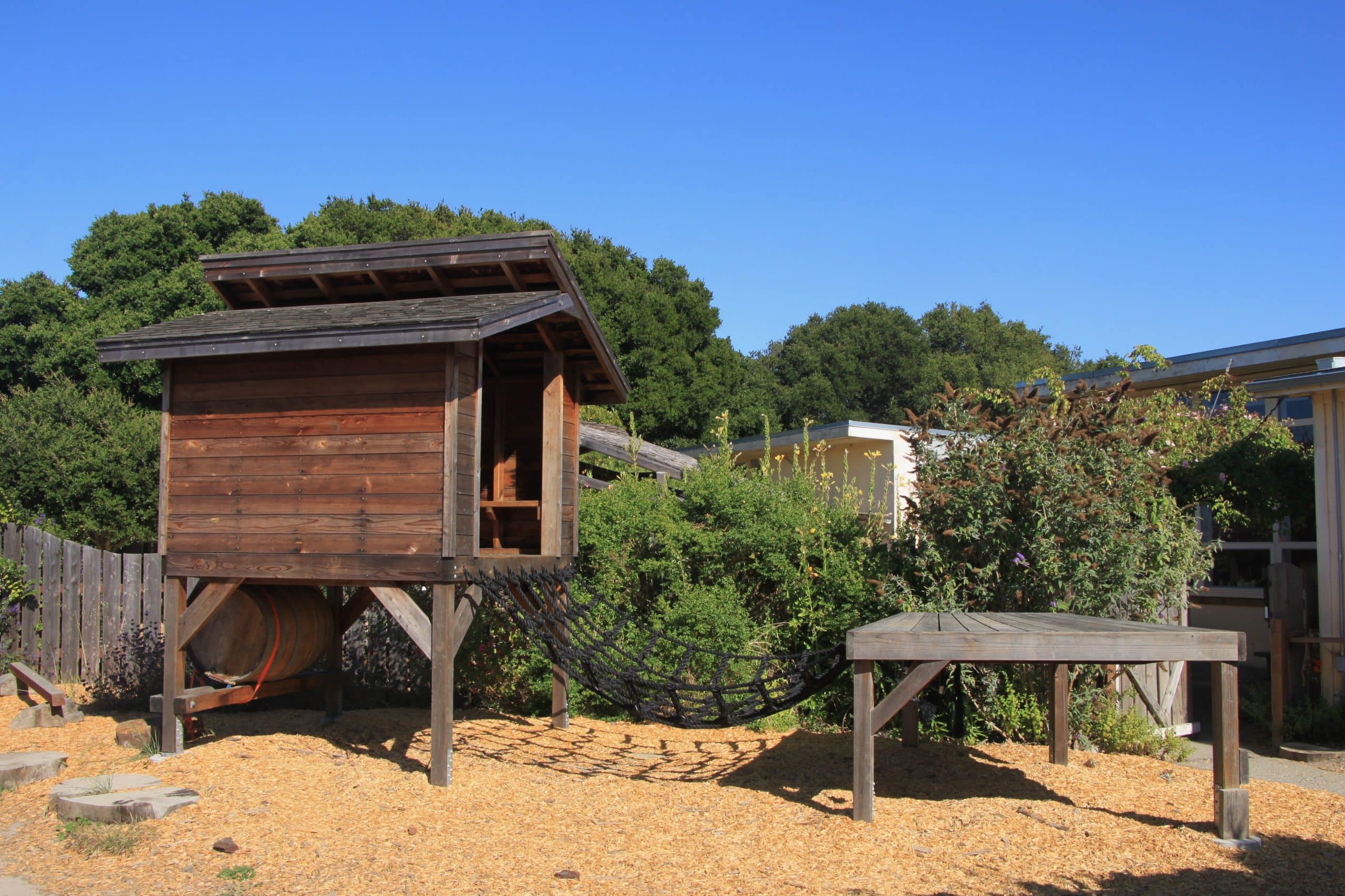
If you have a child, or ever were one, you should visit the Wildcat Canyon Community School’s gardens. At this school—by bringing nature back to the schoolyard—children are immersed in natural and beautiful spaces, where they can use their imaginations and play spontaneously and with creativity, in unstructured environments.
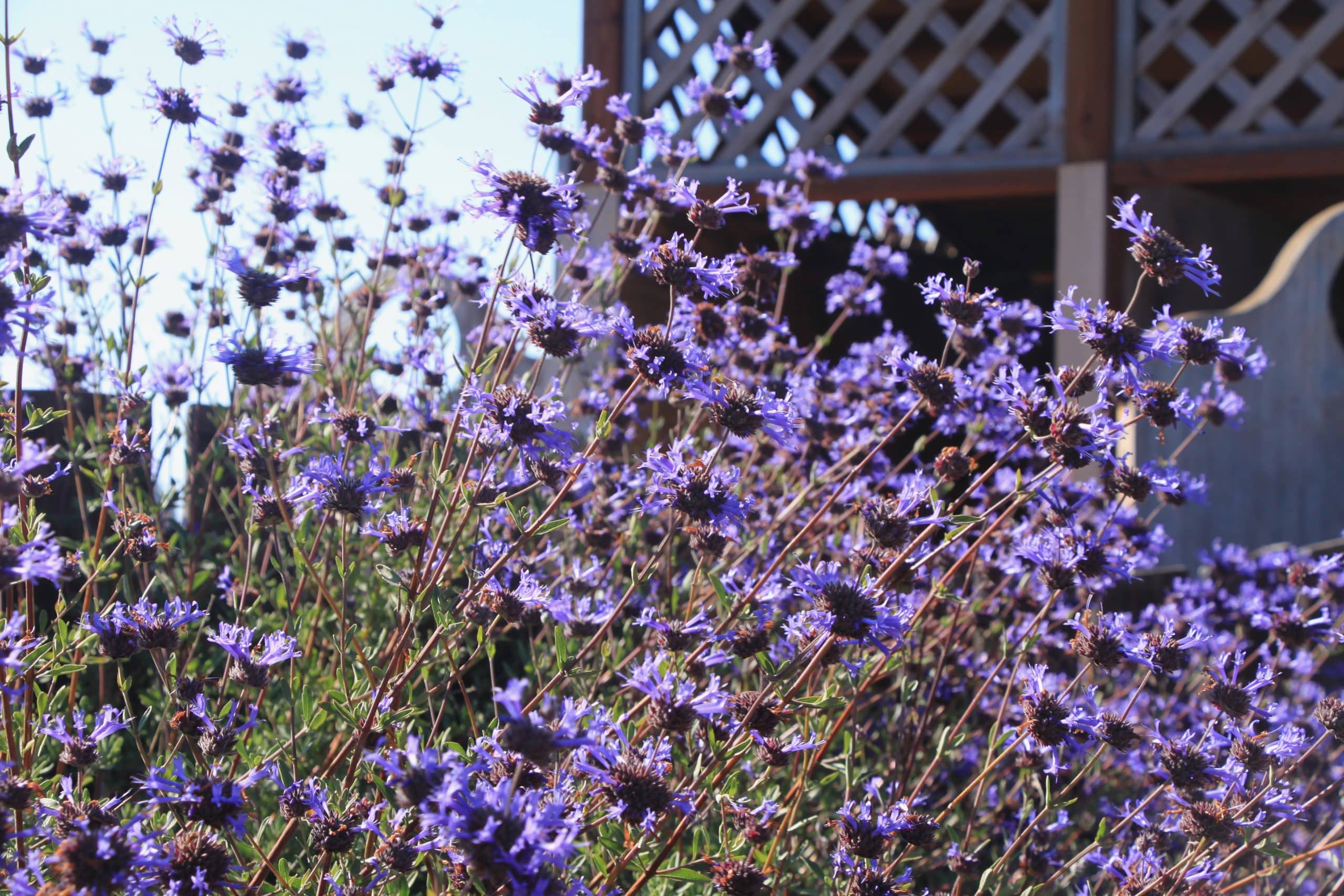
Picture a cottage with a living roof, an arched wooden bridge, and a pint-size climbing slope (not steep enough to be called a wall, but it’s the same idea), along with a sail-cloth shade structure that shelters a Dutchman’s pipevine corridor crafted from wooden tree stakes and bamboo—all of them surrounded by a variety of alluring native plants, and kept cozy by a cheerful, wrap-around wave-motif fence. Shading the gardens are numerous coast live oaks, and softening the lines of the play areas are a plethora of manzanitas, sages, buckwheats, coyote brush, monkeyflowers, and more.
Boulders, tree rounds, balance logs, shady nooks, a ramada shaded by palm branches—and the plethora of native plants tucked around these enticing garden features—attract birds, butterflies, bees, children, and the adults who care for them.
 Might you be interested in making your home garden an inviting, natural play area for your own children? Or, would like to see how school grounds and preschools can incorporate natural elements like native plants, wood, and boulders to create engaging, nurturing, and healthful outdoor areas in the places our children spend so much of their time? If so, this is the Tour stop for you!
“Children will be smarter, better able to get along with others, and healthier and happier when they have regular opportunities for free and unstructured play in the out-of-doors.”
“Play in nature helps children focus attention and can reduce ADHD symptoms.”
from Nature Play at Home: A Guide for Boosting Your Children’s Healthy Development and Creativity, by the National Wildlife Federation
Check out the Wildcat Canyon Community School’s gardens, and consider including some of these natural features in your own garden—or in a school garden—for the children you love.
While some aspects of the landscaping have been in place for some time, these delightful gardens were primarily designed, installed, and are maintained by David Weise, owner of David Weise Landscaping.
Other Garden Attractions
- Stop in at the bake sale, and enjoy delicious treats while resting at a shaded picnic table garden.
- Restrooms are available.
- Bring your children!
Gardening for Wildlife
These inviting spaces attract both diminutive naturalists and also pipevine swallowtail butterflies, which lay their eggs in the Dutchman’s pipevine corridor: see if you can spot the caterpillars! (Dutchman’s pipevine is the only plant this large, iridescent blue-black butterfly can lay its eggs on.)
The bright yellow blossoms of the Hooker’s evening primrose, which open in the early evening and are pollinated by moths and native bees, wait hopefully for visits from hummingbird-sized sphinx moths, which arrive at dusk to sip nectar and pollinate the flowers.
Hummingbirds flit about, sipping nectar from the native plants, and lizards bask on boulders in these serene gardens.
Keystone species (watch this talk by Doug Tallamy!)
Keystone species—our own, local ecological powerhouse plants— in this garden include coast live oaks, California lilac, sagebrush, buckwheat, coyote brush, elderberry and sugar bush.
Garden Talks
Bring a lunch to enjoy during the lunchtime talk. There are plenty of picnic tables available.
11:30 “Start with the space: how site considerations should shape your plant list” by David Weise
12:00 “Native Plants and Their Uses” by Kathy Crane, owner of Yerba Buena Nursery
Wildcat Community School plant list
At least partially wheelchair accessible? No
Photos
Click to see as a slideshow: