Note: this garden is reached via a flight of stairs: it is not a stop for anyone with balance issues.
Showcase Feature
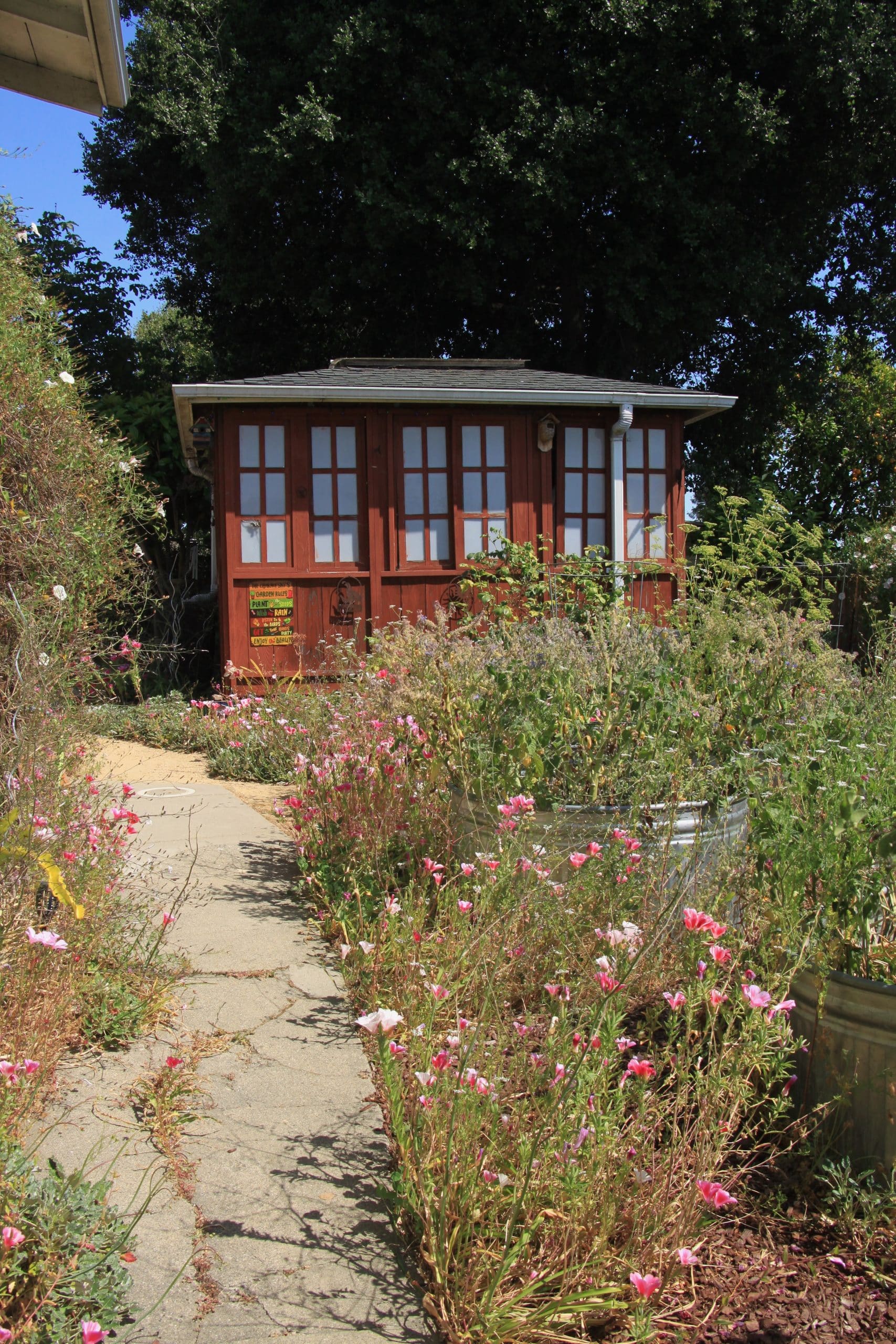
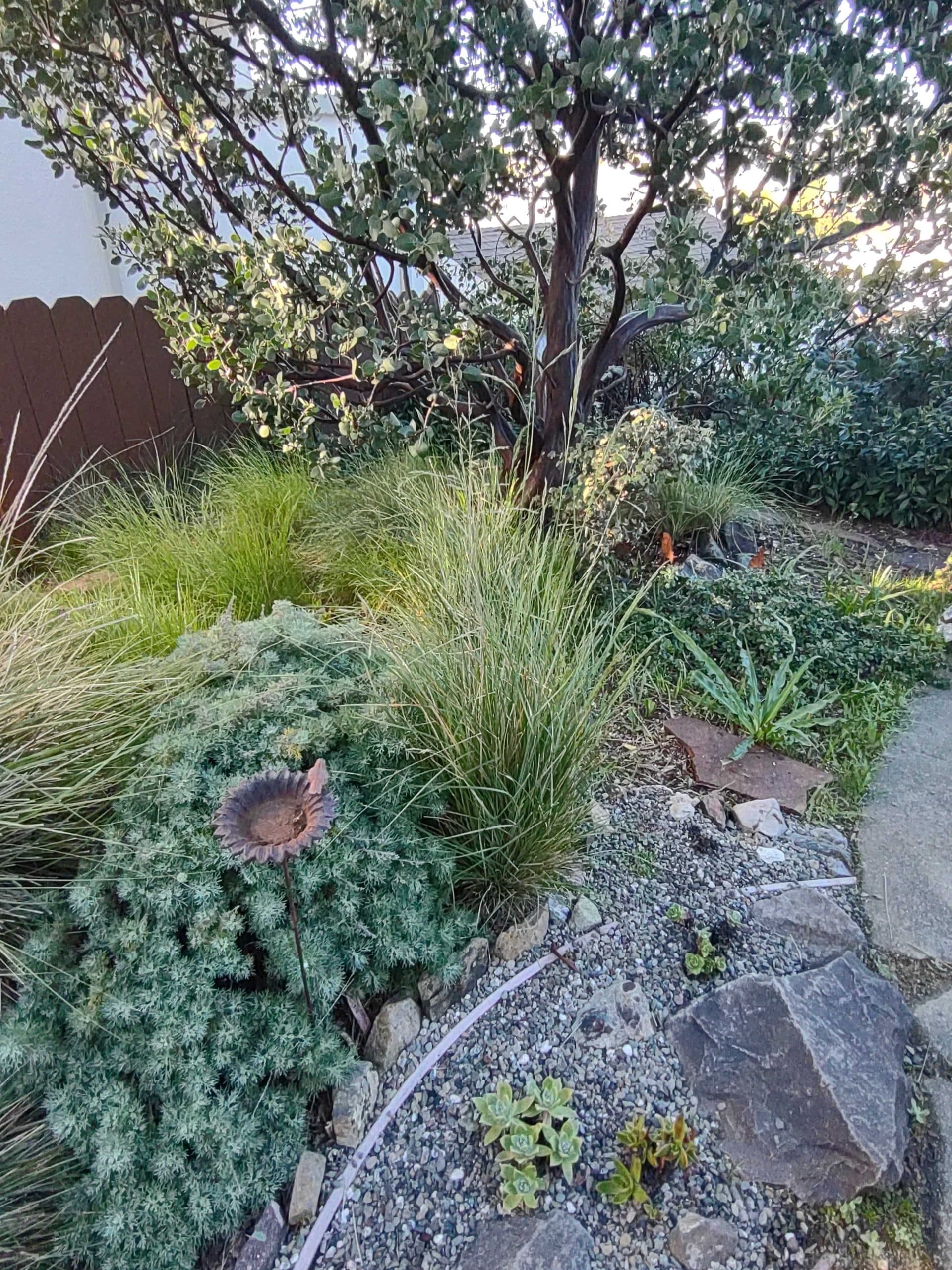
When Michael bought this house the back yard was full of weeds and bordered with non-native pittosporum. Christine Wiseman, owner of GardenWise Landscapes, designed much of this exuberant garden, which contains plants that provide food for wildlife or people.
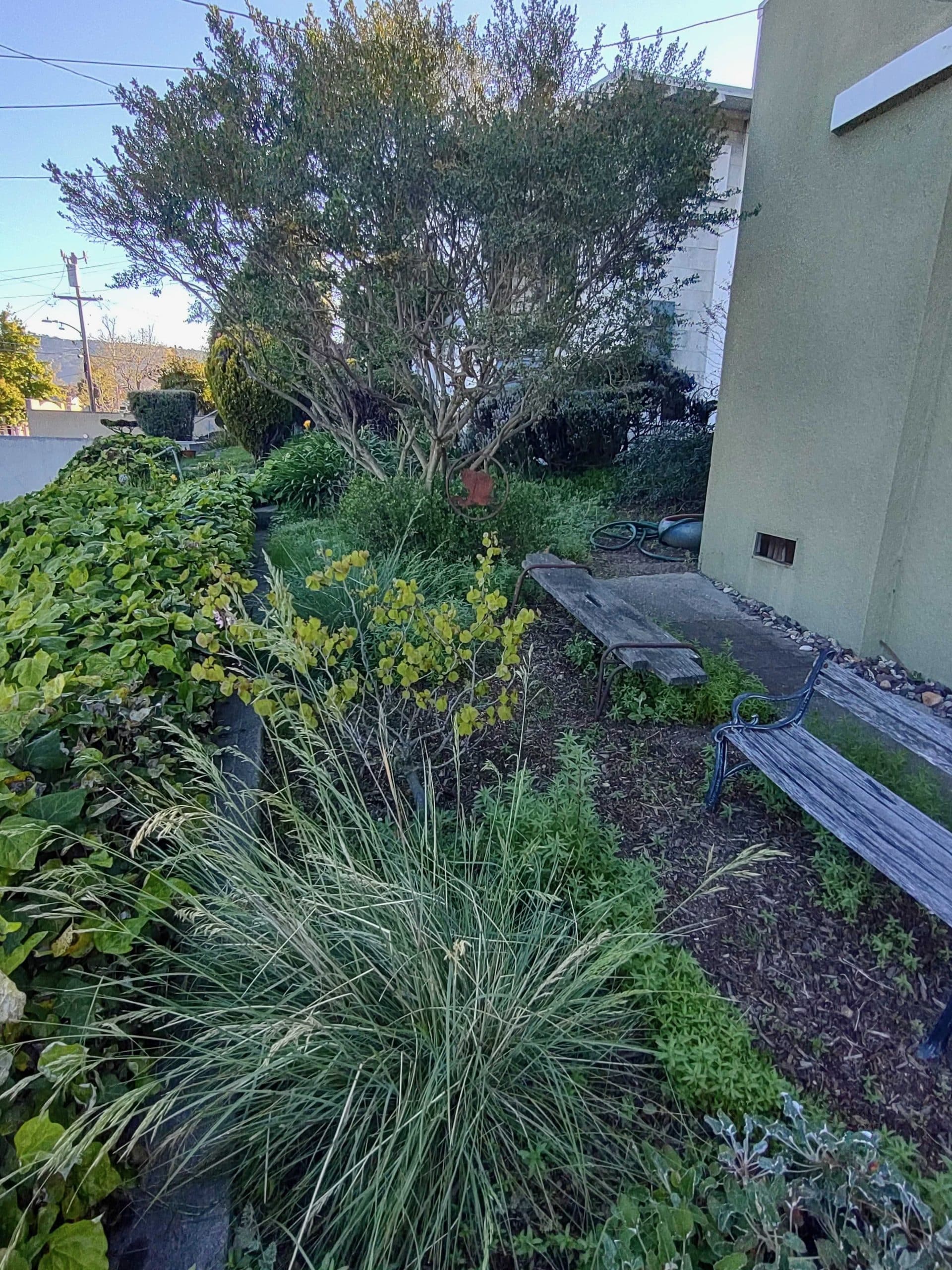
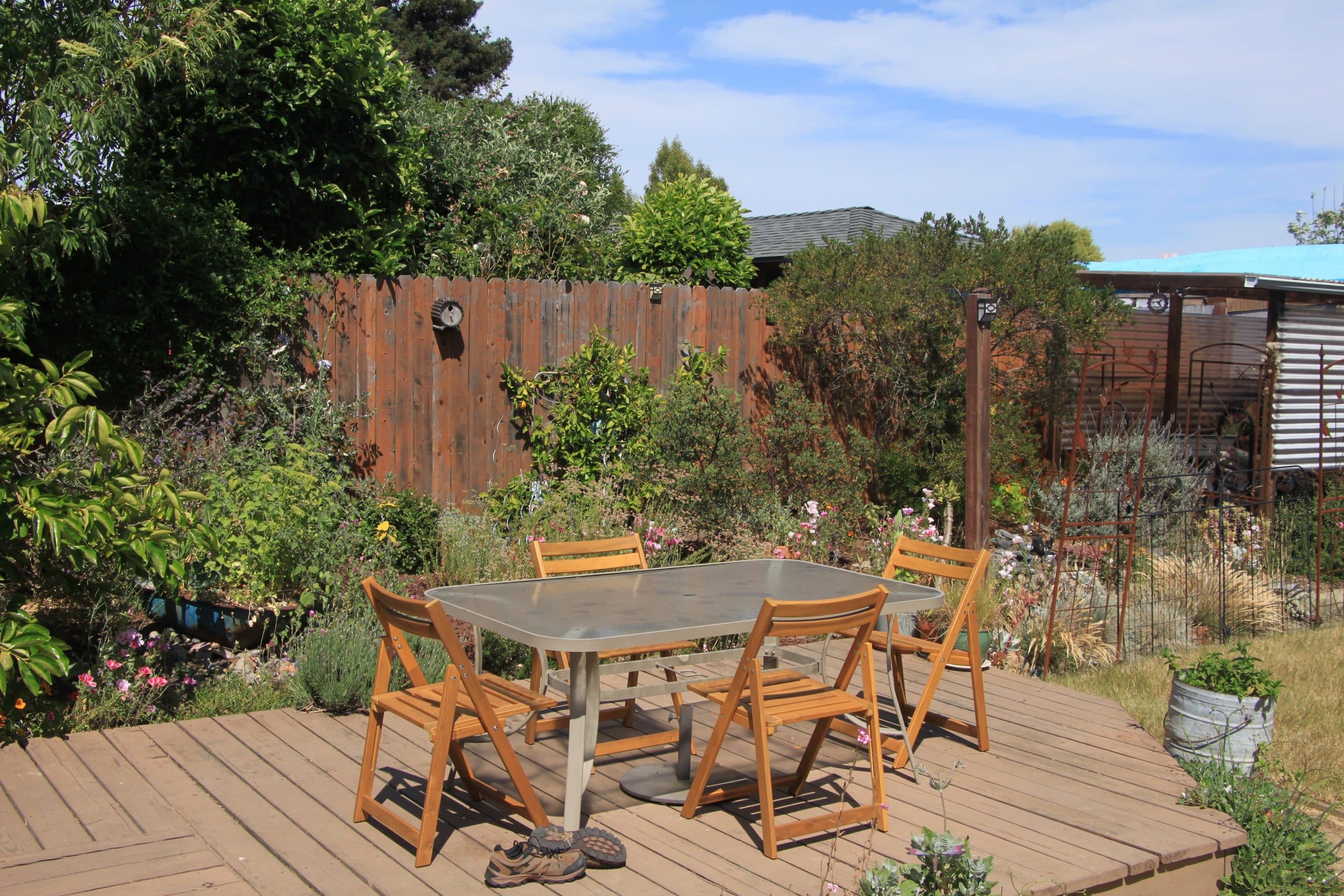
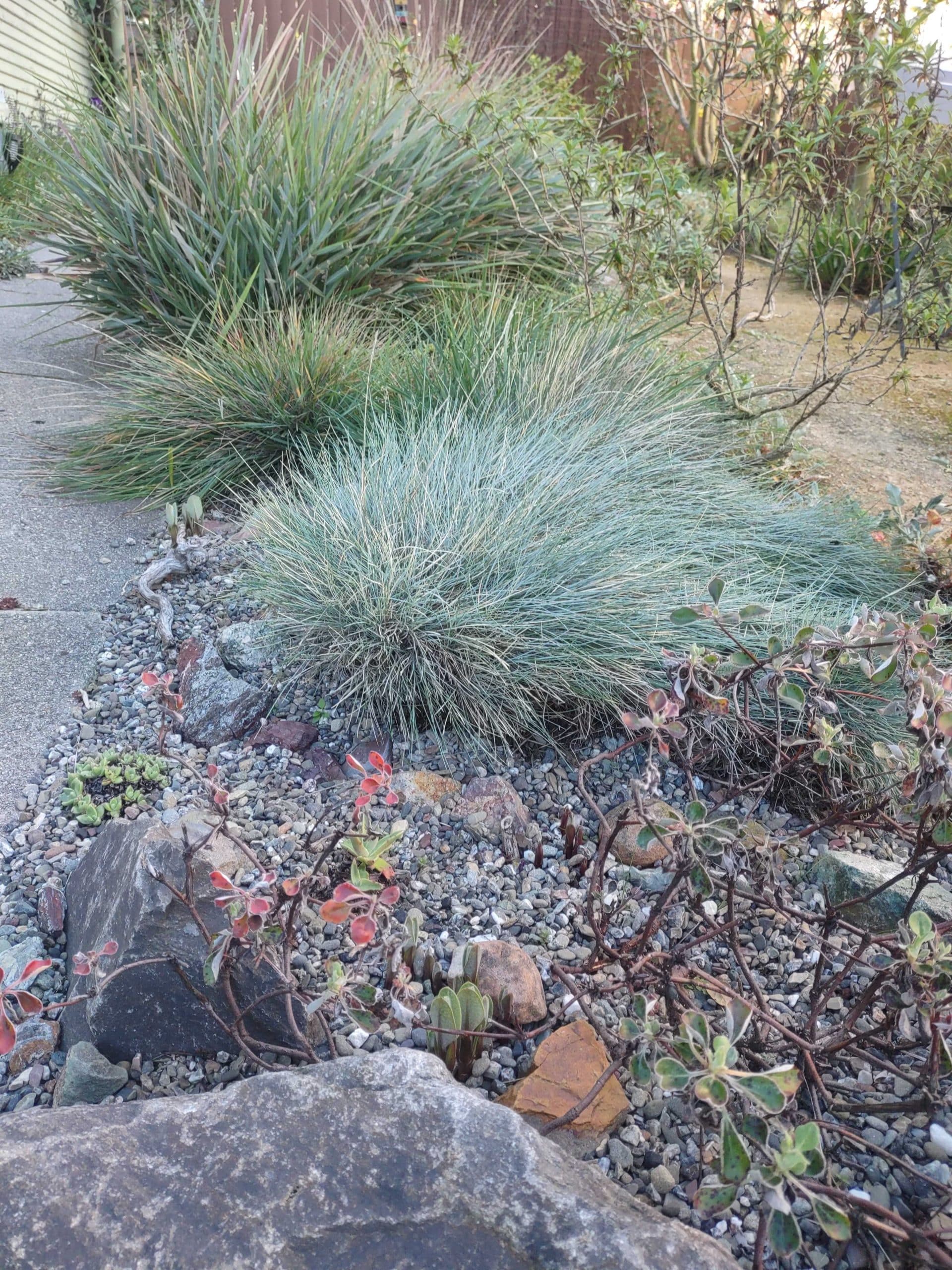
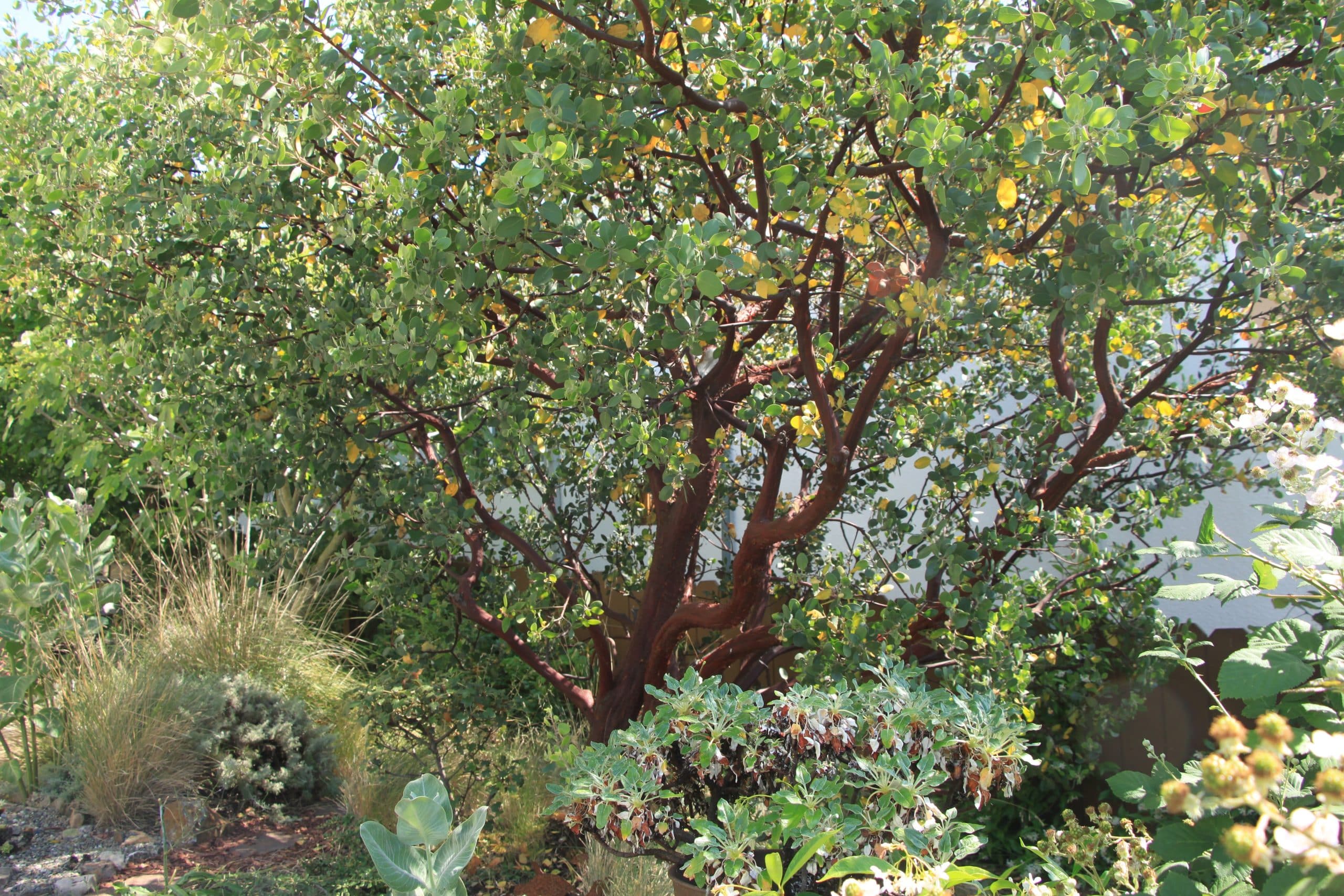
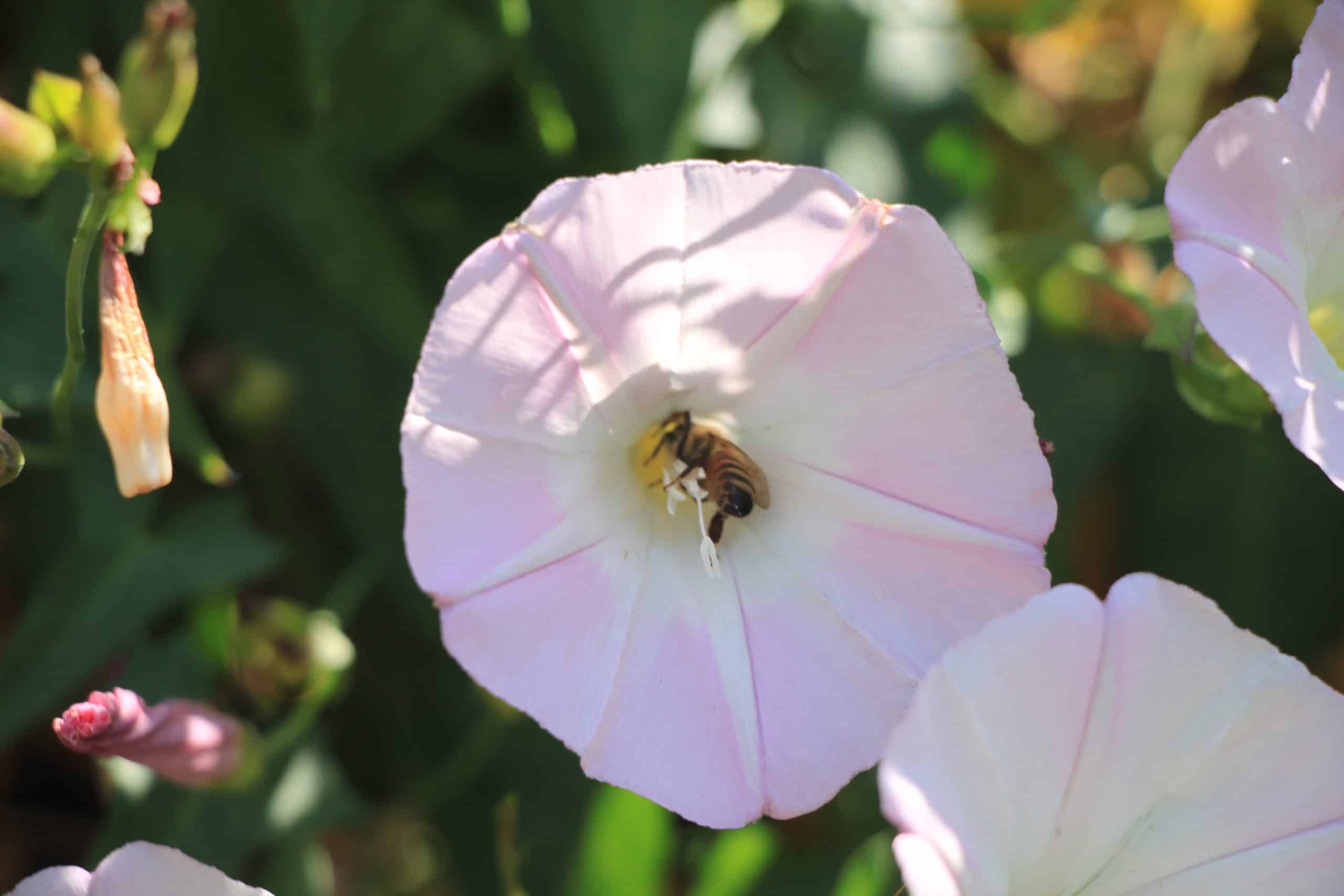
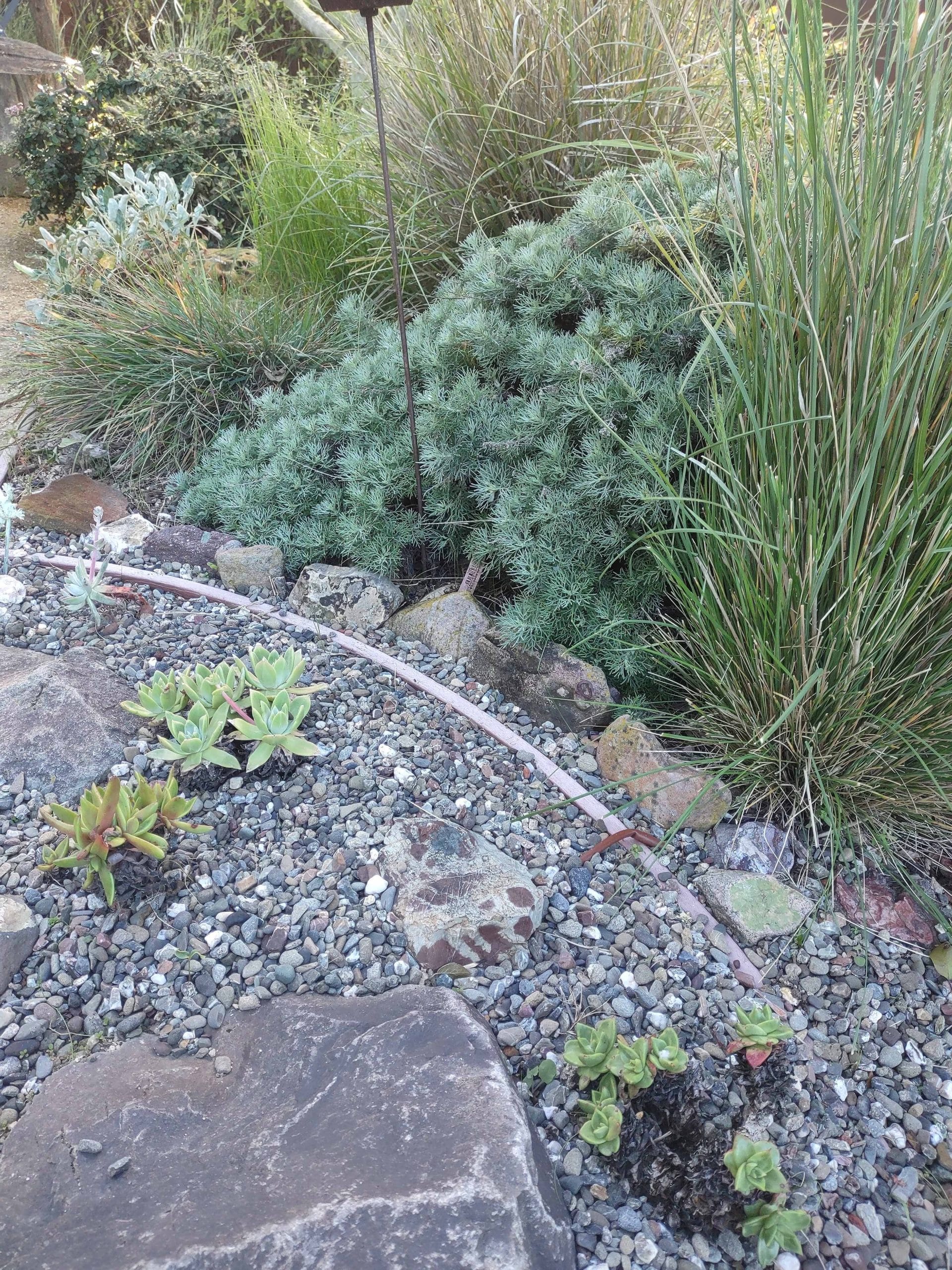
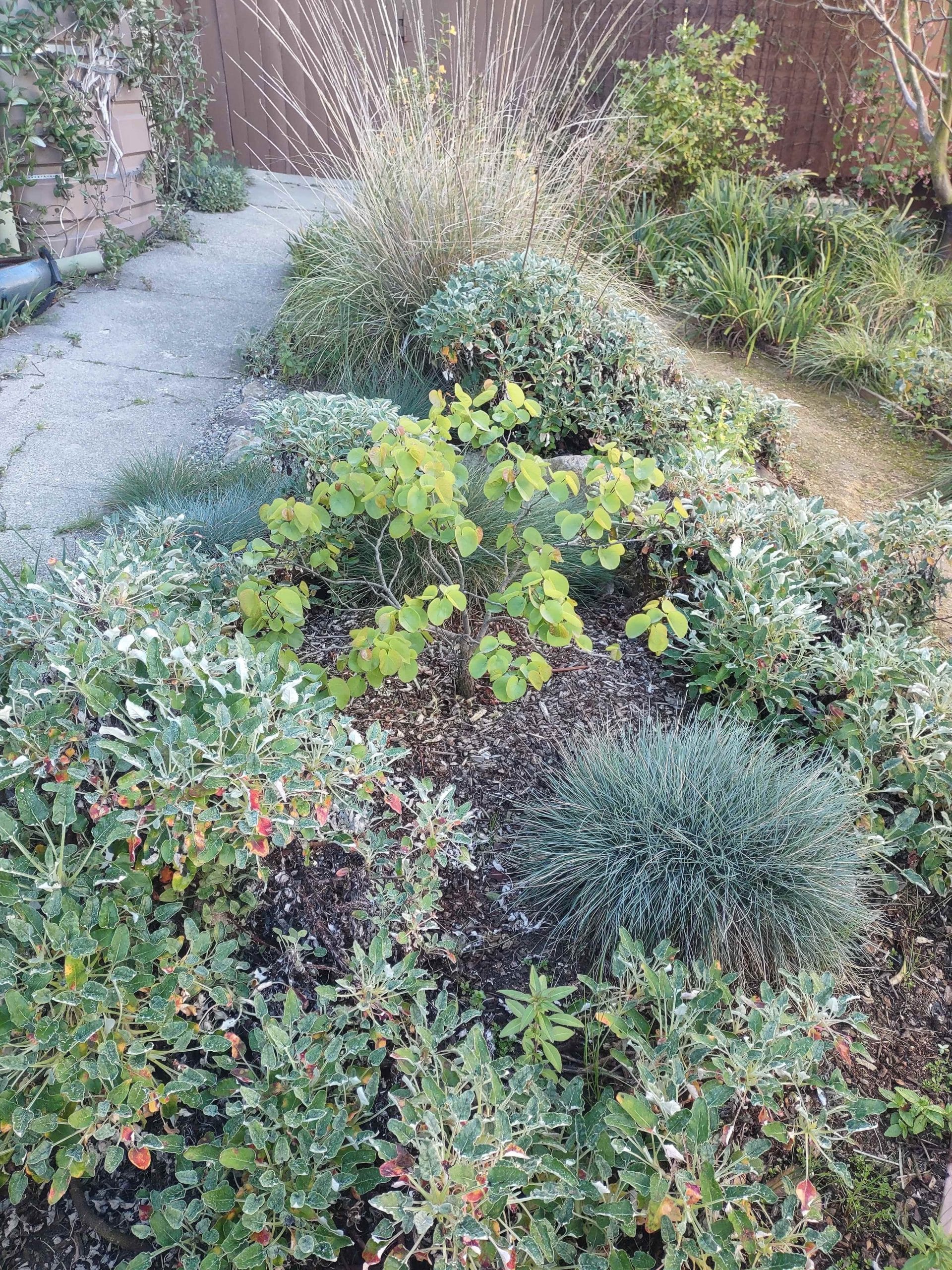
Every inch of space has been put to good use in this lush, inviting back yard. A collection of hardy trees and shrubs that are great for attracting wildlife (coast live oak, elderberry, California lilac, manzanitas, buckwheats, sage, and coyote brush) provide structure and greenery throughout the year, and an assortment of trellises create vertical growing areas, supporting native honeysuckle, grape, virgin’s bower, and our native morning glory. Don’t miss the majestic ‘Dr. Hurd’ manzanita that anchors the entrance to the garden.
 A gang of rambunctious natives fills in empty spaces: bright pink clarkias and red rosy buckwheats pop up in sidewalk cracks; soaproot, delighting native bees and moths with its lovely twilight-opening white blossoms, takes hold in sunny spots. Douglas iris have gracefully filled in large shaded areas, and Dutchman’s pipevine clambers up and sprawls across other shady locations. This team of hardy natives mingles with a plethora of other plants, including a colorful variety of wildflowers, such as yellow lupine, purple gilia, orange poppies, and blue-eyed grass, as well as edibles which may have started out in the raised beds, but wind up being left to grow where they are happiest.
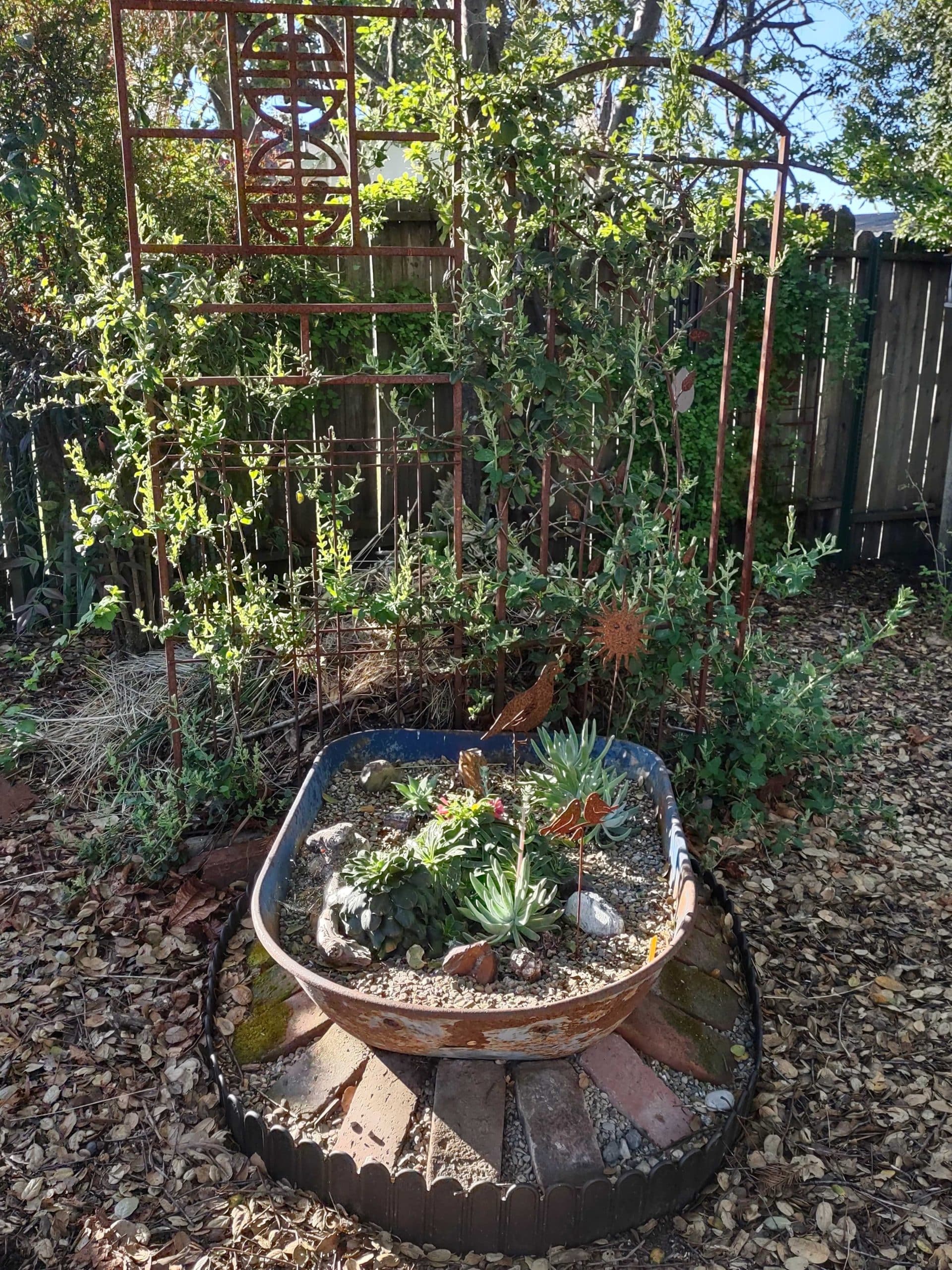
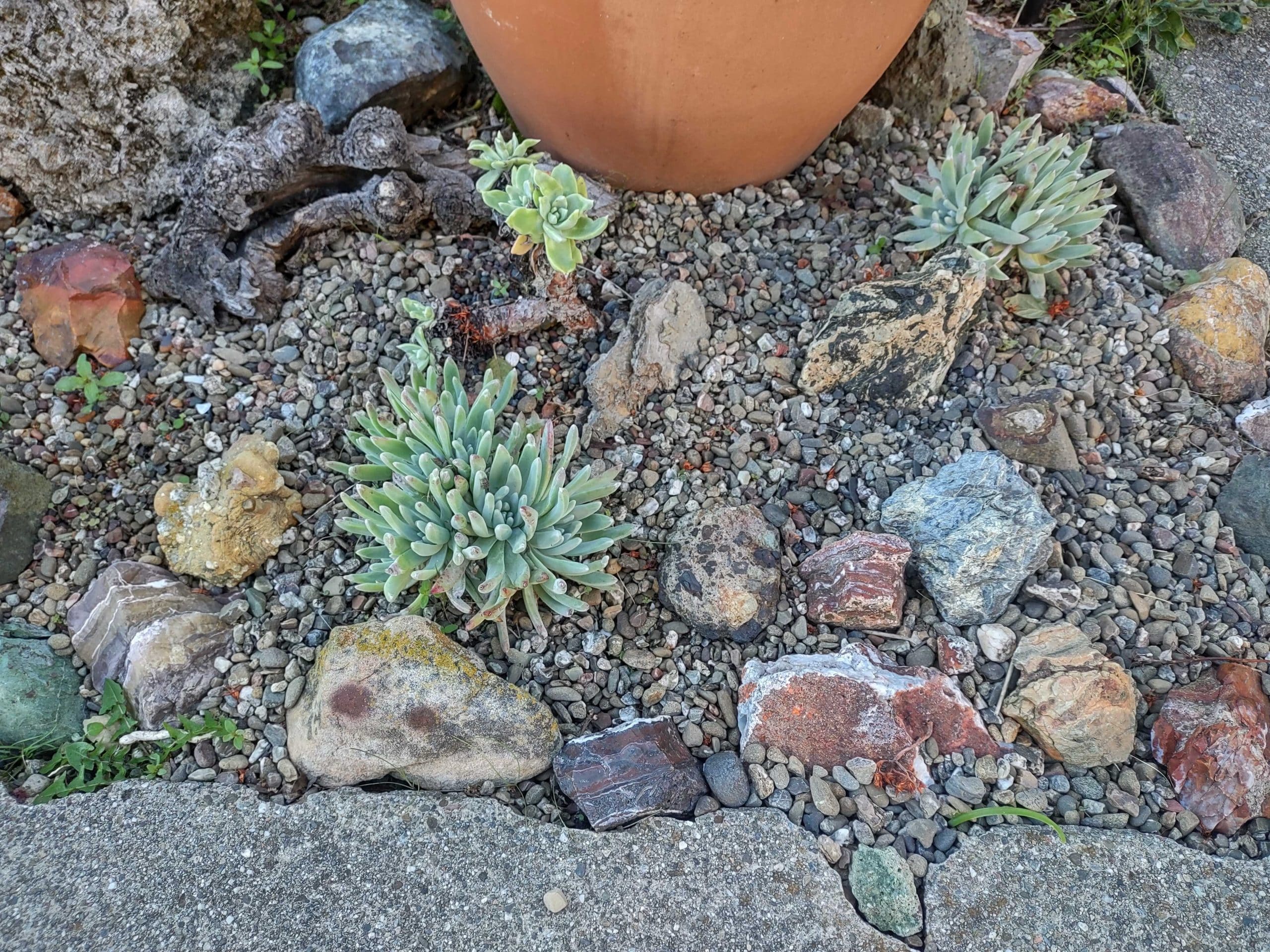
A cheerful collection of garden art, including rustic metal birds, butterflies, and plants, wooden planter boxes and terra cotta pots, driftwood, and an extensive collection of whimsical (and functional) bird houses brighten the garden from ground to eye level.
Other Garden Attractions
• A small native bunchgrass lawn (bent grass, or Agrostis pallens) serves as a play area.
• Seven rain barrels store about 750 gallons of water: two of them function as fountains.
• A row of fruit trees (pear, apricot, cherry, fig and apple) shade a cafe table and two chairs. Take a seat in this cool spot and rest a while! Other fruit trees include persimmon, tangerine, lemon, pineapple guava, strawberry tree, and plums.
• Found materials enjoy new lives in this garden: mattress springs function as trellises, and repurposed old wheelbarrows are now charming raised garden beds.
• Michael and neighbors planted and maintain the natives in the large median at 41st and Carrington. Check out the beautiful, collection of buckwheats (St. Catherine’s lace, rosy, California, and sulfur) that rub shoulders with manzanitas and bunchgrasses. This area receives a minimal quarterly maintenance from neighbors.
• Michael, an EBRPD Naturalist based at Crab Cove for nearly twenty years, designed and planted the native gardens near the visitor’s center: he has noticed that, “the insect and bird populations have skyrocketed since the native gardens have been put in.” If you can help maintain these gardens, call the Visitor Center at Crab Cove at (510) 544-3187 and let them know you would be interested in joining a native garden work party.
• Drop down in one of the many seating areas in this charming garden and take a rest: you won’t want to leave!
Gardening for Wildlife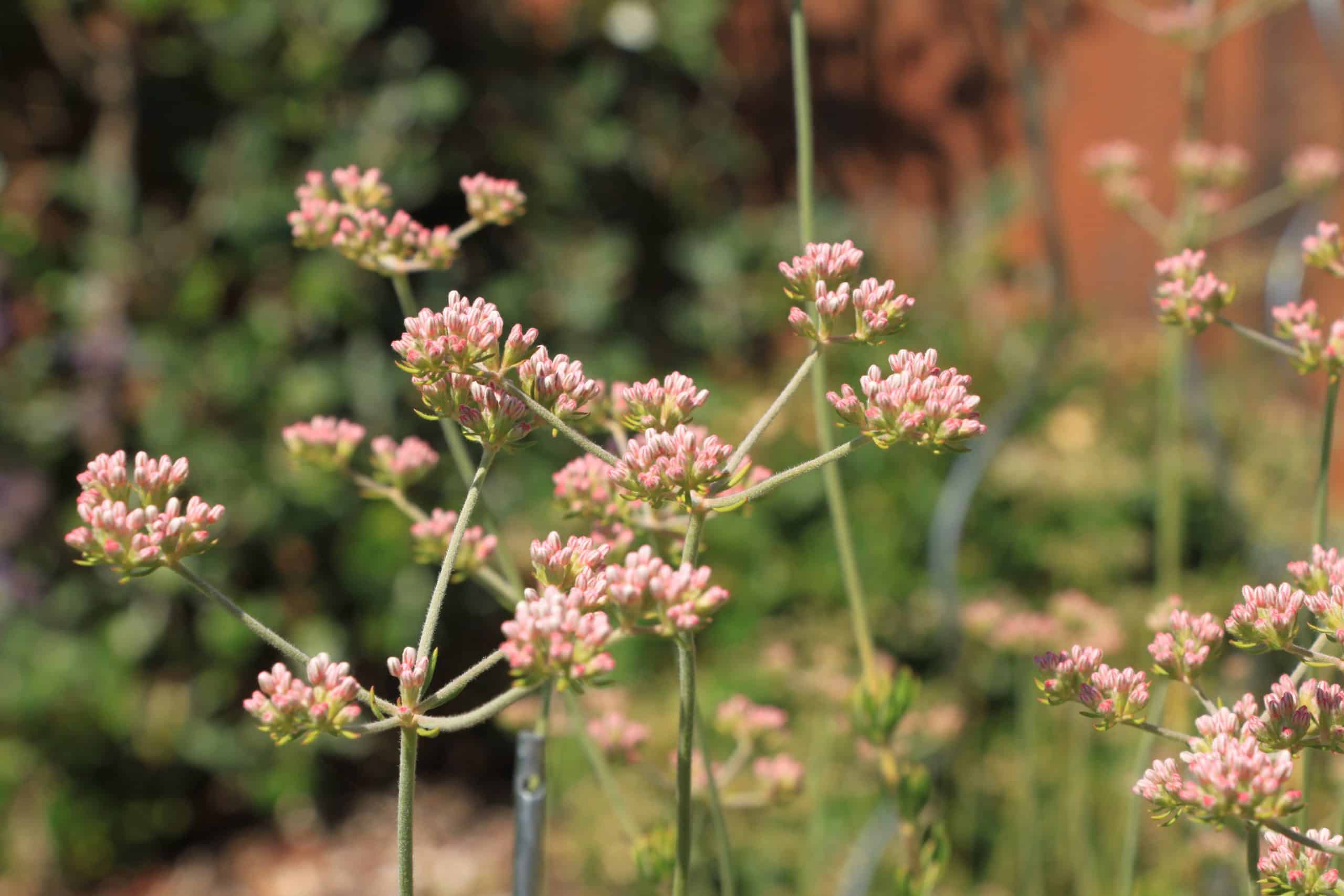
Dozens of species of birds have been seen in the flitting through the trees in the back yard, and the garden is a hot-spot for nesting: bushtits are nesting in the garden this spring, and oak titmice, chickadees, Bewick’s wrens, hummingbirds, scrub jays, mockingbirds, and even ground-nesting towhees have raised families in the garden. Ground-nesting birds and their chicks—such as towhees, juncos, quail, and thrashers—are easy prey for cats: keep your cat indoors, or indoors as much as you can, to protect all birds, but especially these particularly vulnerable species.
Birds are drawn to Michael’s garden by the diversity of native plants, many types of insects in the garden (which birds need to feed their chicks), splashing water in two fountains, bird baths, and the many bird houses provided for them. As the native plants in the garden provide food for the birds, Michael does not have feeders.
Slender and arboreal salamanders call the garden home. Fence lizards have appeared in the garden, basking in the sunshine and snacking on insects.
Keystone species (watch this talk by Doug Tallamy!)
Keystone species—our own, local ecological powerhouse plants— in this garden include coast live oak, huckleberry, California lilac, pink flowering currant, chapparal currant, hazelnut, sage, snowberry, manzanita, elderberry, buckwheat, ocean spray, native honeysuckle, and penstemon.
Green Home Features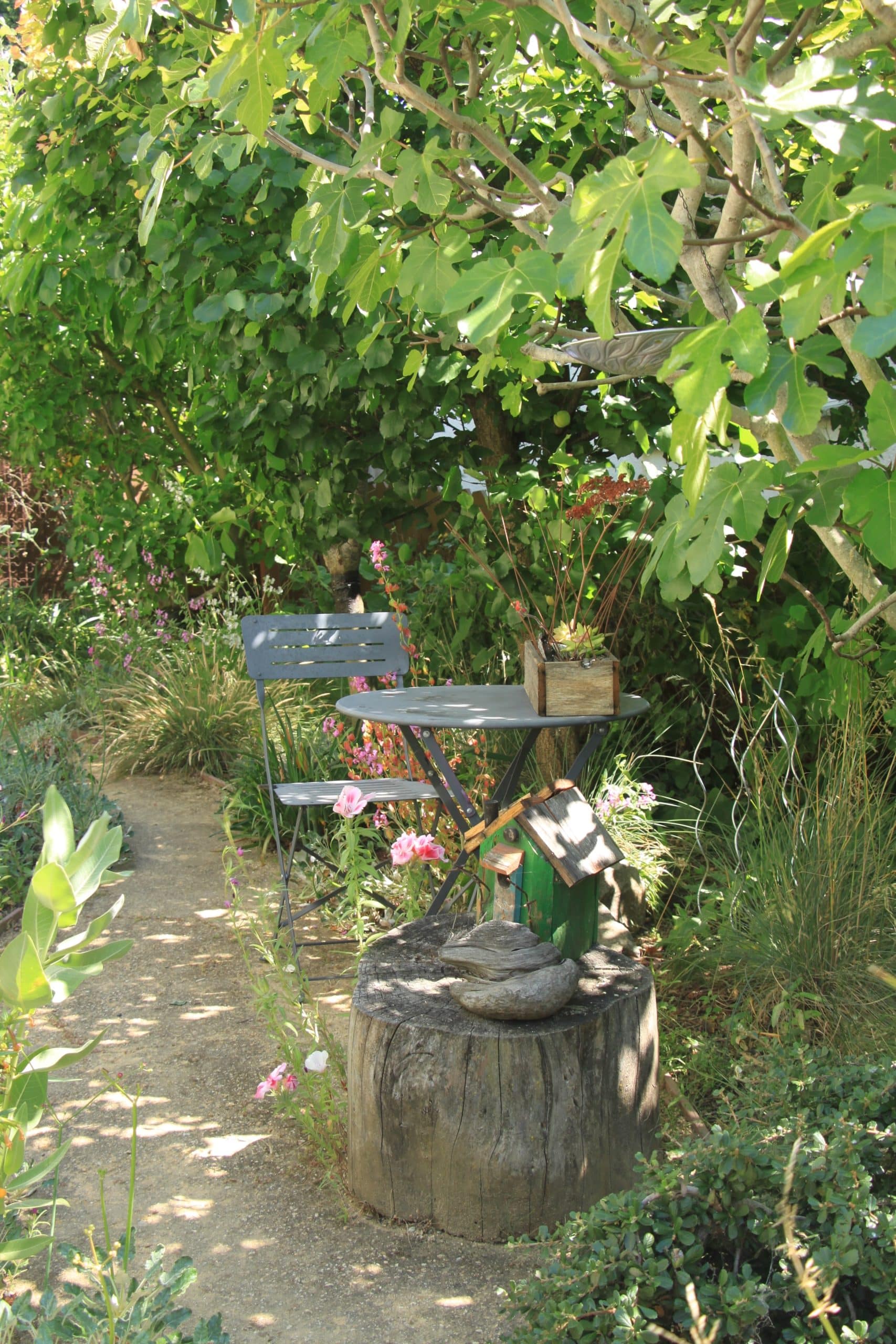
Check out the window markers, which have been installed to prevent bird/glass collisions.
Outside
• The 750 gallons water collected onsite and stored in rainbarrels are used where needed: the native shrubs/trees and fruit trees get a lot of extra water during the rainy season through hose placement from the water barrels.
• Trees were planted and are maintained to allow winter sun and summer shade to warm and cool the house.
• Outside blinds/barriers block sun/heat from coming into windows during warm days.
• Bars have been installed on most windows for security—this allows the windows to be opened at night for “free air conditioning” during warm months.
• Mulch is used strategically for weed prevention and soil water preservation. The soil above the dense clay has improved tremendously over the past fourteen years. It is a rich environment, often dug into by skunks, racoons, possums, squirrels and feral cats (to Michael’s distress sometimes, since they will dig up plants).
• Organic gardening methods are used.
• Two compost piles from landscape waste create rich soil that is used in the raised veggie beds and around the fruit trees.
Inside:
• Energy Star appliances reduce the PG&E bill
• Heavy insulation in the attic, walls, and floor help keep the house warm in the winter and cool in the summer
• Michael chose mostly used furniture, and environmentally-friendly products and used and consumed inside the house.
Garden Talks
12:00 Best practices for managing multiple rain barrels around your home
Rain barrels are great for water conservation because they store water for future use. Perhaps even more important is using rain barrels to easily manage the distribution of water runoff from your roof when it is actually raining.
Parking
Parking will be tight. Be prepared to walk a block or two.
At least partially wheelchair accessible? No
Photos
Click to see as a slideshow: