Showcase Feature
Jennifer’s garden shows how you can turn a space that had white quartz rocks covering the front garden, concrete encasing the entire back garden, and junipers in the parking strips, and make a silk purse out of it. (Also, there was a palm tree.) Over the last twenty years, the family has added every plant except for the lemon tree.
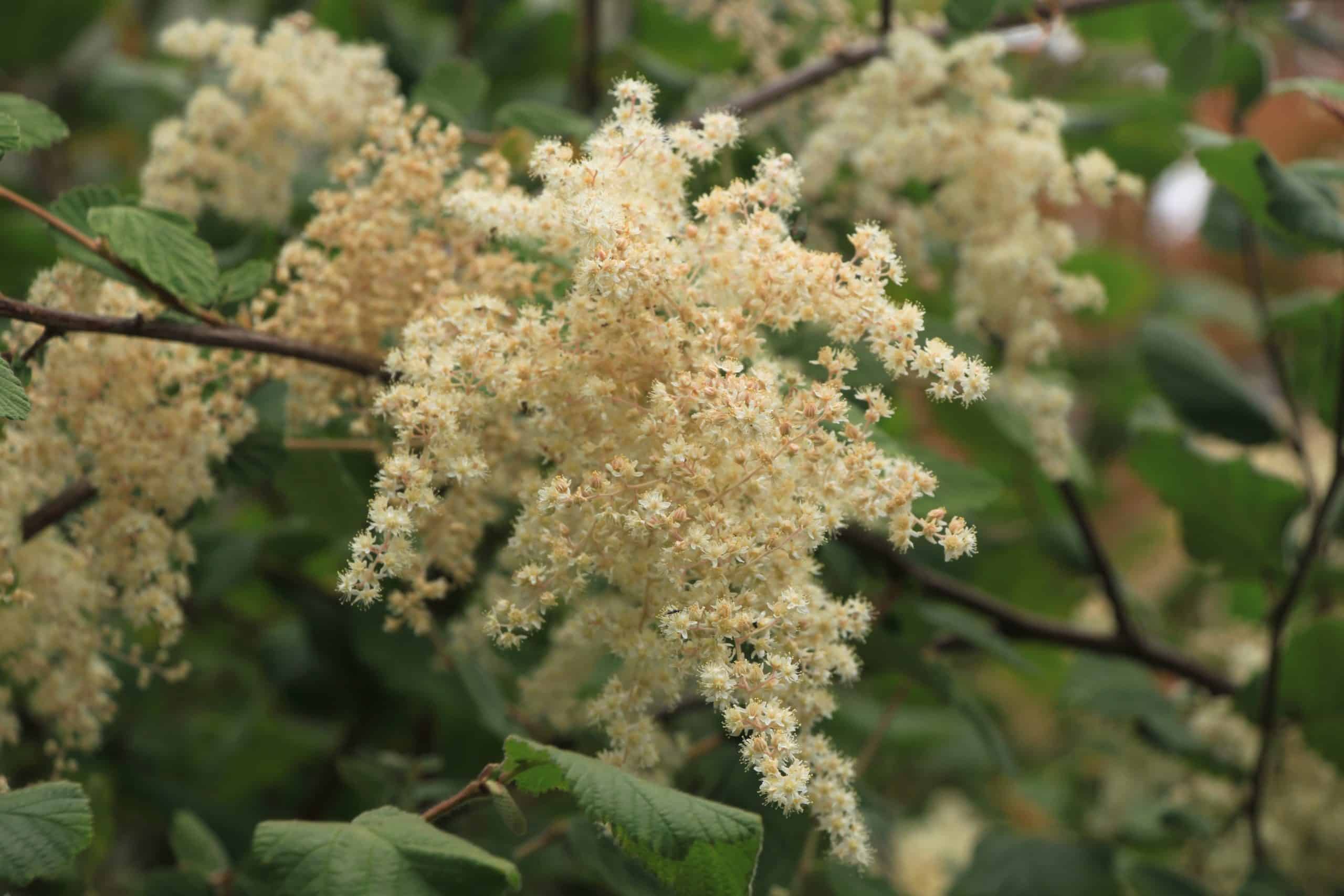
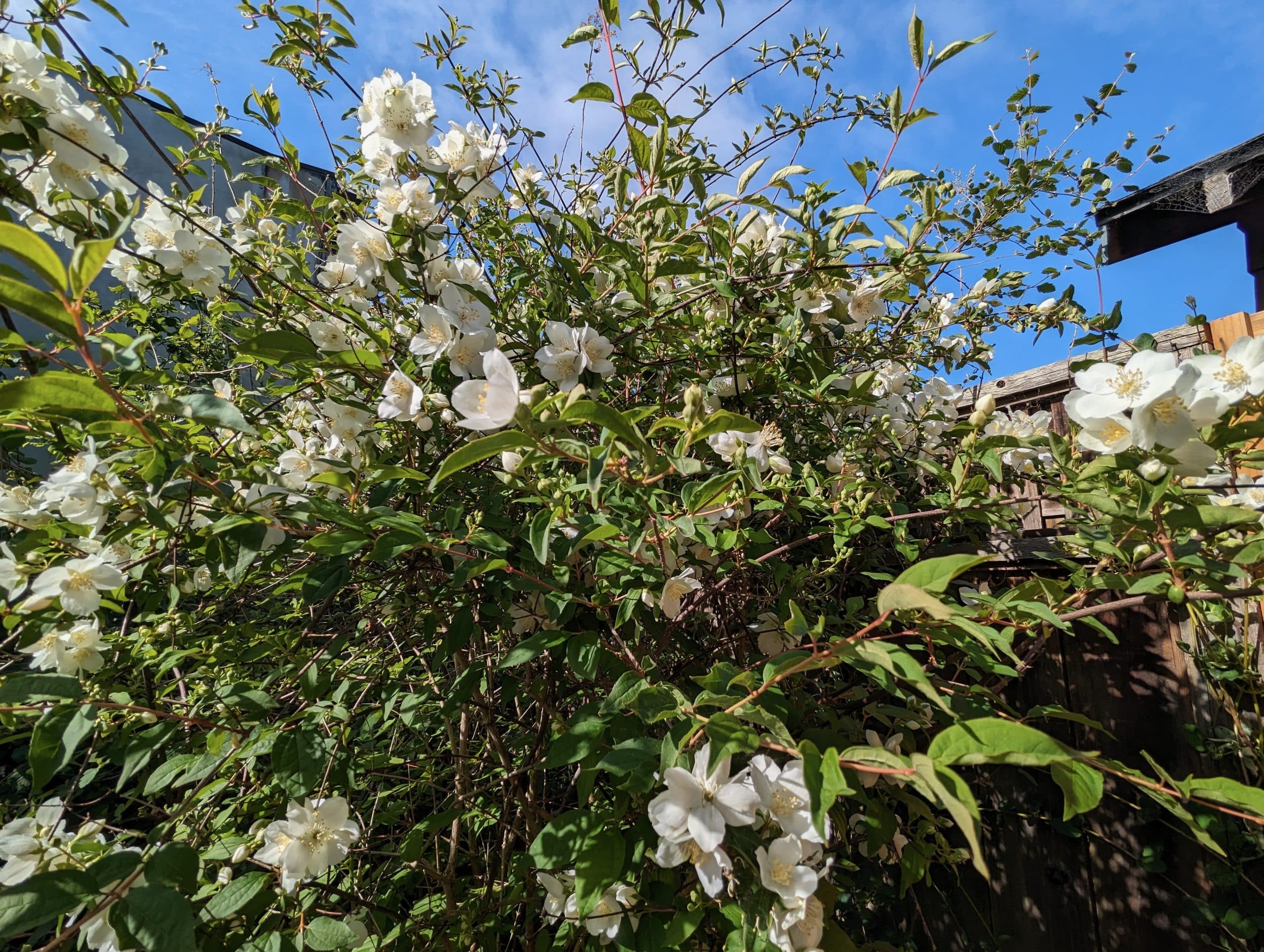
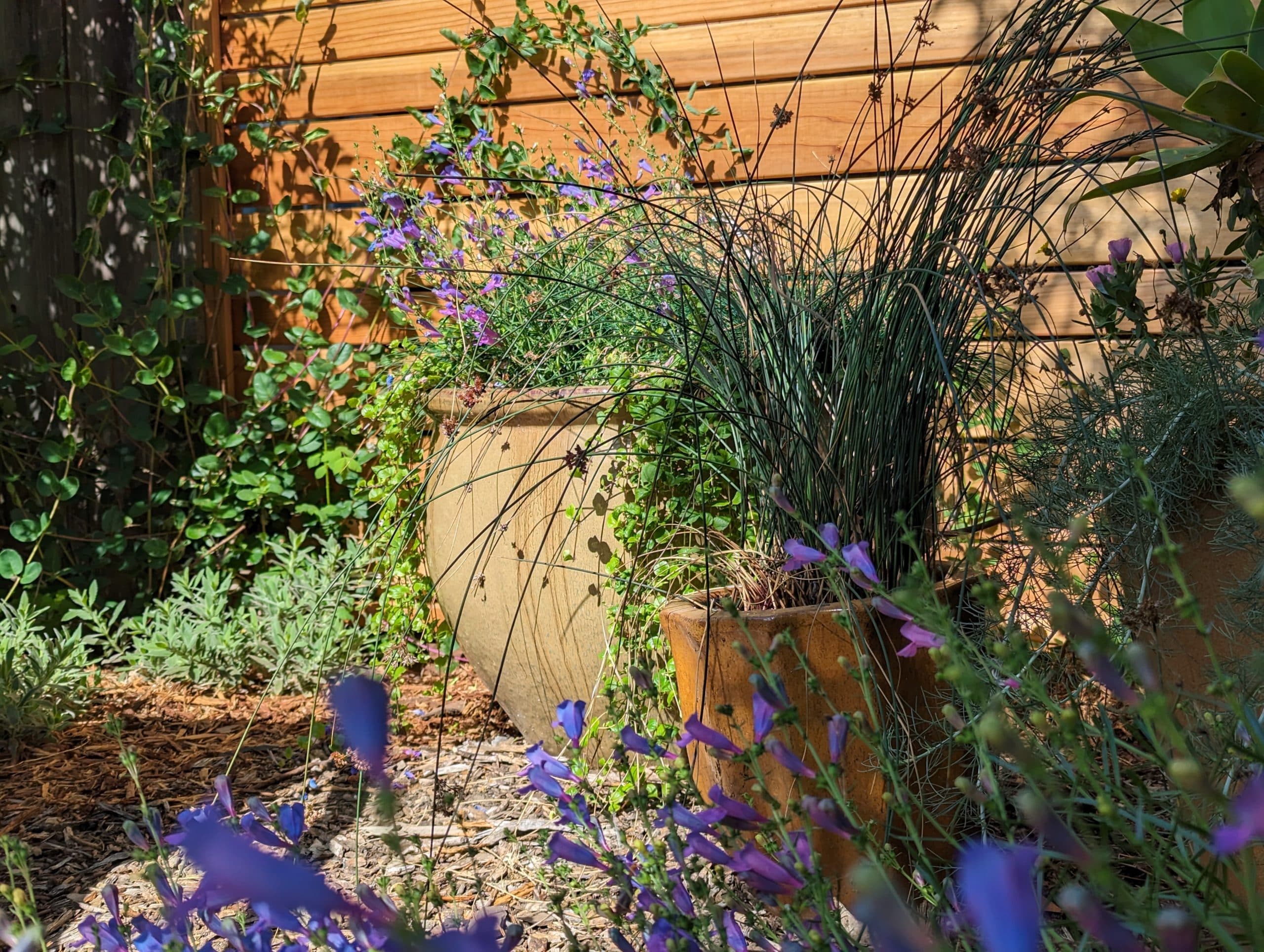
The perimeter of the back garden is ringed with natives that soften the fence line and create a cozy, enclosed space. These include ocean spray, with its cascading cluster of fragrant, cream-colored blossoms, hazelnut, ninebark, toyon, redbud, and more.
 An inviting seating area near the house creates a lovely retreat to share with family and friends. The outdoor dining table was the perfect lunchtime getaway during the pandemic.
This beautiful, low-maintenance, water-conserving garden was designed with help from various designers, the most recent being Jason Lachick of Butterfly Effect Gardens, who replanted the gently sloping front garden, added the staggered boulders that both retain the soil and create a more level planting area near the sidewalk, and has chosen and installed many new plants.
Drop down in one of the seating areas and enjoy this peaceful oasis: you won’t want to leave.
Other Garden Attractions
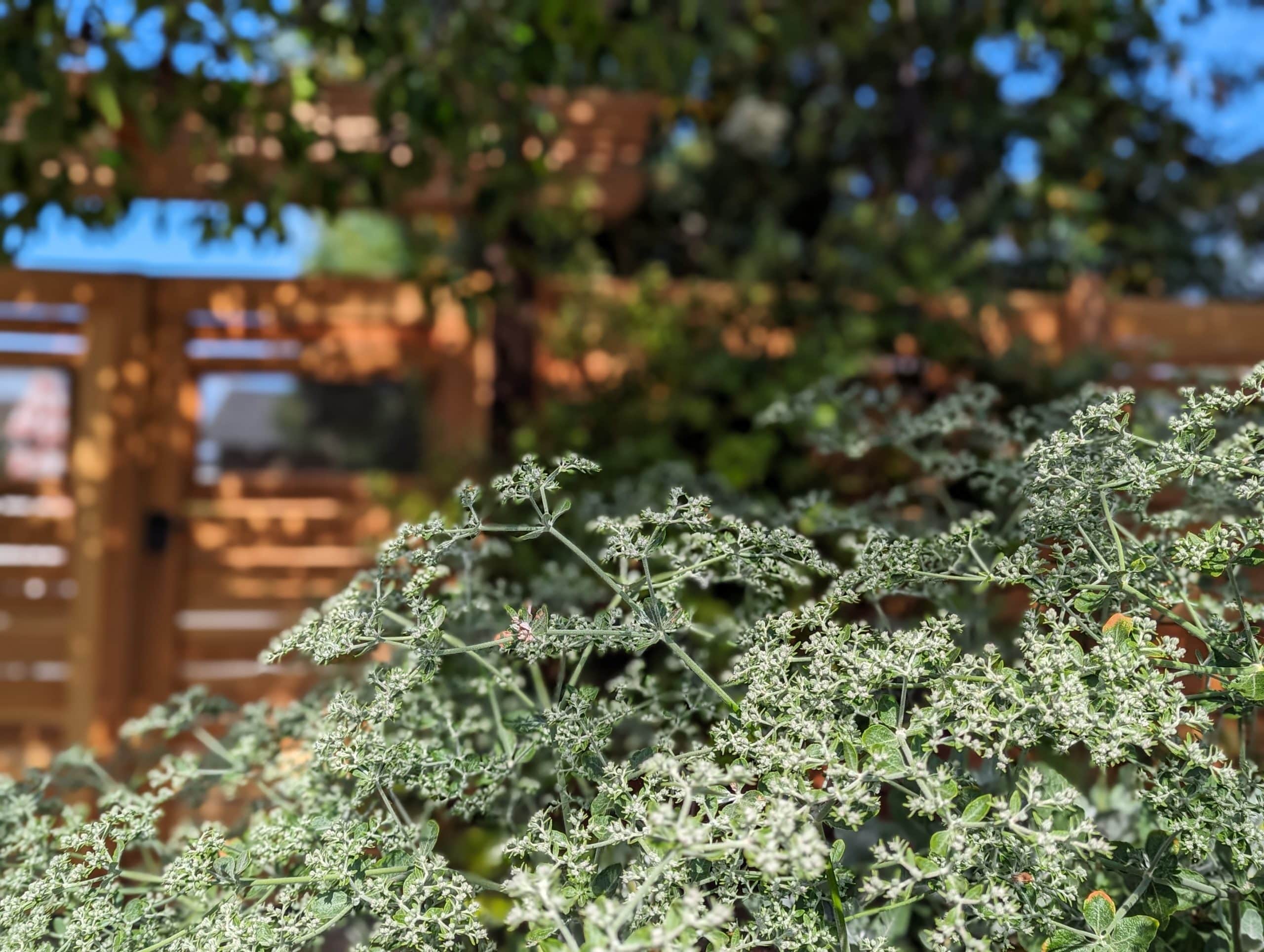
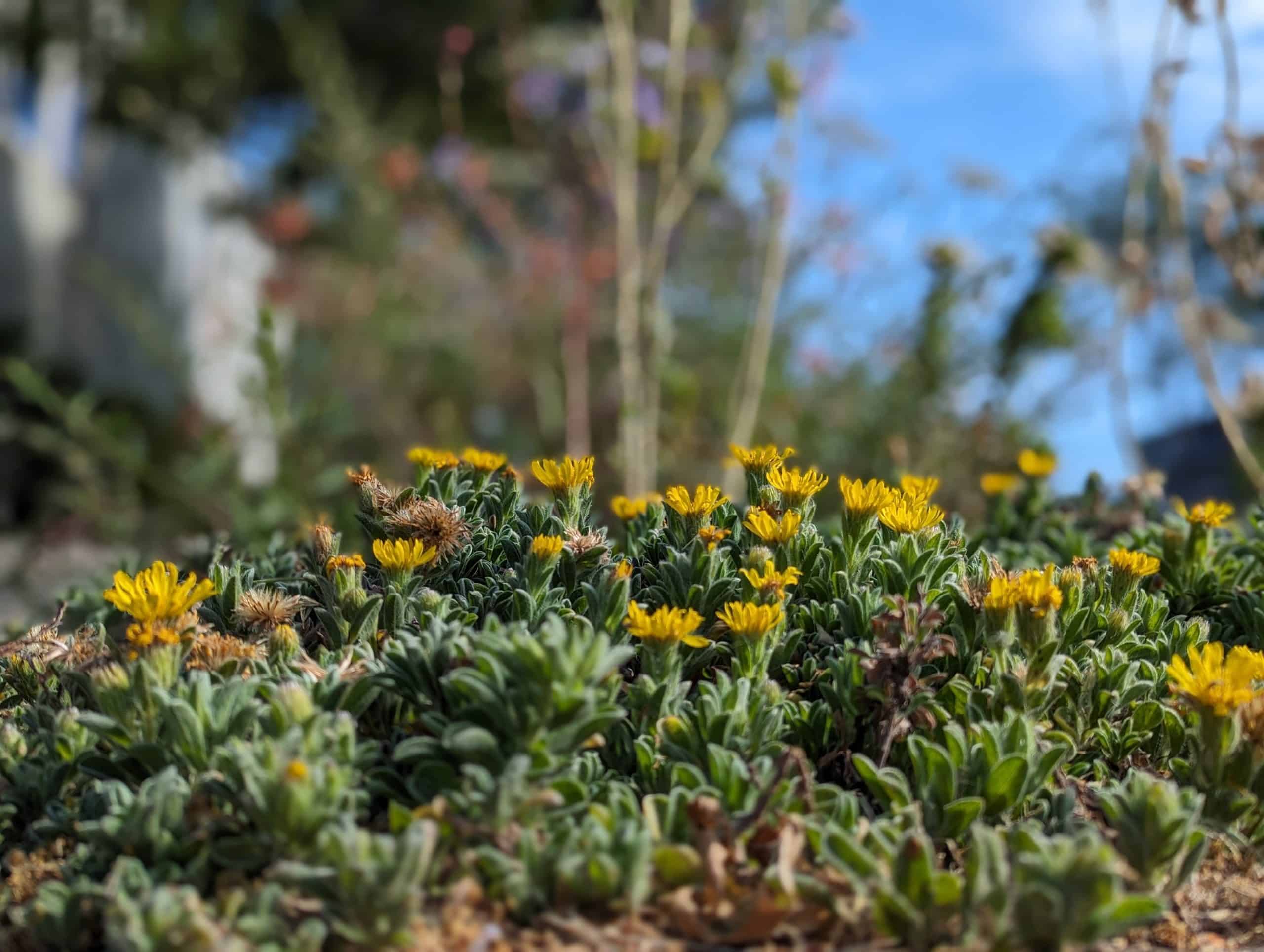
• Jennifer chose the plants for the parking strip, including cheerfully blooming lavender asters, cream-colored buckwheats and milkweed, and fire-engine red fuchsia. Artfully placed flagstones provide access from a car to the sidewalk.
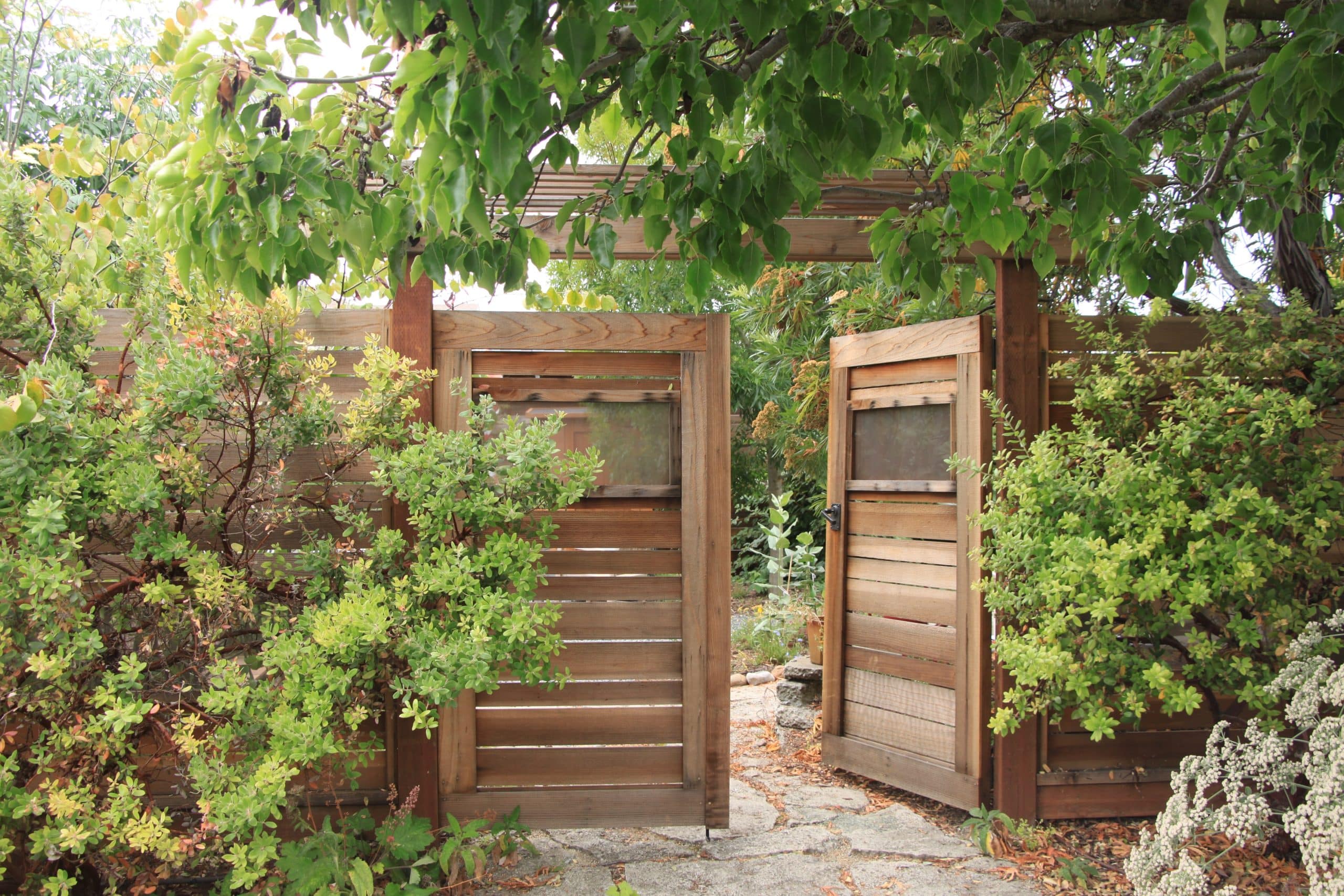
• Check out the screens built into the fence, which allow for friendly greetings with the neighbors.
• The concrete from the back yard was used to make the driveway. The spacing between pieces of concrete allows rainwater to sink into the soil, thereby replenishing the aquifer and protecting the nearby creek from scouring. The backyard concrete (yes, there was a lot of it!) was also used to create the retaining walls that border the driveway and the raised beds and current patio in the back garden.
• Jennifer is a sustainability consultant; ask her anything about electrification.
• Jason Lachick will be on hand all day to answer your questions.
Gardening for Wildlife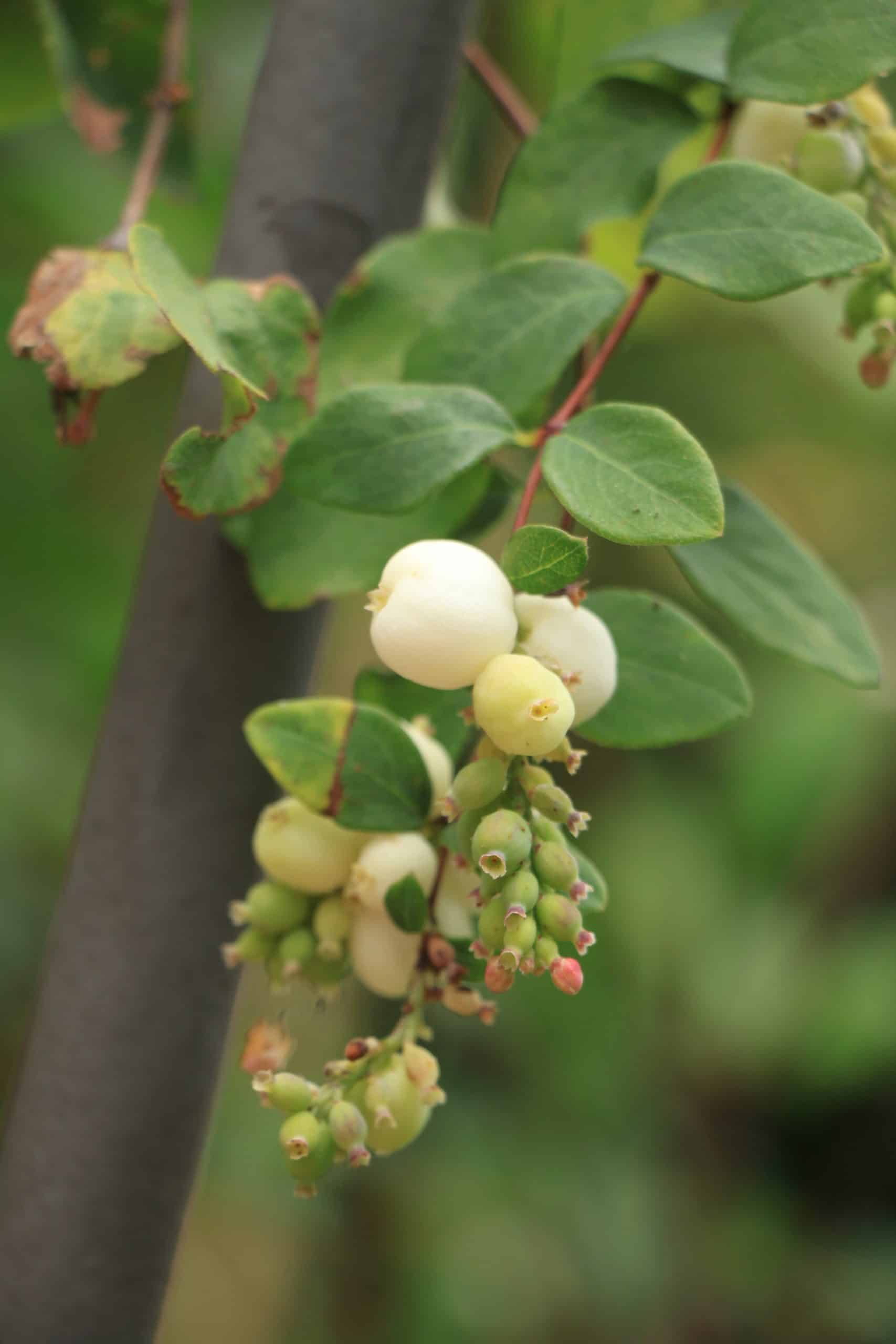
Jennifer tries to choose plants with high habitat value (see the keystone species list below). Birds nest in the thickets created by the ocean spray and ninebark. Hummingbirds adore the long, tubular flowers of the fuchsia. Native bees and butterflies buzz and flutter about this welcoming garden.
Keystone species (watch this talk by Doug Tallamy!)
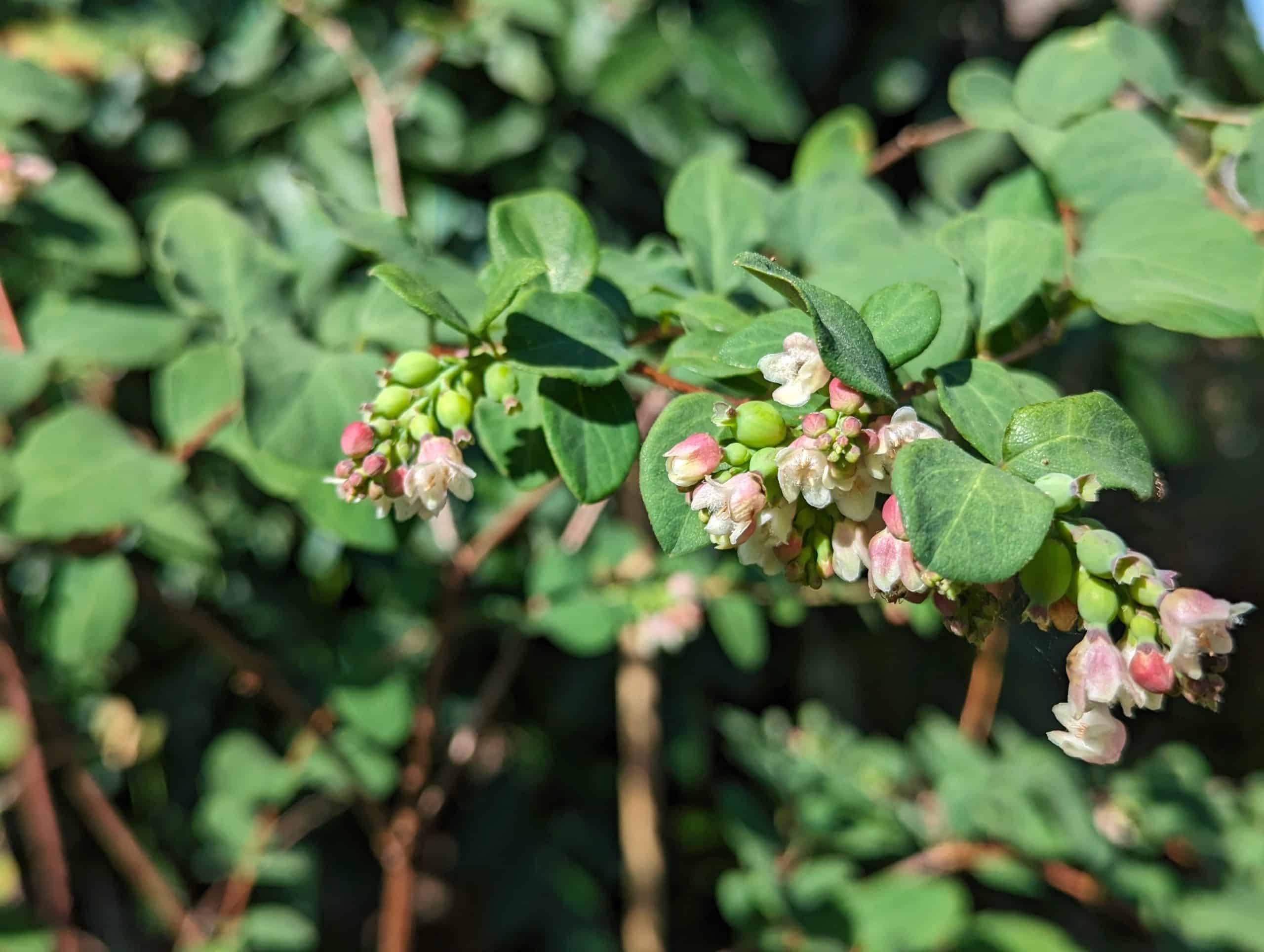
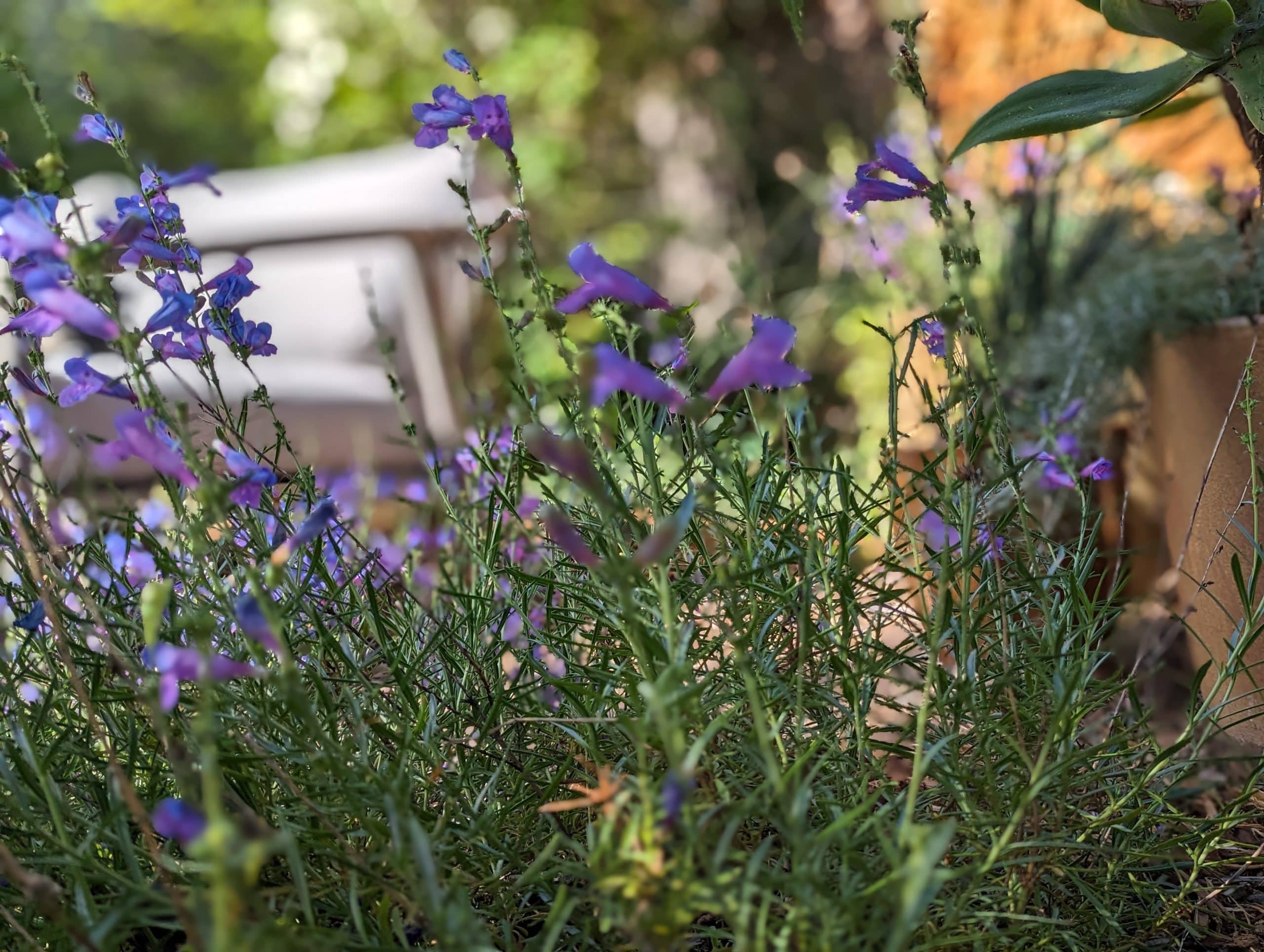
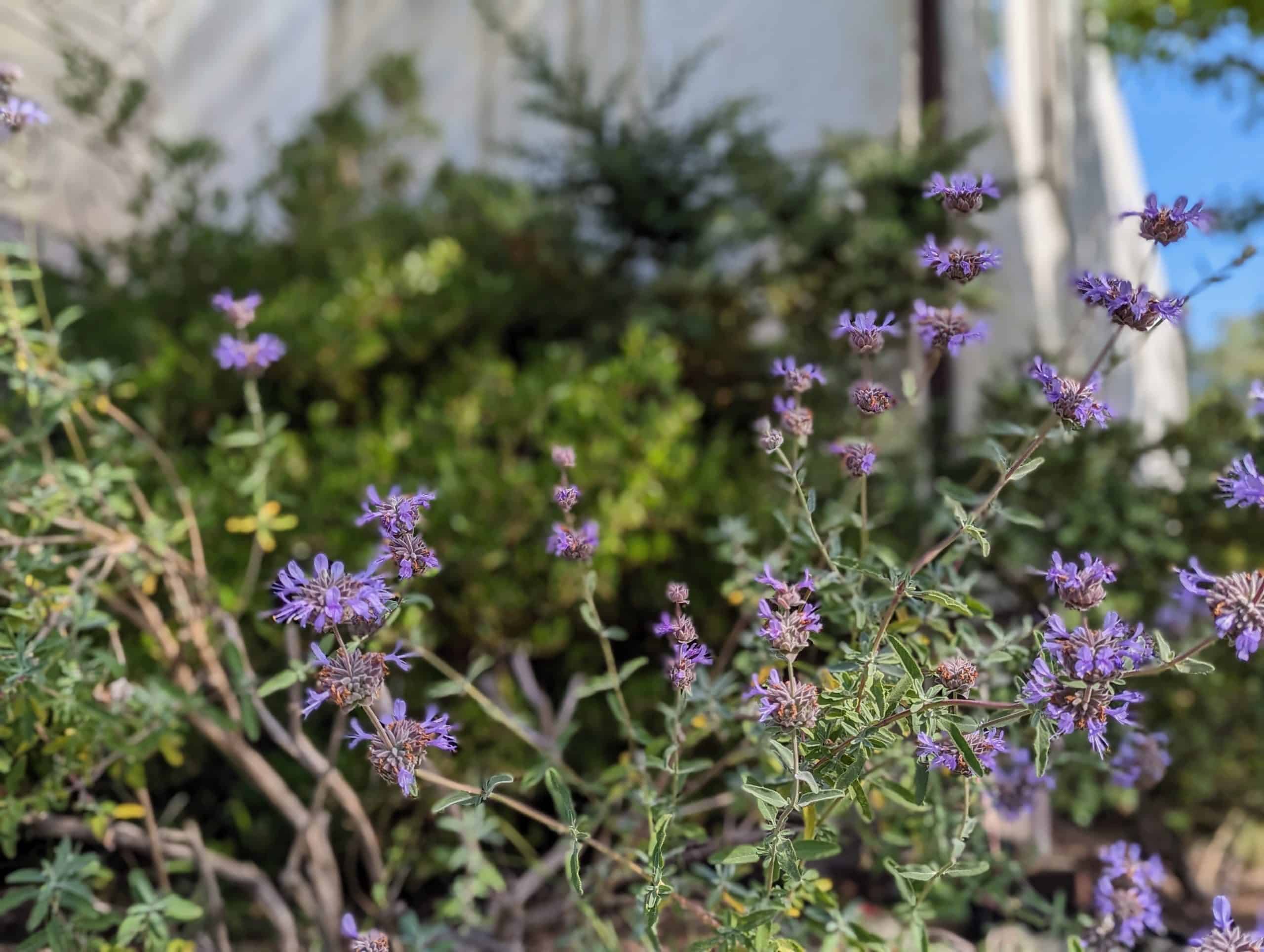
Keystone species—our own, local ecological powerhouse plants— in this garden include holly leaf cherry, pink flowering and golden currant, California lilac, manzanita, snowberry, sages, sagebrush, mountain mahogany, hazelnut, buckwheat, native strawberry ocean spray, honeysuckle, lupine, penstemon, and elderberry.
Green Home Features
Solar panels reduce the family’s PG&E bill: a Tesla battery keeps the lights on during power outages. The electric vehicle is powered by the sun, so there is no expense for gas.
Garden Talks
At least partially wheelchair accessible? Yes
Parking will be tight: be prepared to walk a block or two.
Photos
Click to see as a slideshow: