

Pollinator Post 7/25/23 (2)

Most of the more robust, older Cobweb Thistles, Cirsium occidentale have finished blooming, offering their plumed seeds to the wind.
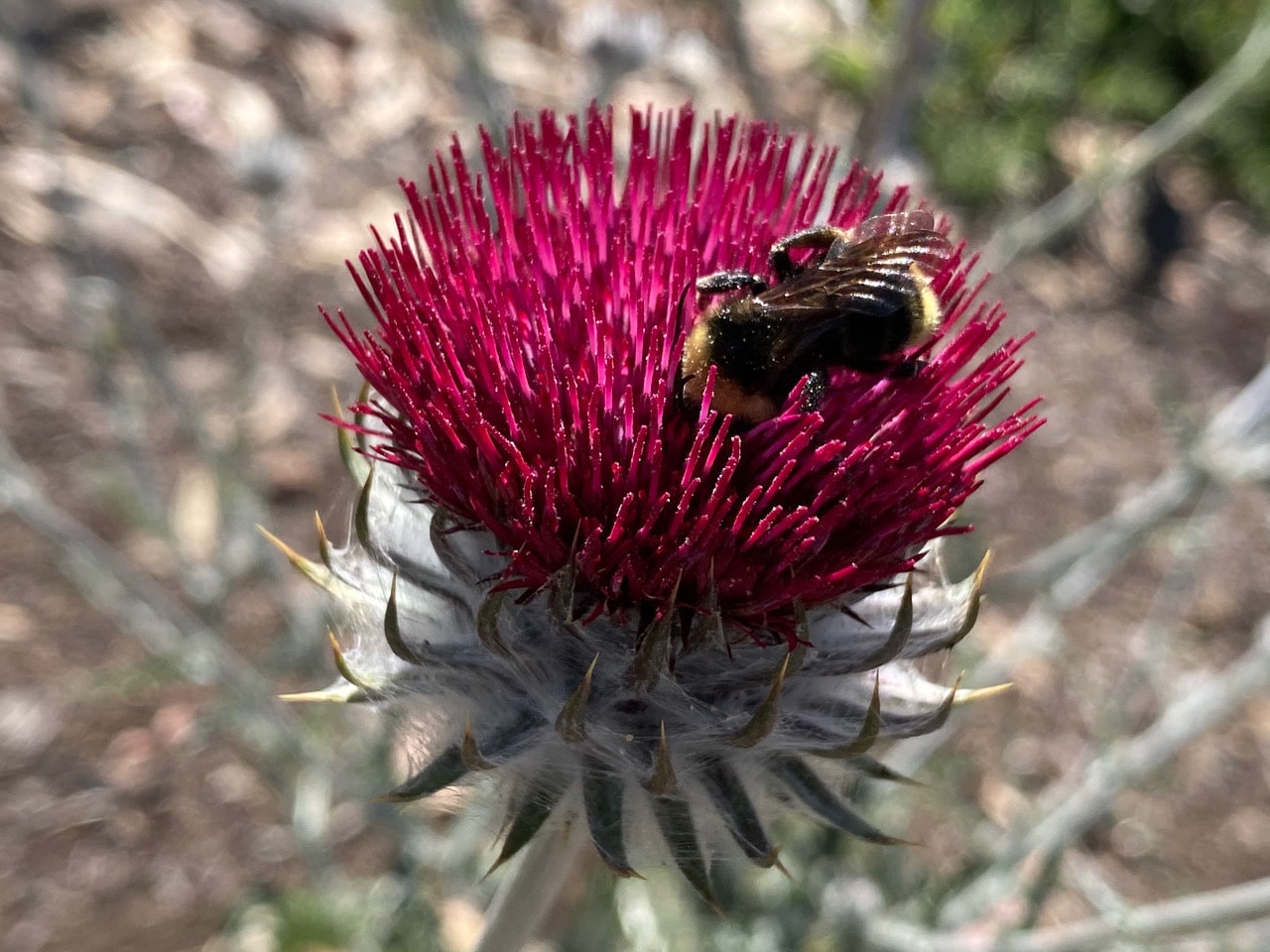


Fortunately, the younger thistles are still in bloom, providing an extended source of nectar and pollen to the insects. Again, I am kept waiting for the bumble bees to lift their heads from the flowerhead to determine their identity – whether Yellow-face Bumble Bee, Bombus vosnesenskii, or California Bumble Bee, B. californica. Both species visit the thistles extensively for nectar.
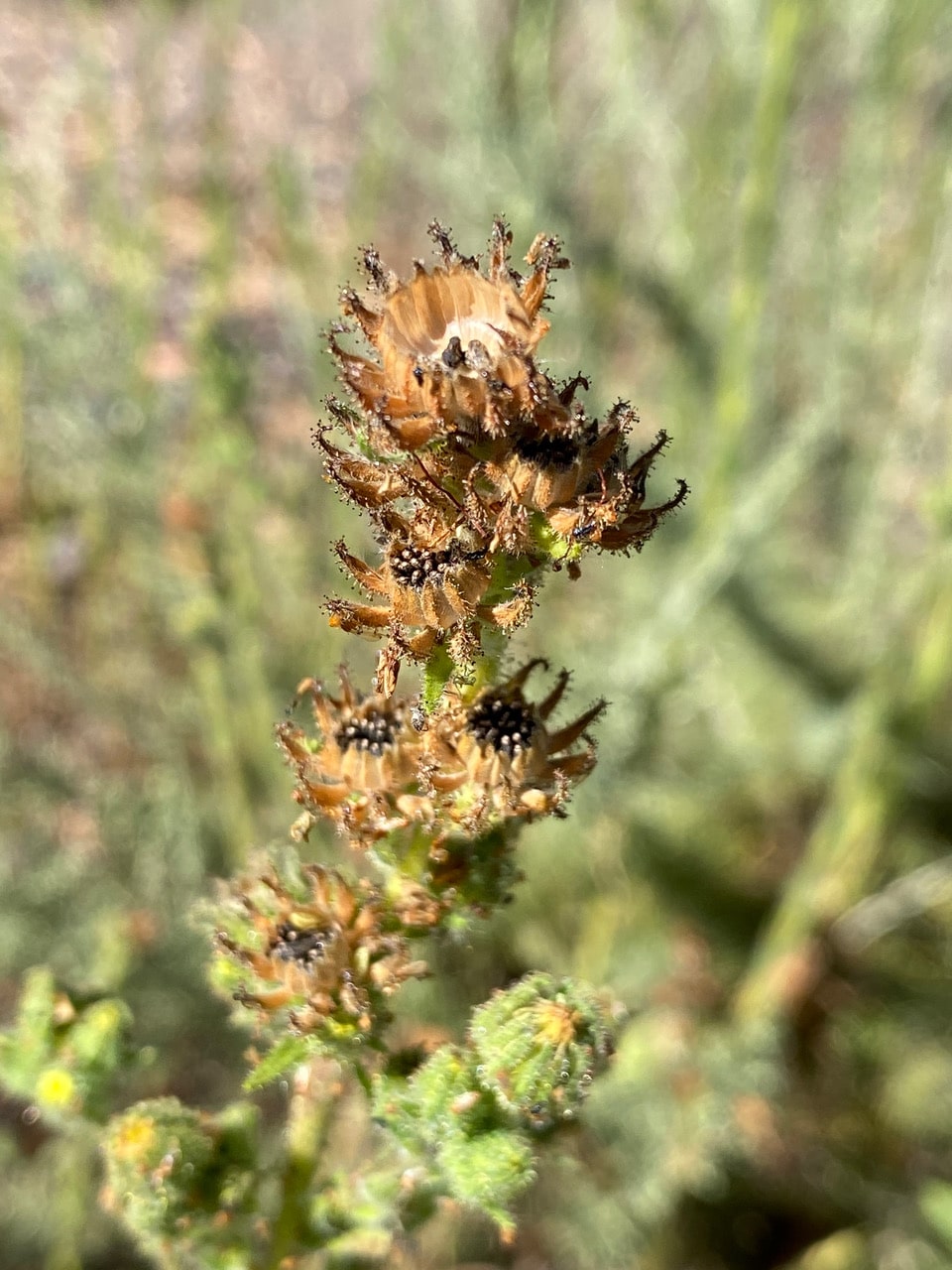
Many of the Coast Tarweed, Madia sativa are already in seed. The species is a prolific seeder, their seed heads packed with vertically arranged seeds that are easily spilled out of the “cups” by the wind.
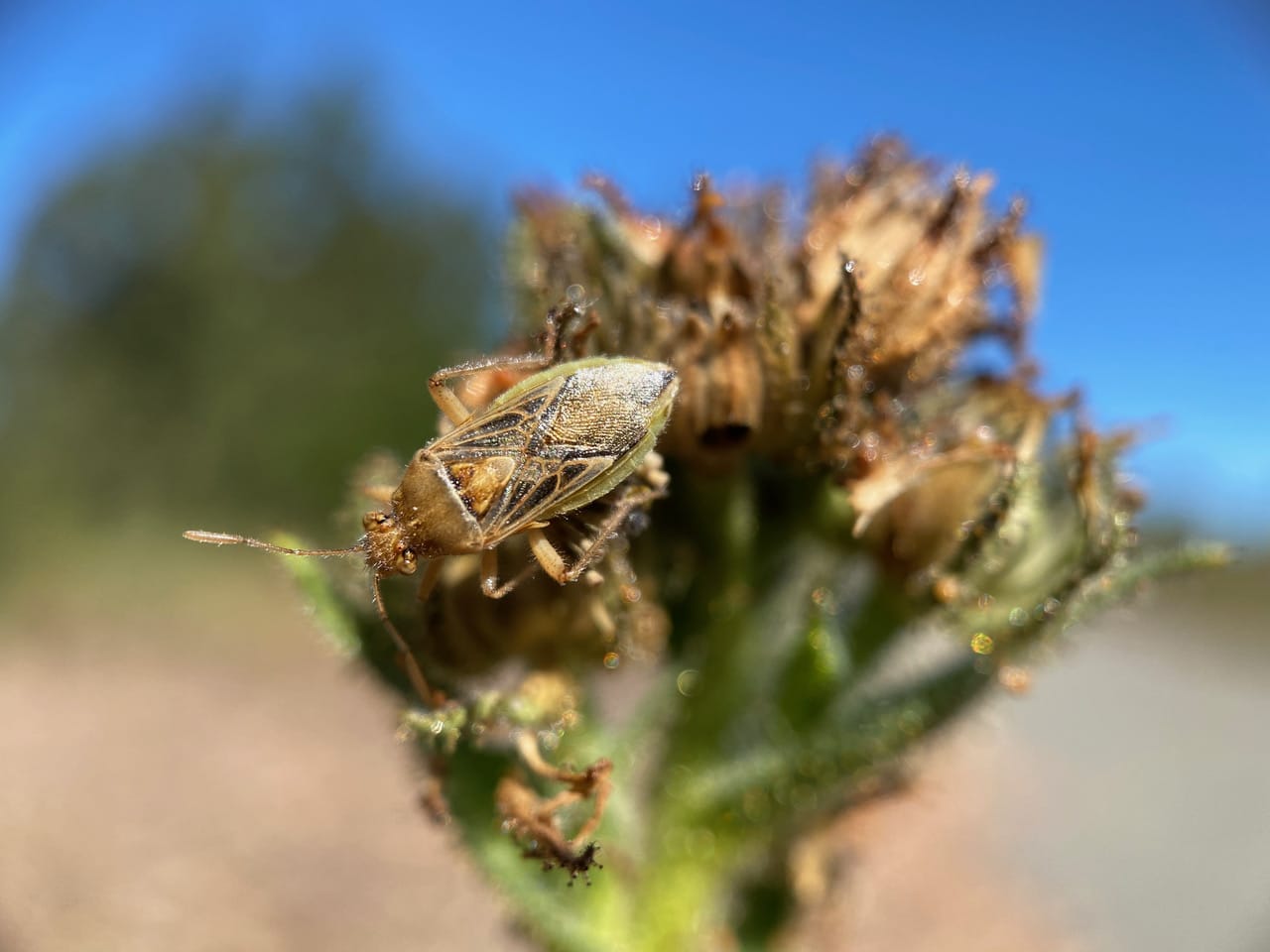
Although a fairly large insect, the Scentless Plant Bug, Arhyssus sp. (family Rhopalidae) is not easily seen on the seed heads of the Coast Tarweed against which it is perfectly camouflaged.
The Rhopalidae are distinguished by many veins on the membranous portion of the forewings. They differ from coreids and other hemipterans in lacking functional scent glands. All are plant-feeders, usually on ripe seeds.
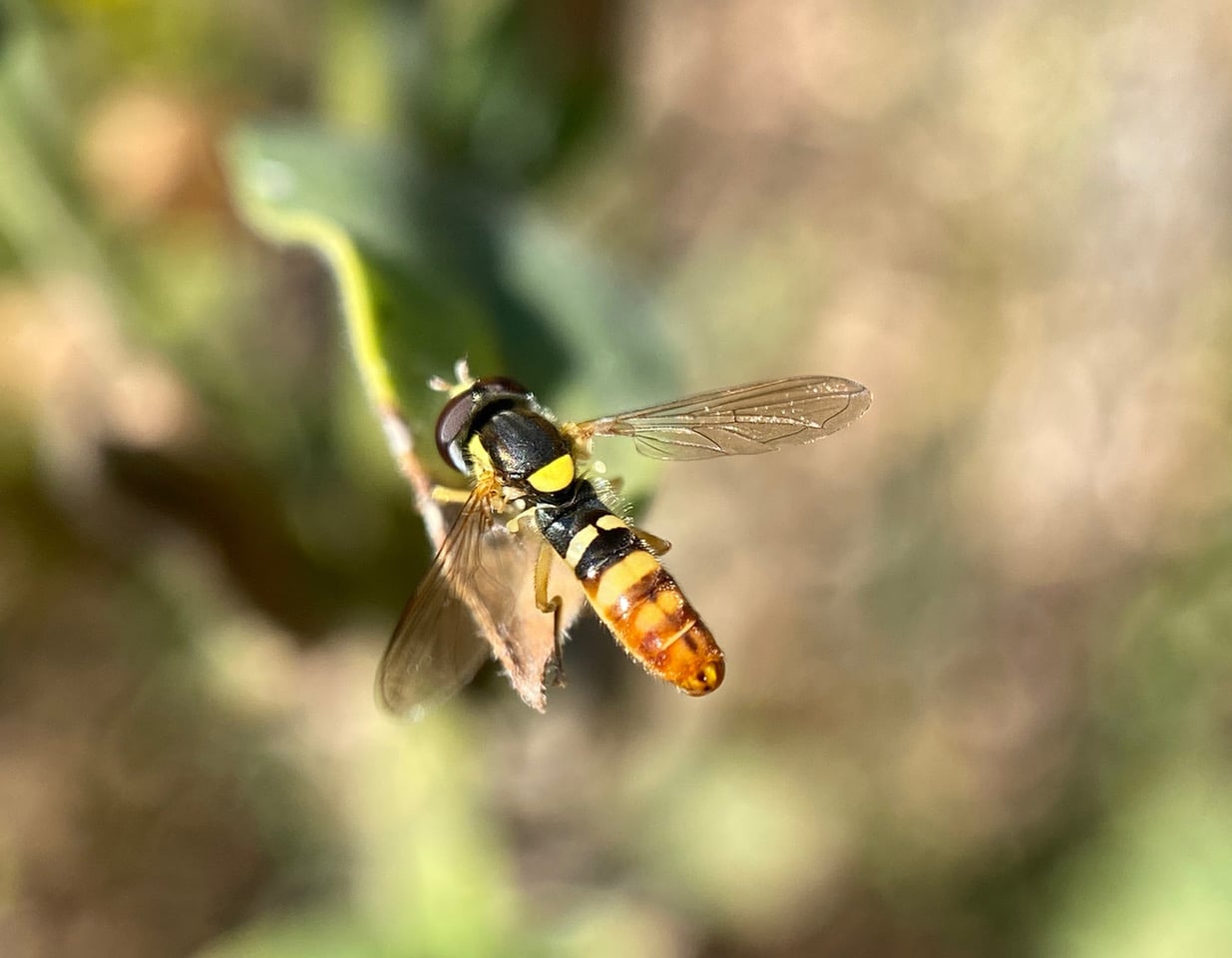
A male Forked Globetail, Sphaerophoria sulphuripes (family Syrphidae) lands on a leaf of Coast Tarweed. This species of hover fly exhibits marked sexual dimorphism – the males and females are morphologically distinct.
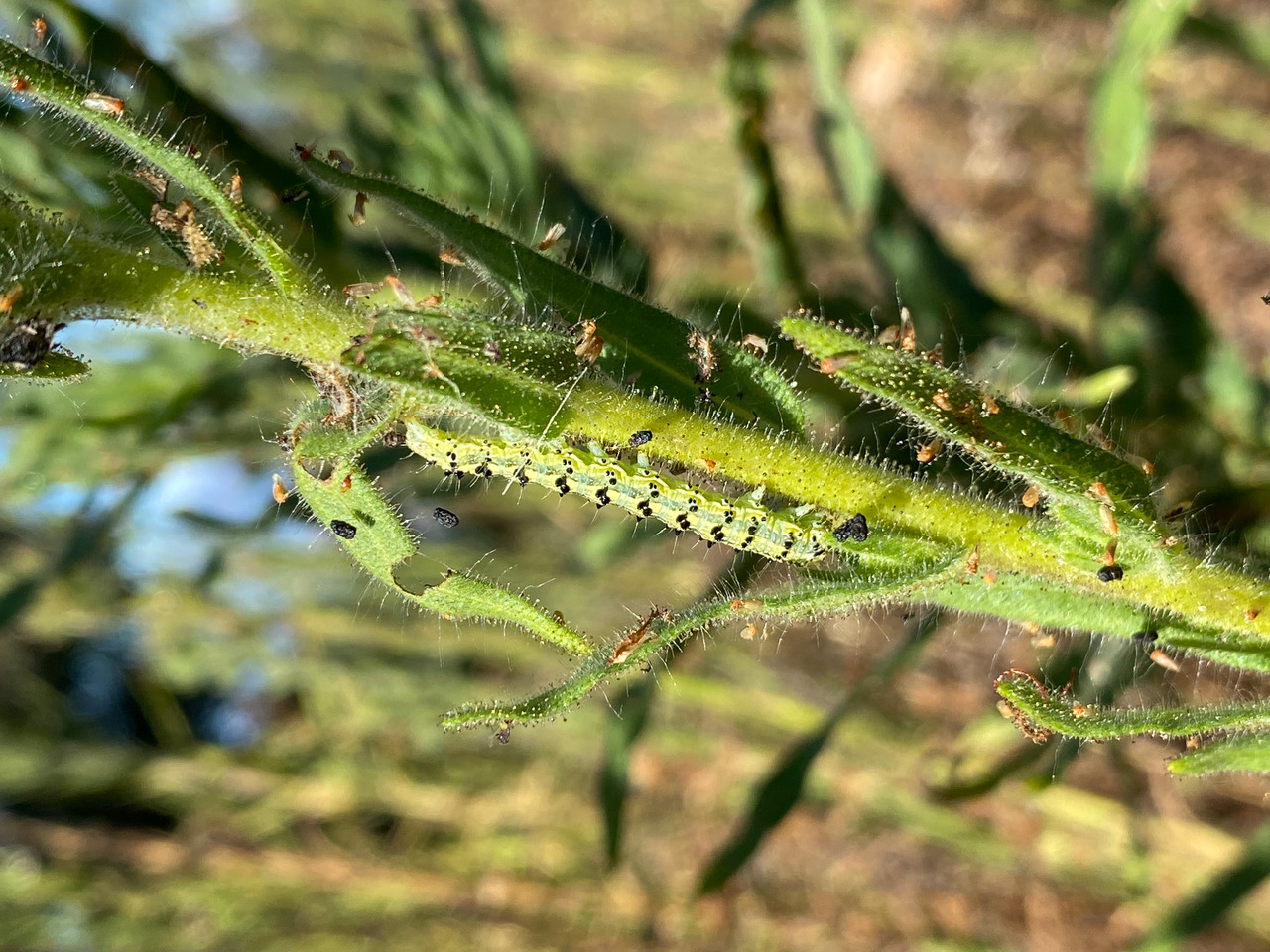
This caterpillar of the Straw Moth, Heliothis sp.(family Noctuidae) has demolished quite a few flowerheads on the tip of the Coast Tarweed.
Yet another Heliothis caterpillar on another Coast Tarweed.
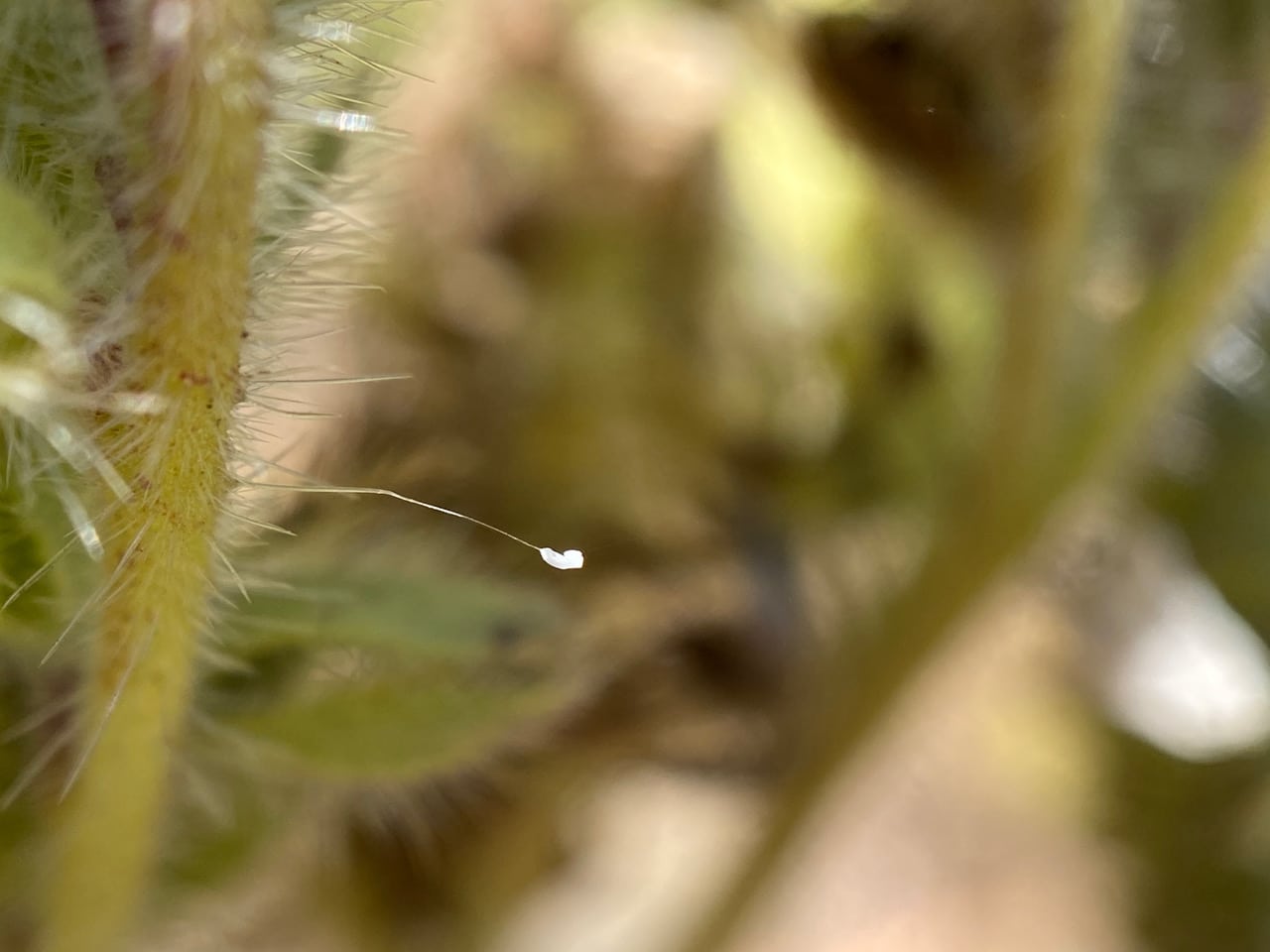
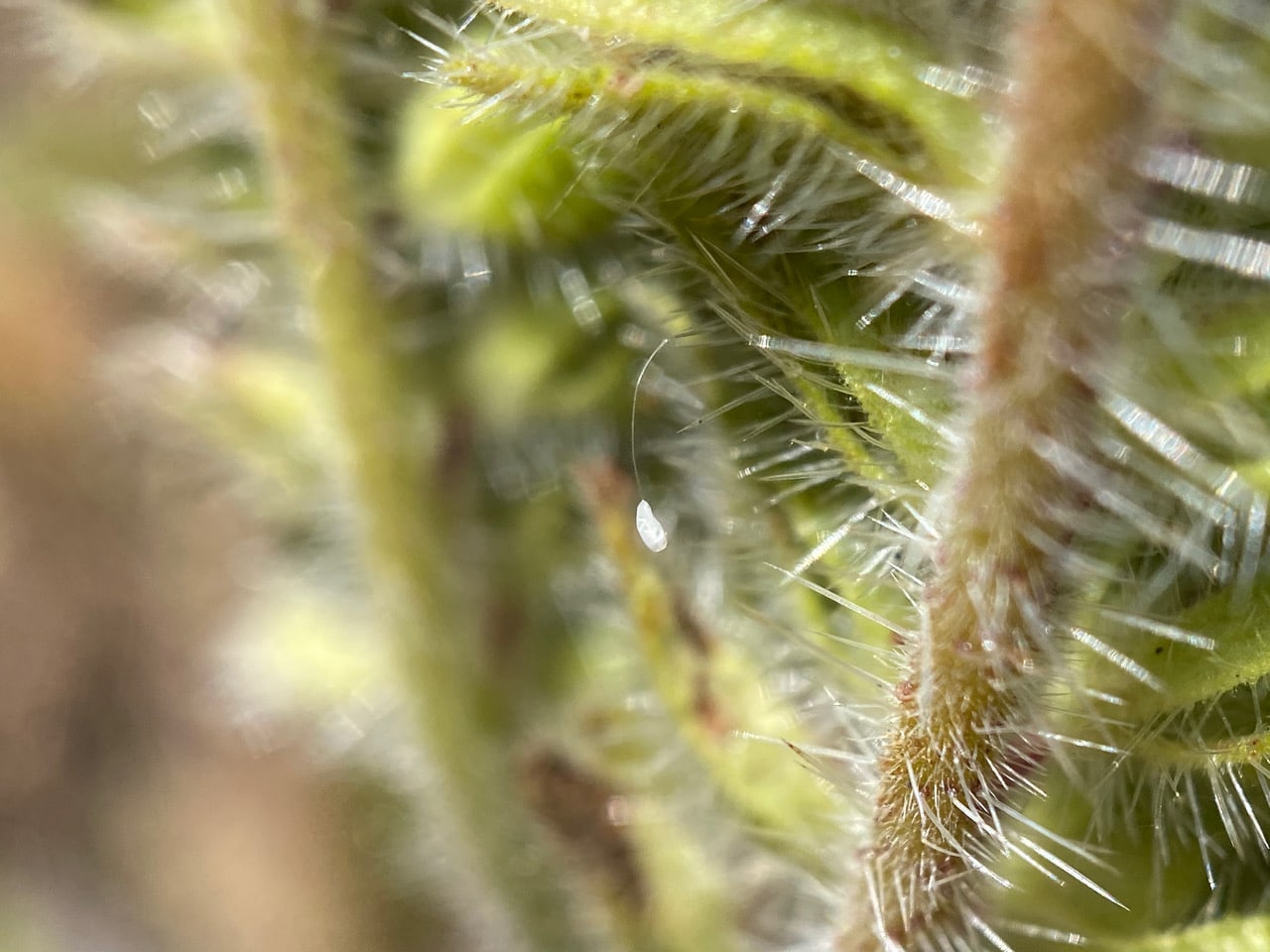
Not much has changed in the Lacewing egg I found yesterday on the California Phacelia inflorescence. Maybe this is a hatched egg?
This is the other one.
Hey, I find yet another Lacewing egg that I missed yesterday on the same Phacelia inflorescence. I think it is close to hatching. The fresh eggs are green, eventually turning white, with segments developing before hatching.
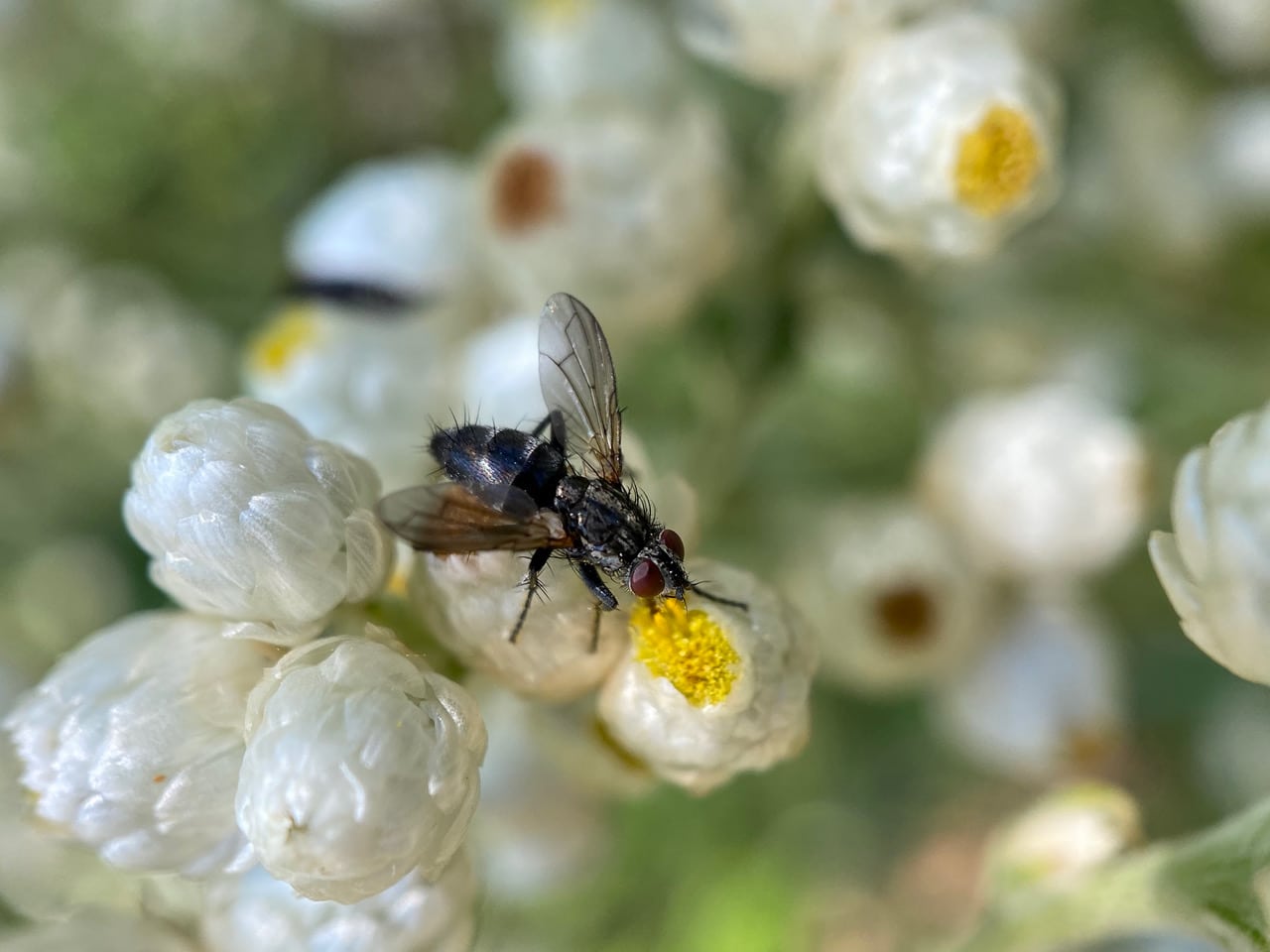
A Woodlouse Fly, Stevenia deceptoria (family Rhinophoridae) is feeding on a freshly opened flowerhead of Calfornia Everlasting.
Native to Europe, Stevenia deceptoria is now widespread in the US. The flies are parasitoids of terrestrial woodlice (roly polies) of the order Isopoda (Oniscoidea).

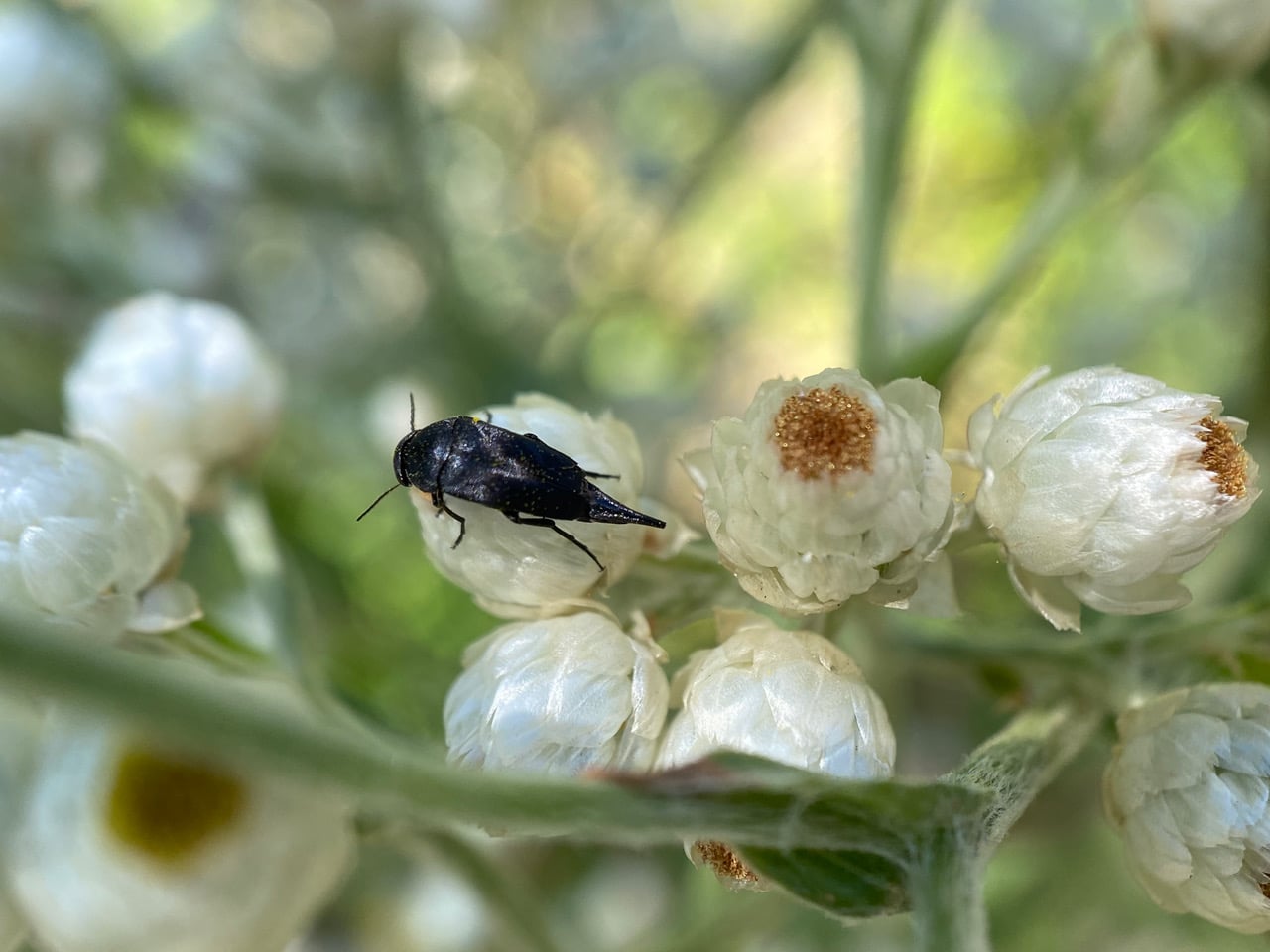
A Tumbling Flower Beetle (family Mordelidae) is feeding on the flowers of California Everlasting, Pseudognaphalium californicum.
The Tumbling Flower Beetles (family Mordellidae) are named for the characteristic irregular movements they make when escaping predators. They are also sometimes called Pintail Beetles for their abdominal tip which aids them in performing these tumbling movements. Mordellids are small, wedge-shaped, hump-backed beetles with head bent downward. The body is densely covered with fine silky hairs, usually black, but often very prettily spotted or banded with silvery hues. The adults feed on pollen, occurring on flowers or on dead trees, flying or running with rapidity. The larvae live in old wood or in the pith of plants, and those of some species are said to be carnivorous, feeding on the young of Lepidopterans and Diptera which they find in the plant stems.