

Pollinator Post 4/9/23 (2)
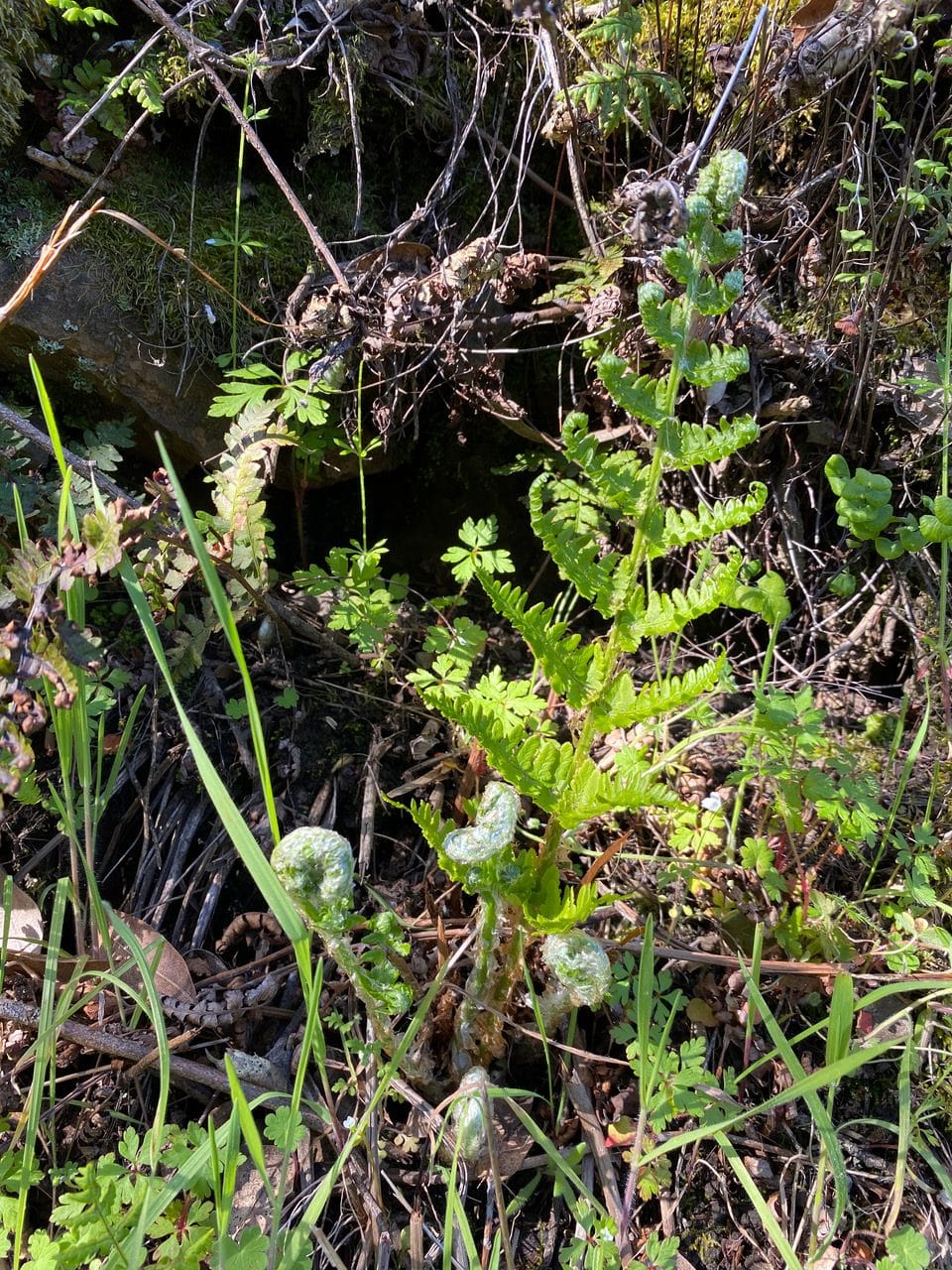

Along Skyline Trail, the wood ferns, Dryopteris arguta on the moist banks are unfurling their fronds.








The young fiddleheads of Wood Fern appear to be covered with a plastic wrap that breaks up in shreds as the fronds expand.
Almost free!
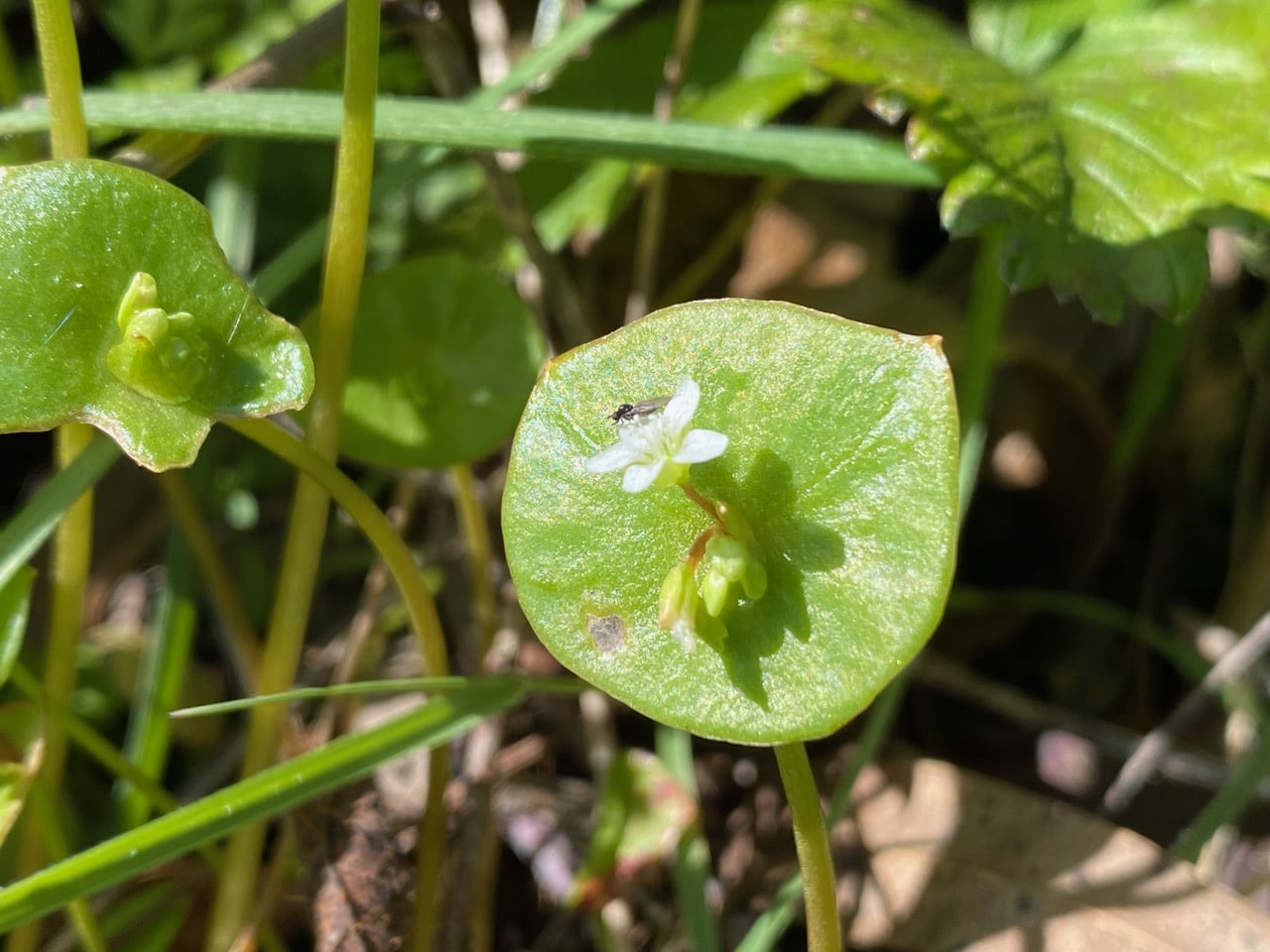
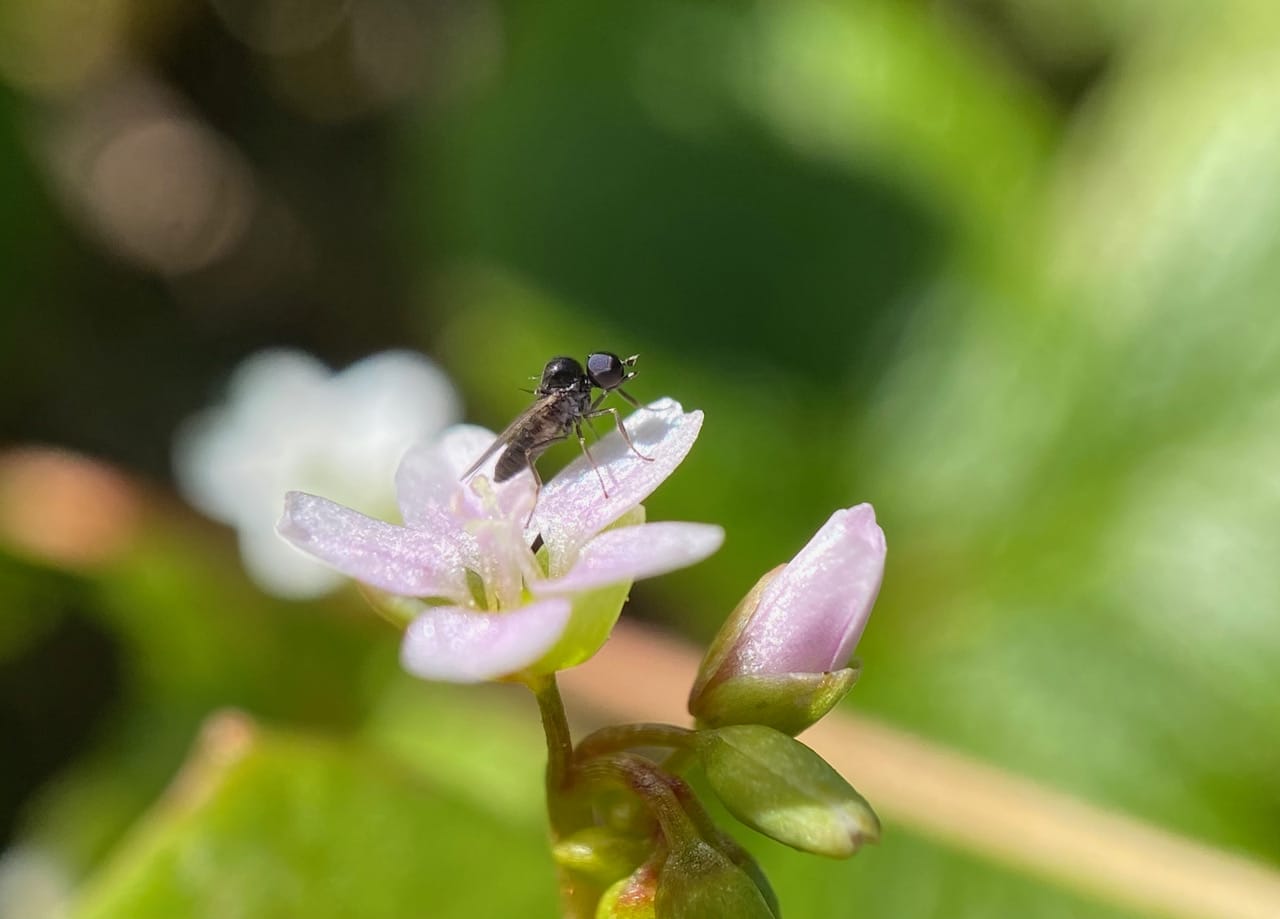
There’s a tiny insect on the Miner’s Lettuce flower, Claytonia perfoliata, no more than 3 mm in length. Time to put on the macro lens!
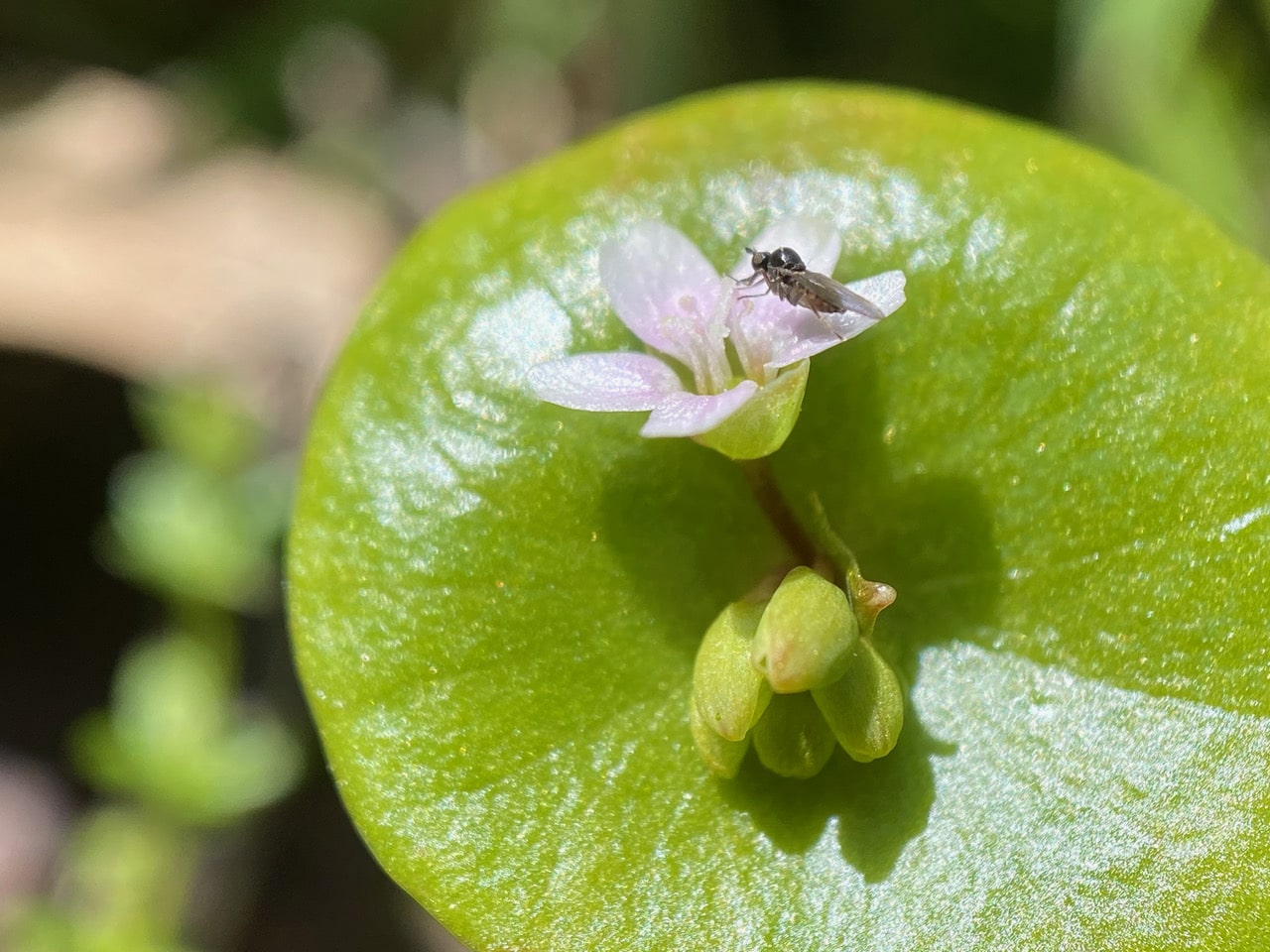
Wow, the insect is a seriously small fly with a distinct humped thorax. It seems to be feeding on the pollen of the flower.
On an adjacent Miner’s Lettuce, another similar fly is perched on a flower.
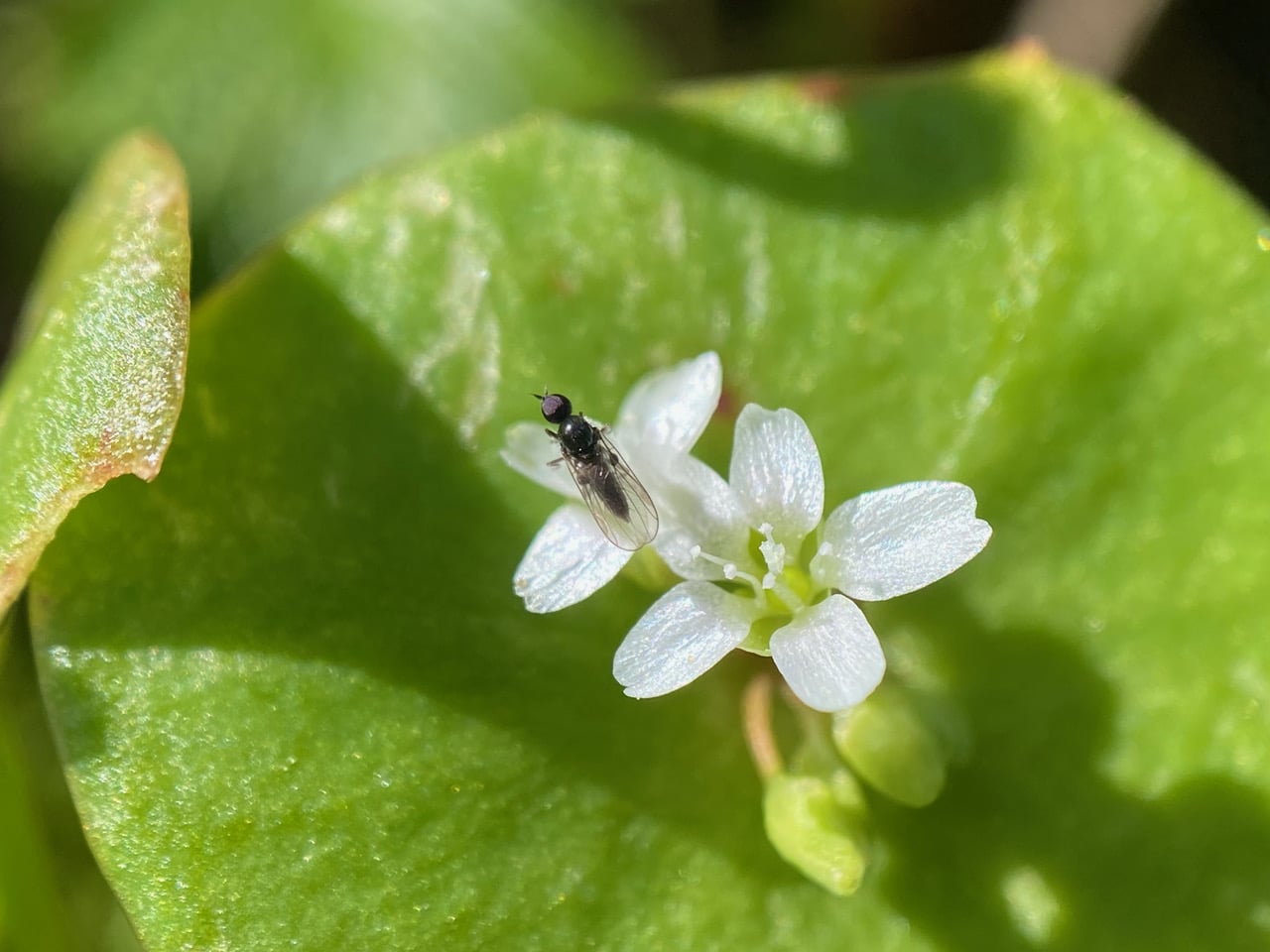
Yet another one! These hump-backed flies seem to feed on the pollen of Miner’s Lettuce.
I recall seeing these tiny flies on the flowers of Miner’s Lettuce, Wild Geranium (Erodium and Geranium), and Small Baby Blue Eyes (Nemophila heterophylla) last year. Their presence on the flowers of the California Saxifrage (Micranthes californica) is new to me today. These are all very small wildflowers. Are they pollinated by this tiny fly with an appetite for pollen? The flies appear to be members of the Micro Bee Fly (family Mythicomyiidae).
Mythicomyiidae are very tiny flies (0.5 – 5.0 mm) found throughout most parts of the world. Because of their extreme small size, the flies are not well known or studied, and their taxonomy is still in a state of flux. They are currently treated as close relatives of Bombyliidae or Bee Flies. The Mythicomyiids have a humpbacked thorax and lack the dense hairs common in the Bombyliidae. Besides the anatomical differences, the Mythicomyiids hold their wings together over the abdomen at rest (held at an angle in Bombyliidae). The larvae of many Mythicomyiids are known as gregarious parasites of solitary bees.
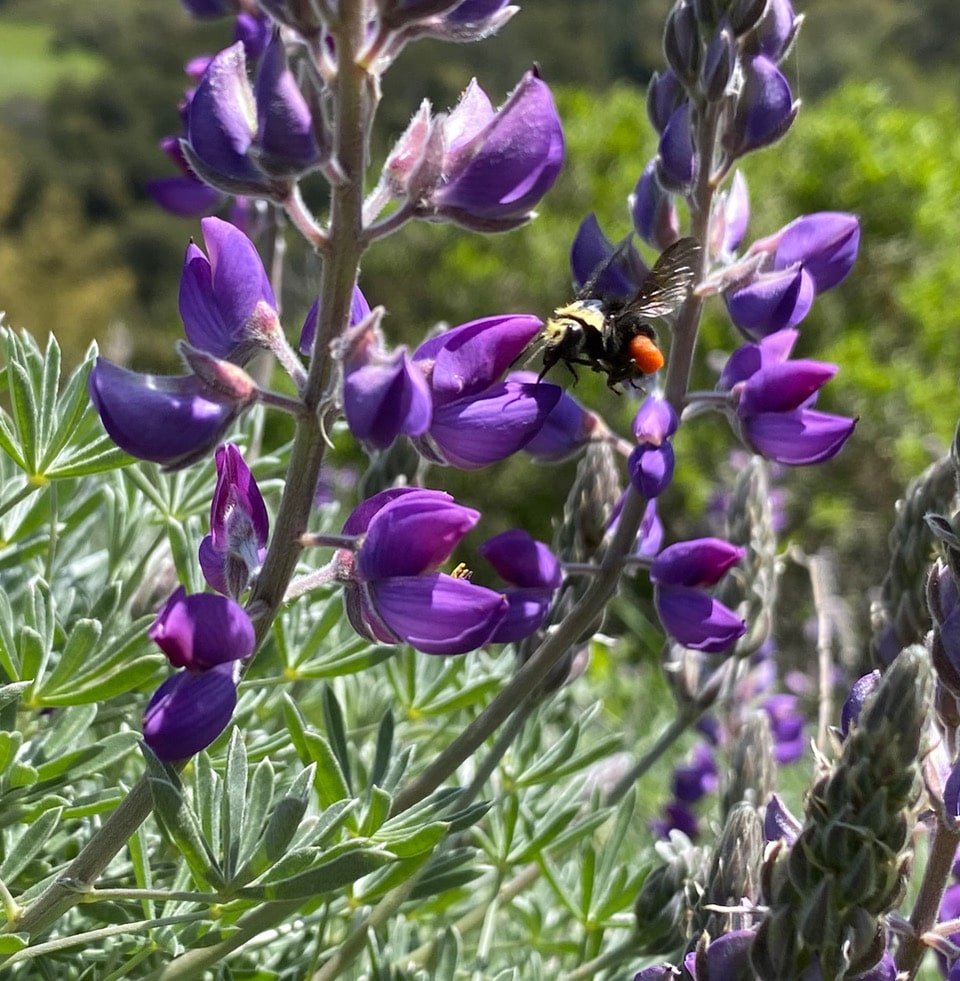
A Yellow-faced Bumble Bee, Bombus vosnesenskii flies around tirelessly to forage on the Silverleaf Lupine flowers. She’s already carrying a huge load of pollen in her pollen baskets. Remarkably bees are able to fly while carrying up to a third of their body weight in pollen.
Yellow-faced Bumble Bee forages on Silverleaf Lupine – YouTube
The pollen collecting apparatus in Apidae bees, which include honey bees and bumble bees, is commonly called a “pollen basket” or corbicula. This region is located on the tibia of the hind legs and consists of hairs surrounding a concave region. After the bee visits a flower, she begins to groom herself and brushes the pollen down toward her hind legs and packs the pollen into her pollen basket. A little nectar mixed with the pollen keeps it all together like putty, and the stiff hairs surrounding the pollen basket hold it in place.
.jpg)
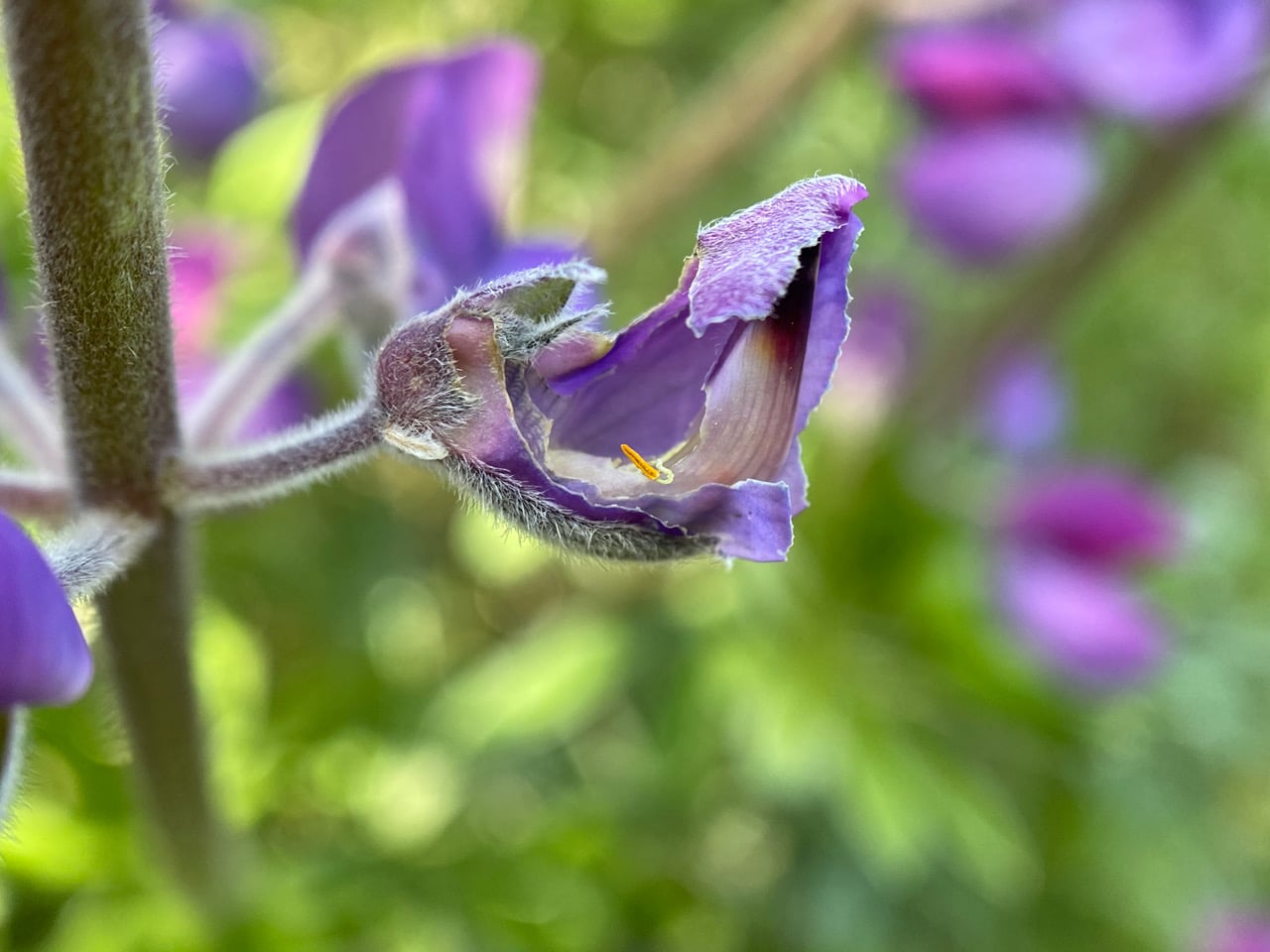
This lupine flower was probably “tripped” by a large queen bumble bee. All the reproductive organs have been extruded through the exposed keel of the flower.
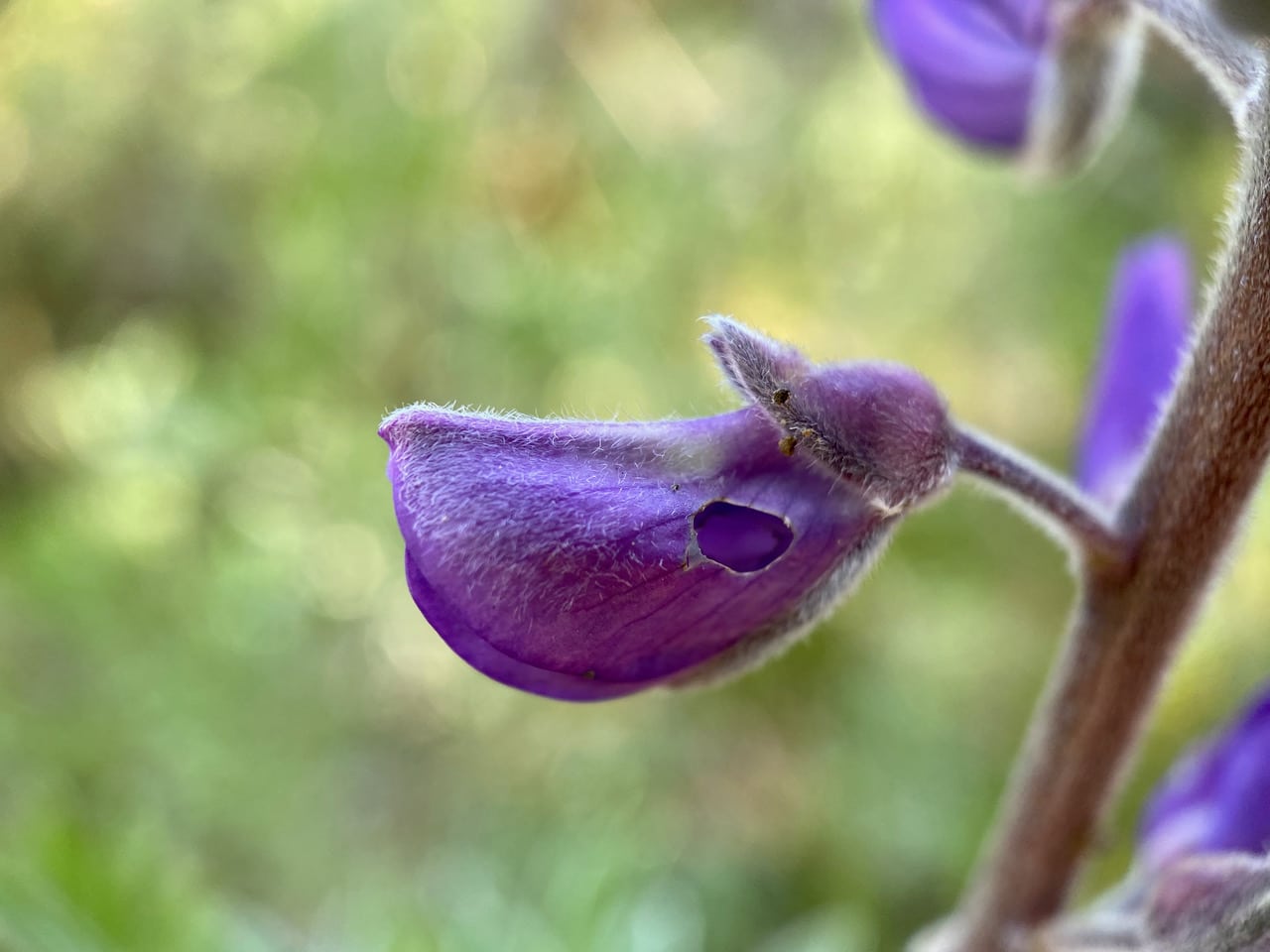
I begin to see damages on the lupine flowers, especially the unopened buds. Someone has chewed through the banner petal of this flower bud.
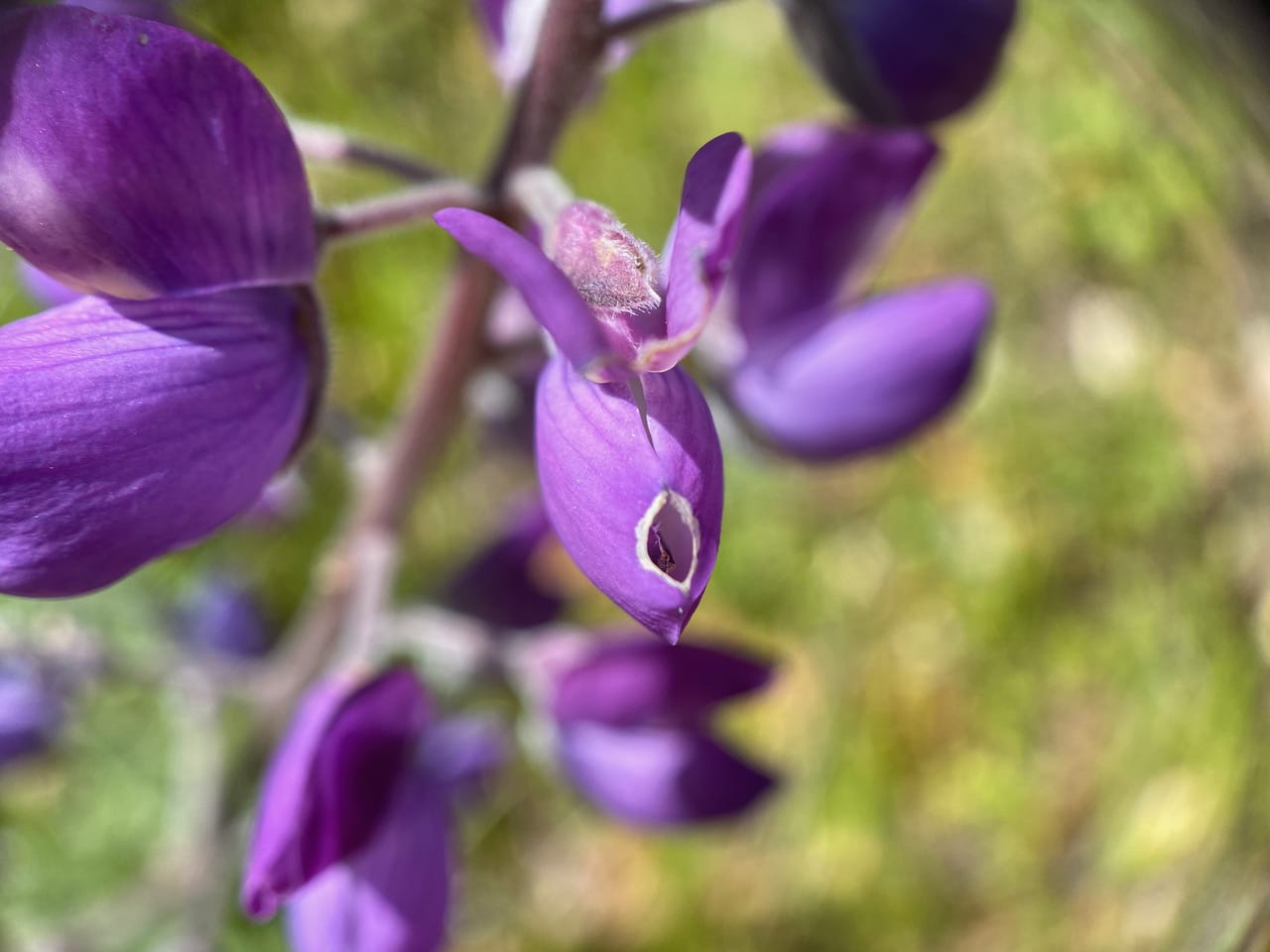
But most of the damage seems to come from the front.
Wow, this frontal attack went deep. Perhaps the perpetrator was after the nectar at the base of the flower, and not the pollen?
This assault seems to have come from the top. The perpetrator has chewed through all the petals, including part of the keel and cleaned out the reproductive parts, leaving only a single anther! I wonder which insect(s) are responsible for these damages? No doubt someone with chewing mouthparts – a serious pair of mandibles. Ants? Beetles? Grass hoppers/crickets?
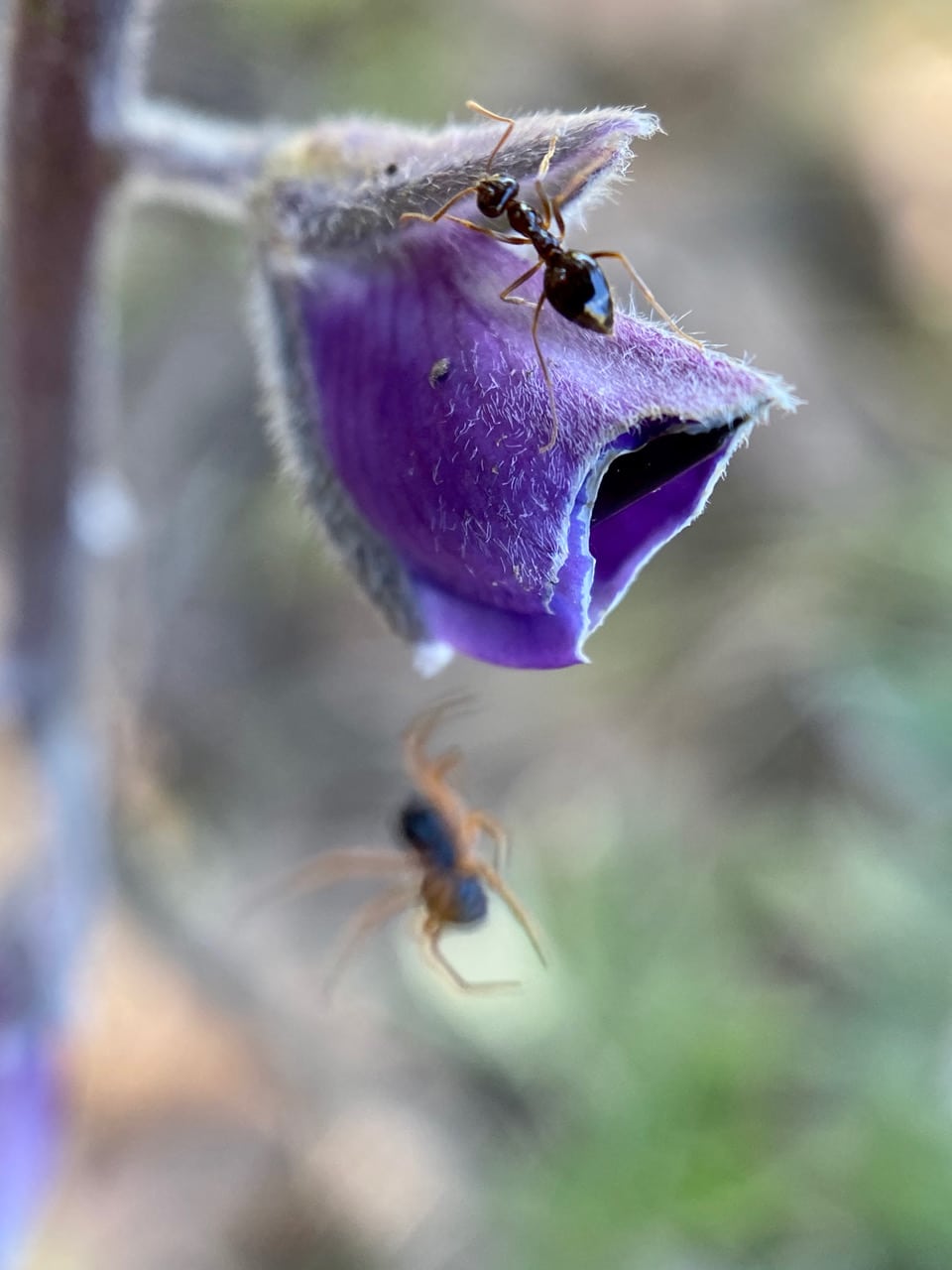
I watch as a Winter Ant, Prenolepis imparis exits a chewed lupine flower. Is the ant responsible for the damage, or is it just an opportunistic scavenger taking advantage of an already breached flower. Suddenly there is a swift movement from below the flower. A small spider is trying to nab the ant, but misses!
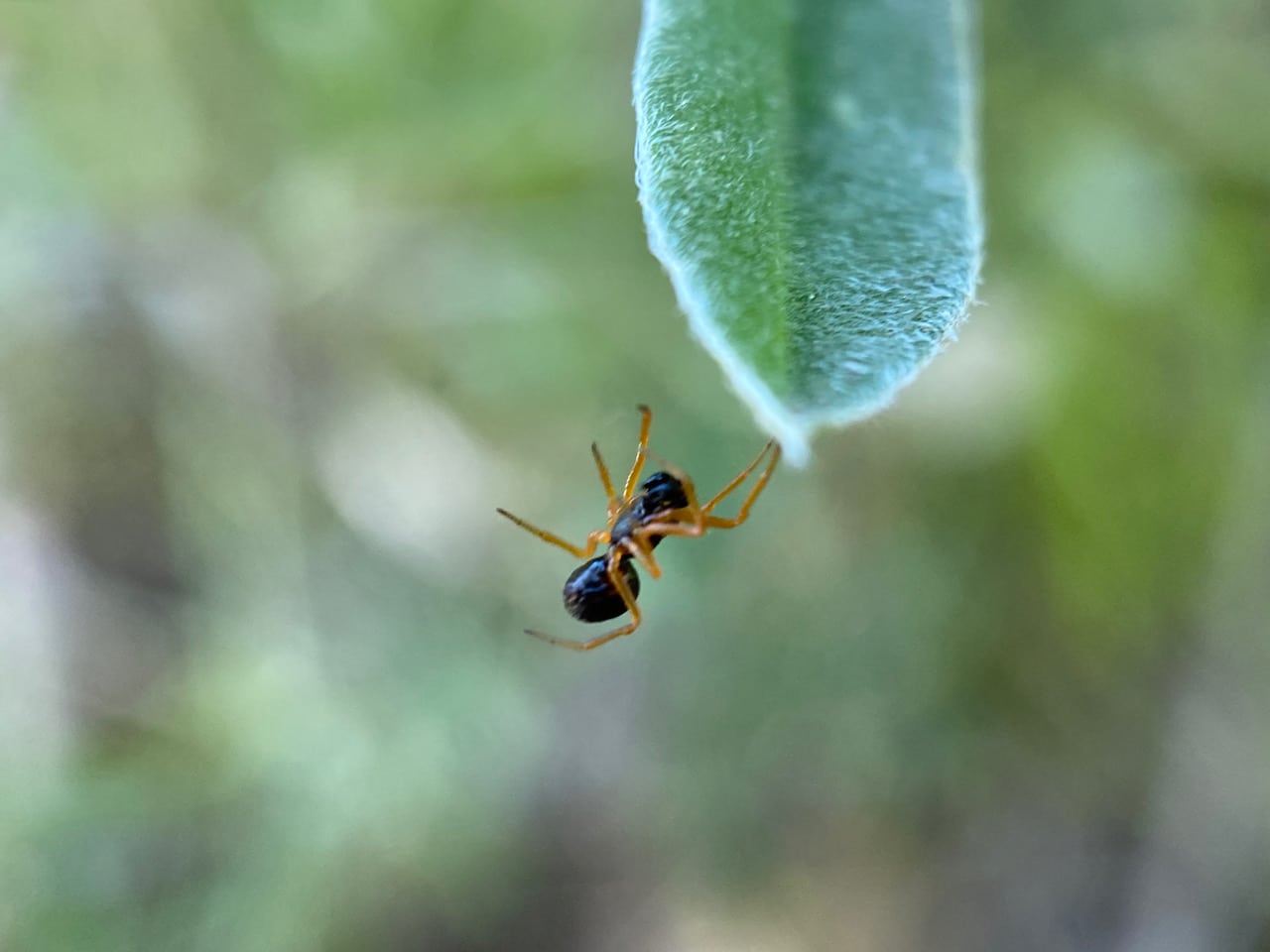
The unsuccessful predator swiftly glides away on an invisible silk line. It’s a black spider with yellow legs. About 12 inches away, it safely lands on a lupine leaf. Whew, that was an exciting predation attempt! Amazingly, the spider’s escape route/safety line was already in place before the attempt.
The Common Vetch, Vicia sativa is not even blooming yet, but ants are crawling all over the plant. What is going on?
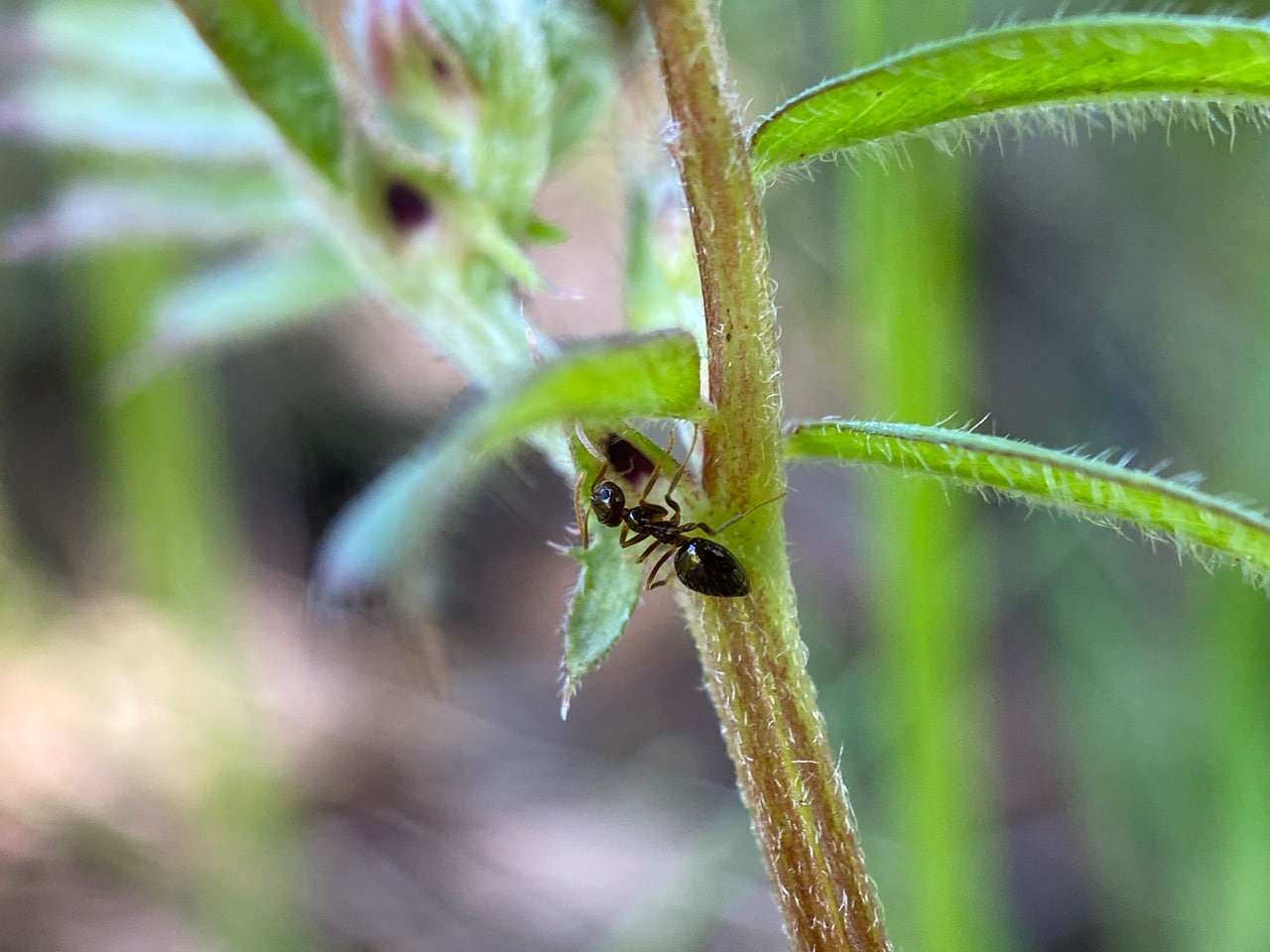
Most of the ants on the plant are gathered around the stipules at the leaf axils. A dark red spot on the underside of each stipule
marks the extra-floral nectary that secretes a sweet nectar that the ants lap up eagerly. The plant repays the ants for keeping away all other herbivores that might otherwise harm the plant. We have seen a similar mutualistic relationship in the Bracken Fern.
A Winter Ant, Prenolepis imparis is feeding on nectar from the extra-floral nectary on the underside of a stipule.
Here’s another happy ant that has found a nectar-secreting stipule on the Common Vetch, Vicia sativa.