

Pollinator Post 2/20/24 (2)

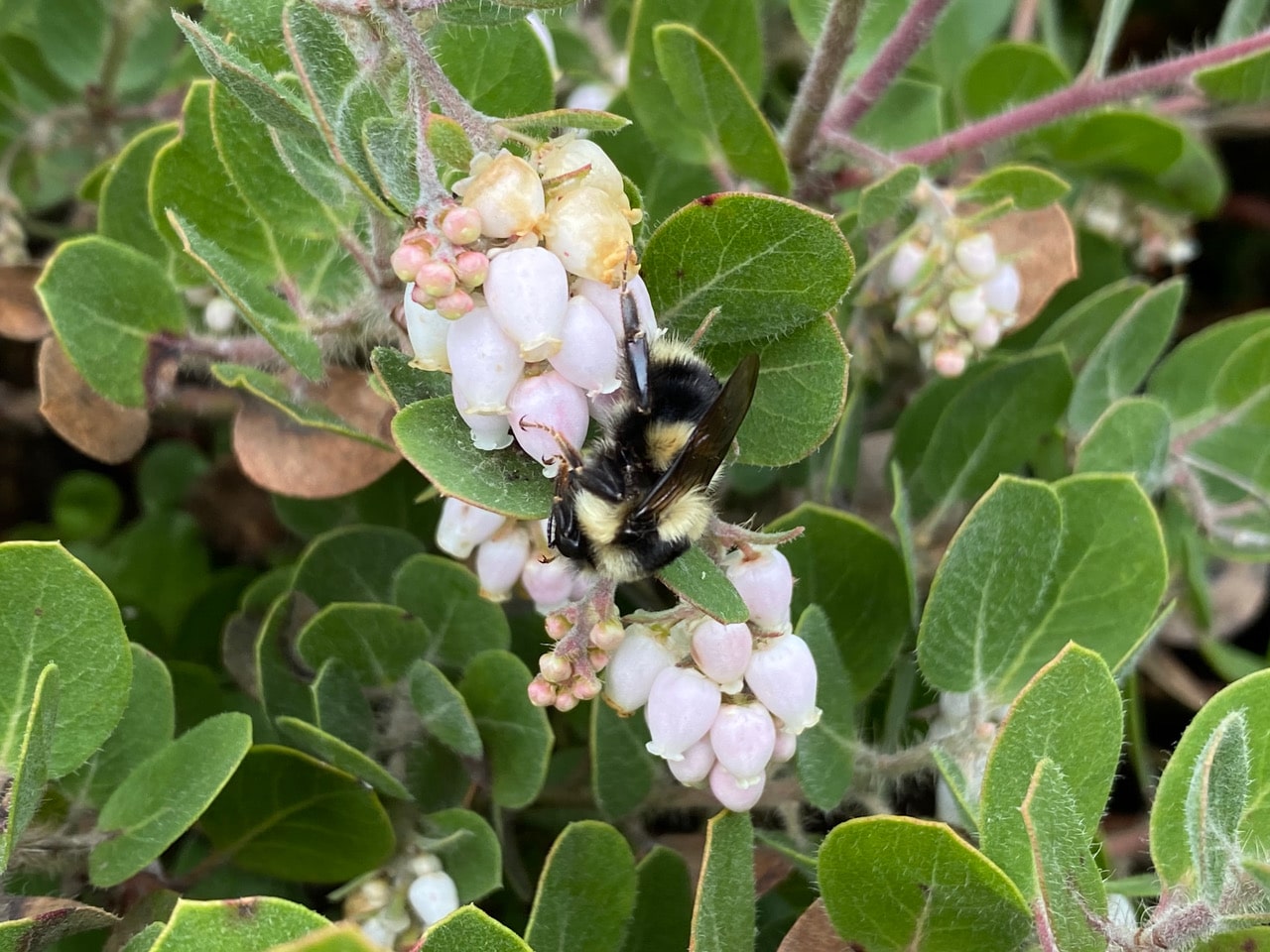
A large queen Black-tailed Bumble Bee, Bombus melanopygus (family Apidae) is draped motionless over a cluster Manzanita flowers. Is she alright?





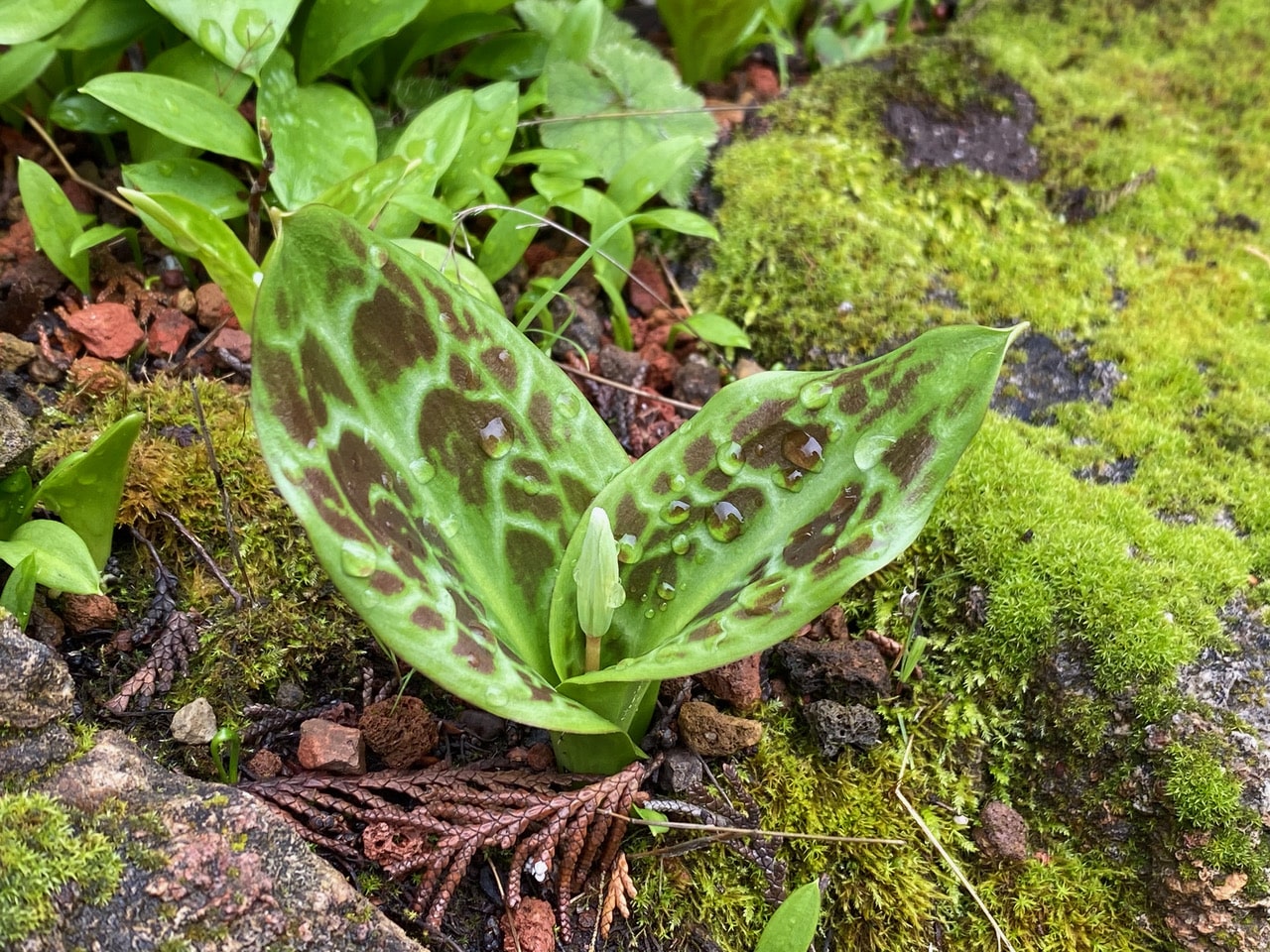 The beautiful leaves of Fawn Lily, Erythroniium sp. have emerged from the ground in profusion. Some already bear little flower buds in the midst of the leaves.


As I watch, the queen bee stirs and slowly maneuvers herself around to take nectar from the flowers. Her movements are sluggish and labored. Is she fresh out of hibernation, or exhausted from foraging for herself and her brood?
Eventually she slumps back to rest on the flowers. Maybe she’s hoping to catch some sun? Every year in early spring I observe this behavior in the queen bees, and can only hope that it is normal for them. Having to deal with unpredictable weather and scarcity of floral resources this time of year, it is a monumental challenge for each queen to establish a new colony on her own.
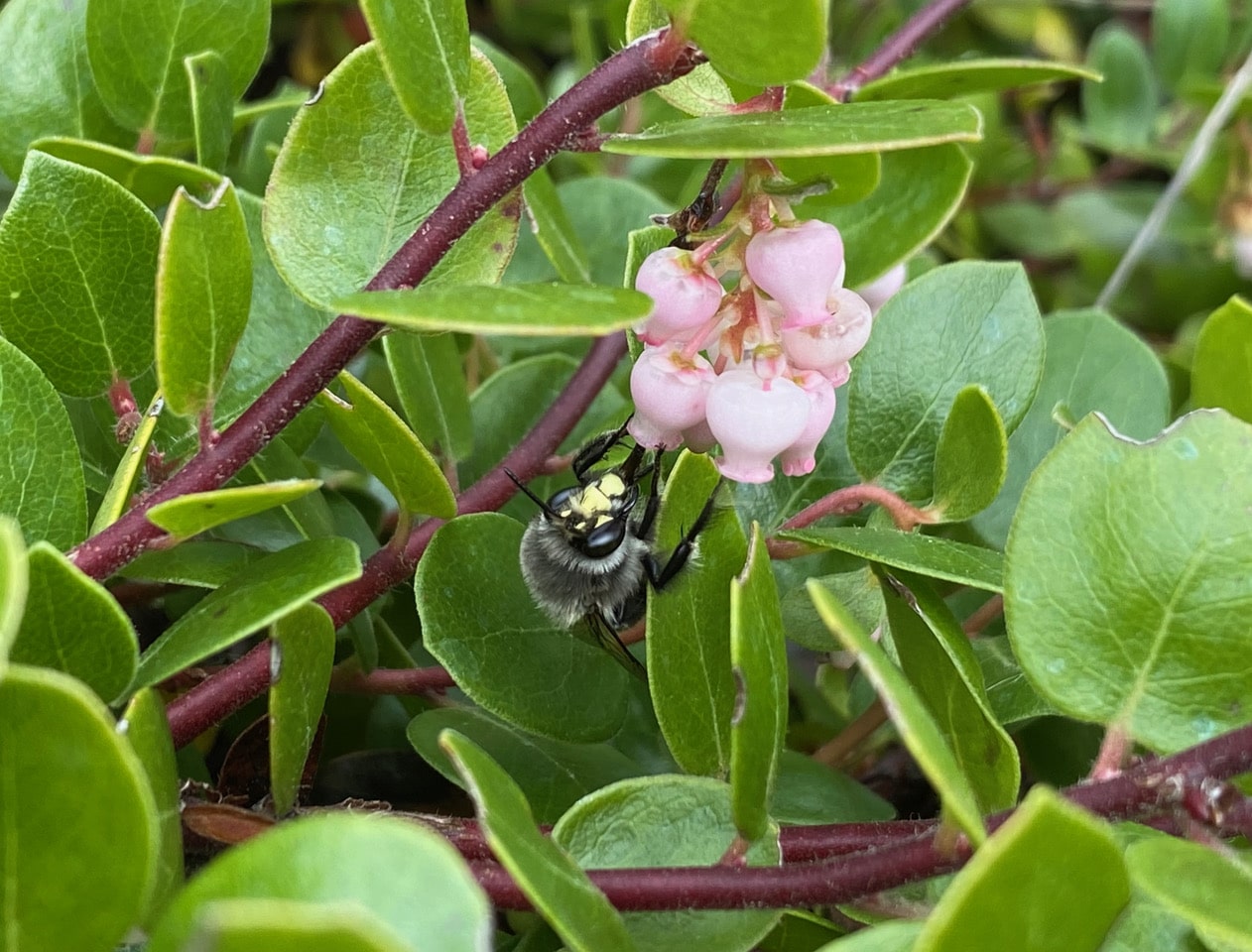
A feisty Digger Bee zips in for a quick drink of nectar.
Looks like a male, with yellow markings on its face.
A bee expert on iNaturalist has helped to identify the bee as a Mountain-digger Digger Bee, Habropoda sp.
On another Manzanita, a feisty male Digger Bee zips around, landing occasionally to sip nectar from the hanging flowers. For a lucky moment I manage to get a clear view of the bee with its tongue in a flower. A male Digger Bee visits Manzanita flowers for nectar – YouTube
The same bee expert on iNaturalist has helped identify it as a Common Digger Bee, Anthophora sp. (family Apidae). I am at a loss as to how to distinguish the two genera of Digger Bees, Anthophora and Habropoda. They are both active in early spring.
This Pink-flowering Currant, Ribes sanguineum has fared remarkably well through the rain storms. The flowers look fresh, not the worst for wear. Like the Manzanita flowers, it is well adapted for the rainy winter/early spring. Pendant inflorescences (hanging upside-down) seems to be a good botanical strategy for shedding rain.
A close-up of the Pink-flowering Currant flower. The overall pink parts of the flower are actually the sepals that have fused into a tube with flaring tips. The white petals stand erect, surrounding the reproductive structures within. Rain can be easily diverted by the flaring sepals and downward oriented petals, sparing the stamens and pistil within. Note that there’s already some pollen deposited on the green stigma that protrudes from center of the corolla. A hummingbird or a bee might have transferred the pollen from a previously visited flower while probing for nectar at the base of this flower. As there’s no place to perch, the flowers are well adapted for pollination by hummingbirds. I have also seen large Bee Flies (family Bombiliidae) hover below the flowers while sticking their long proboscis into the corolla.
Verdant mosses cover the rock walls flanking the path to the foot bridge over the running creek.
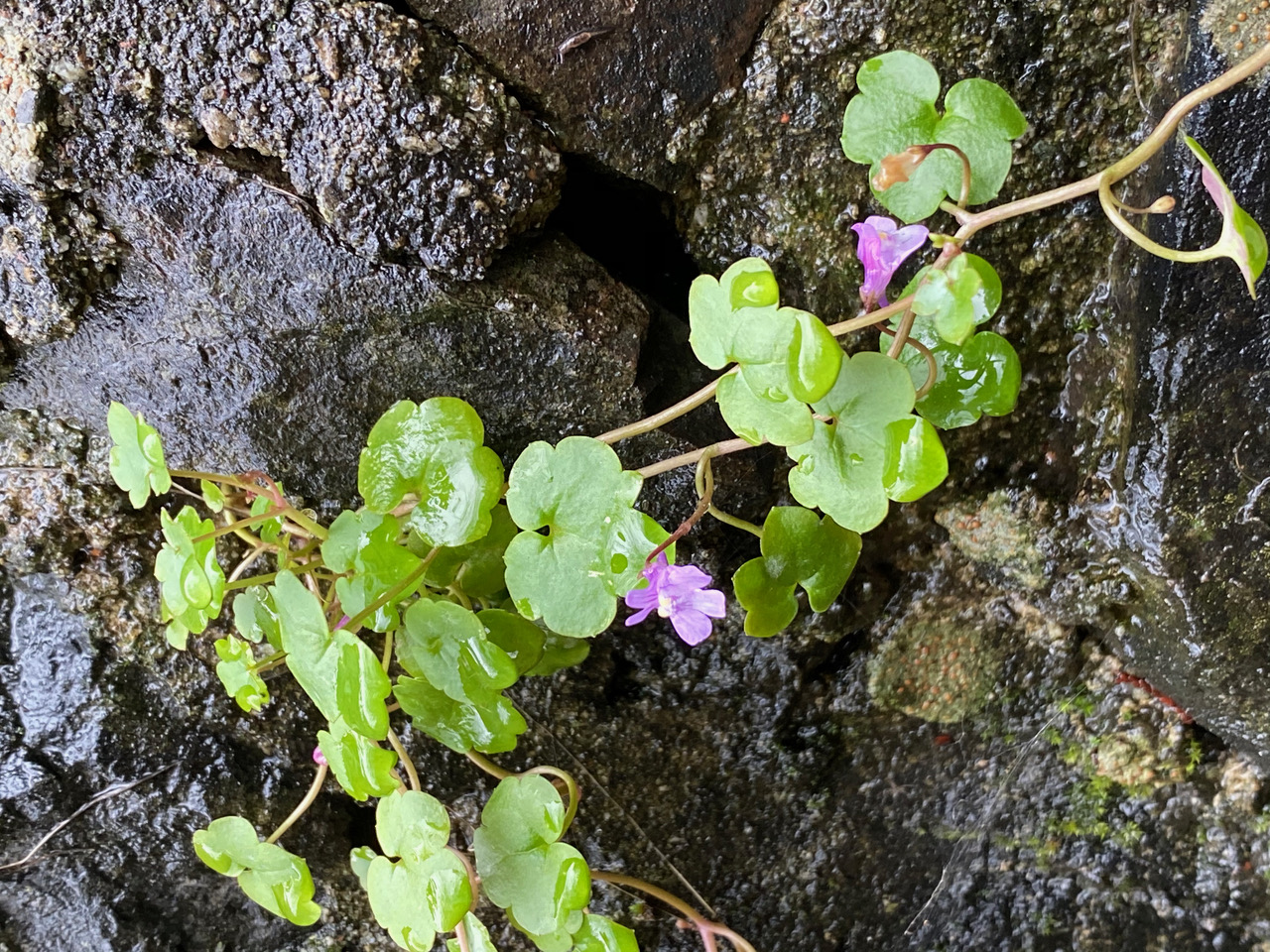
An Ivy-leaved Toadflax, Cymbalaria muralis trailing on the wet rock wall is in bloom with little violet flowers. Native to Europe and Asia, it has escaped gardens and naturalized in many parts of North America.
The plant belongs to the family Plantaginaceae, with snap-dragon like flowers. It’s interesting that the cushion-shaped parts of the lower lip have yellow spots – attractive to insects. There are dark lines radiating from the base of the upper lip, acting as nectar guides for pollinators. There is a short nectar spur at the rear of the flower. The flowers are pollinated by long-tongued bees, but are also self-compatible. When a bee lands on the lower lip of the flower, the pressure separates the lower from the upper lip like opening a mouth. The bee can then access the nectar in the middle of the flower while its back is dabbed with pollen from the stamens.
The beautiful leaves of Fawn Lily, Erythroniium sp. have emerged from the ground in profusion. Some already bear little flower buds in the midst of the leaves. The Wild Ginger seems to be doing poorly in the garden. Many leaves, yellowed and brown, have died back without replacements. I wonder what is afflicting the plants. I search hard for a flower, but can find only one.
The plant Asarum caudatum (family Aristolochiadeae) is native to rich moist forests of western North America. It is an evergreen perennial herb from rhizomes with freely rooting, trailing stems. Its heart-shaped leaves emit a ginger aroma when rubbed. The three-lobed purplish flower sits at the end of a 6-inch leafstalk, often on the ground, hidden by the leaves.
The solitary brownish-purple flower of the Wild Ginger is hirsute (hairy) and cup-shaped, formed by fused sepals that terminate in three long, curved lobes. There are no petals. 12 stamens surround a prominent stigma. The flower is protogynous, the female parts maturing before the male parts. As soon as the flower opens, the stigma is receptive but the pollen is not initially located nearby because the stamen filaments are bent outwards parallel with the base of the floral cup. Over time, the filaments straighten, bringing the pollen-bearing anthers into proximity of the stigma. The flower emits a faint musty odor that attracts Fungus Gnats (family Mycetophilidae). It is believed that Asarum mimics the fruiting bodies of fungi and are pollinated by flies whose larvae feed on mushrooms. The flies lay eggs in the flowers and are responsible of pollinating them, in a phenomenon known as brood-site or nursery pollination.
Both the Wild Ginger and the California Pipevine belong to the family Aristolochiaceae. The floral structures are essentially the same, with a more deeply fused calyx in the case of the pipevine, forming a pipe-shape. If you take a sniff of the flowers, you’d find that they also emit very similar scents. It’s no wonder that both species are attractive to Fungus Gnats and are pollinated by them.