

Pollinator Post 2/18/25 (2)
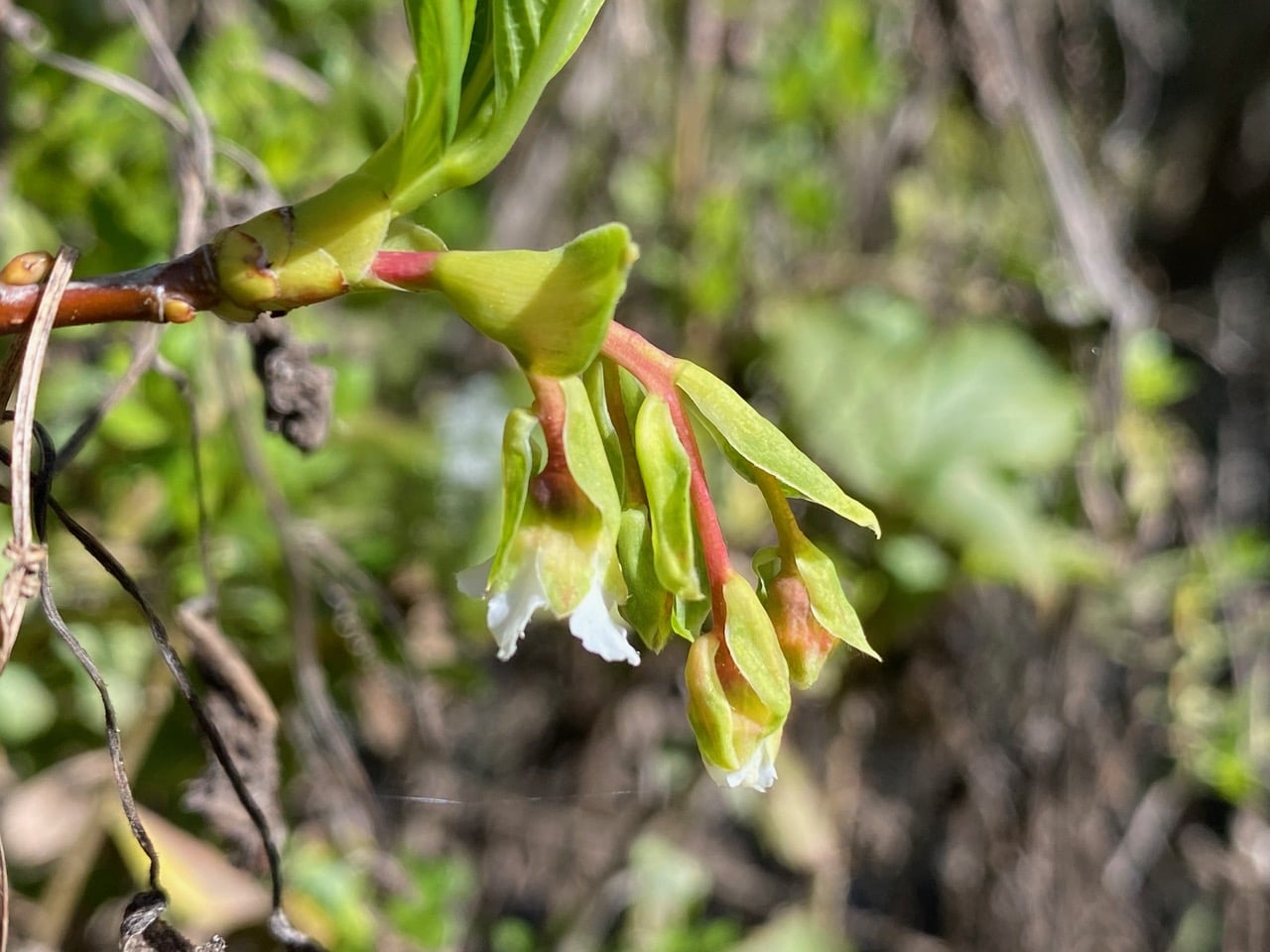
An Osoberry, Oemleria cerasiformis by the trail is starting to bloom! The plant is easily recognizable by the small white flowers that hang in droopy clusters from the tips of the stems.
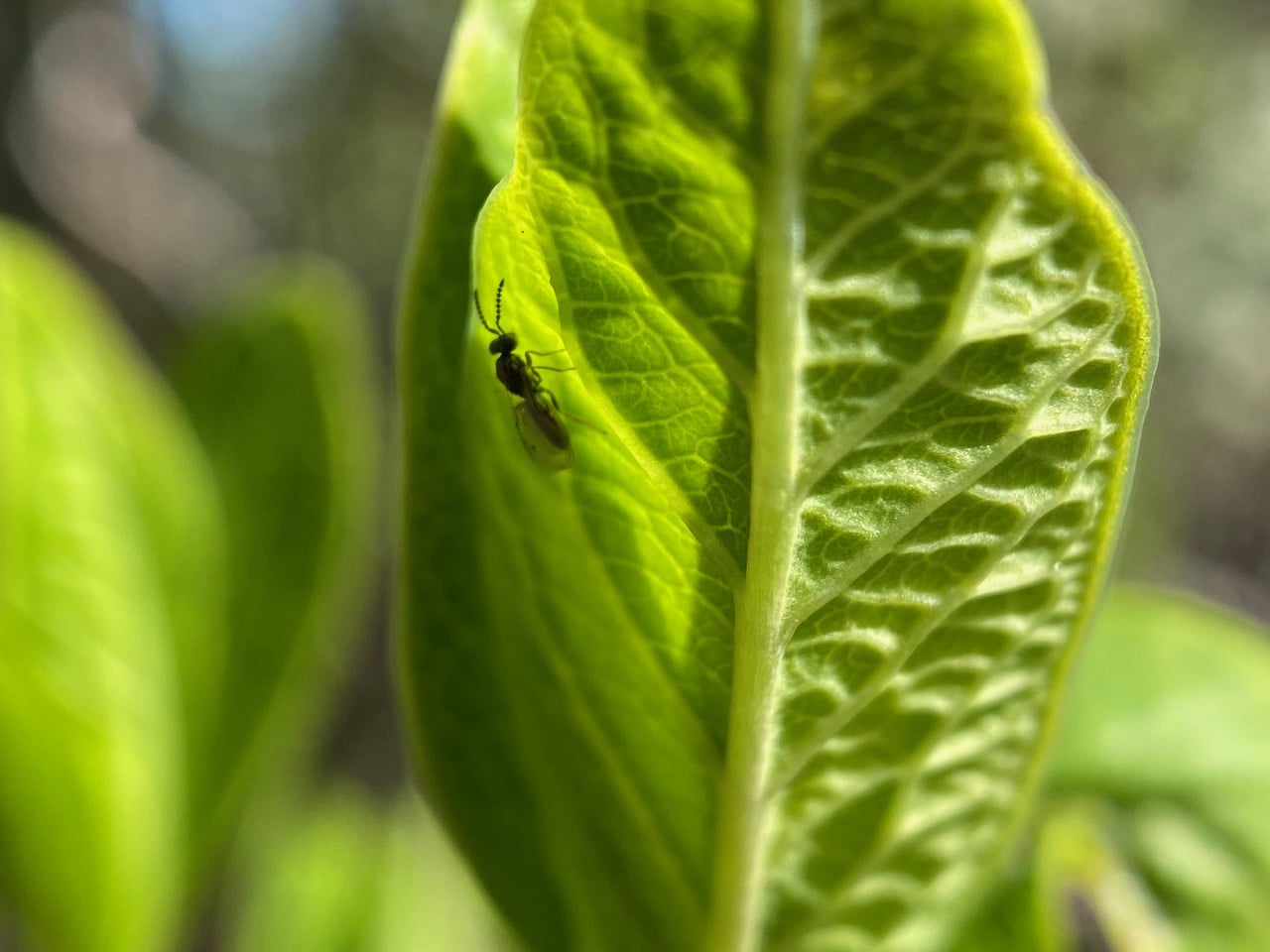
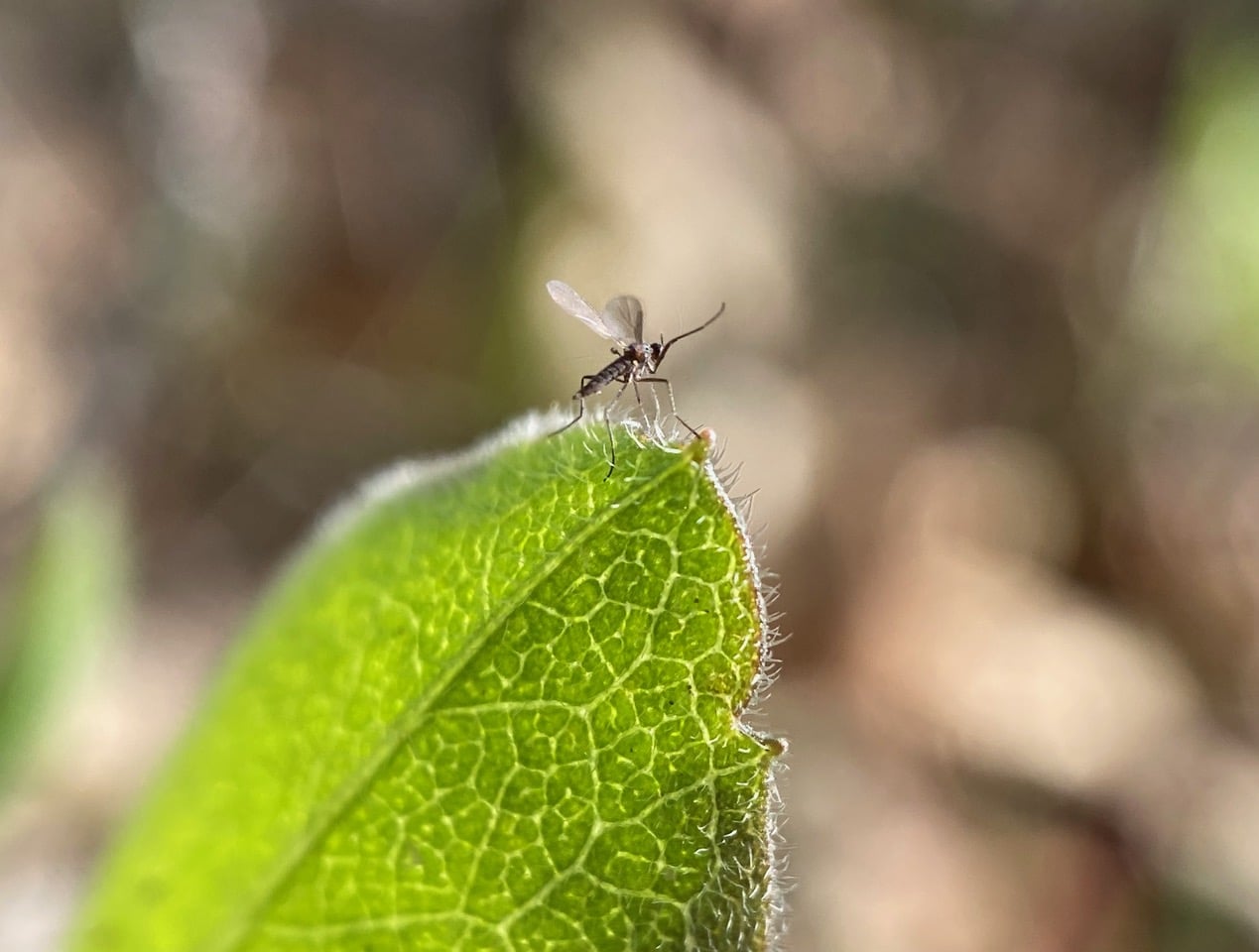
About half a dozen tiny insects are dancing around the Osoberry. One finally lands on the back of a leaf. Surprise – it is not a midge after all, but a wasp! It appears to be a Chalcid Wasp, Torymus sp. (family Torymidae).
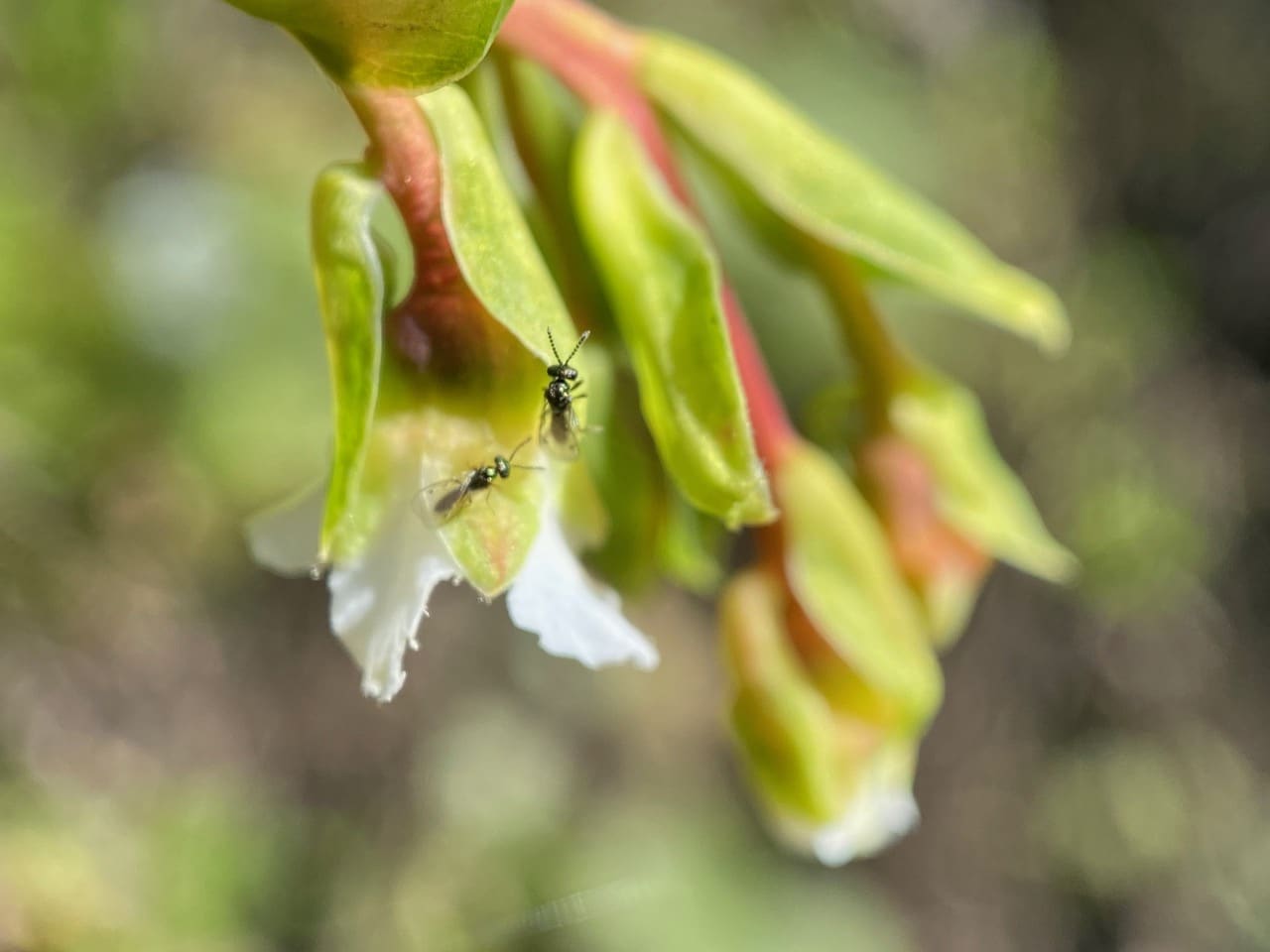
A couple of the wasps land on the Osoberry flower. Are they attracted by the scent? It has been claimed that female osoberry flowers have a pleasant, watermelon-like scent while the male flowers smell like cat urine. I have never been able to verify that personally.
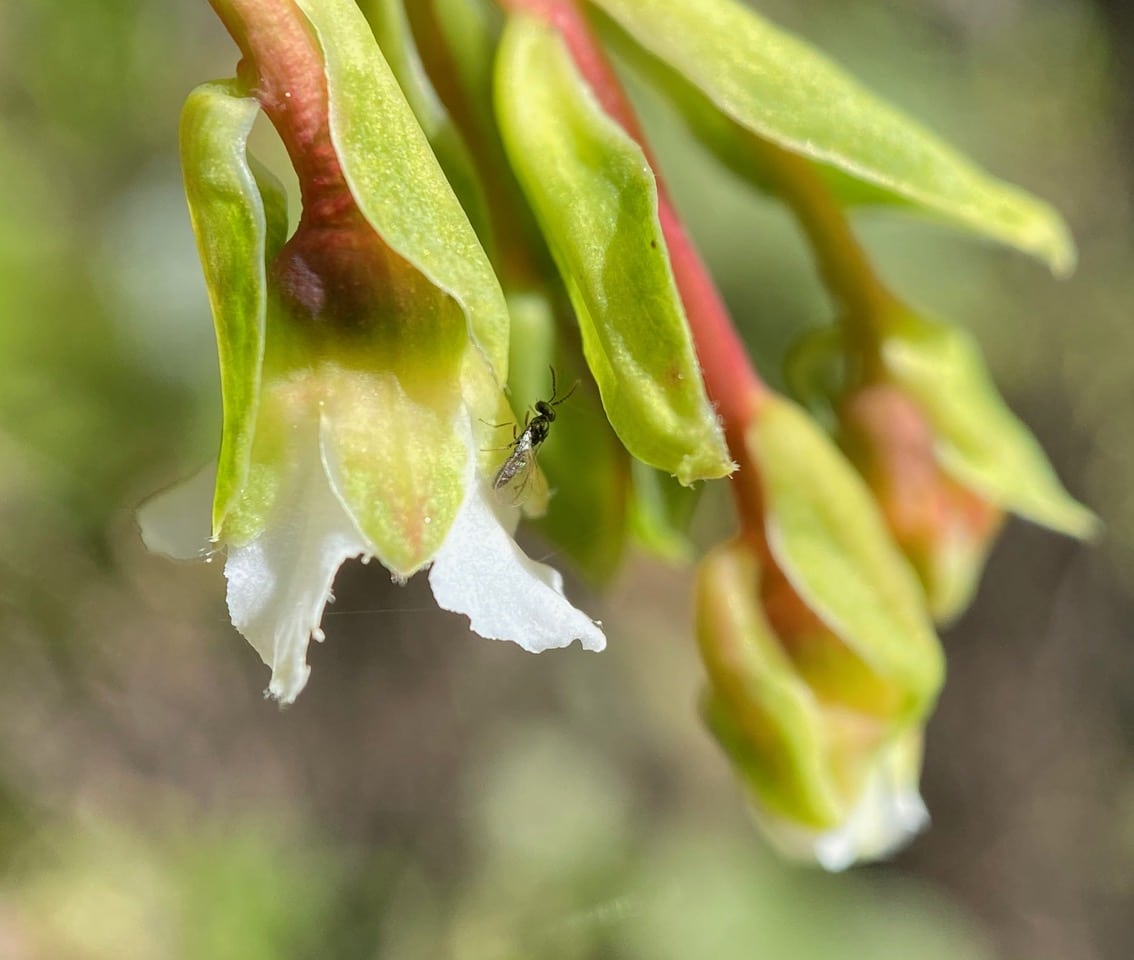
Torymidae is a family of wasps in the superfamily Chalcidoidea. Most species in this family are small with attractive metallic coloration, and females generally have long ovipositors. Many are parasitoids on gall-forming insects, and some are phytophagous (plant-eating) species, sometimes using the galls formed by other insects. Over 960 species in about 70 genera are found worldwide. They are best recognized in that they are one of the few groups of chalcidoidea in which the cerci are visible. Most members of the genus Torymus are ectoparasitoids of gall forming insects, usually gall wasps and gall midges.
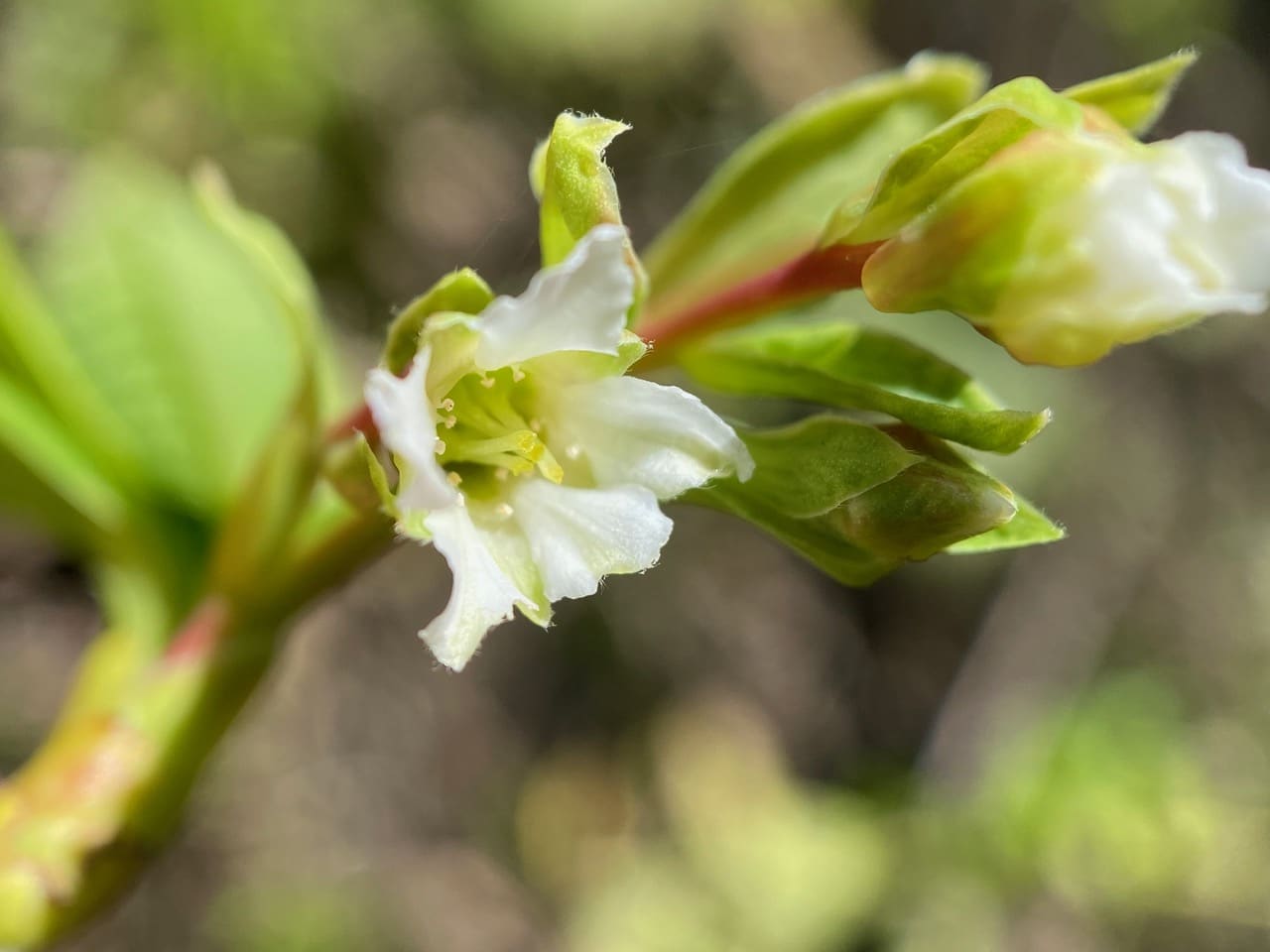
I tilt the branch to look inside the flower to determine its sex. Ah, it is female! A lucky find, as male plants far outnumber female plants in this species. Note the vestigial, pollen-less stamens and prominent carpels (female reproductive structures) in the center.
The Osoberry, Oemleria cerasiformis is dioecious – male and female flowers are borne on separate plants. There are 5 petals and 5 sepals. There are numerous stamens (15, to be exact), in 3 series in the tubular portion of the calyx. Male flowers have prominent stamens that produce prodigious pollen. Female flowers have shriveled, pollen-less stamens and prominent carpels consisting of five styles and five separate ovaries. When fertilized, the ovaries develop into drupes (stone fruits), the so-called “Indian Plums”, up to five per flower.
Osoberry is pollinated by bees, moths, butterflies, hummingbirds, and more. The nectar in the flowers of osoberry is an important source of food for these pollinators in the early spring. Osoberry seeds are dispersed by birds and small mammals in their droppings.
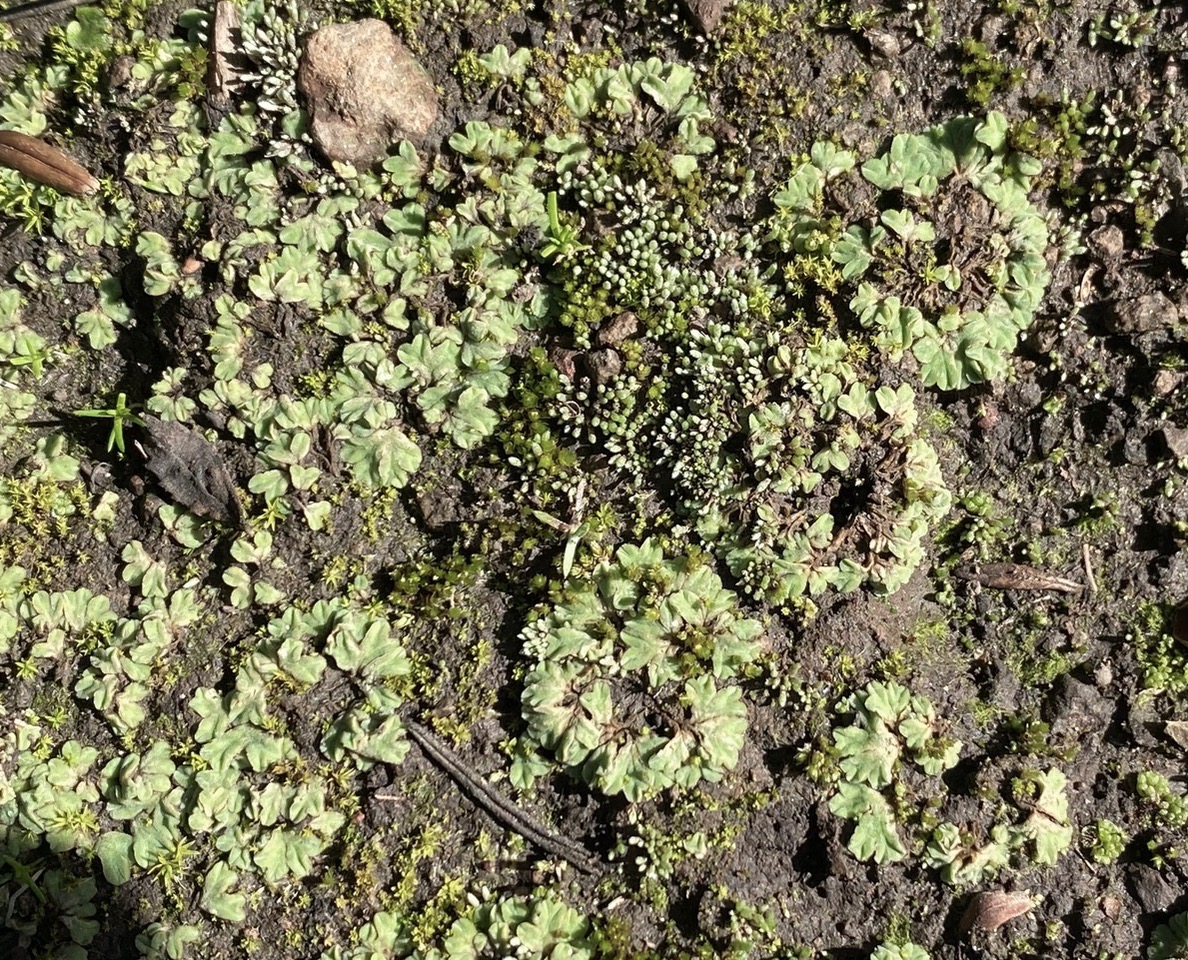
On the exposed wet soil along the trail, some interesting liverworts have emerged in irregular circles. These have been identified by iNaturalist as the Common Crystalwort, Riccia sorocarpa.
Riccia is a genus of liverworts in the order Marchantiales. The plants are small and thalloid, i.e. not differentiated into root, stem and leaf. Dichotomous branching may form rosettes or hemirosettes up to 3 cm in diameter, that may be gregarious and form intricate mats.
Liverworts, along with mosses and hornworts, are collectively known as the Bryophytes. Often overlooked because of their small size and lack of colorful flowers, they are possibly the most ancient terrestrial plants. They are non-vascular, which means they have no roots or vascular tissue, but instead absorb water and nutrients from the air through their surface. Bryophytes thrive in damp, shady environments, but they can be found in diverse and even extreme habitats, from deserts to arctic areas.
The Bryophytes show an alternation of generation between the haploid gametophyte generation, which produces the sex organs and sperm and eggs, and the diploid sporophyte generation, which produces the spores. The long-lived and conspicuous generation is the gametophyte. Sperm are flagellated and must swim in search of the egg which may be on a different plant. Because their reproduction is tied to water, Bryophytes are often called the “amphibians of the plant world”. The sporophyte releases spores, from which the gametophytes ultimately develop. The sporophytes appear only occasionally and remain attached to and nutritionally dependent on the gametophyte.
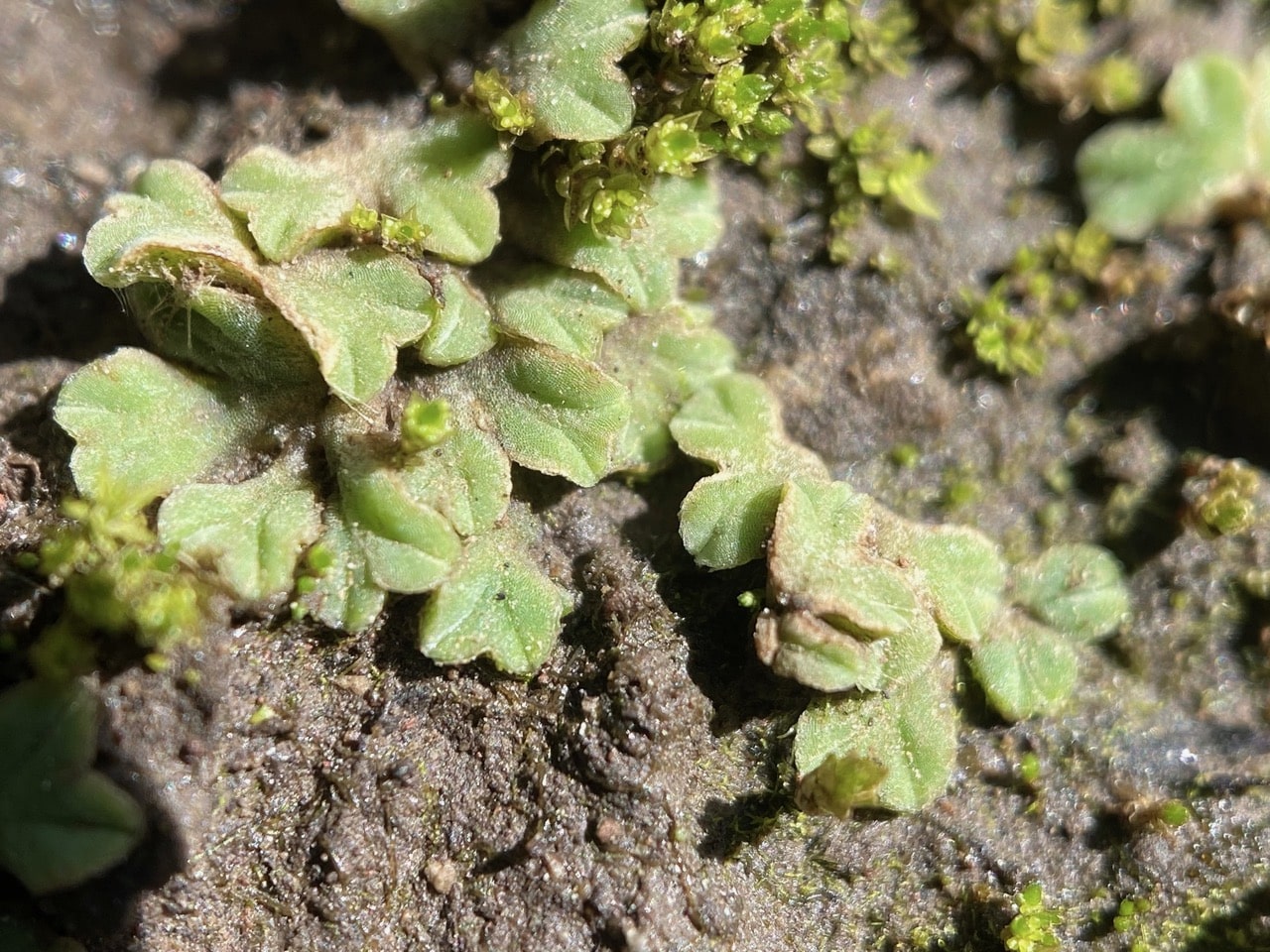
The Common Crystalwort, Riccia sorocarpa is one of the most common Riccia species and grows in irregular rosettes up to 2 cm in diameter. The blue-green thallus branches have a very conspicuous, sharply V-shaped median groove.
I stop short in my tracks to watch a swarm of tiny insects racing up a Soap Plant leaf that is oriented vertically. Their movements are so fast and smooth, the insects seem to be gliding over the surface of the leaf. What is going on? As it is impossible to take a picture, I decide to video record the curious behavior. Then I notice the same thing happening on an adjacent leaf of California Goldenrod. To be able to see the insects close up, I decide to focus my camera on the tip of the leaf and take quick snapshots as the insects come into view. The strategy seems to work somewhat. Encouraged, I also take a video of the insects as they approach the tip of the goldenrod leaf.
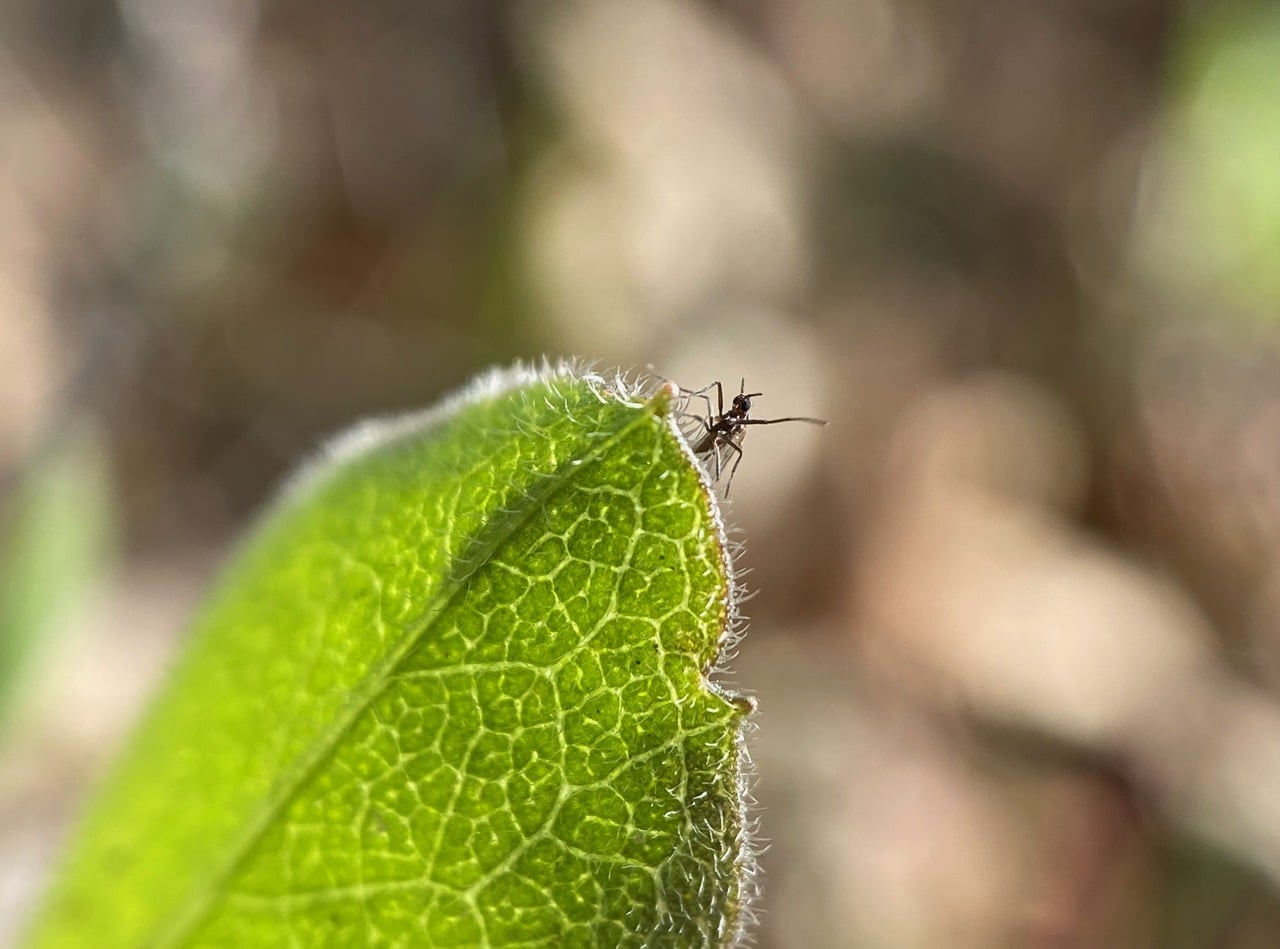
As the videos reveal, the tiny insects are running up the leaves to launch themselves into the air.
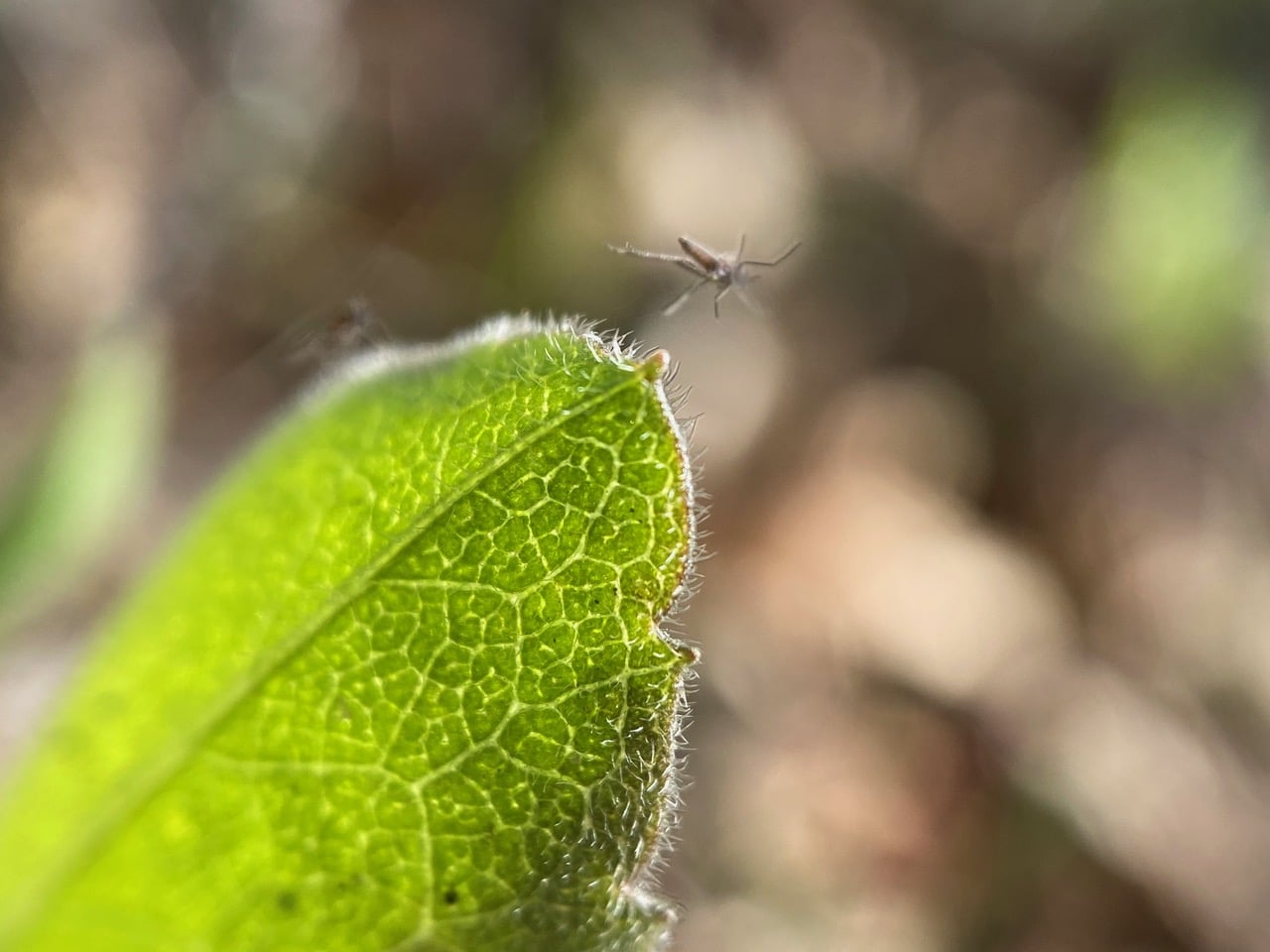
At the tip of the leaf, the insects fling themselves into the air with utter abandon. The behavior seems so spontaneous and reckless – fun and exhilarating to watch! But why are they doing this?
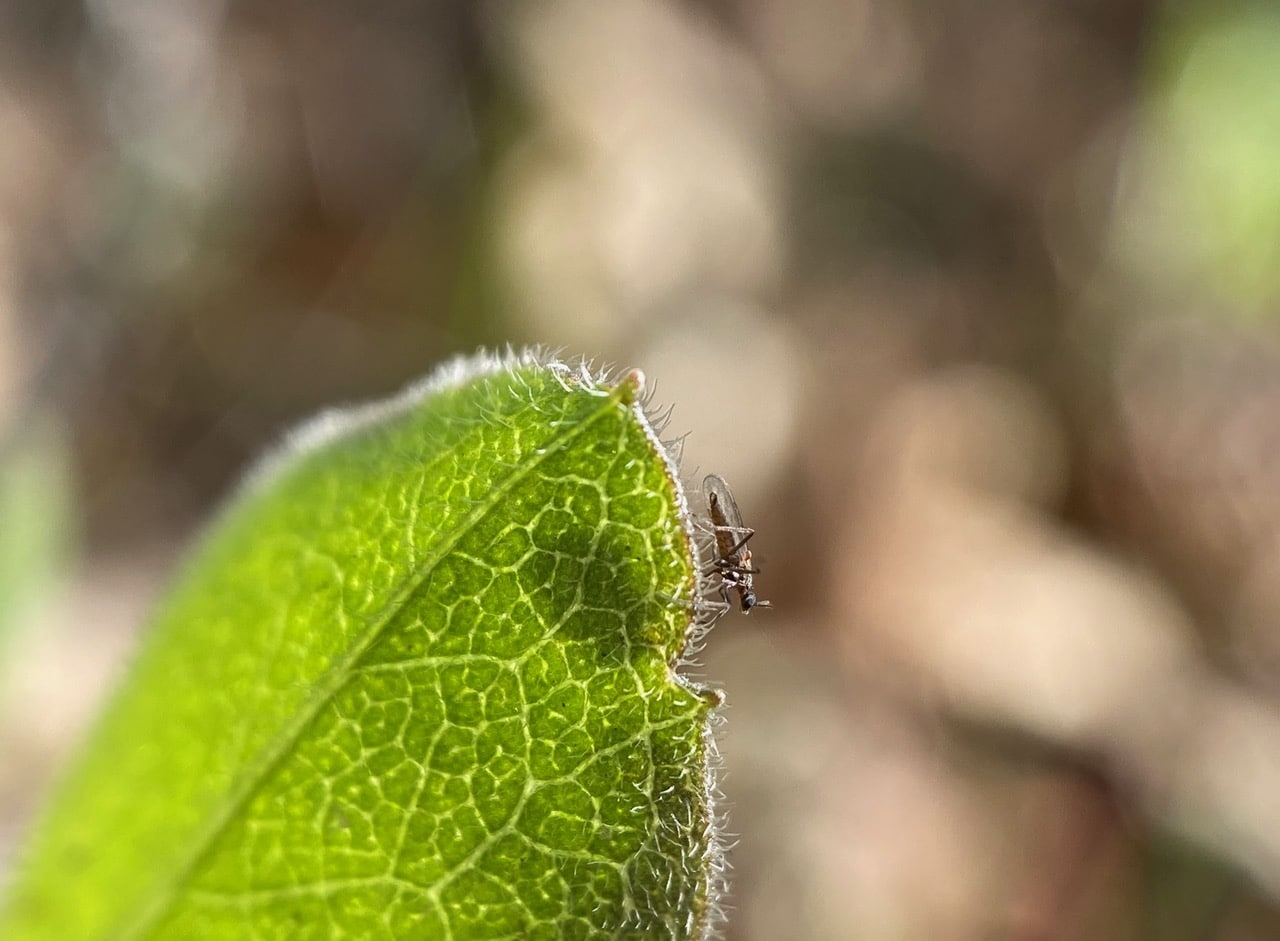

When I look back at the Soap Plant leaf, I spot a clump of insects on it. Are they dead? No, they are moving, but not very visibly. Looking through the macro lens, I gather that this might be a mating event, with several males crowding around a female, vying to mate with her. Ah, perhaps this is what all the excitement is about? Are these Fungus Gnats (family Mycetophilidae) that have freshly emerged from the soil? So far I have not been successful in getting these midges identified.

At Diablo Bend, I am disappointed that the Silverleaf Lupines have not yet come into bloom. But look at that Wooly Indian Paintbrush, Castilleja foliosa by the trail – it is in full bloom! In winter?? What is the environmental cues that tell this plant to flower?
A member of the parasitic Broomrape family, Orobancaceae, the plant is a hemiparasite, meaning that although it is green and can photosynthesize, it also has the ability to sequester nutrients from neighboring plants, such as perennial grasses and sagebrush. Castilleja possesses specialized root-like structures, called haustoria, which pierce the roots of the host plants to siphon off carbohydrates and other nutrients. When parasitizing nitrogen-fixing legumes that add fertility to the soil (e.g. lupines), paintbrush have been shown
to produce more seeds and attract more pollinators compared to those parasitizing grasses.
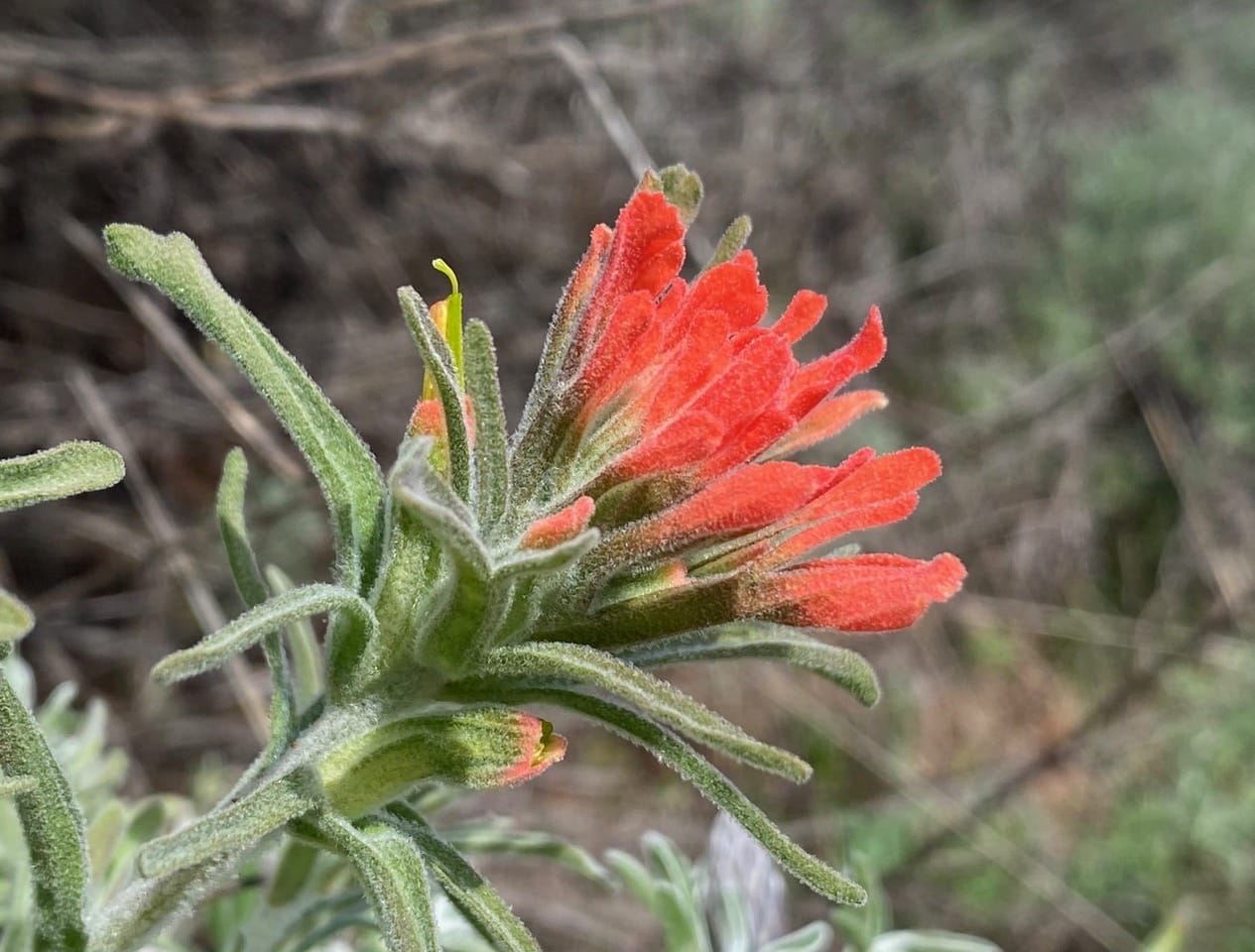
The showy red structures of Indian Paintbrush are technically not petals, but bracts, a type of modified leaf.
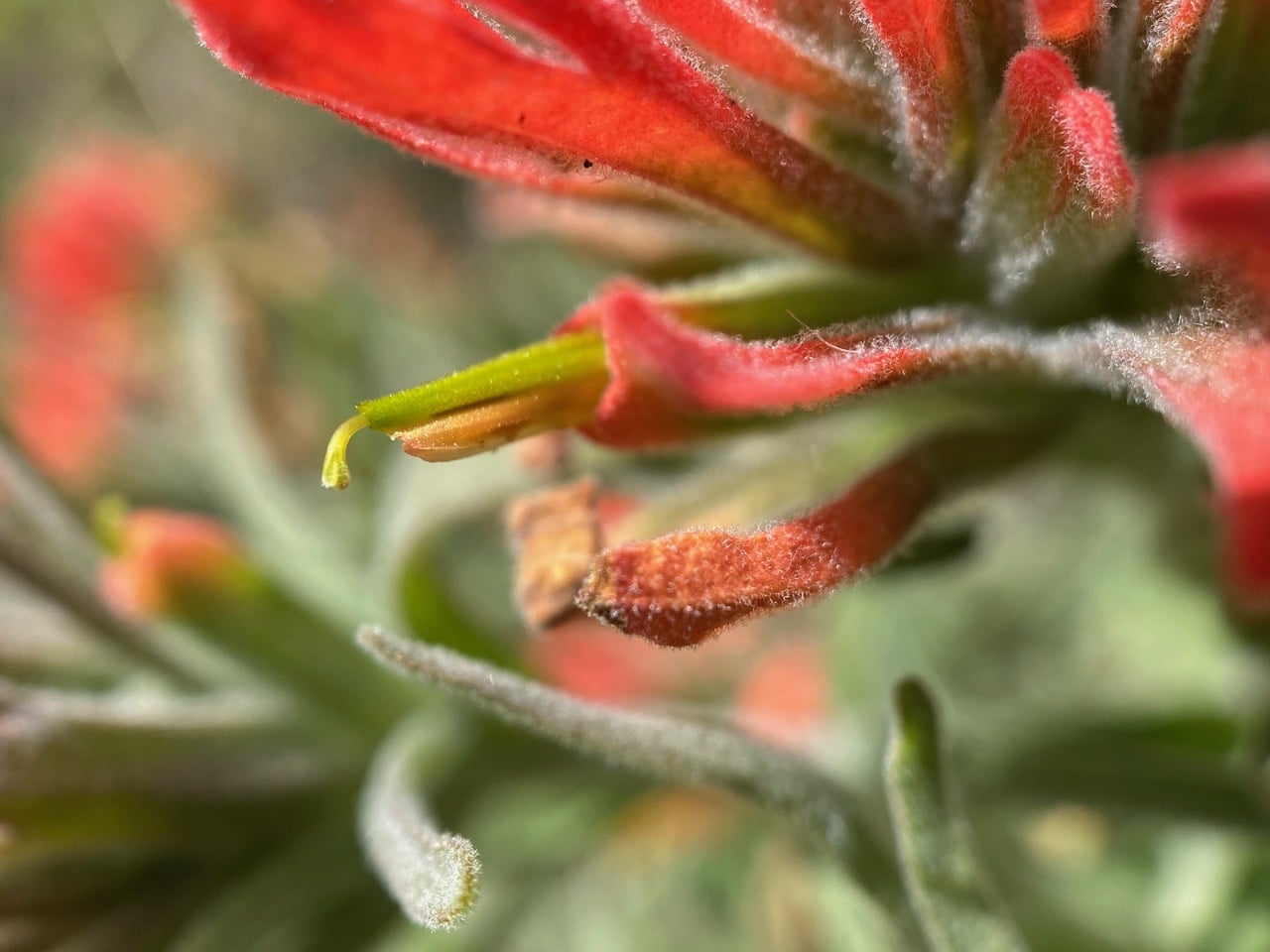
The real flowers are tiny, oddly shaped and inconspicuous. The tip of the sepals are tinged with red as well. The petals are usually green or yellow, and curiously arranged, with the upper two extending out into a long, pointed beak that envelops the stamens and style. The style and stigma protrudes beyond the corolla, while the stamens are located right behind the opening of the corolla. With tubular design and red color, the flower is especially adapted for pollination by hummingbirds. The hummers have long slender bills that allow them to reach the nectar rewards at the base of the flowers.

The inconspicuous flowers point in the same general direction as the adjacent bracts…
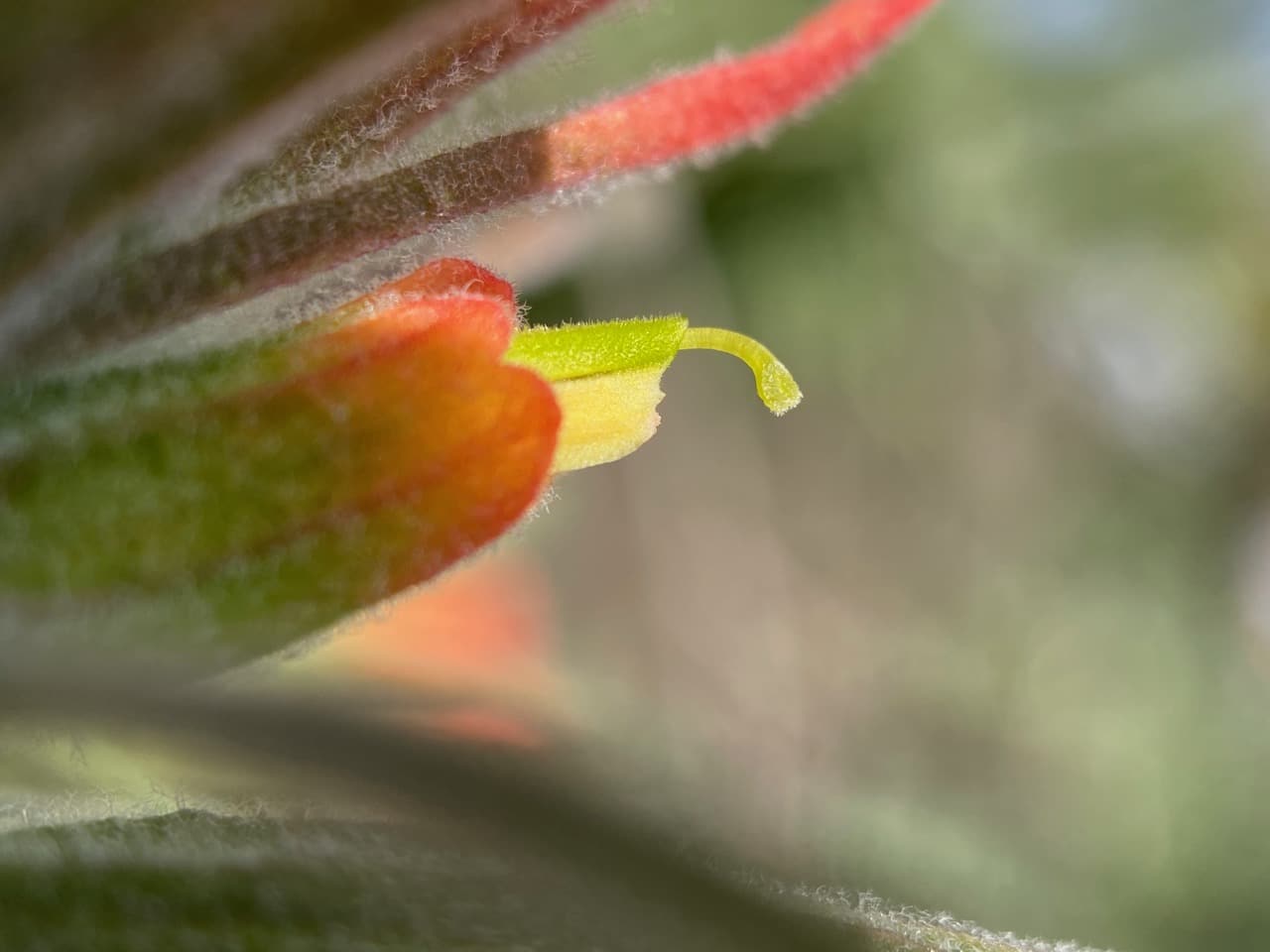
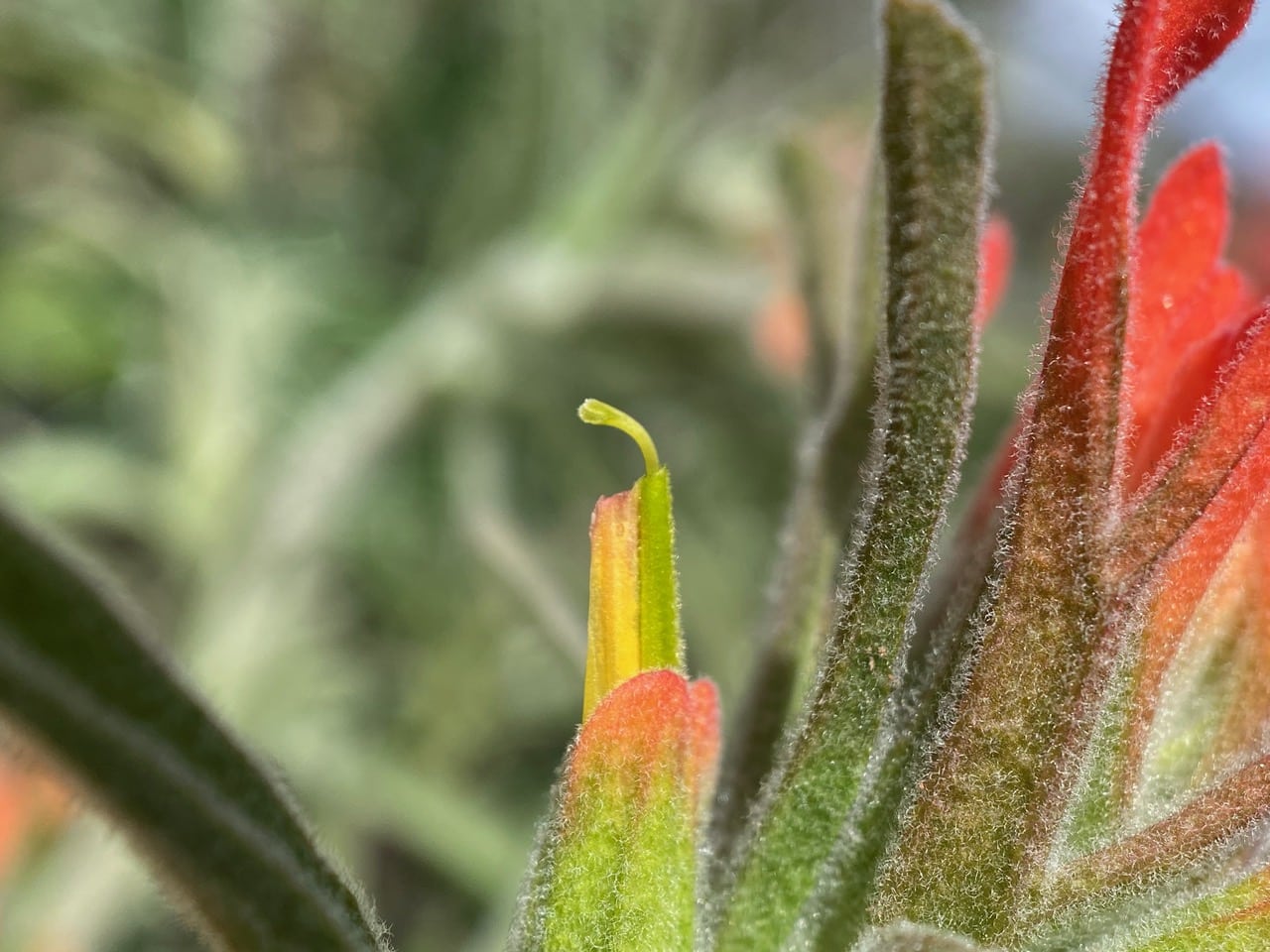
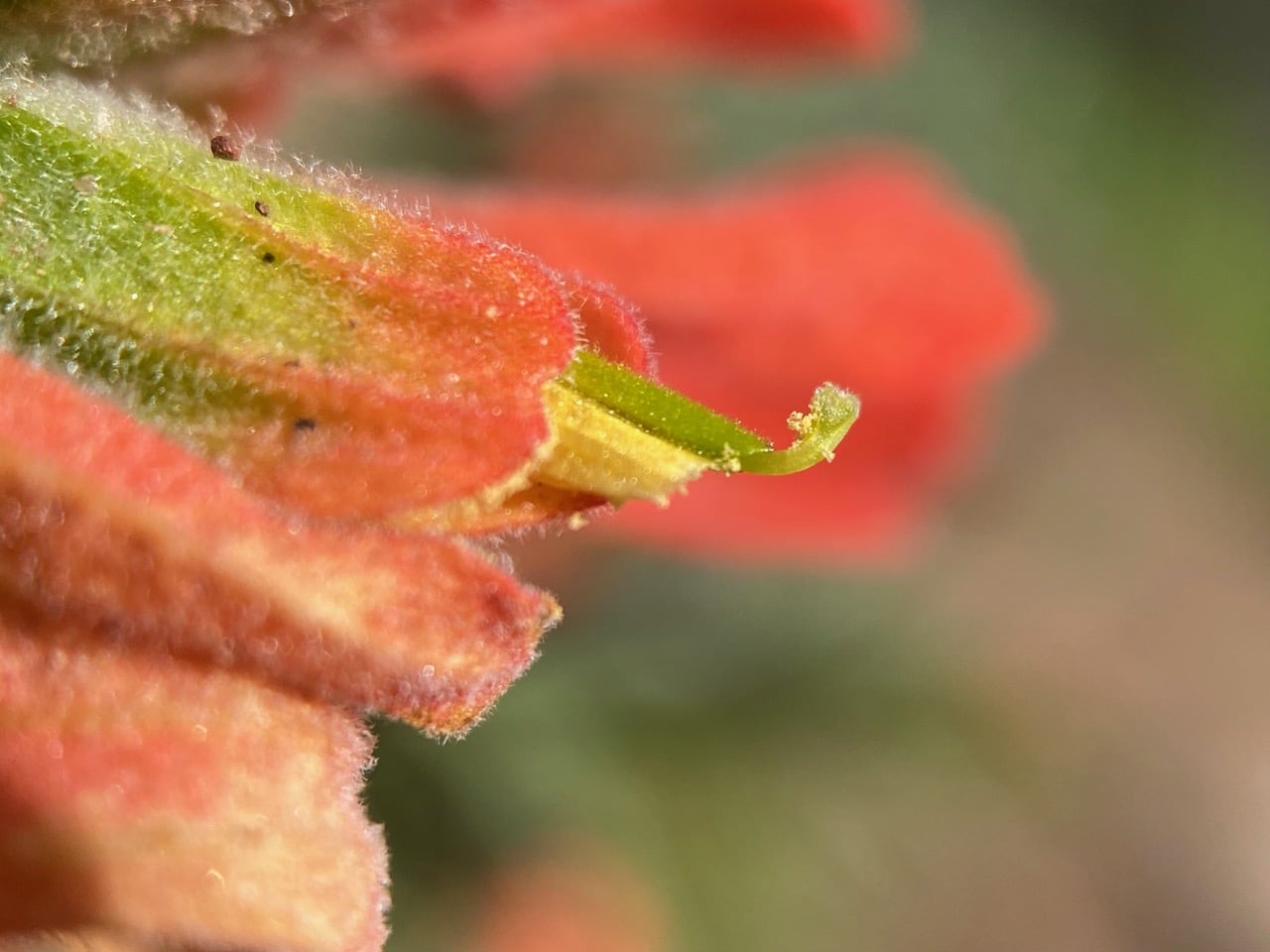
Ooh, this Castilleja stigma has had some pollen deposited on it. A hummingbird might have visited the flower to probe for nectar and have inadvertently rubbed off some pollen from a previous flower it visited. The pollen is most likely transferred on the base of the bird’s bill.

Can you find the single real flower on this Indian Paintbrush?

Some midges are dancing over a Coffeeberry shrub. I close in as one lands on a leaf. It is a male Non-biting Midge (family Chironomidae), easily recognizable by its feathery antennae.
The Chironomidae is a large and diverse family of flies, with over 20,000 species known world-wide. Adult midges are small, most measuring 1-10 mm long, with narrow bodies and long legs. They resemble mosquitos, but do not bite. Males have long, feathery (plumose) antennae. Adults are short-lived. They feed on fly droppings, nectar, pollen, honeydew, and various sugar-rich materials. Larvae are mostly aquatic or semi-aquatic; most occur in freshwater habitats, a few occur in decaying matter, under bark, in moist ground, or tree holes. Larvae are mostly scavengers/detritivores. Collectively, they play a vital role in freshwater ecosystems as primary consumers. They harvest an enormous amount of energy from detritus and are important food items for fish, amphibians, birds, and predatory insects such as dragonflies and dance flies. Adult Chironomids can be pests when they emerge in large numbers, forming mating swarms over water or road surfaces.