

Pollinator Post 1/6/25 (1)
I am compelled to head up the hills again this morning because of poor air quality in the lower elevations. It’s time to revisit the Sibley Volcanic Regional Preserve in the Oakland hills.
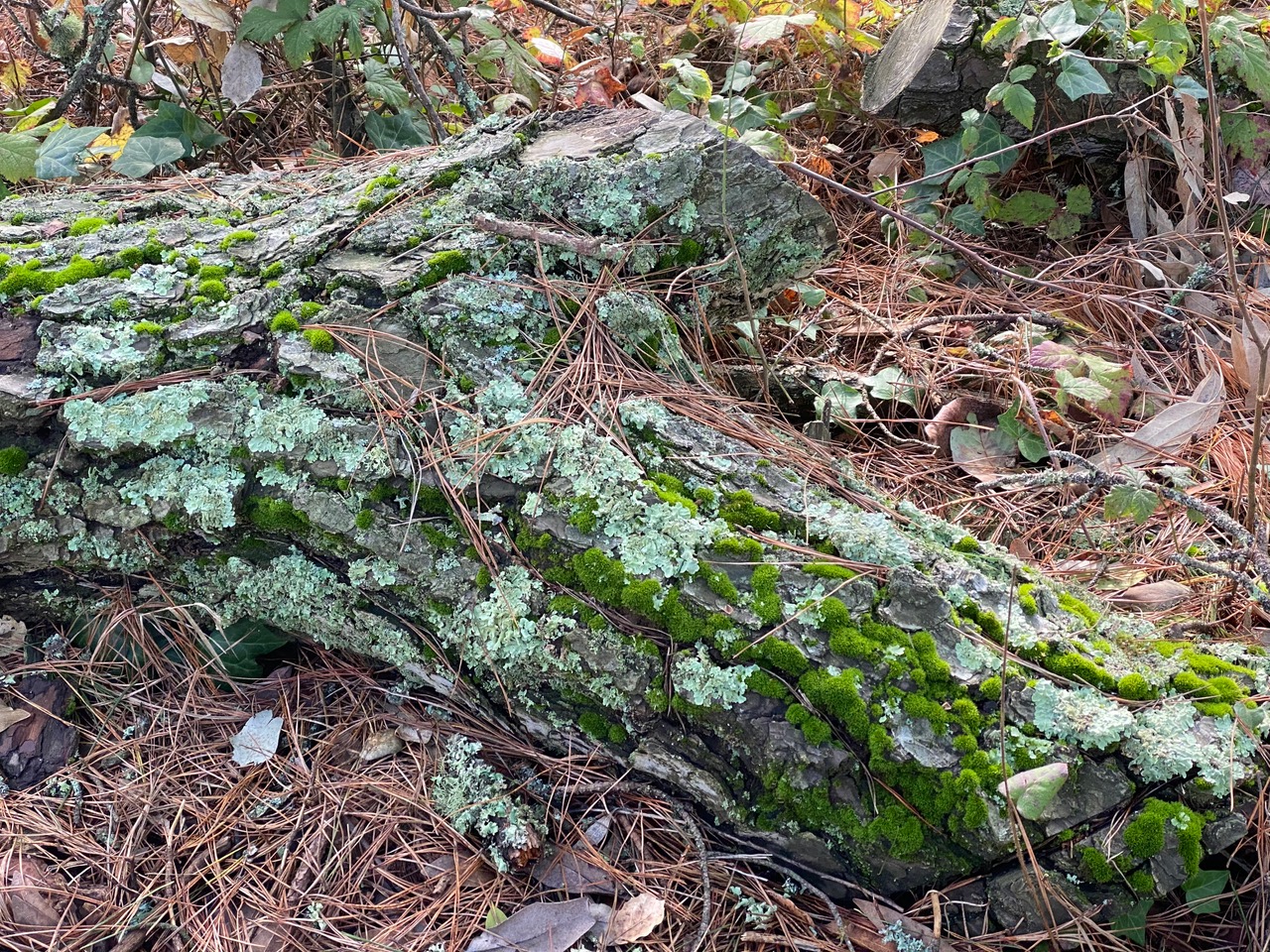
I take a small trail uphill through a moist forest, knowing I would be treated to a wide variety of mosses. A large log lying on the forest floor is covered with lichens and mosses.
Moss plants, belonging to the group of bryophytes, require a moist environment for several reasons:
1. Water absorption: Mosses lack true roots; instead, they have structures called rhizoids that anchor them but do not absorb water like roots do. They absorb water directly through their leaves and stems, so a wet environmnent is crucial for maintaining hydration.
2. Reproduction: Mosses reproduce via spores, which require moisture for germination. Additionally, the sperm cells of mosses need water to swim to the egg cells for fertilization. This reliance on water for reproduction makes a moist environment essential for their life cycle.
3. Photosyntheses: While mosses can survive in low light, they still need water for photosynthesis, the process by which they convert light energy into chemical energy. Adequate moisture helps ensure that the cells remain turgid (firm) and functional for photosynthesis.
4. Preventing Desiccation: Mosses are prone to drying out due to their small size and lack of protective structures. A moist environment helps prevent desiccation, allowing them to thrive and maintain physiological functions.
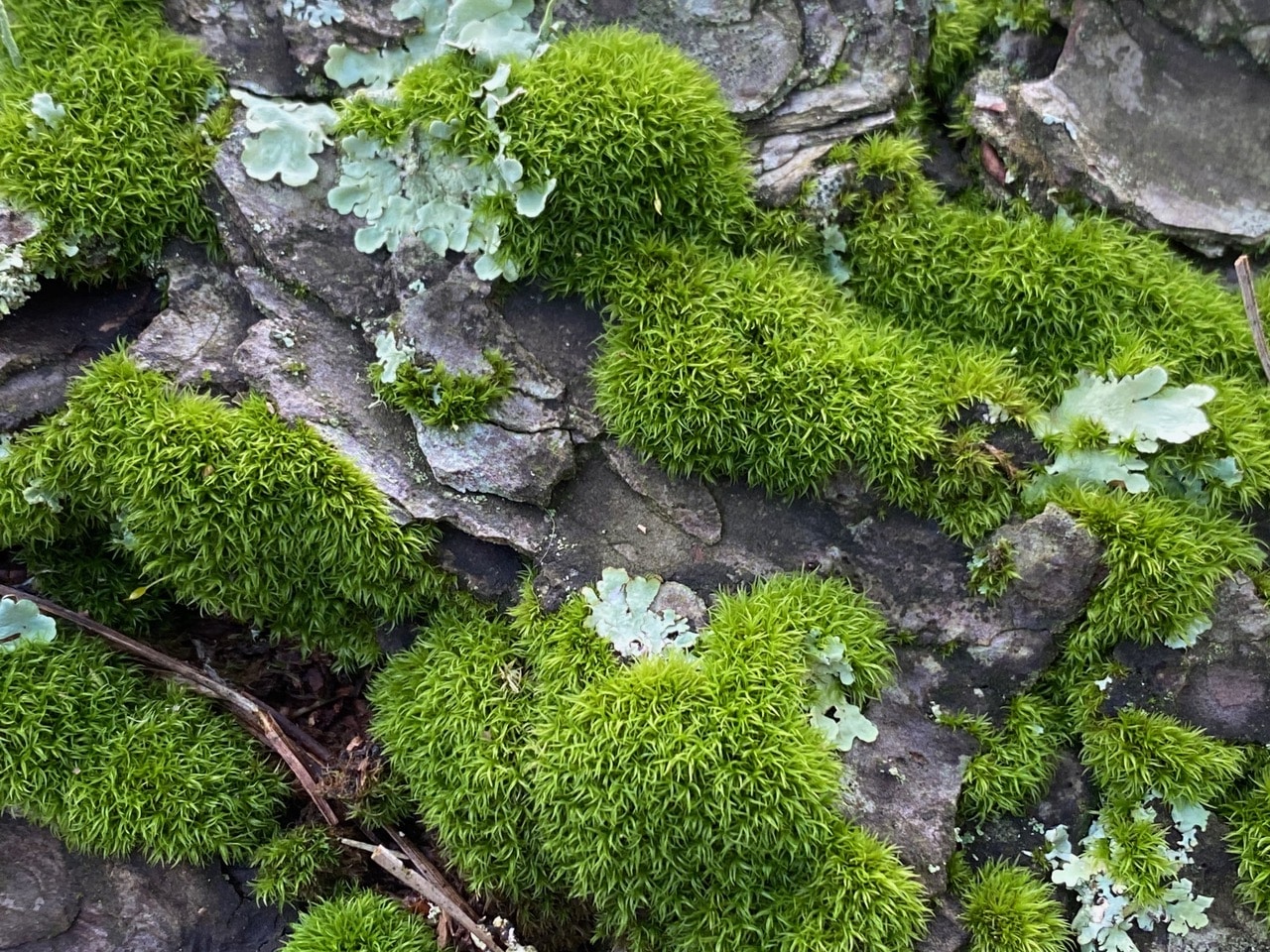



The moss that grows in small neat little mounds on the log is the Common Pincushion, Dicranoweisia cirrata, a species native to California. The moss prefers acidic substrates, such as oaks and birches. It is found on tree trunks, newly decomposing wood, fence posts and rocks.
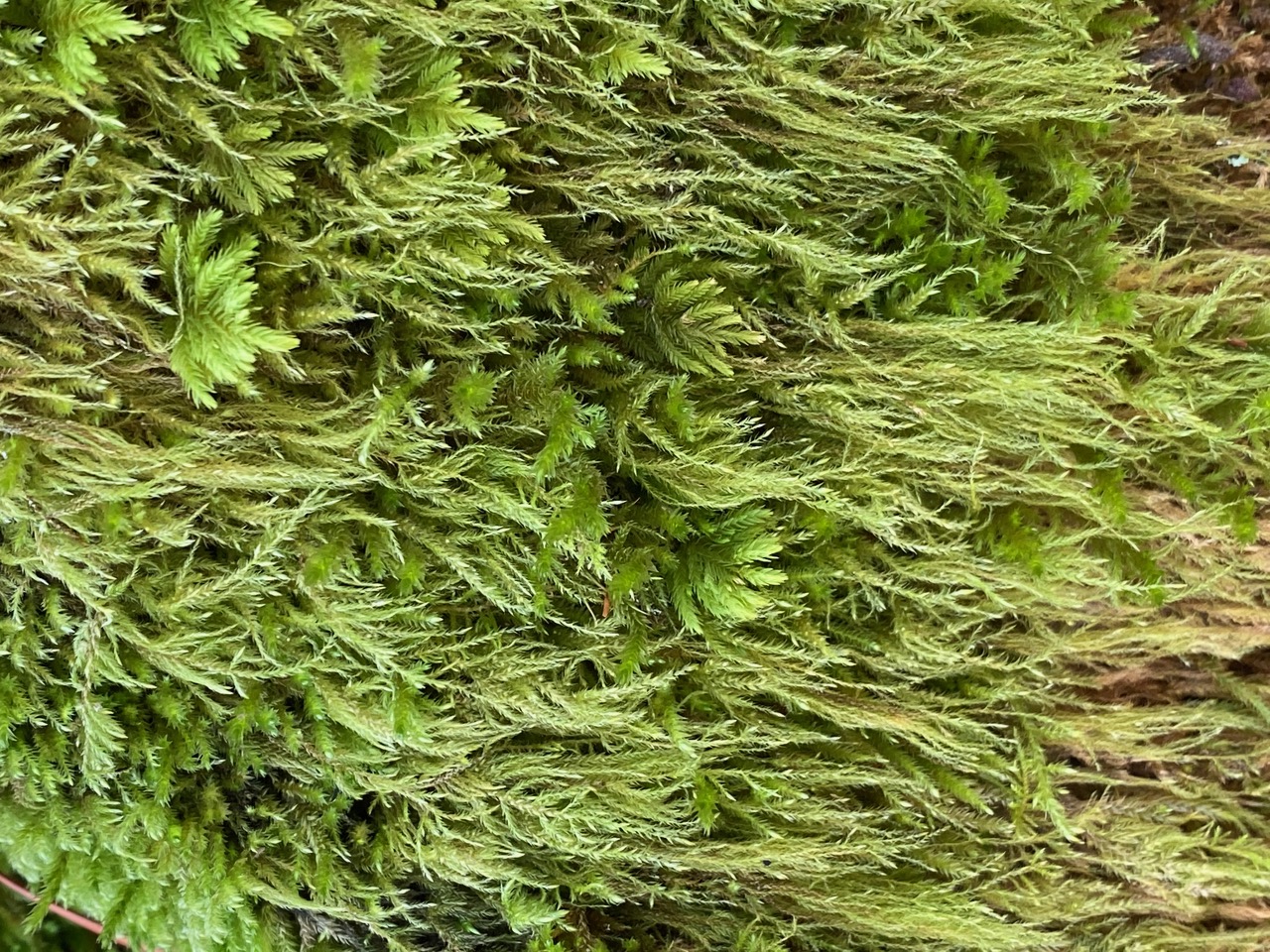
Two species of moss compete for space on the trunk of an oak tree. The fine, stringy, light green moss that grows like a cascading waterfall is the Cat’s Tail Moss, Pseudisothecium stoloniferum. The larger, darker green, branched moss is Dendroalsia Moss, Dendroalsia abietina. It is common throughout the Pacific Northwest, especially in oak woodlands. It often covers whole tree trunks, leaving little room for competition. The specific epithet, abietina means “like a small fir tree” in Latin, and refers to the overall appearance of the shoots when fully hydrated. As the moss dries, leaves turn brown and curl downwards, appearing like poodle fur.
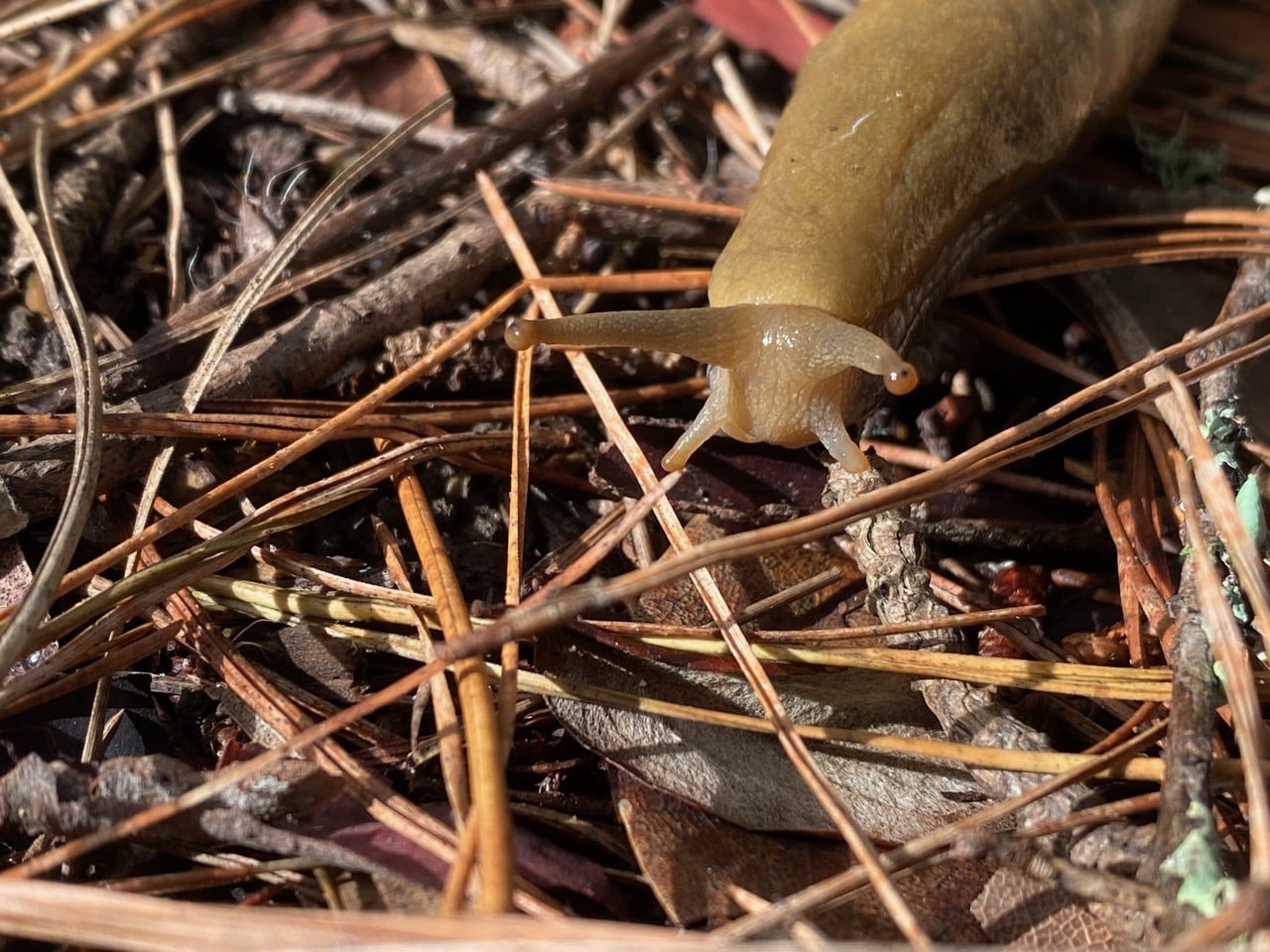
Focusing on mosses and lichens, I nearly step on a well-camouflaged Banana Slug. Stretched out long and thin, it is gliding imperceptibly on the pine duff.
Our coastal forests are home to the largest slug in North America and the second largest slug worldwide. The Banana Slug, Ariolimax columbianus grows up to 8” in length and can live for 7 years. The slugs crawl along their own slime trails in their moist habitats. They are detritivores, feeding on fallen leaves, live plants, fungi and animal wastes.
The Banana Slug has two pairs of retractable tentacles on its head. The upper tentacles are used for light detection (with light sensing eye spots at the tips) and for detecting odors. The lower tentacles are used for taste and touch.
A large and robust moss is growing on a small tree branch. It is the Lyell’s Bristle Moss, Orthotrichum lyellii, a common moss found throughout western North America and Europe. It is found most commonly growing epiphytically on a variety of trees, and less commonly on rocks or boulders. The moss forms green and yellow mats, with loose tufts reaching lengths of 3-4 cm forming mound-like structures. The leaves are sharply pointed.
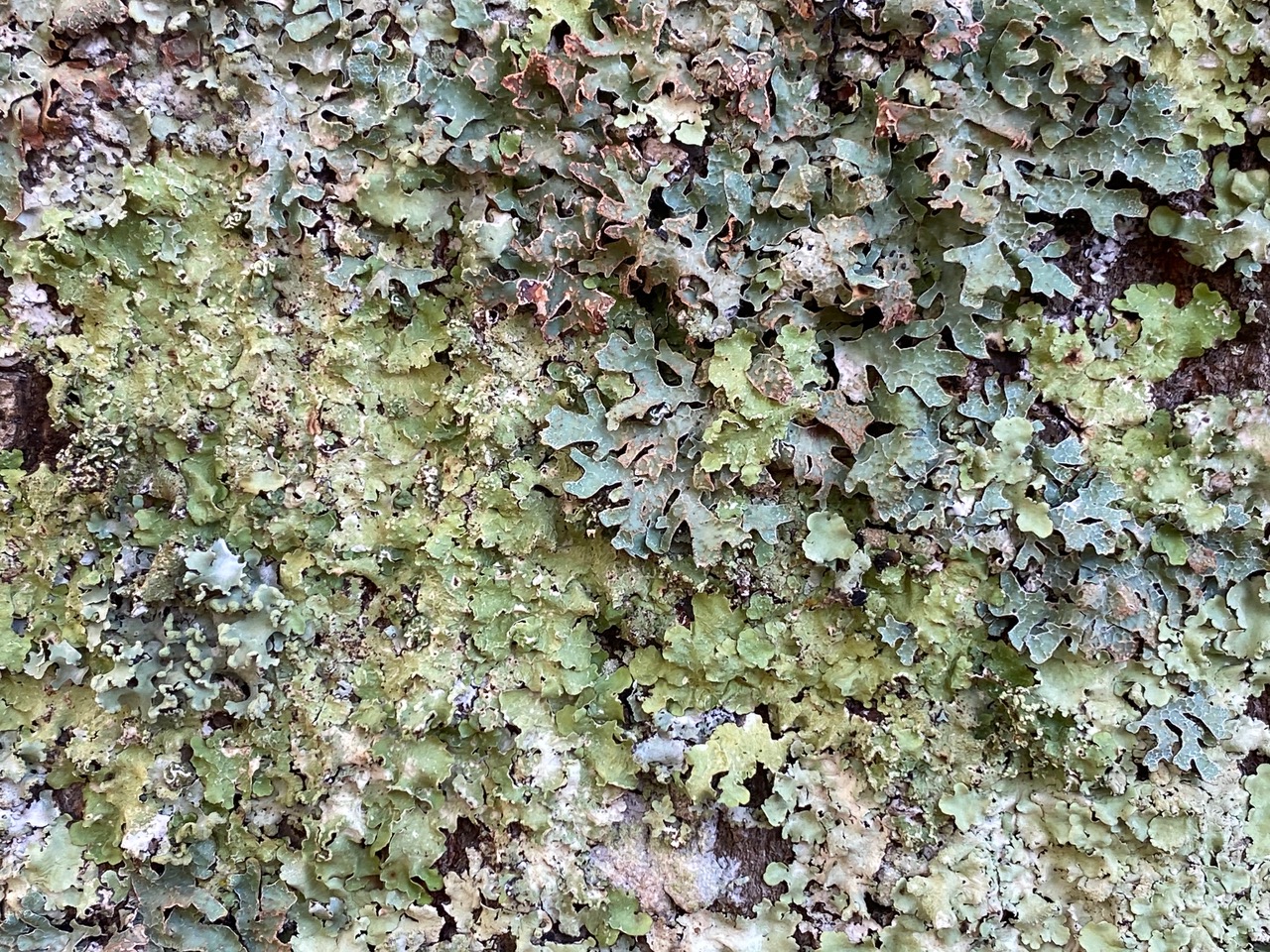
Speckled Greenshield Lichens, Flavopunctilia sp. cover the surface of a lower section of a tree trunk.
Lichens are a complex life form that is a symbiotic partnership of two separate organisms, a fungus and an alga. The dominant partner is the fungus, which gives the lichen the majority of its characteristics, from its thallus shape to its fruiting bodies. The alga can be either a green alga or a blue-green alga, otherwise known as cyanobacteria. Many lichens have both types of algae. The algal partner photosynthesizes food for the fungus, while the fungus provide the structure in which the algal partner lives.
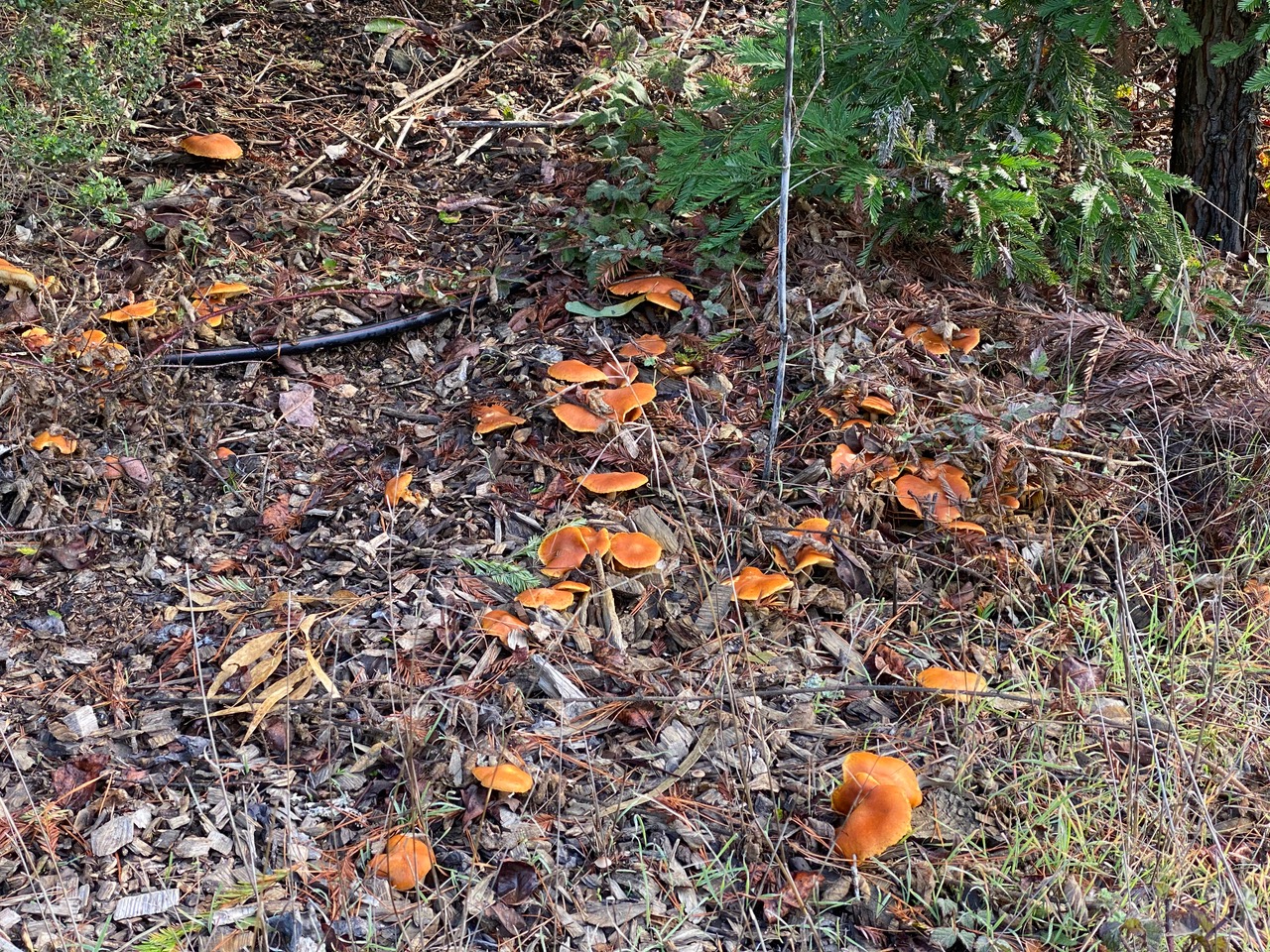
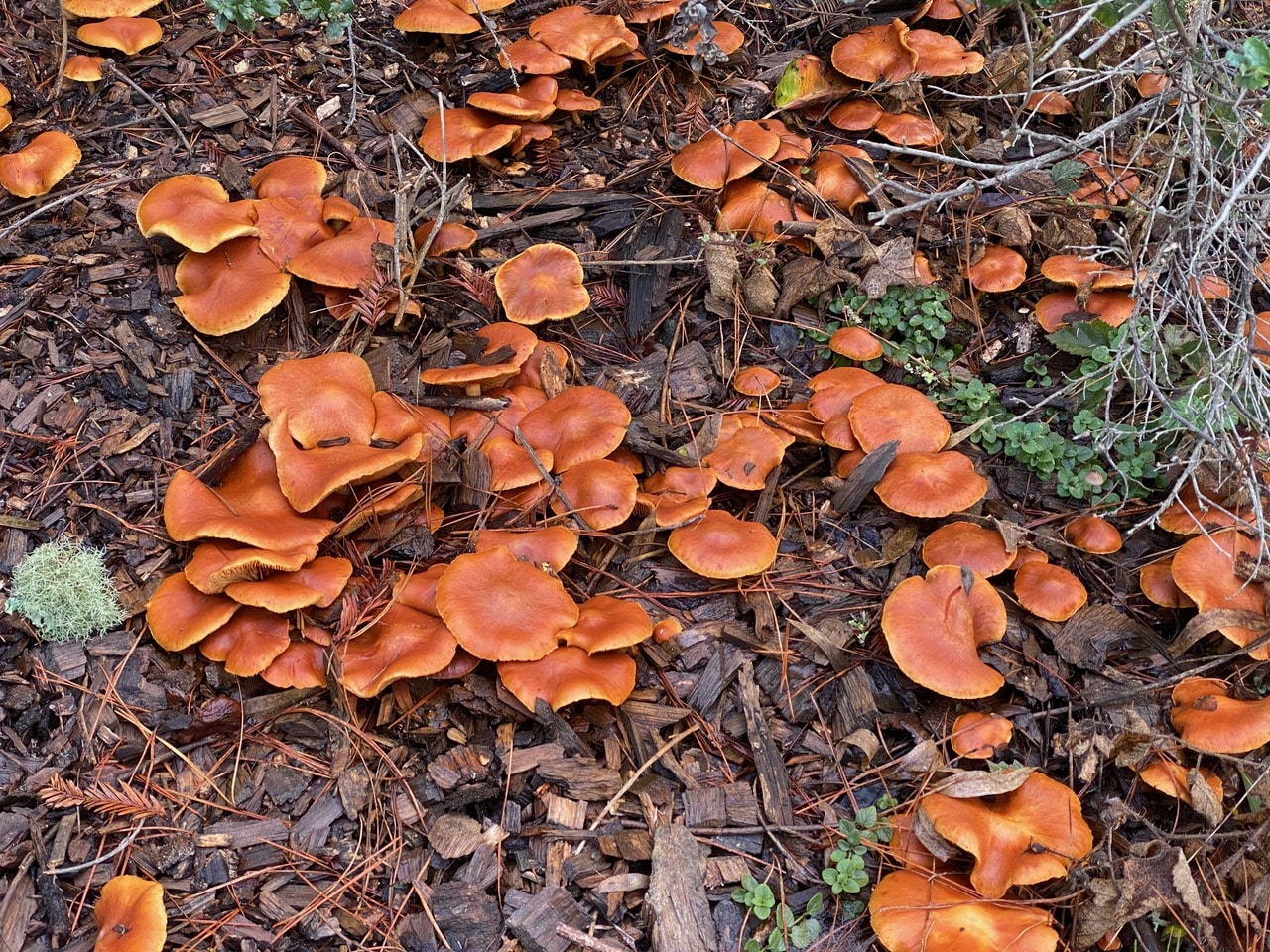
Golden-orange mushrooms grow profusely on the wood chips in an area where Coast Redwood trees are being restored in the park.
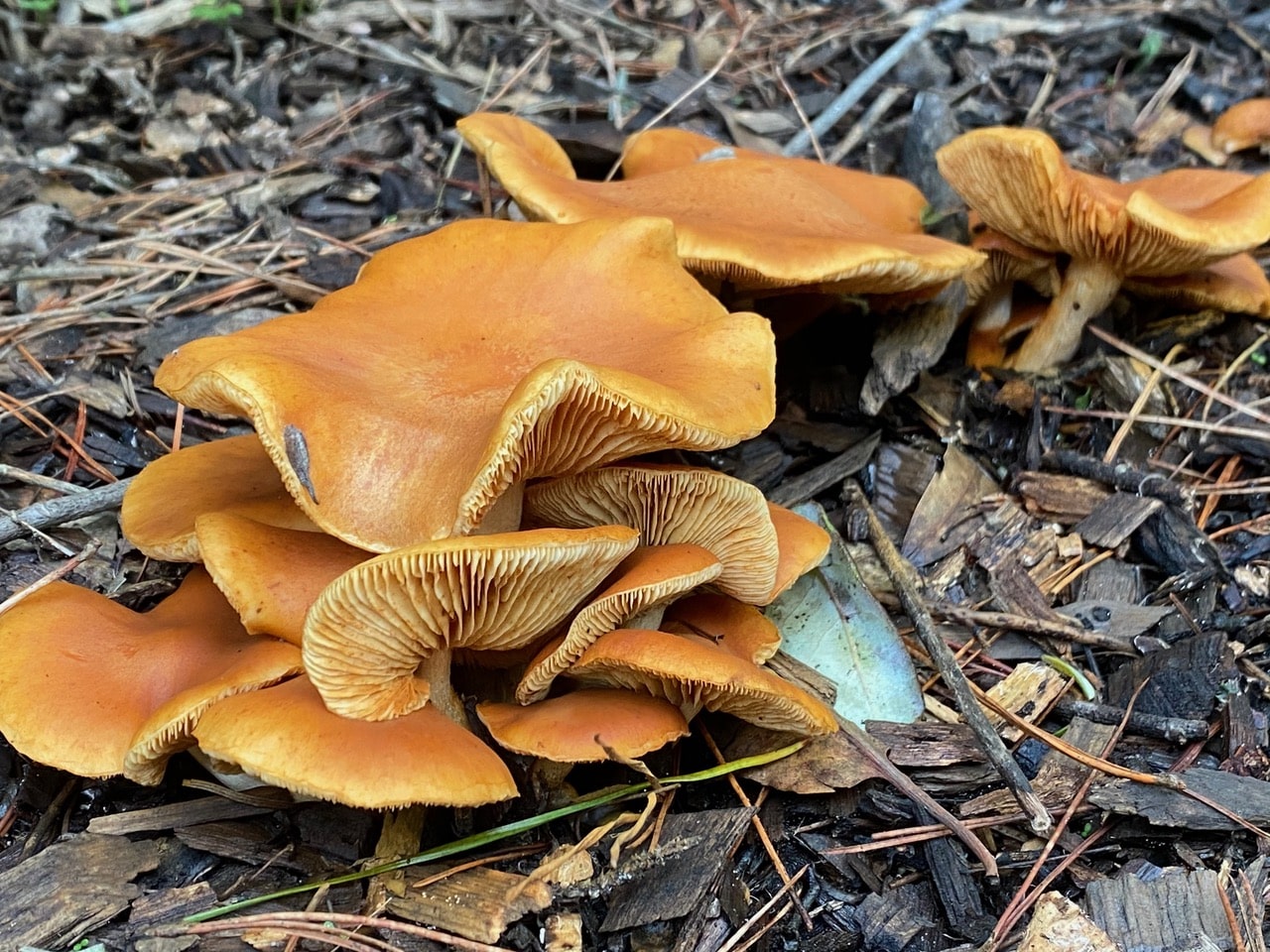
The mushroom is Gymnopilus aurantiophyllus. The specific epithet comes from aurantius which is Latin for, more or less, orange.
Gymnopilus aurantiophyllus is a species of mushroom-forming saprotrophic fungus. It is found in pine forests and on decaying lignin-rich substrates like wood chips or old stumps. The species is primarily found in Pacific coast of North America, and is most frequently observed in the months of December and January. The gills are “narrowly attached with a distinct notch”. The mushroom has a distinctly bitter taste and is not recommended for eating.