Showcase Feature
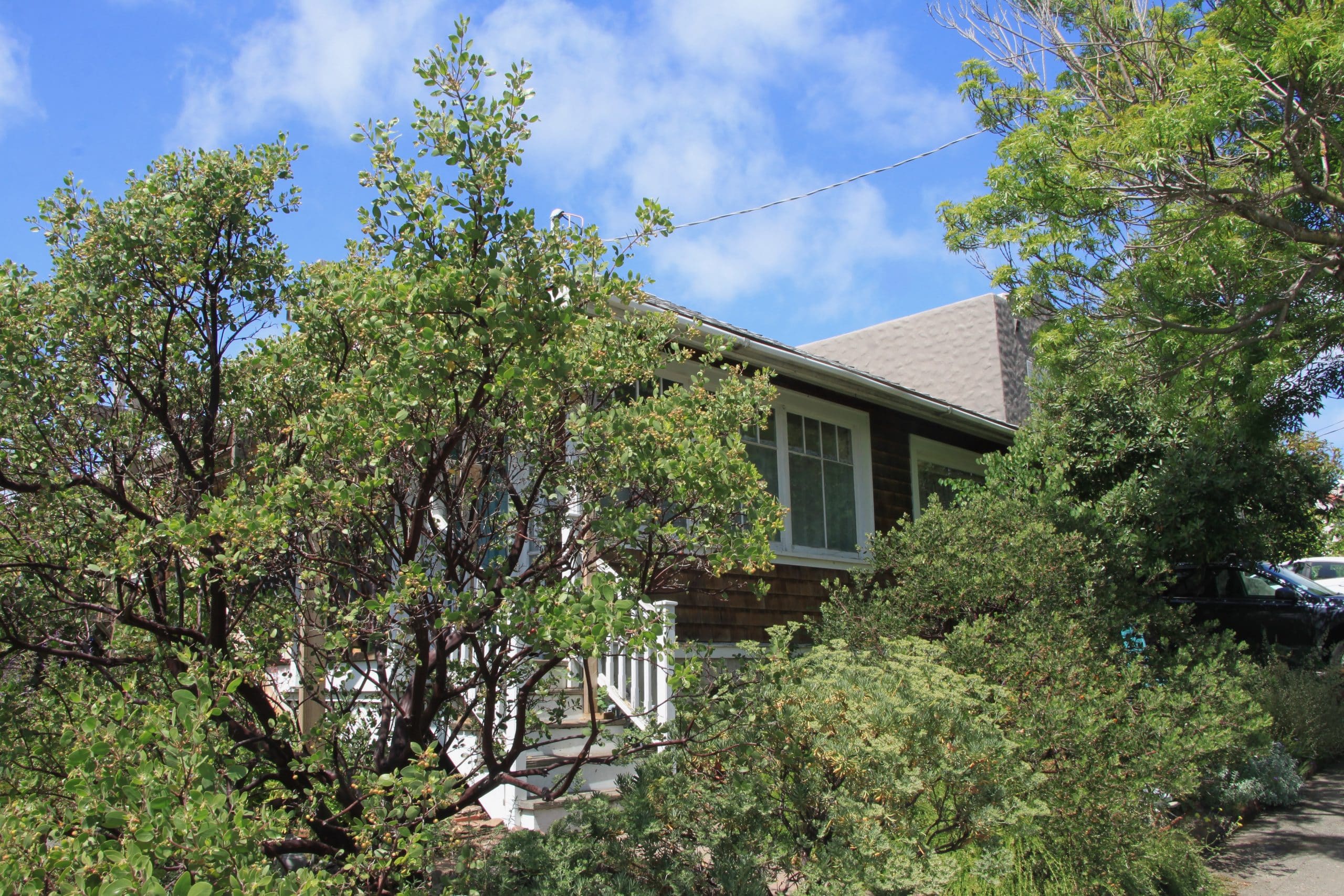
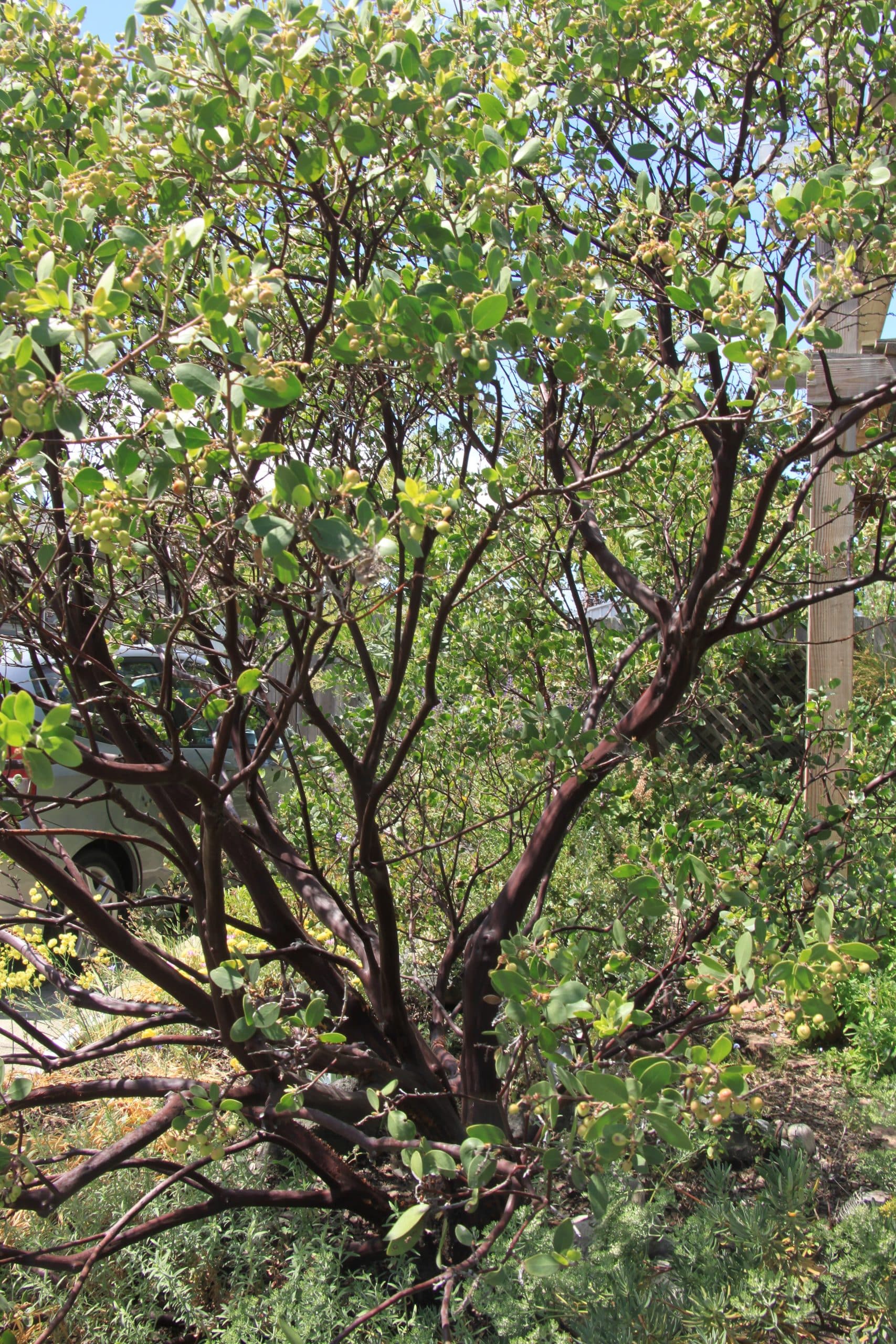
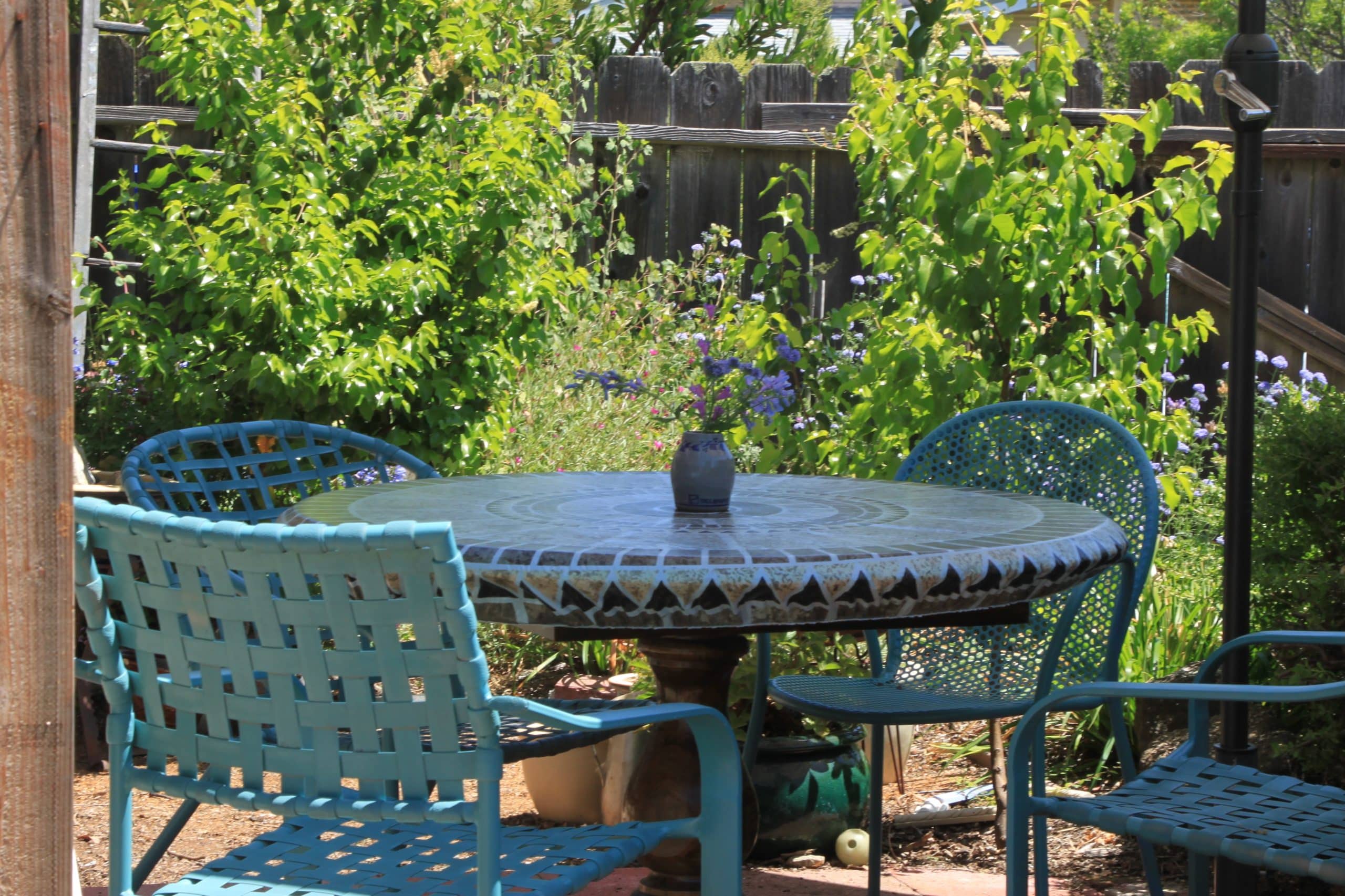
Long-time Tour attendee Genie Barry, who has rented this house since 2010, wanted a beautiful garden—and she created it! She started by sheet mulching the lawn, then began planting the seven types of manzanitas that anchor the garden (‘Sentinal’, ‘Emerald Carpet’, ‘Louis Edmunds’, ‘John Dourley’, ‘Austin Griffiths’, ‘Monica’, and Sunset’), as well as the toyons and redbuds, which also provide structure and stability.
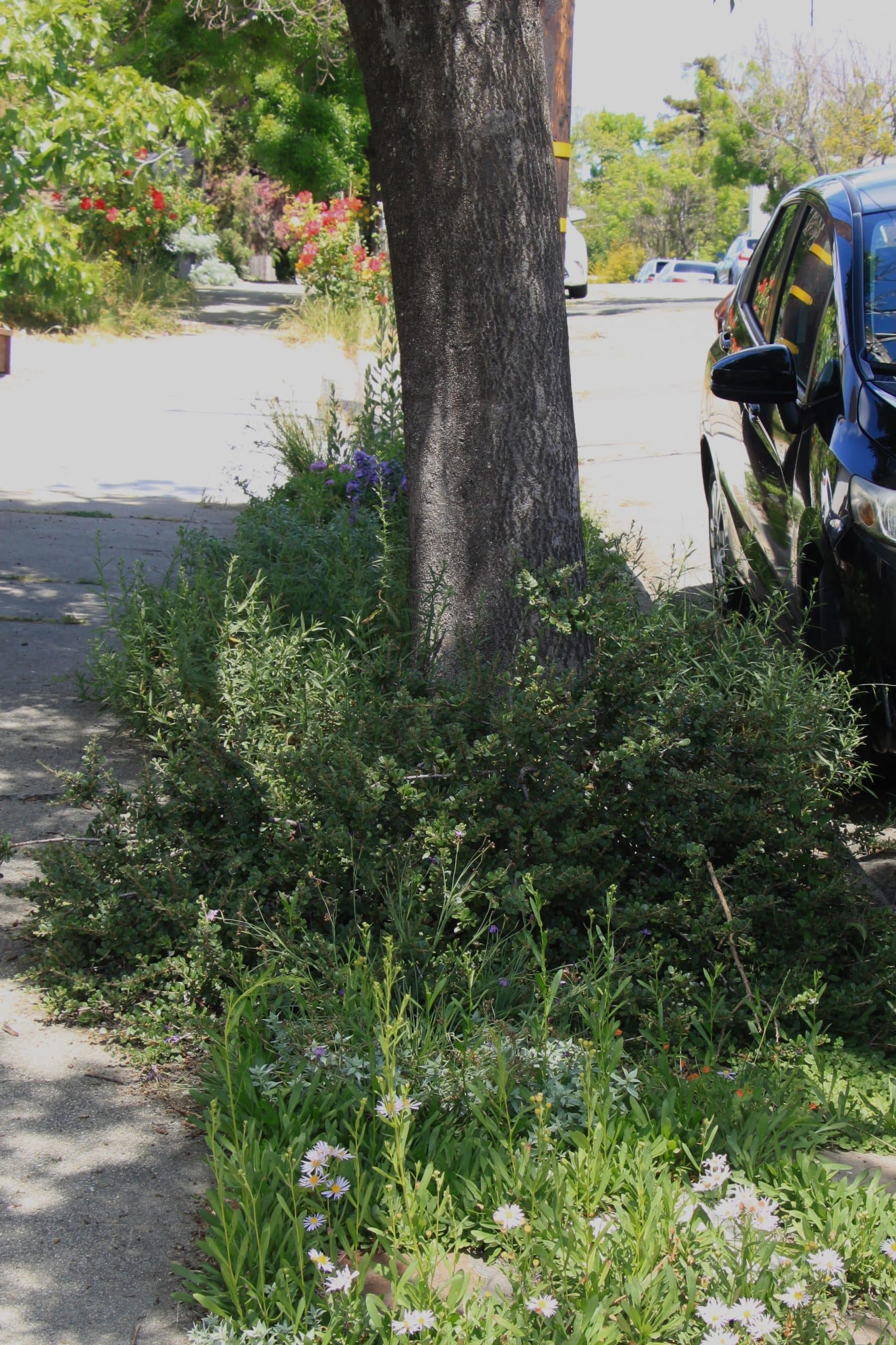
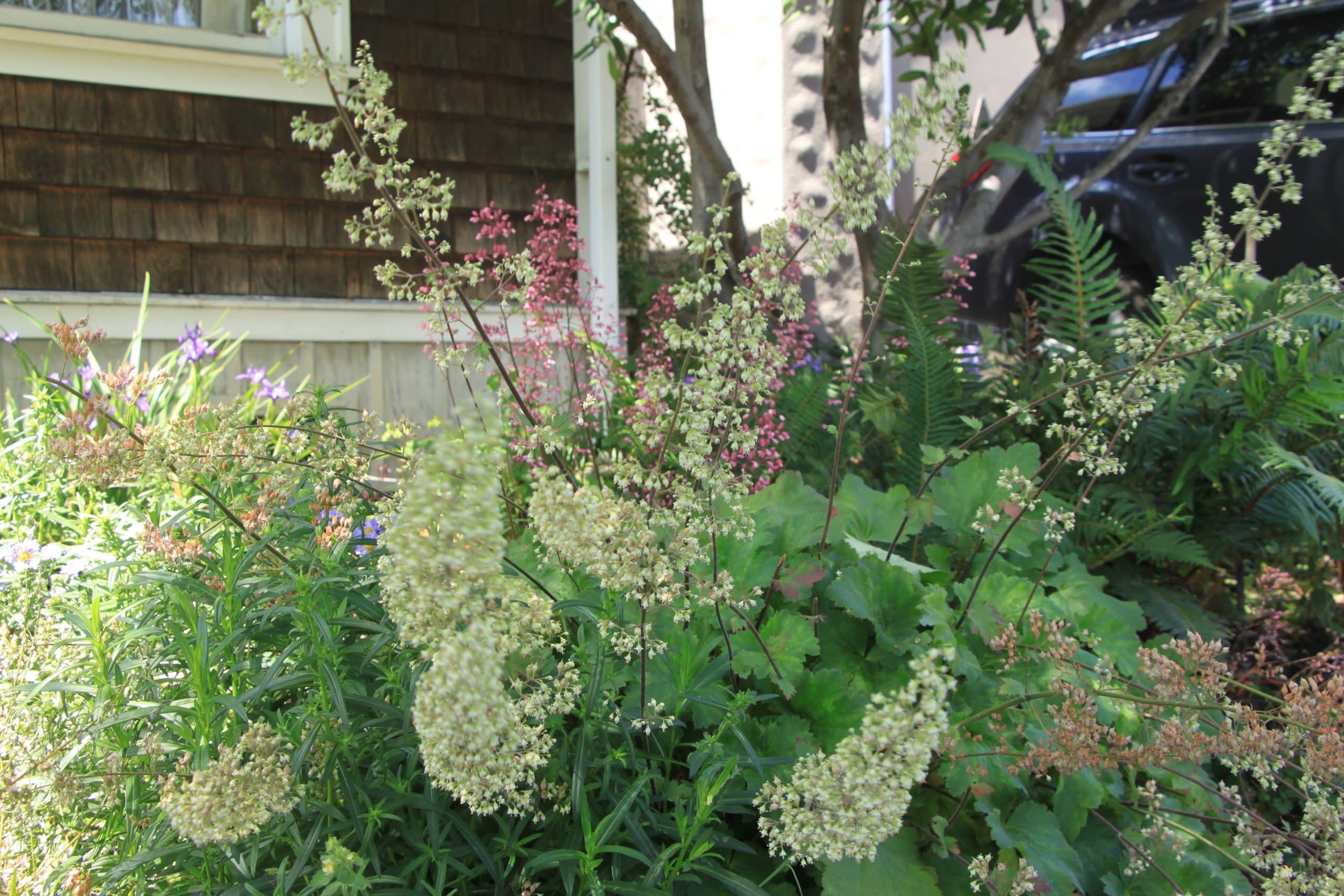
While designing and installing the garden Genie’s guiding principal was the idea of “the edge of the woods.” This meant making the most of the opportunities offered by the mixture of sunlight and shade at the edges of tall shrubs to find spots for both sun and shade-loving plants, which are tucked together naturally and attractively, using every inch of space in the most well-designed and charming way. Now, in this mat ure garden, multiple layers of understory plants tumble over and into each other in an unrepressed manner, yielding delightful combinations of color and texture.
While walking around the neighborhood, Genie introduced herself to other native plant gardeners in the Maxwell Park area, and made invitations to join a native plant gardening group tied with a strand of Juncus: the group now meets monthly in each others’ gardens to talk about native plants and snack companionably together. Genie also encouraged group members to participate in the Tour, which is why there are three gardens in such close proximity to each other this year.
Other Garden Attractions
• Check out the beautifully pruned manzanitas.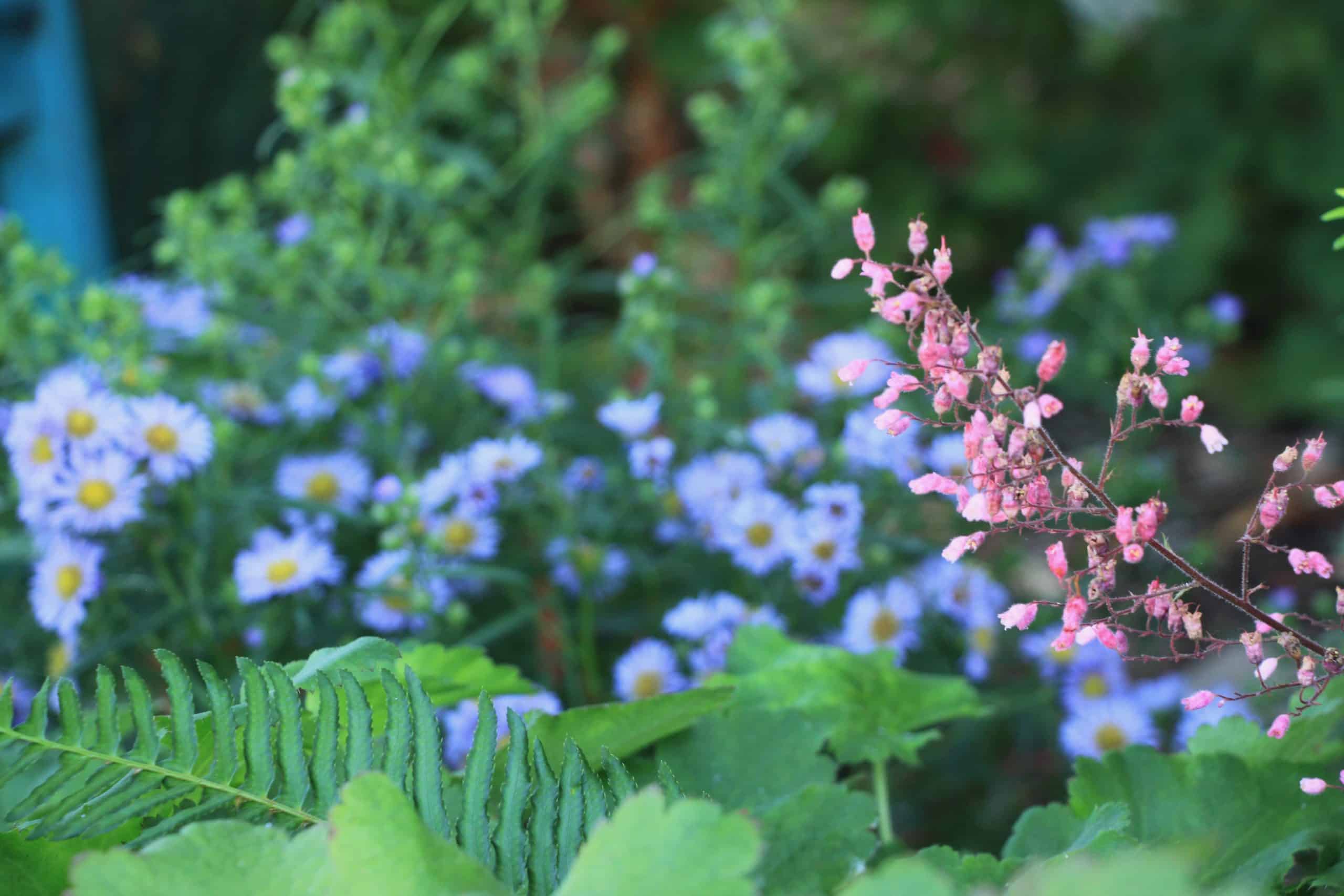
• Stroll across the street to neighbor David Keller’s house.
Gardening for Wildlife
Cedar waxwings have had parties in the toyon, and flocks of Bewick’s wrens stop in. Berries, fruit, seeds, nectar and pollen sources, basins of water for wildlife, many keystone species, and tall shrubs provide shelter for wildlife, and attract native bees and a variety of birds, including Bewick’s wrens, robins, mockingbirds, mourning doves, song sparrows, and more.
Keystone species (watch this talk by Doug Tallamy!)
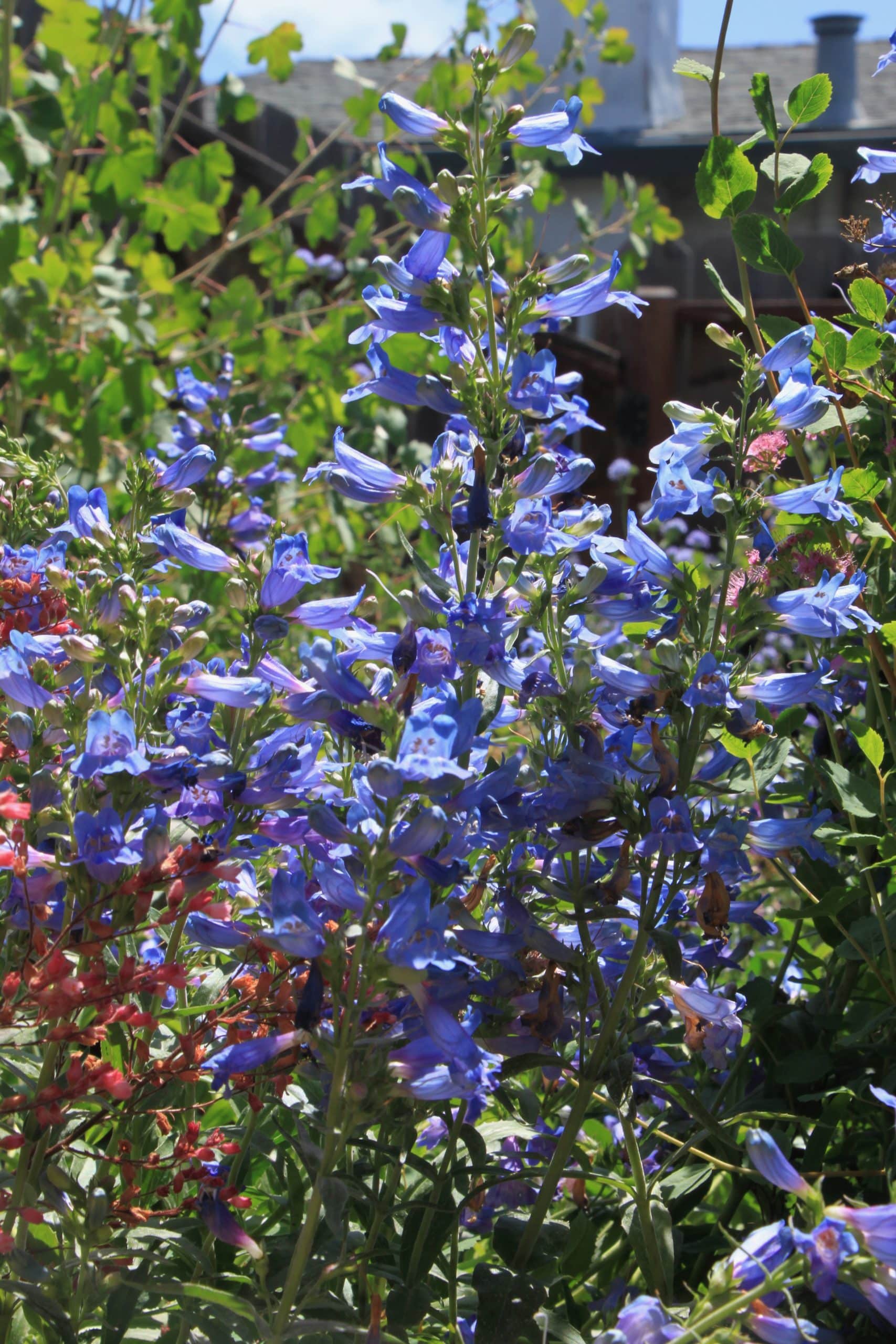
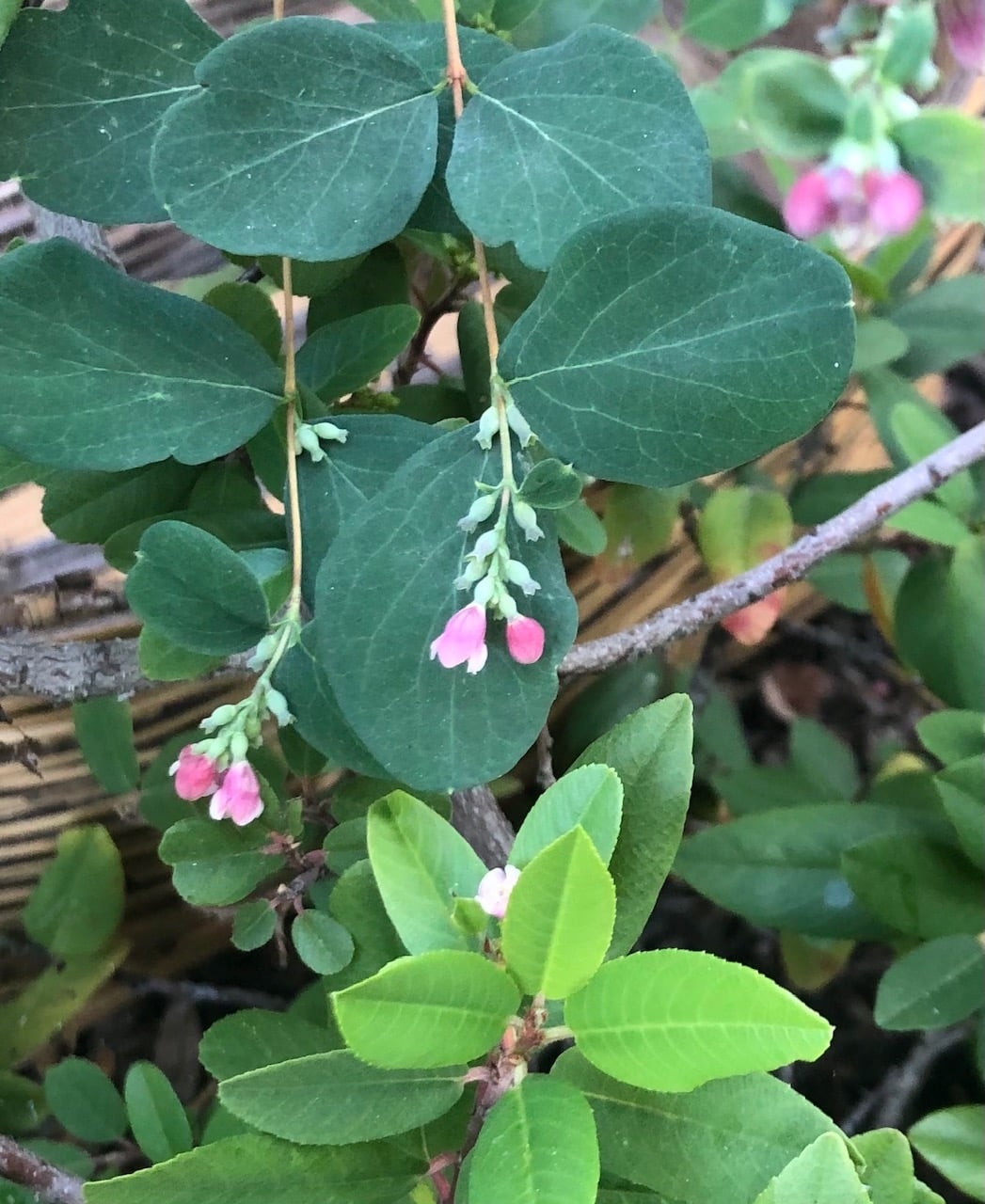
Keystone species—our own, local ecological powerhouse plants— in this garden include fuchsia flowering gooseberry, Catalina cherry, California lilac, manzanita, snowberry, buckwheat, coffeeberry, lupine, wild rose, aster, goldenrod, woodland and beach strawberry, coyote brush, and penstemon.
 Are you interested in native plant gardens at schools?
Genie (now eighty, if you can believe it!) was an educational therapist before she retired. At Prospect Sierra Elementary School in El Cerrito, (which is on the Tour this year!) where she helped children who needed extra support, Genie designed and she and teacher Melody Esquer Gil planted a 6,000 sq. ft. beautiful, low-maintenance, water-conserving native plant garden, which took the place of the scruffy lawn.
Here is a video on the Prospect Sierra Elementary School’s native plant garden. Garden Tour day is the day for Genie to talk about her home garden, but ask if you can reach out to her later if you would like to learn more about turning schoolyard lawns into a vibrant native plant gardens that can be incorporated into school studies in a variety of ways.
Wondering what to make for dinner? Try this recipe, submitted by Genie Barry
Luscious Lemon Lentil Soup
Photos
Click to see as a slideshow: