Showcase Feature
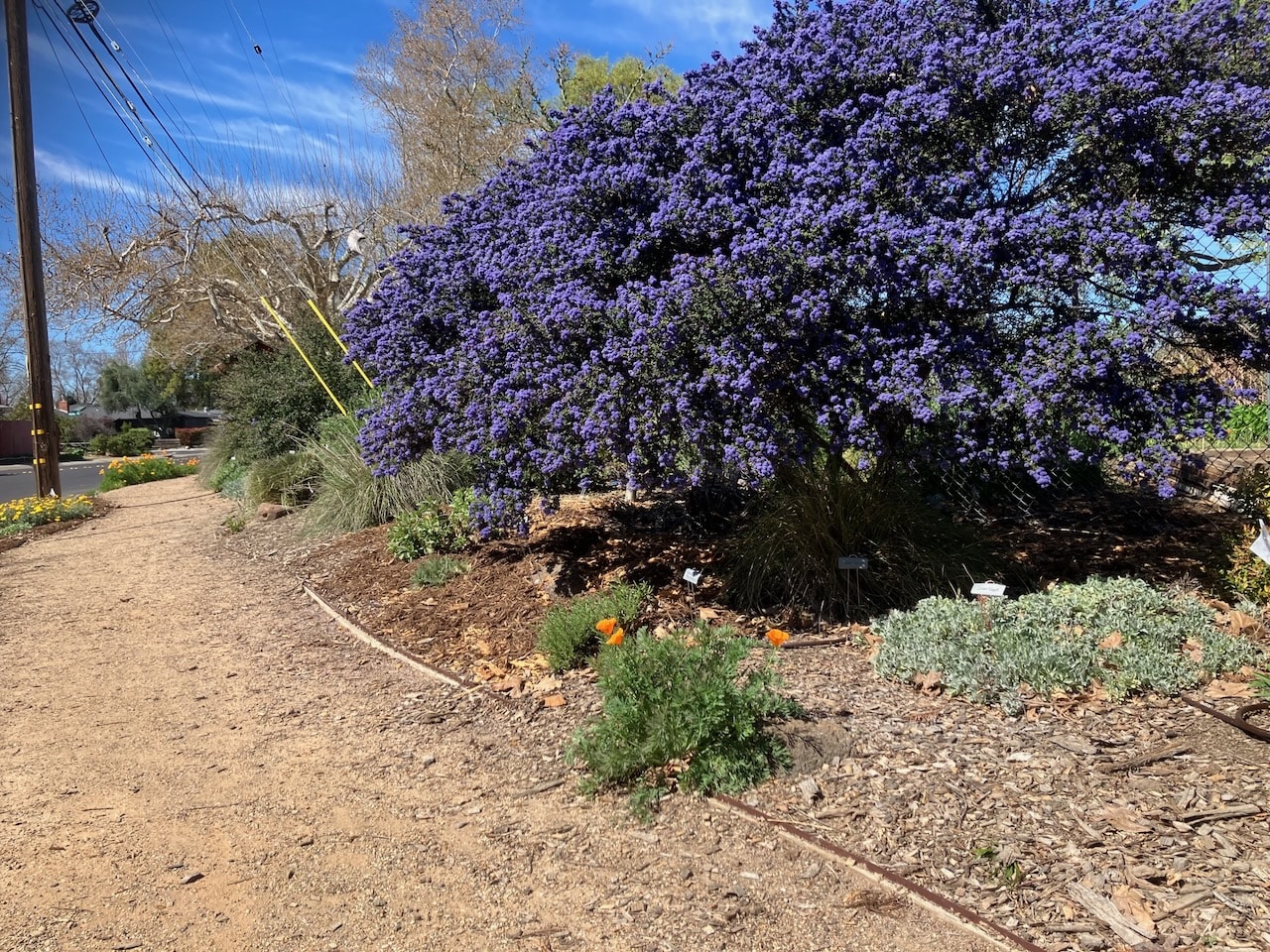
This native plant demonstration garden, designed, installed, and maintained by the Contra Costa Master Gardeners, was created to showcase native plants that will attract pollinators and flourish in Concord’s hot summers; can be incorporated into home, school, business, and public gardens; and will inspire the use of these beautiful, hardy, water-conserving plants that don’t require the use of pesticides, and do provide habitat for wildlife.
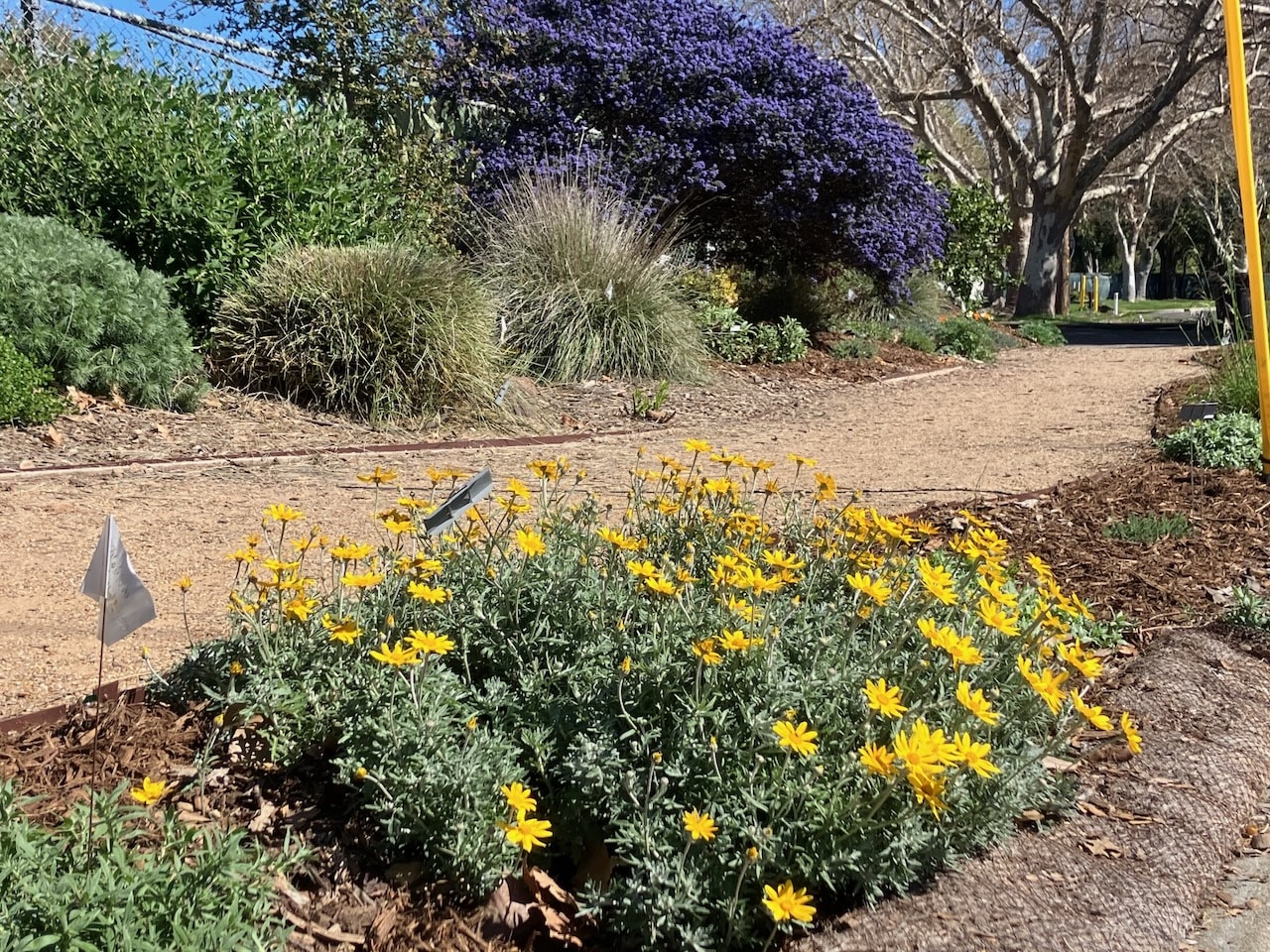
Created in 2022 from “a sea of weeds” growing in hard clay, this pollinator pathway extends about two hundred feet along a sidewalk located outside of the Gehringer Community Garden. Two planted areas are separated by an undulating decomposed granite path that meanders invitingly through the space. The pathway is about 8’ wide on the Garden side, and the parking strip ranges from about 18” to 2’ wide. (To read about how this project was started, go here.)
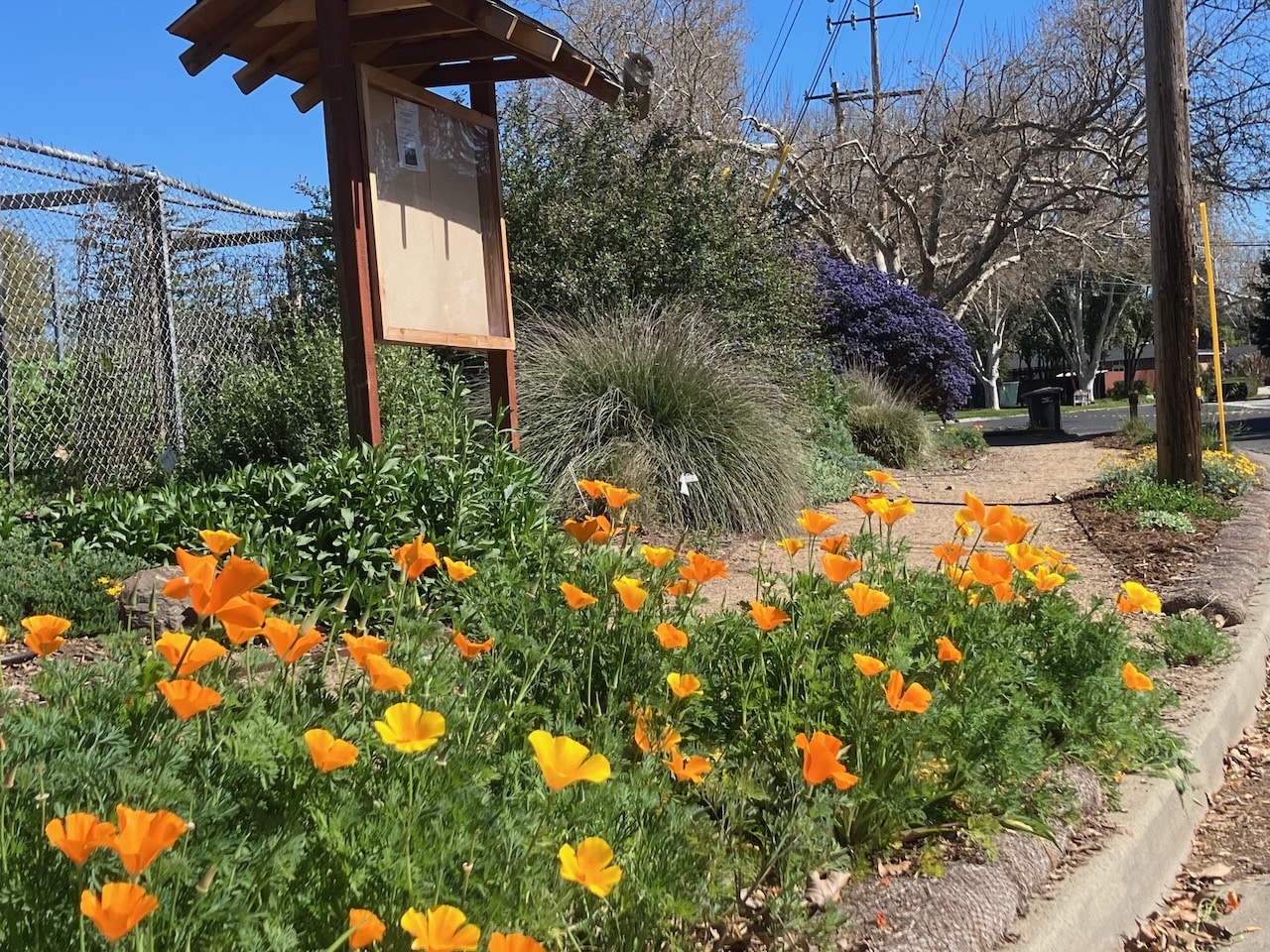
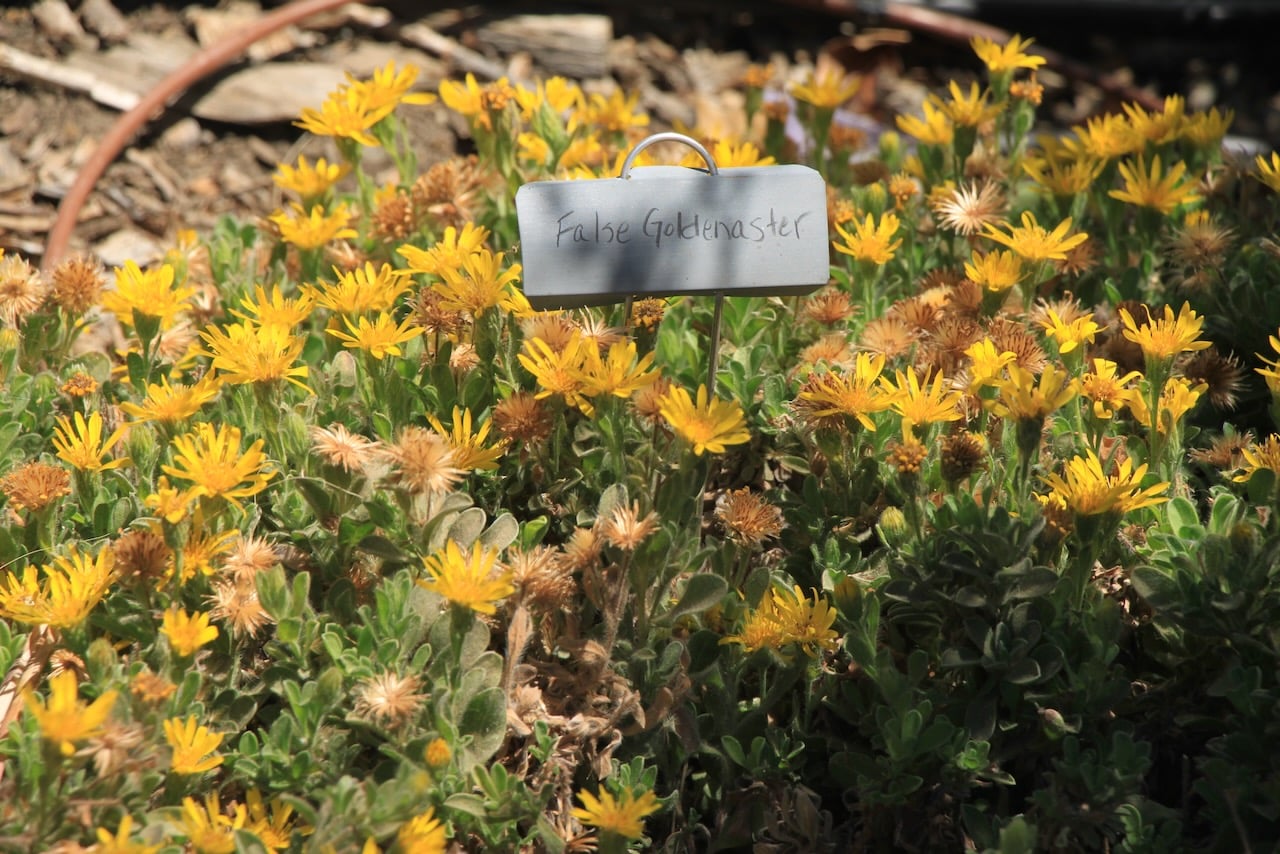
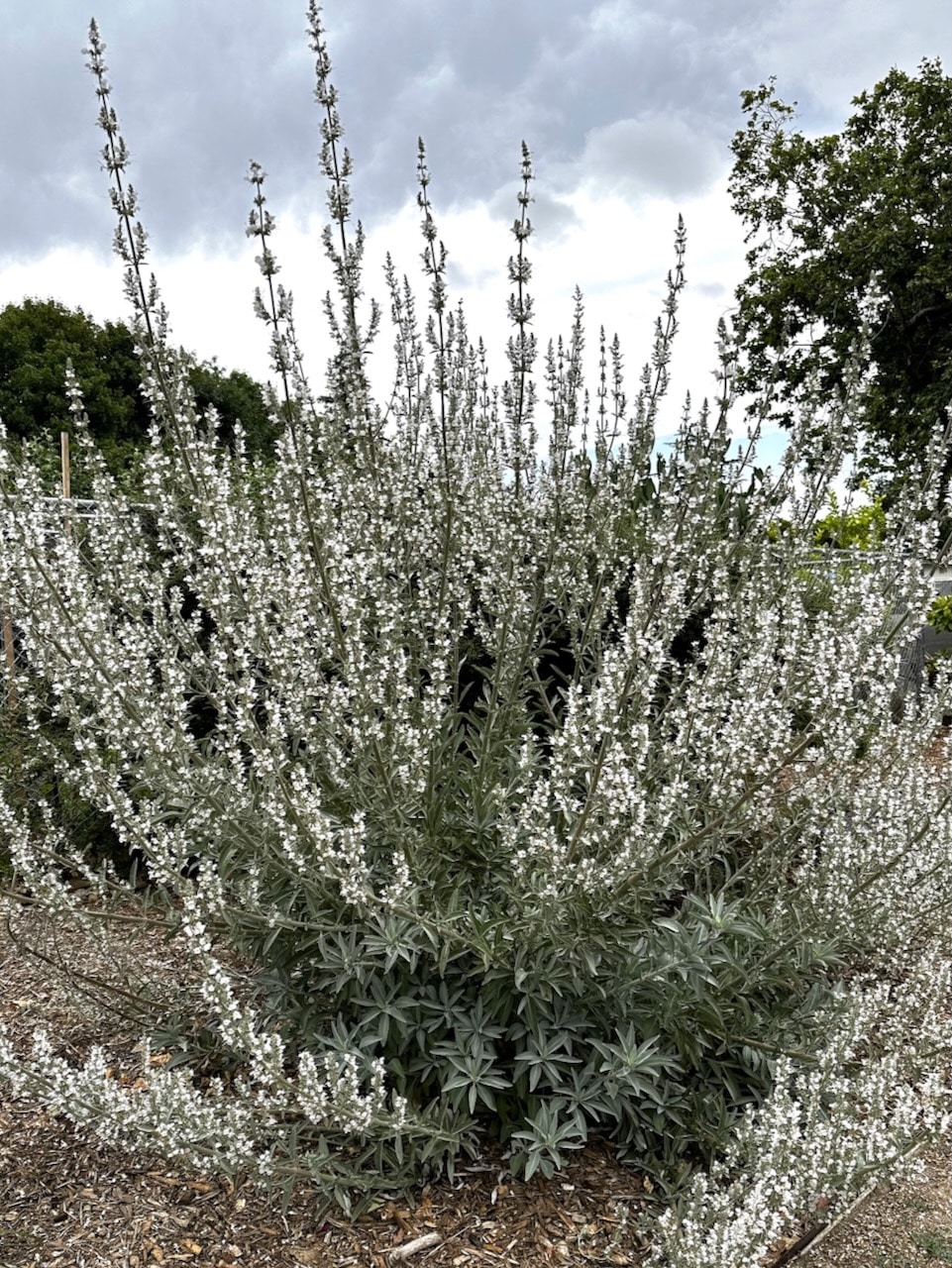
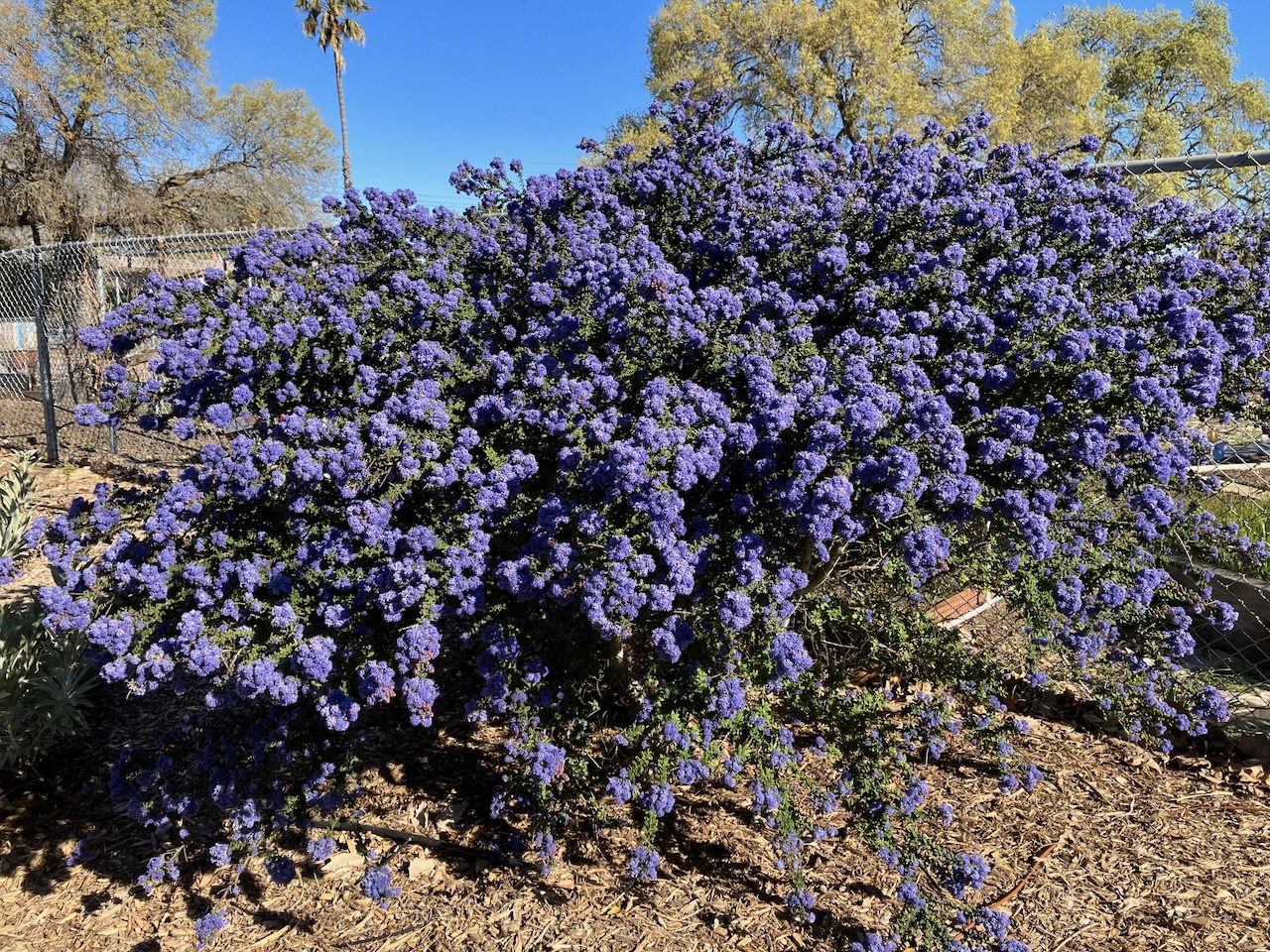
Among the pollinator-friendly plants in the pathway are eight kinds of California lilac, six types of manzanita, and a potpourri of sages, buckwheat, coffeeberry, and toyon. The shady half of the garden was planted with flowering currants, several varieties of coffeeberries, and Catalina cherries. In spring the garden contains a colorful mix of wildflowers, including Chinese houses in the shady areas, and poppies, lacy phacelia, gilia, and lupine in sunny spots.
Additional perennials, groundcovers, and annuals have been tucked around the shrubs for more color. A display kiosk for educational materials and a garden bench encourage the passersby to enjoy the plants and the wildlife that visit the garden.
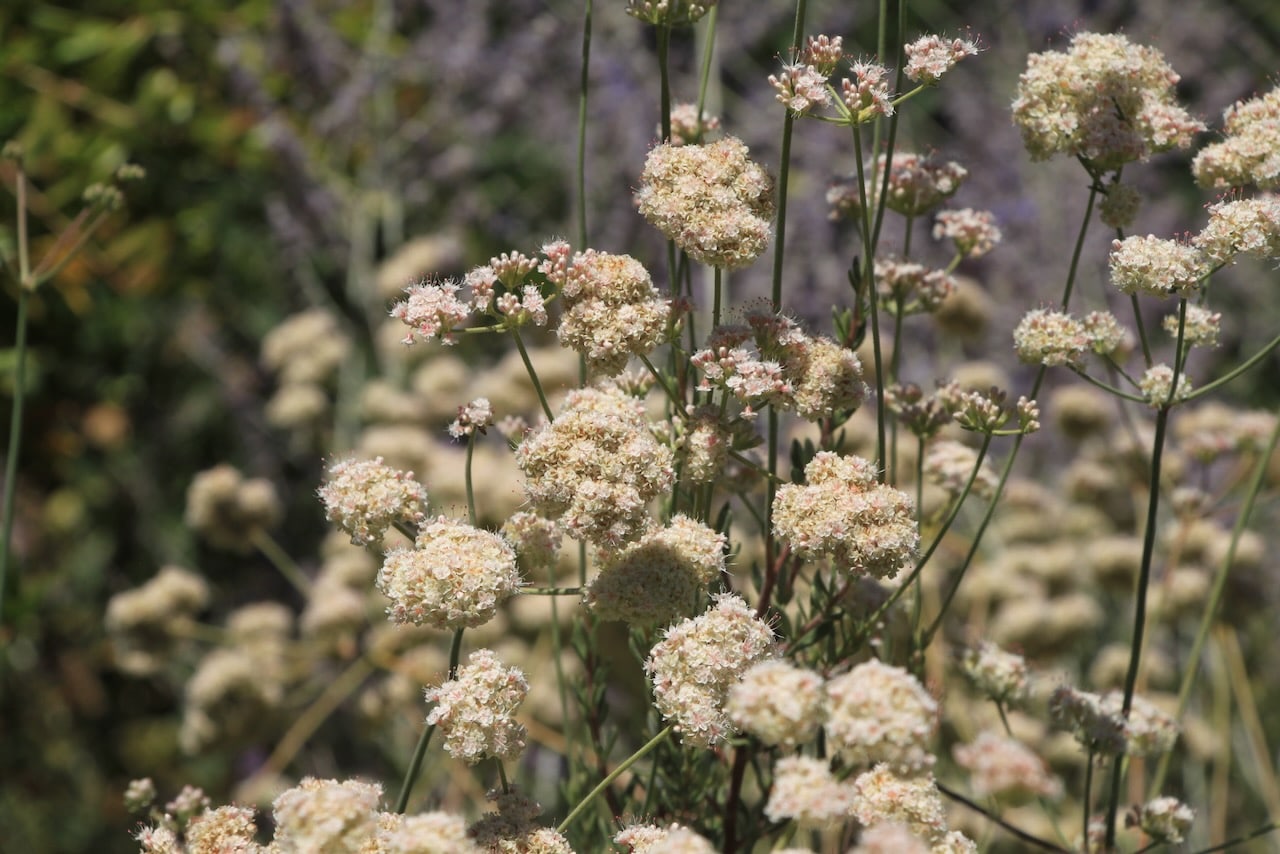
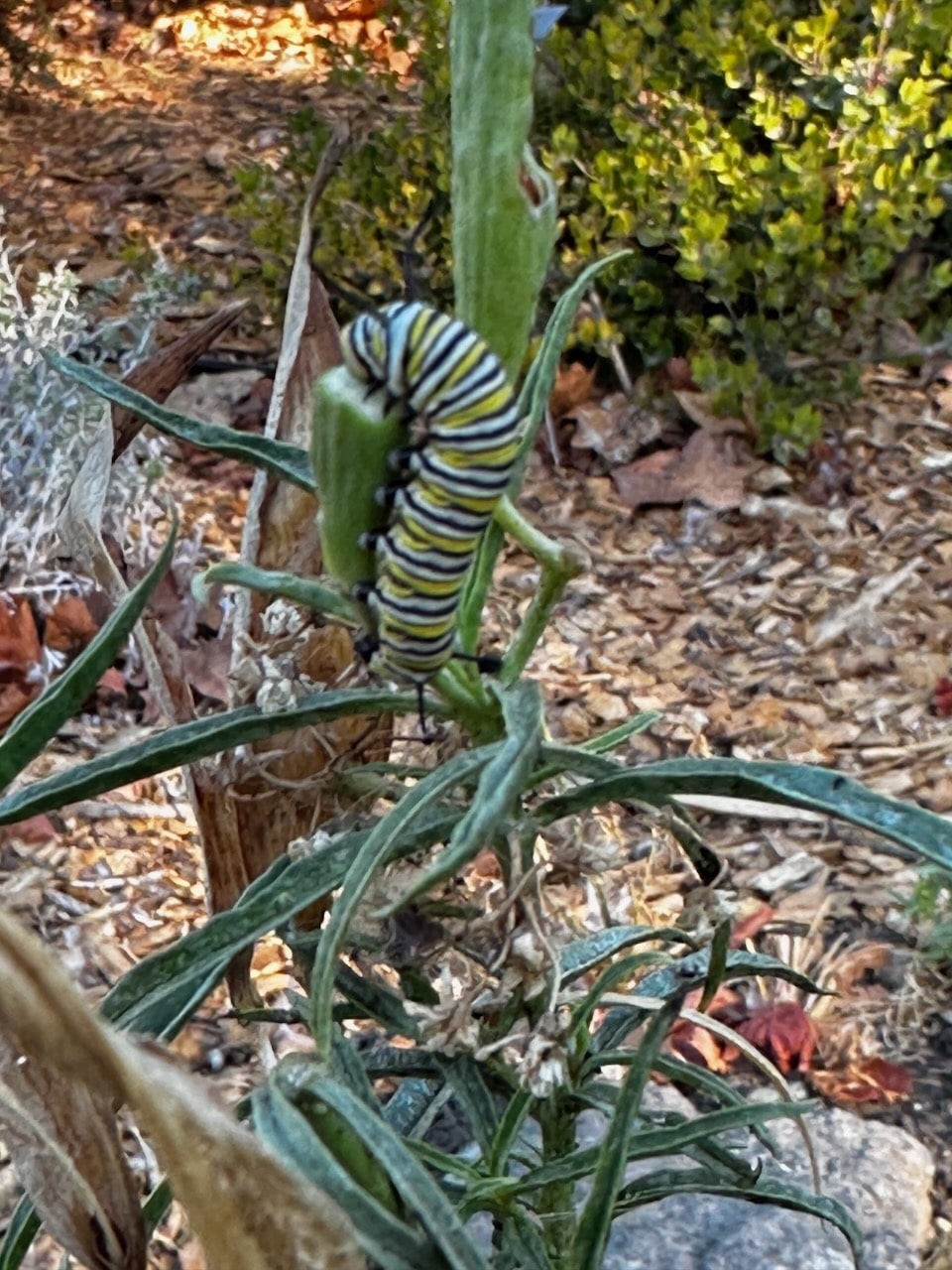
In early 2025 the narrow parking strip was tackled. Butterfly, native bee, and bird-friendly plants in the parking strip include milkweed for the monarchs, the ferny-leafed yarrow, with its cream-colored flowers (a great nectar plant for butterflies and native bees), a low-growing fuchsia, with its tubular fire-engine red flowers that attracts hummingbirds, and lavender-blossomed coyote mint, evergreen prostrate manzanita, and the always elegant common rush. Check out the parking strip, to see how well natives can survive in these harsh conditions.
The irrigation system runs four separate lines to accommod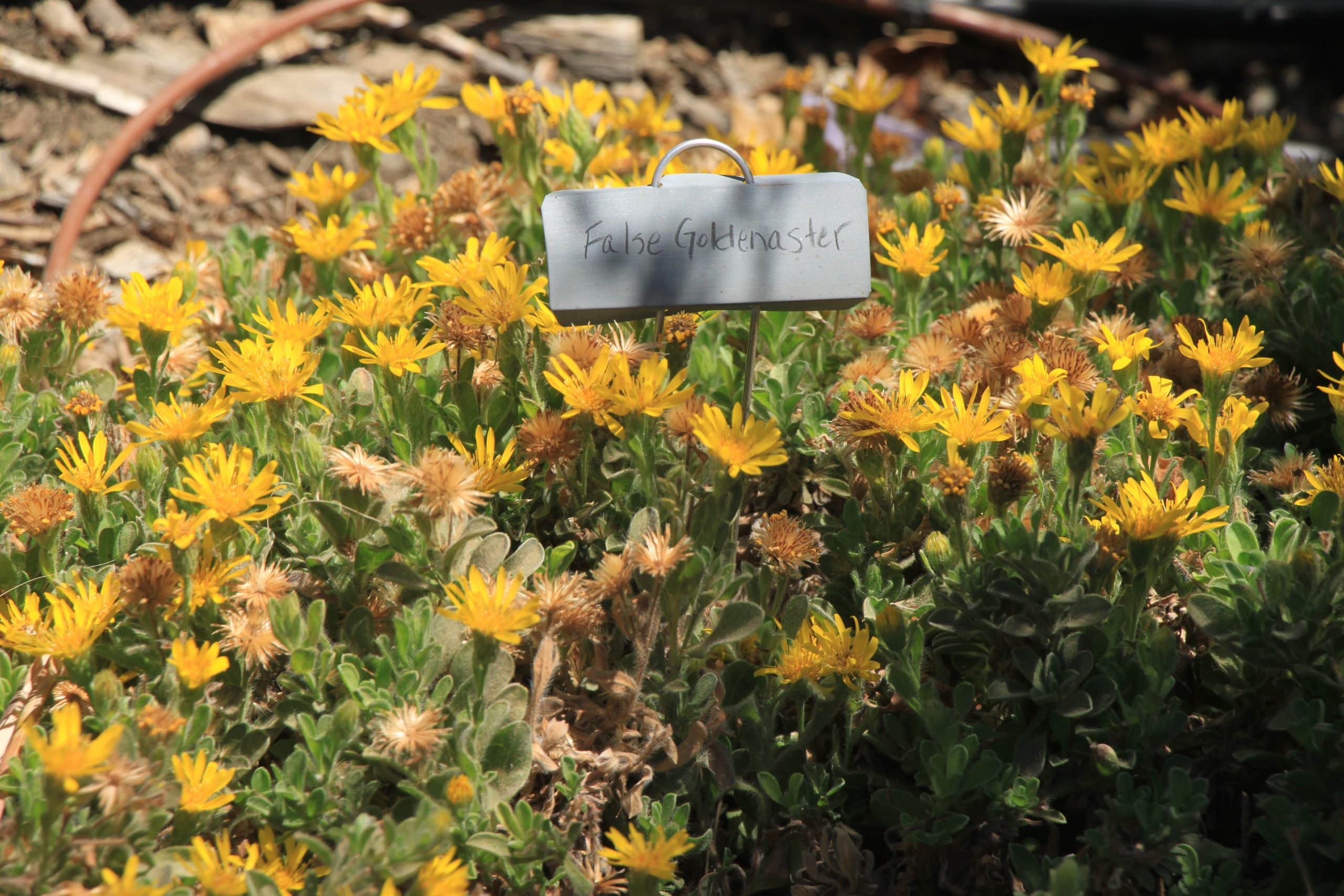 ate the specific needs of new plantings, summer-dry shrubs, and plants that need a little extra water. Master Gardeners will be happy to demonstrate this system and share what they have learned over the years.
Other Garden Attractions
-
- Pick up a pack of free native plant wildflower seeds.
- A port-a-potty with a handwashing station is available.
- Master Gardeners will be on hand to take you on a tour of the garden and to answer questions about your own native plant garden: ask them!
- Bring a picnic lunch and drink; you can enjoy your lunch at a shaded picnic table.
- Visitors are welcome to tour the large attached community garden, with its potpourri of edibles. (Eyes only please; don’t pick fruit, vegetables, or flowers.)
- Visit the Contra Costa Water District’s table, chat with their friendly staff member, and find out how you can receive a rebate of up to $2,000 to remove and replace your lawn with a water-wise garden! Information will be available on the District’s Lawn to Garden Rebate Program, and also how you can get a free landscape garden design—if you include 70% or more natives in your new plan you can have your own garden on the Tour!
Gardening for Wildlife
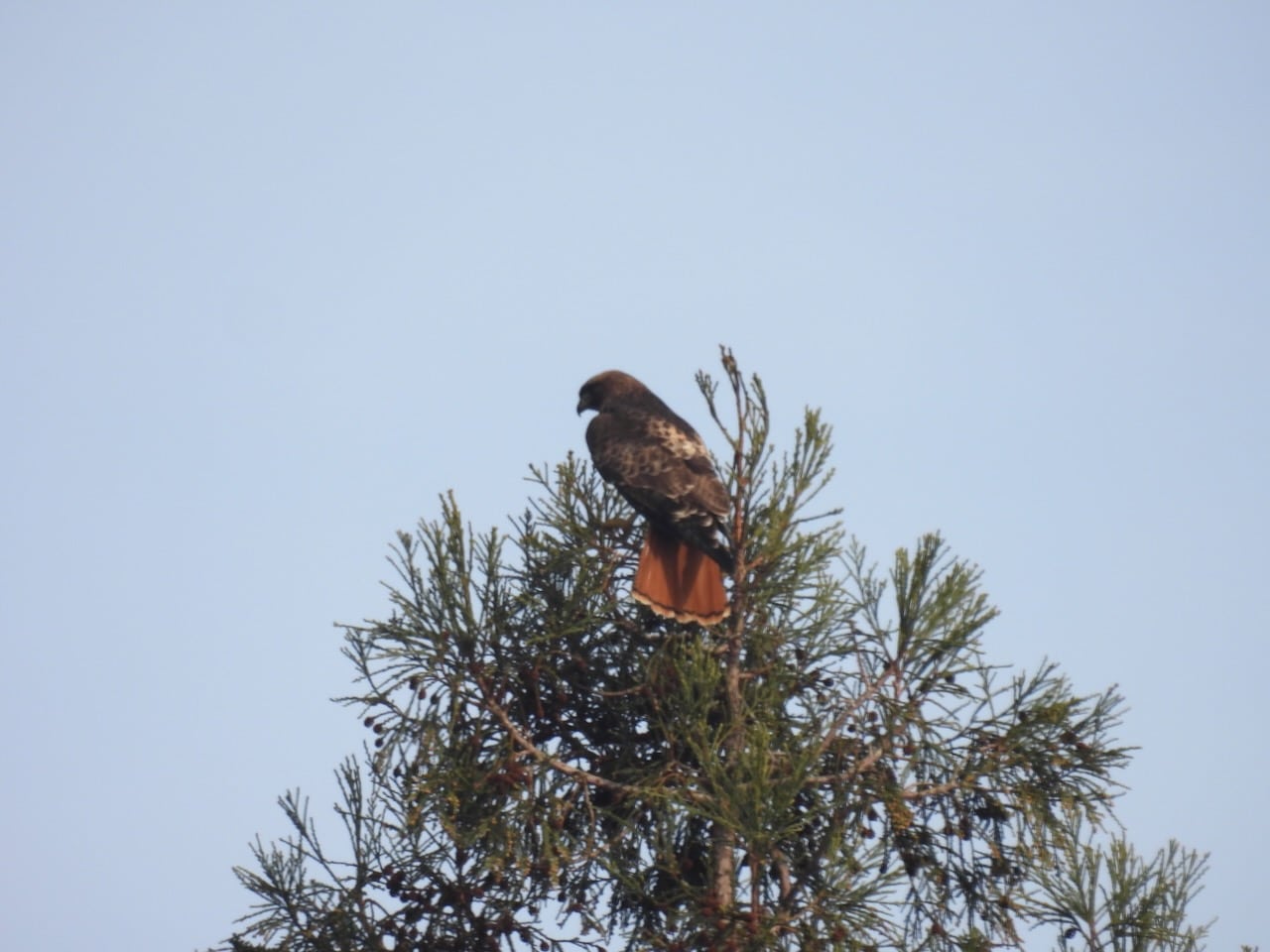
Birds, butterflies, and native bees have flown, fluttered, and buzzed in since the natives were planted. Bluebirds and white-crowned sparrows flit about the garden, searching for insects; red-tailed hawks soar overhead. Monarch butterflies lay their eggs on the narrow-leafed milkweed that has been provided for them—milkweed is the only plant this beautiful butterfly, whose population is in steep decline, can lay its eggs on.
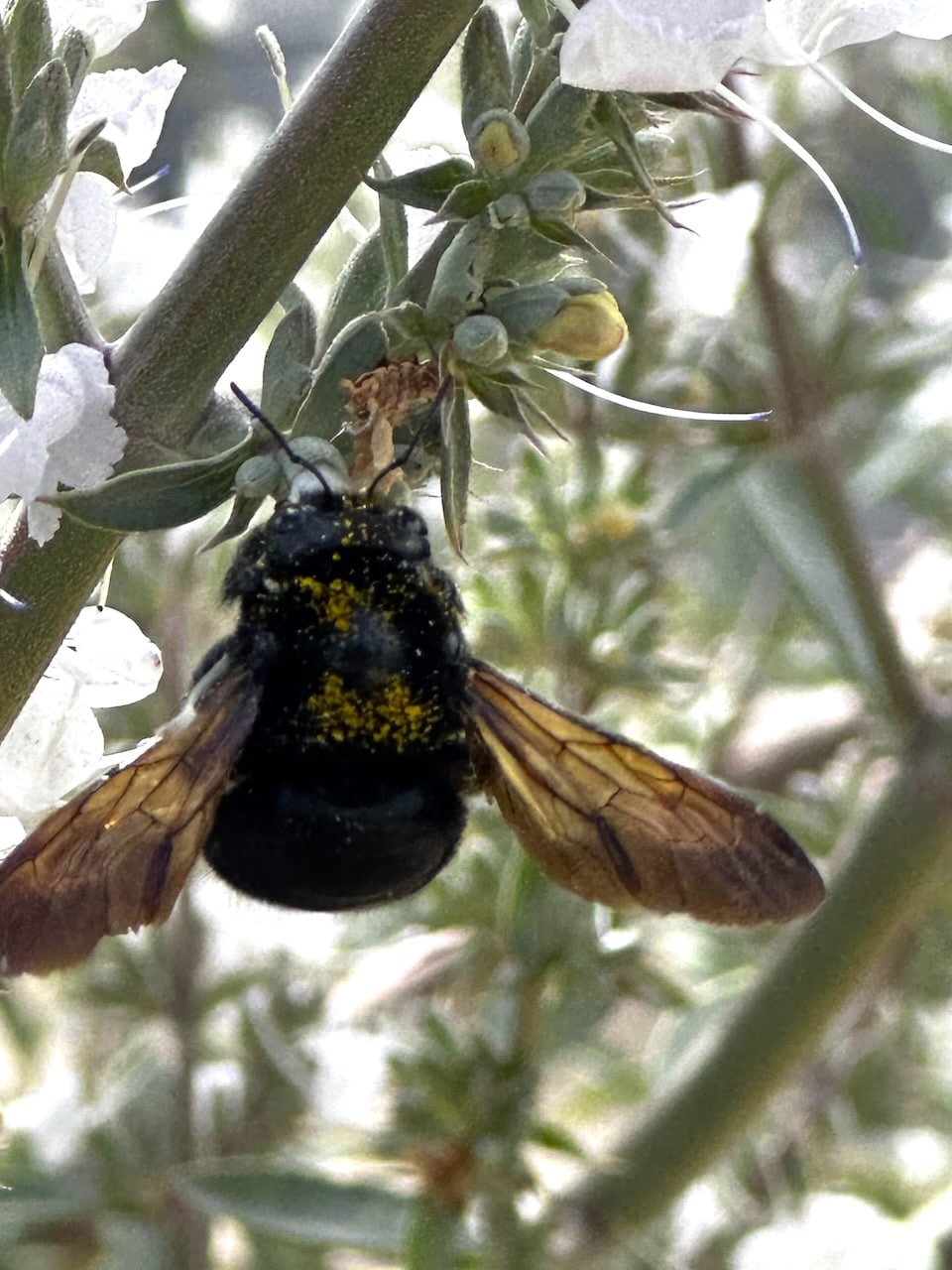
Yellow-faced bumble bees and golden Valley carpenter bees gather pollen from the flowers. Western aphid eaters visit the garden to snack on aphids. When not noshing on insects, Western fence lizards bask in the sun. A bluebird nestbox was installed inside the fence in 2024, and the proud bluebird parents fledged five chicks in 2025. Other birds seen in or above the garden include Bewick’s wrens, oak titmice, chestnut-backed chickadees, Anna’s hummingbirds, black phoebes, house finches, lesser goldfinches, bushtits, California scrub-jays, and Swainson’s thrushs.
You can see photos of the wildlife and native plants on the Garden’s iNaturalist page.
Keystone species (watch this talk by Doug Tallamy!)
Keystone species—our own, local ecological powerhouse plants— in this garden include currants, huckleberry, California lilac, manzanita, aster, buckwheat, sages, ocean spray, coffeeberry, coyote brush, and penstemon,
Parking – there is plenty of parking in the lot adjacent to the garden
At least partially wheelchair accessible? Yes
Photos
Click to see as a slideshow: