Showcase Feature
In 1997 forward-thinking Tri-City Ecology Center members saw possibility in what was then a Bermuda grass lawn surrounding the the newly-created Museum of Local History. Undaunted by the Bermuda grass (well, maybe just a little), they did a lot of weeding, and installed the original garden. (Check out the “before” and “during” photos!)
Fast forward to 2012, when Fremont resident and long-time native plant advocate Phil Stob redesigned this corner lot and created the attractive, low-maintenance native plant garden that you see today. Pesticide-free, watered only by rainfall, and maintained once a month by volunteers, this garden is a model of what other publicly-owned properties could look like.
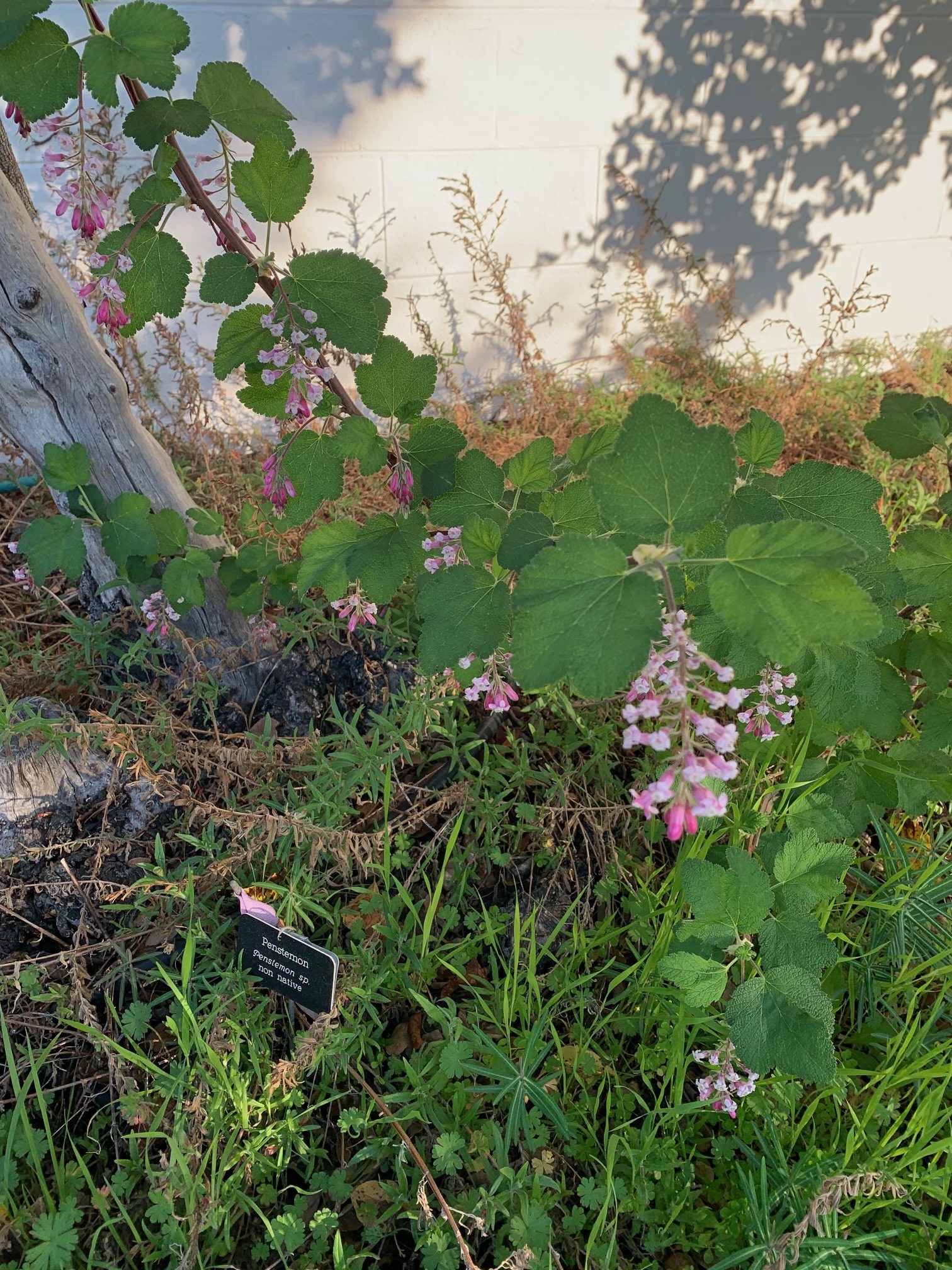
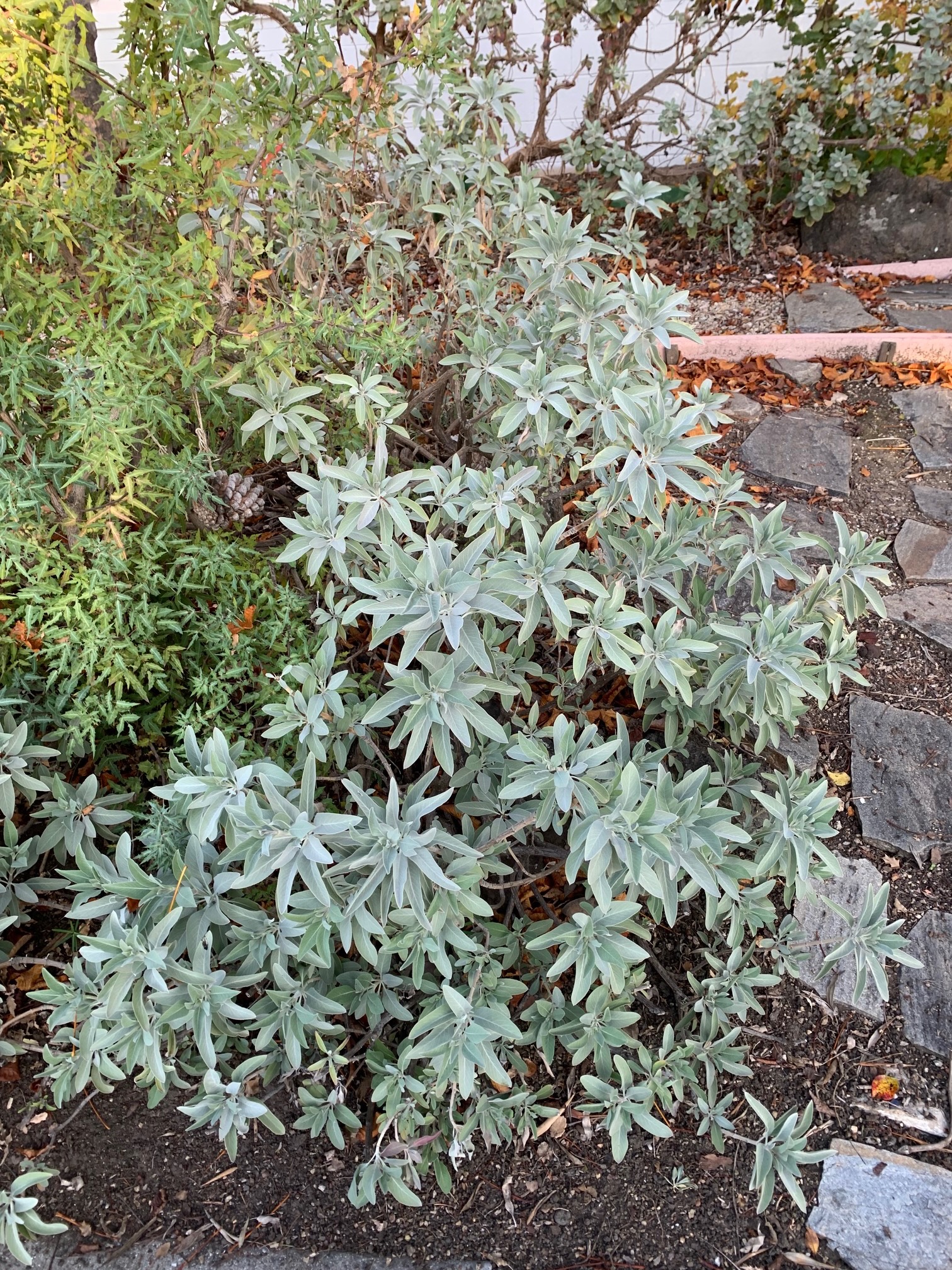
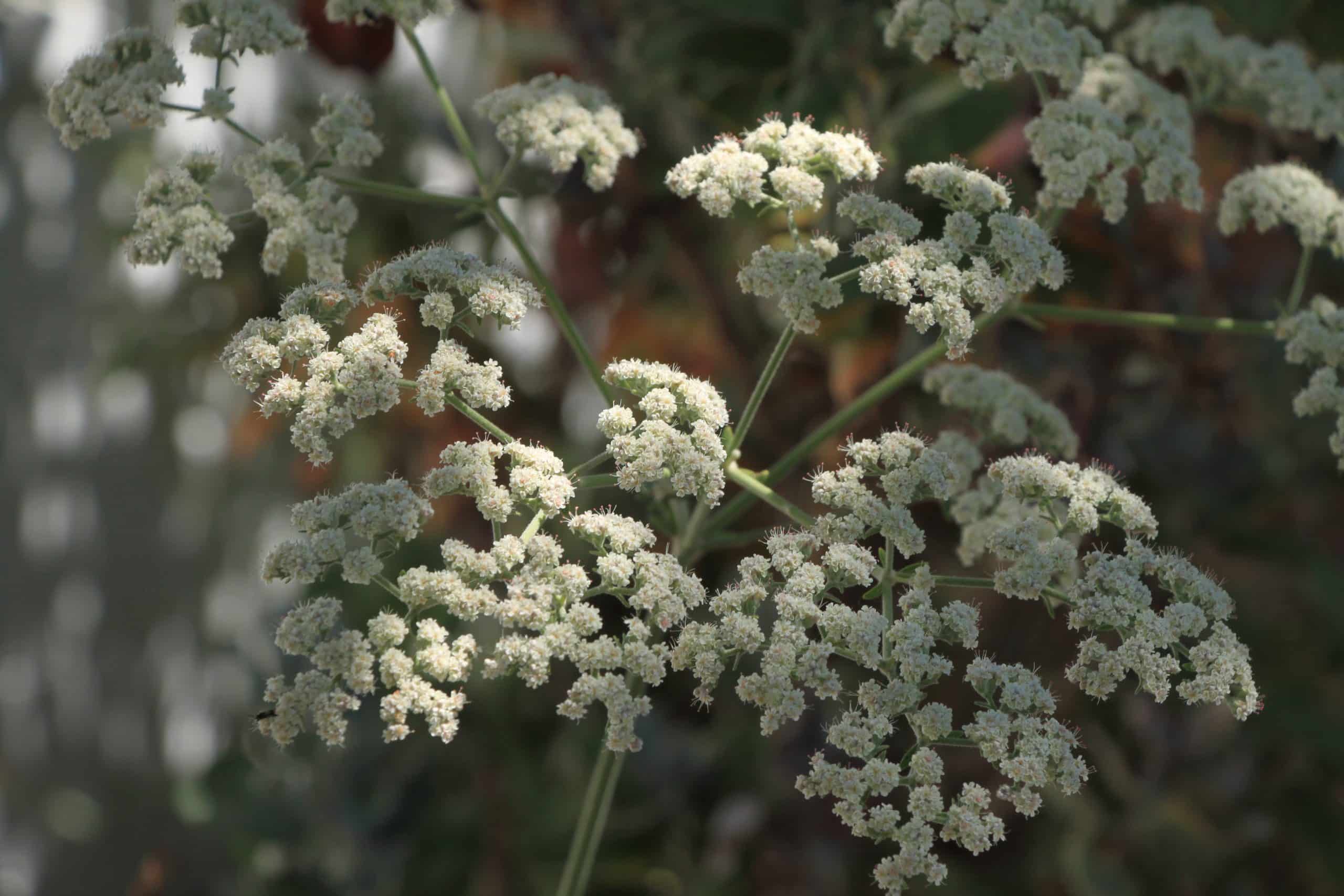
Aromatic evergreen sages and mugwort anchor the front garden. In the side yard a gently-curving path is bordered by St. Catherine’s lace, with its large clusters of buoyant pinkish-white flowers, coast silk tassel, white sage, and California lilac. In summer the eye-catching native fuchsia, with its bright tubular red blossoms, attracts hummingbirds and passers-by.
A coast live oak, reminiscent of the groves of oak trees that once graced the tri-valley area, flourishes in in the parking strip.
 The Museum of Local History, located in a former fire station, will be open on the day of the Tour! Pop in to see mammoth teeth found in the nearby rich fossil deposits, a piano that was shipped around the Horn in 1860, buggies from the 1800s fortuitously salvaged from old barns, and more.
The garden is maintained on the second Sunday of each month by a friendly group of native plant aficionados: if you would like to join these volunteers, reach out to info@museumoflocalhistory.org.
Other Garden Attractions
- Restrooms are available!
- Bring a picnic lunch and enjoy it in the shady side garden while nestling on the former church pews—now benches.
- The plants in this garden receive only rainwater.
Gardening for Wildlife
Owls nest in the palm trees that overlook the native plant garden. A bird bath gives our avian friends access to water. Native bees and butterflies visit the garden; lizards shelter in it, snacking on insects when not basking in the sun.
Keystone species (watch this talk by Doug Tallamy!)
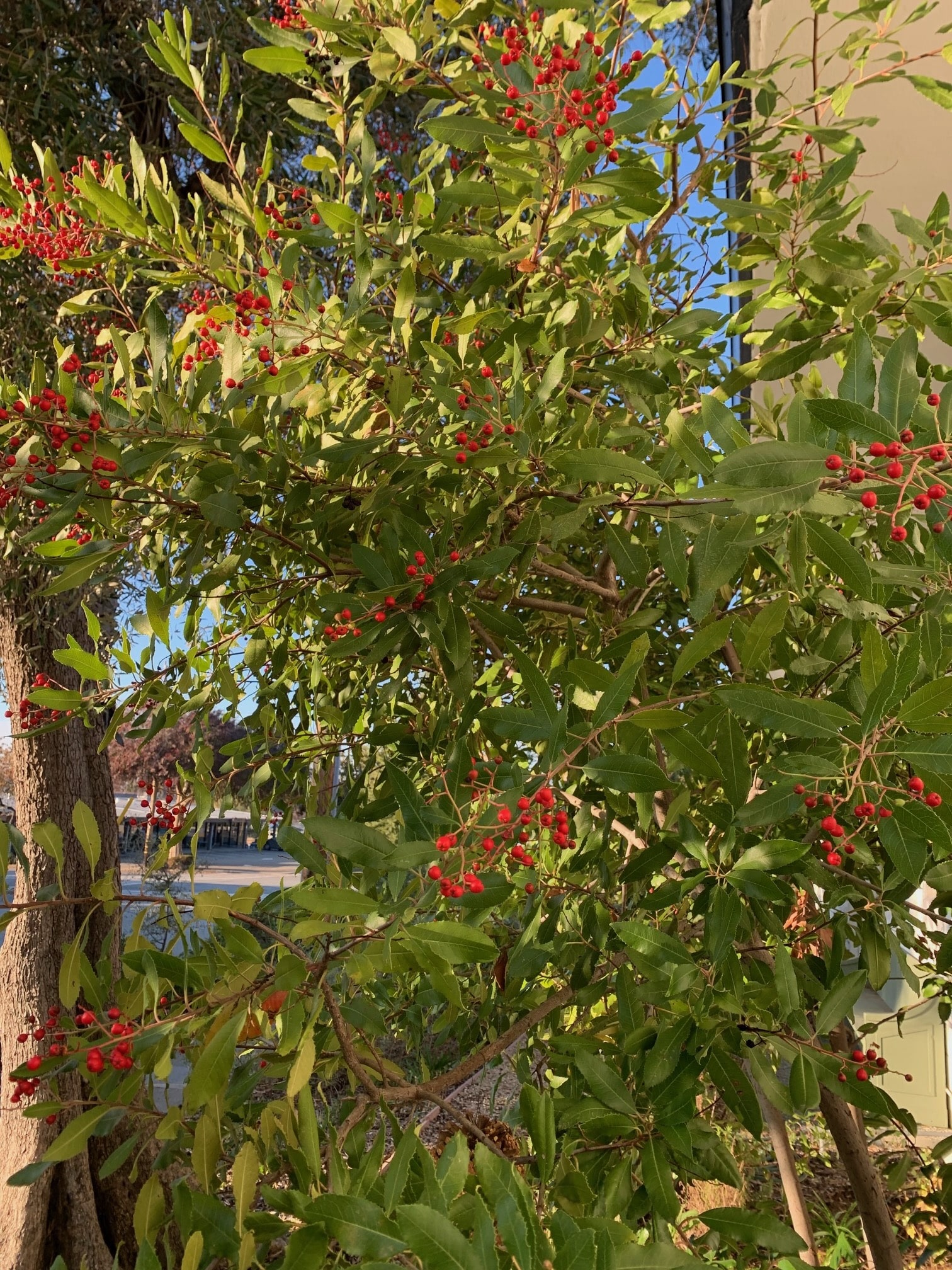
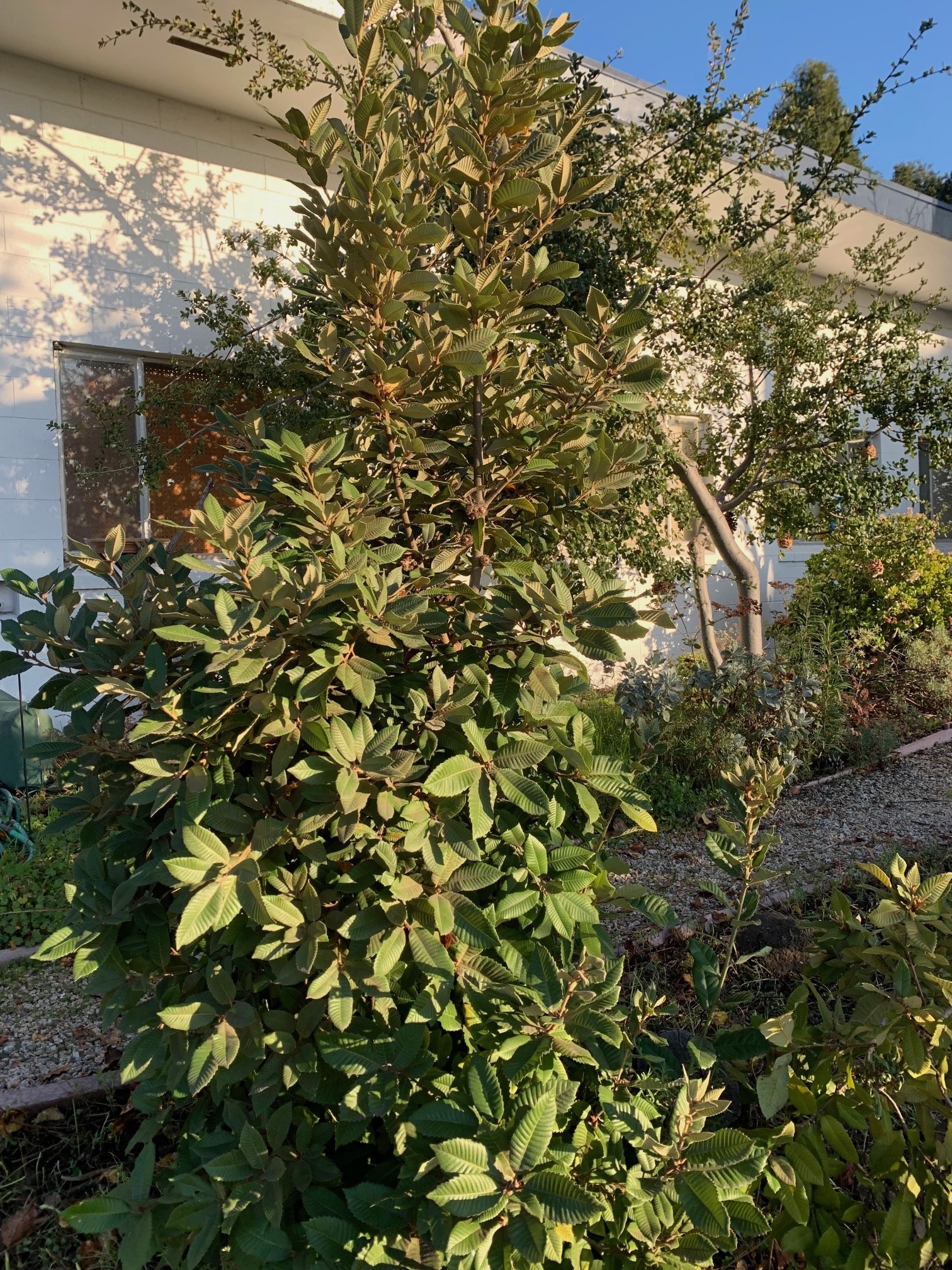
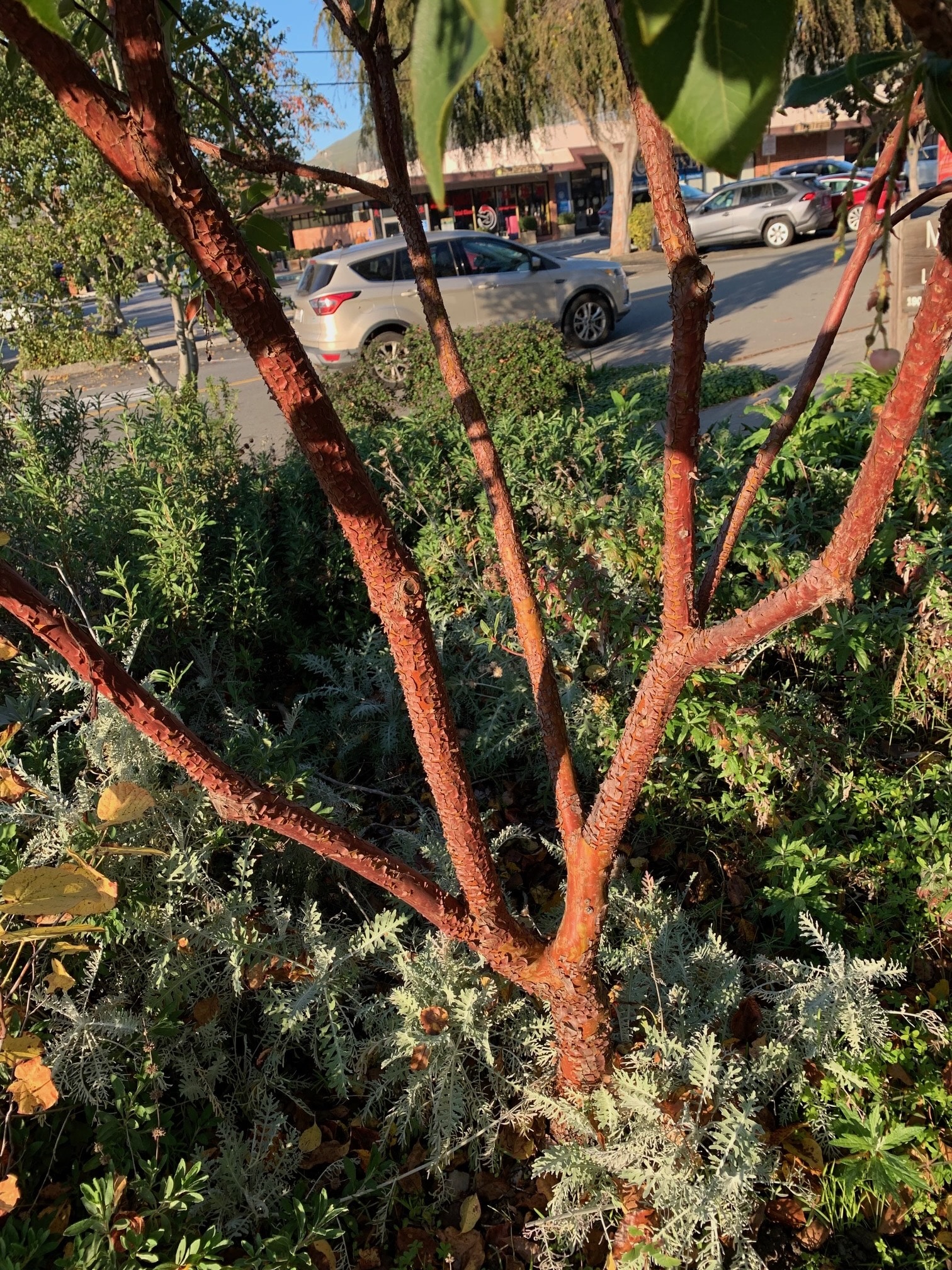
Keystone species—our own, local ecological powerhouse plants— in this garden include coast live and tan oak, manzanita, California lilac, sage and sagebrush, buckwheat, coffeeberry, and penstemon.
At least partially wheelchair accessible? Yes
Photos
Click to see as a slideshow: