

Pollinator Post 3/2/23 (2)

How did I manage to miss this Woodrat nest next to the trail after having walked the Skyline Trail regularly for more than a year? The large, cone-shaped nest has been built at the base of a large bay tree and surrounded by smaller trees. I look around – just about 20 feet away is another nest. A truck rumbles past and I realize that the second nest is barely down the hill from Grizzly Peak Blvd.! I have seen numerous other Wood Rat nests along the trail, but never this close. Perhaps the winter die-back of the shrubby undergrowth has made the nests more visible.
The Dusky-footed Woodrat, Neotoma fuscipes is native to oak woodlands and chaparral throughout the Coast Ranges, from California to Oregon. Superficially similar in appearance to the common house rats, but with larger ears and eyes, and furred tails, the woodrats are distinctly cuter. A nocturnal herbivore, the rodent is seldom seen. What gives their presence away are their large nests that can reach several feet in height, constructed with sticks, bark, and various plant matter. The nests usually have many rooms used for sleeping, nurseries, food storage; separate areas for pooping are cleaned out regularly. The nest is riddled with many tunnels, entrances and exits. The huge nest is usually inhabited by a single woodrat, and is handed down through the generations, continuously added on and refurbished The woodrats eat a variety of plant matter, including leaves, branches, fruits and nuts, some of which they store and age in their larders. The Dusky-footed Woodrats of California have been found to selectively place California bay leaves around the edges of their nest within their stickhouses as fumigants to control flea infestation. Woodrats share their houses with other animals, including mice, lizards, salamanders, snails, and the occasional snake.

Hey, the snow storm has not destroyed the emerging Giant Trillium, Trillium chloropetalum. In fact the plants look like they’re about to bloom soon!
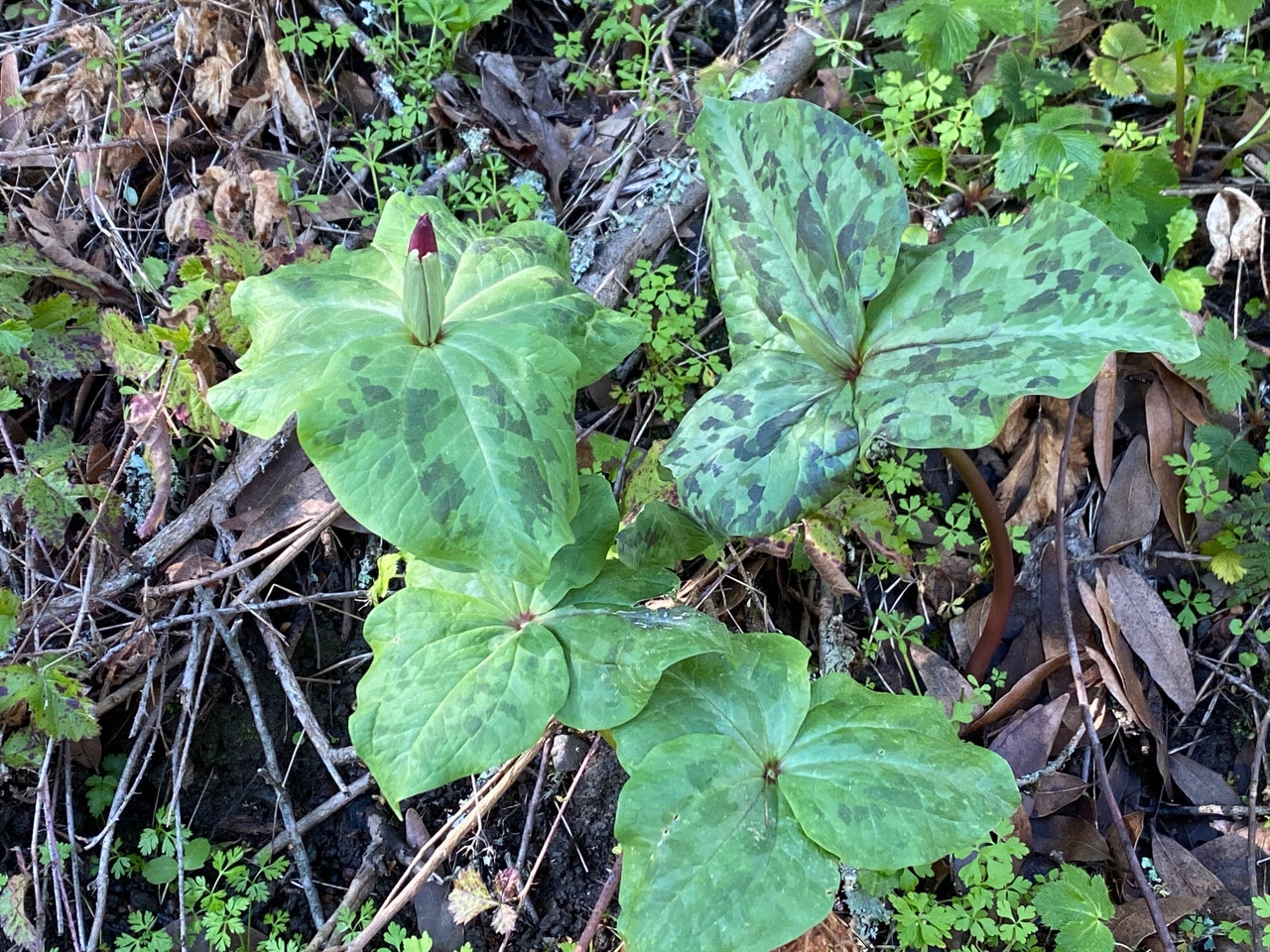
It is easy to find the trilliums once you know where they have bloomed. They are perennials, emerging from their thick underground rhizomes quite predictably in early spring.
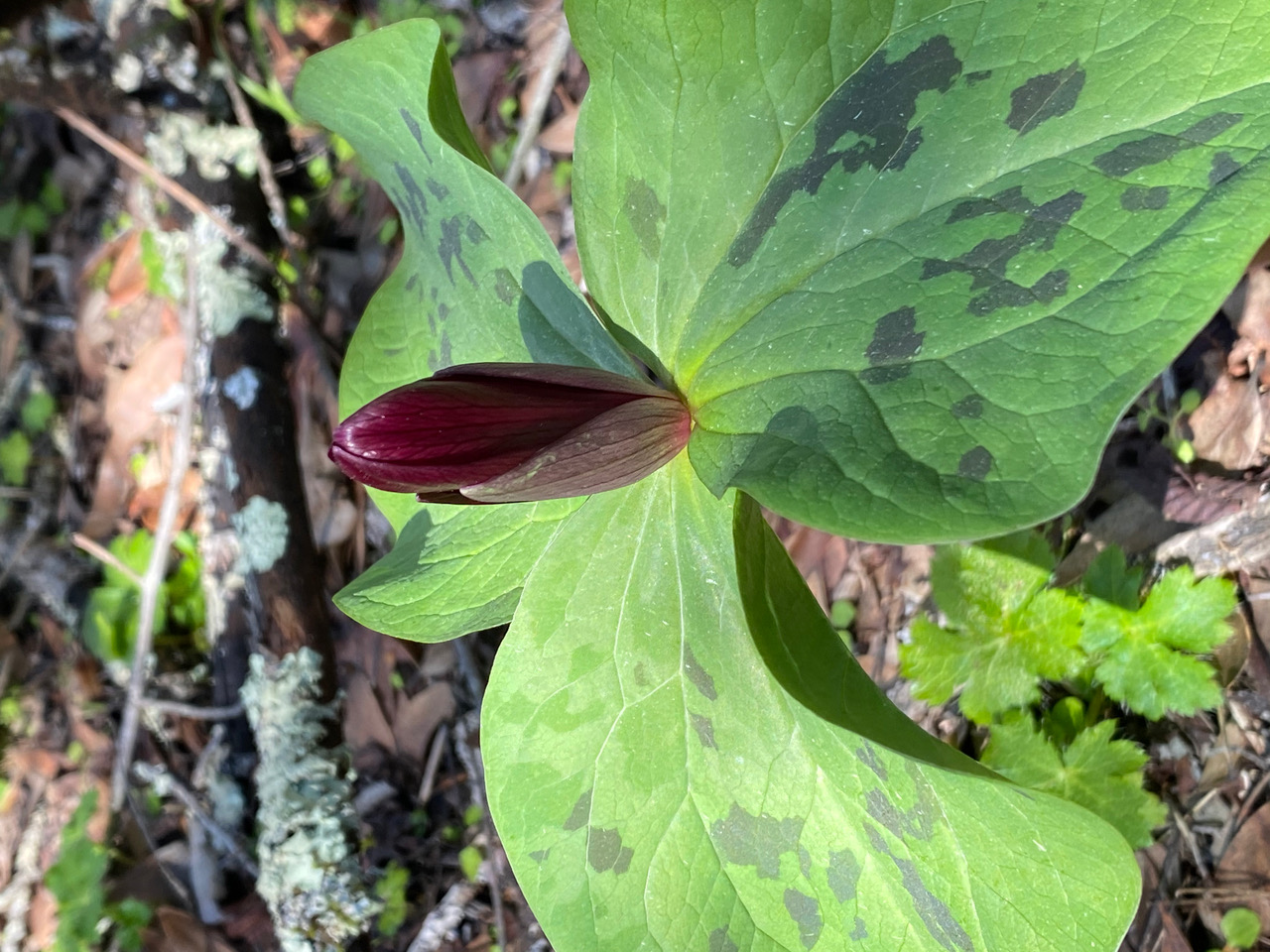
The flower of the Giant Trillium has no stalk. T. chloropetalum belongs to subgenus Sessilium, the sessile-flowered trilliums. In contrast, the other common trillium in our area, the Western Trillium, Trillium ovatum is pedicellate-flowered.
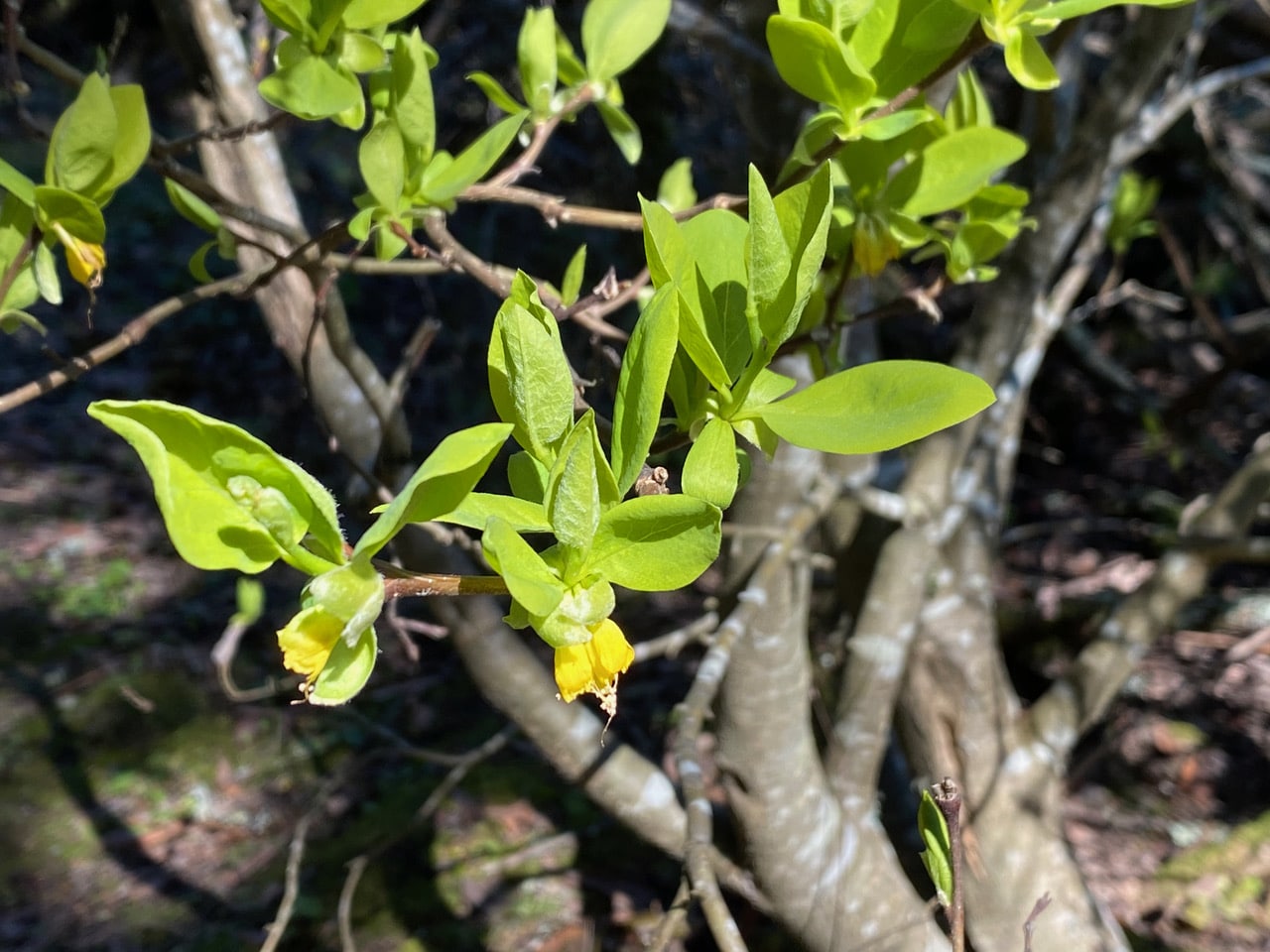 At the end of its brief blooming period, the Western Leatherwood, Dirca occidentalis is now leafing out in earnest.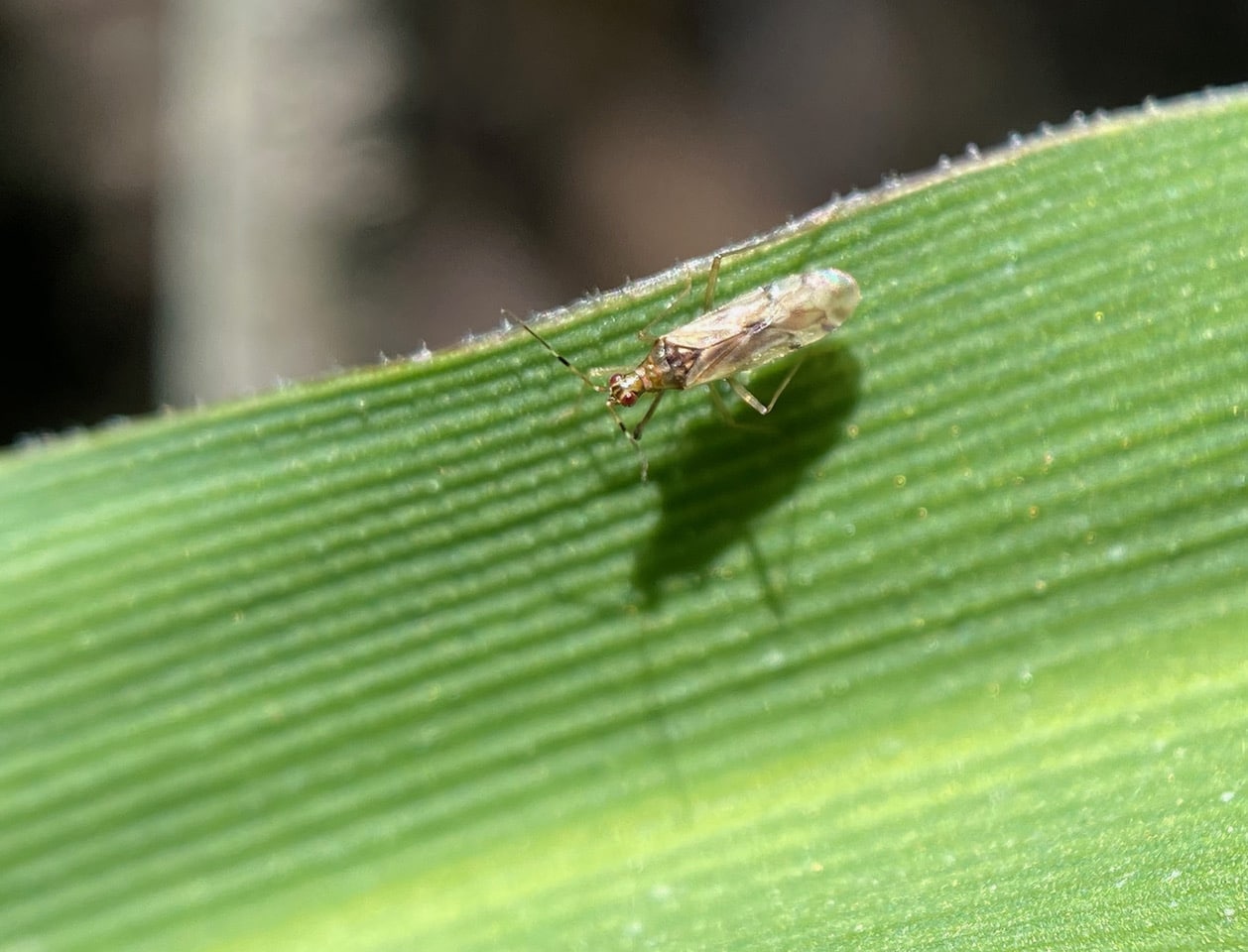
A small Plant Bug, Dicyphus sp. (family Miridae) walks on a leaf of the Soap Plant, Chlorogalum pomeridianum, its bronze body glowing like jewelry in the sun.
Miridae is the largest family of true bugs belonging to the suborder Heteroptera. Like all members of the order Hemiptera, Mirid bugs have piercing-sucking mouthparts. These small, soft-bodied creatures are distinguished by a four segmented antenna, a beak, and a cuneus on the front wings. Most widely known mirids are species that are notorious agricultural pests that pierce plant tissues, feed on the sap, and sometimes transmit viral plant diseases. Some species, however, are predatory.
The Plant Bug, Dicyphus hesperus is widely distributed over North America. It is predatory on many species of whitefly, aphids, lepidopterans and mites. It is currently used all over the world for control of pests on greenhouse and field crops.

Remember this picture from the previous post 3/2 (1)? I had wondered what the fly could possibly be feeding on, perched on the outside of the Osoberry corolla. An entomologist on iNaturalist has helped identify the fly as belonging to the superfamily of Empidoidea, consisting of Dance Flies and Long-legged Flies . The majority of these insects are predatory, often with large compound eyes (sometimes covering almost the entire surface of the head), and tend to be associated with moist, temperate habitats. Some have long straight probosces with which to stab their prey. Subsequently I have found some fascinating information about the habits of the Dance Flies. Apparently some species in the genus Empis are known for “nectar robbing”, referring to the behavior of some insects that obtain nectar through a hole pierced in the corolla, bypassing the normal channels that necessitate their contact with the reproductive parts of the flower. Thus, these nectar robbers do not contribute to pollination. The fly here might also be a “secondary nectar robber” using a pre-existing hole, e.g. one made previously by a more robust insect with mandibles strong enough to penetrate the base of the corolla where the nectar is stored. It’s a jungle out there!