Showcase Feature
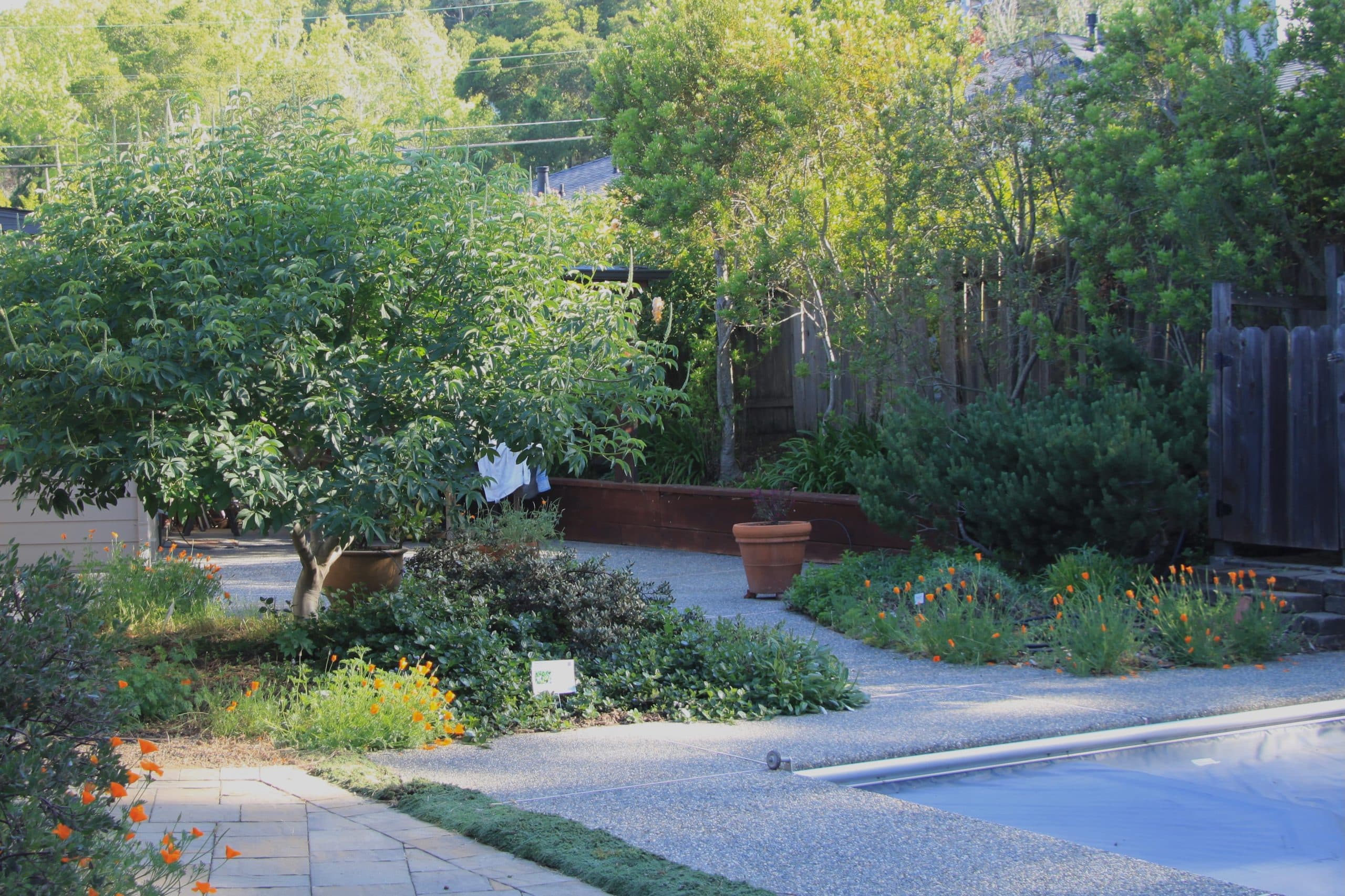
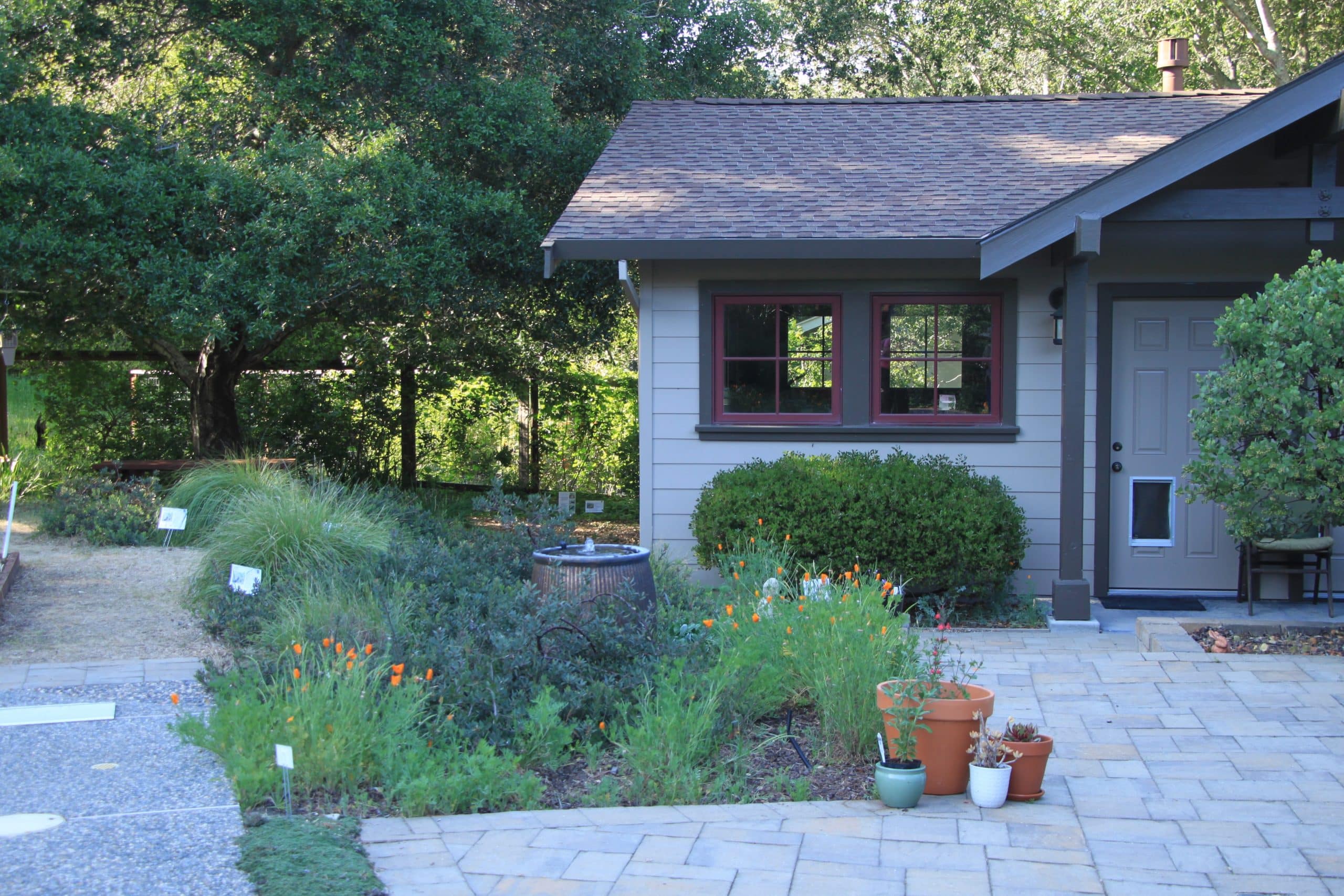
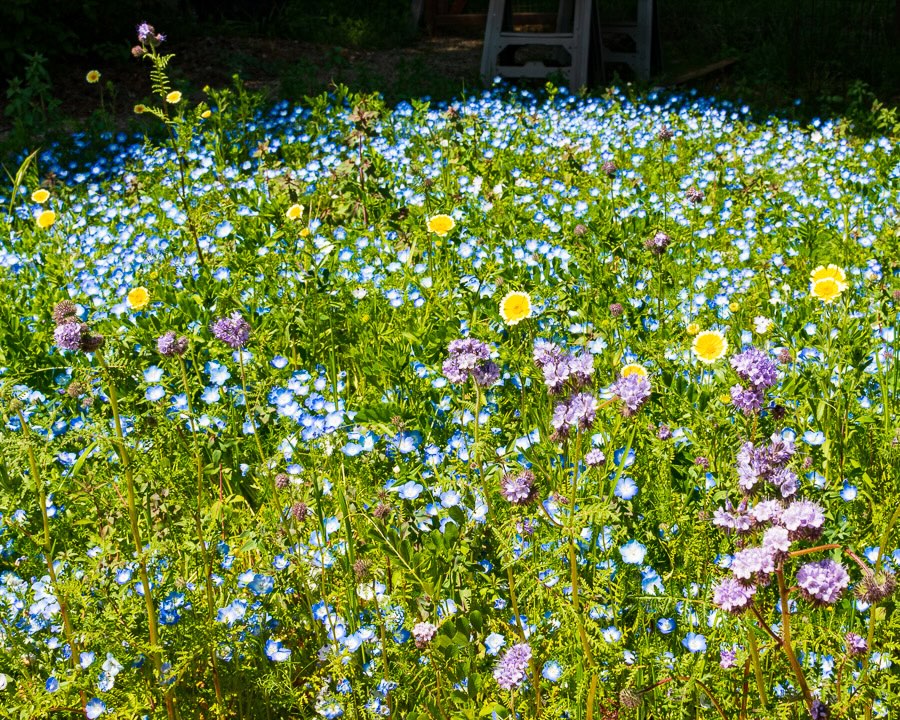
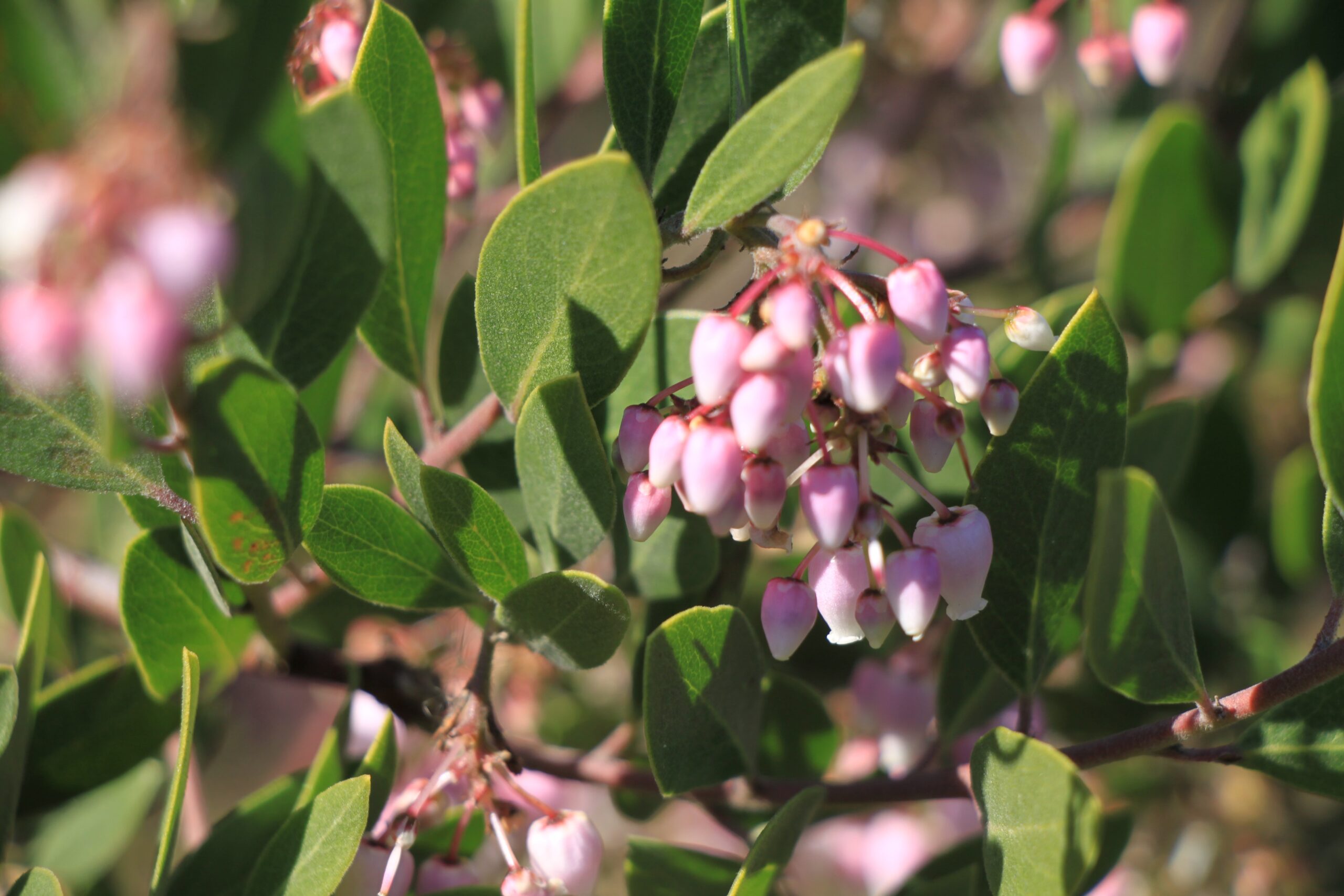
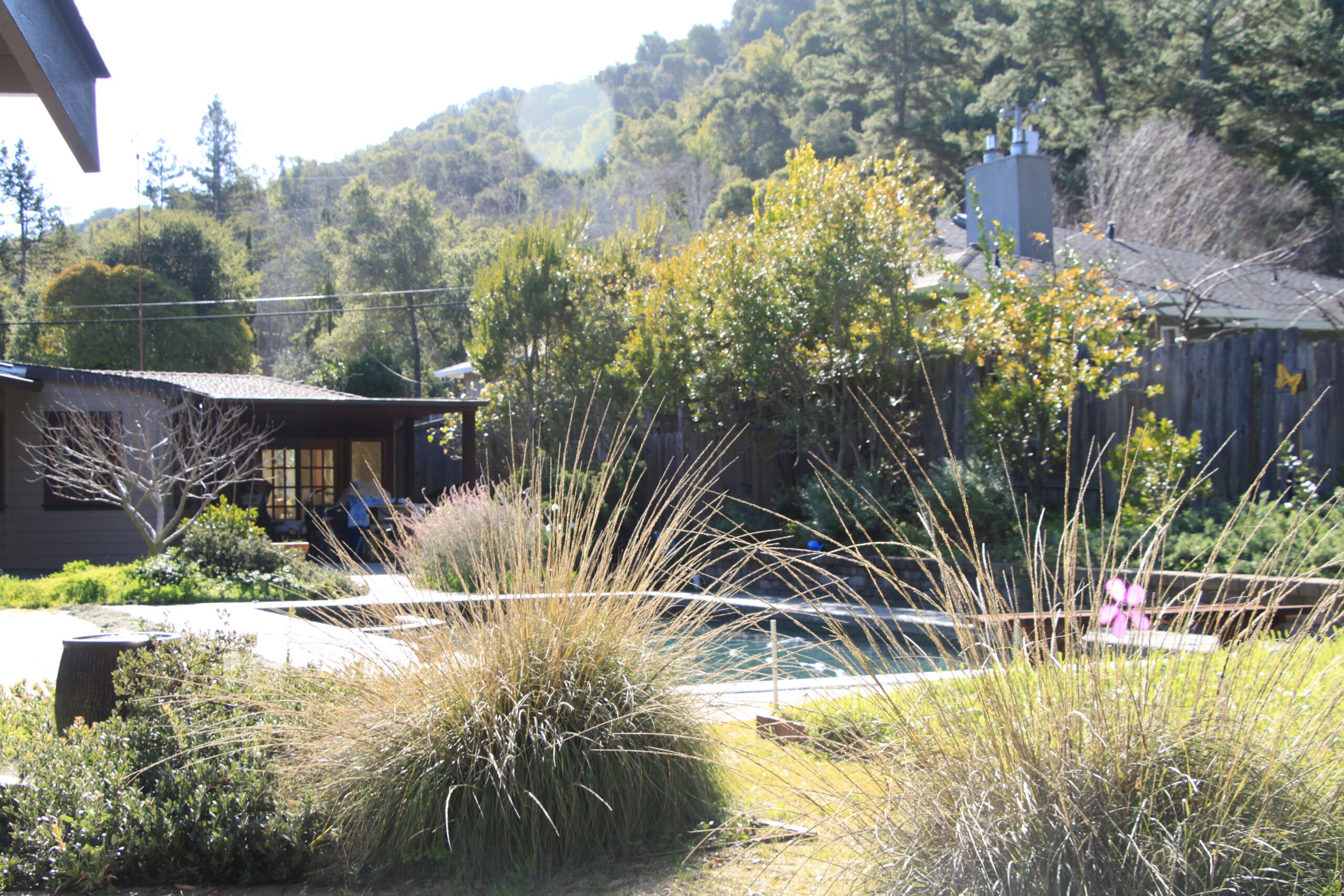
This beautiful and productive garden is anchored by eight varieties of California lilac and four of manzanita, as well as buckeye, coast live oak, and pacific wax myrtle. An orchard with sixteen varieties of fruit trees and a kitchen garden provide food for the family.
The initial garden was designed by Buena Luna/Cummings Landscape Architecture, and installed by the Ulrick’s and the Cummings team in phases, beginning in 2006.
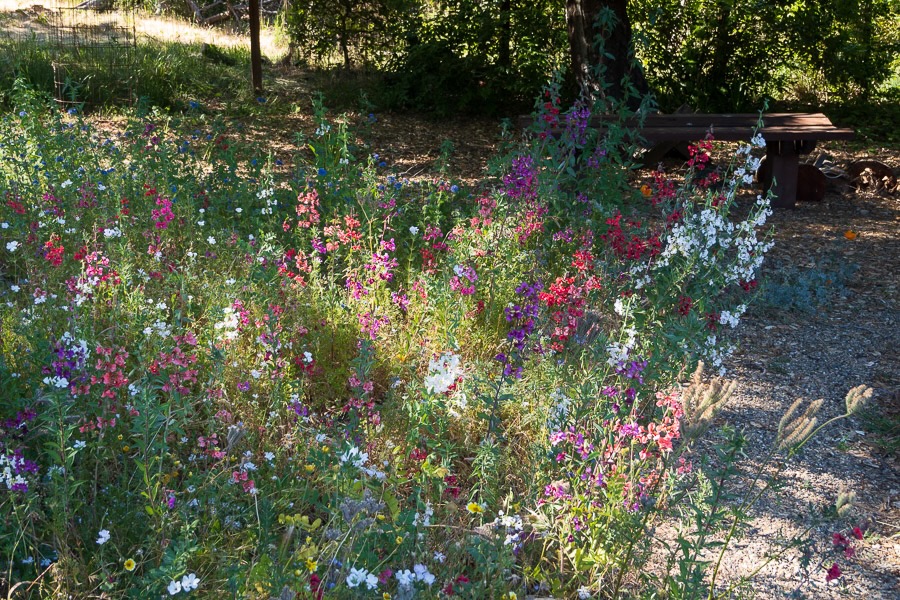
This garden represents a variety of design styles and goals, including California natives, bird, bee, and butterfly habit, edible, and aesthetic. The Ulrick’s, who have been gardening with California native plants for more than four decades, have evolved with the garden, and they have maintained it for the last twenty years.
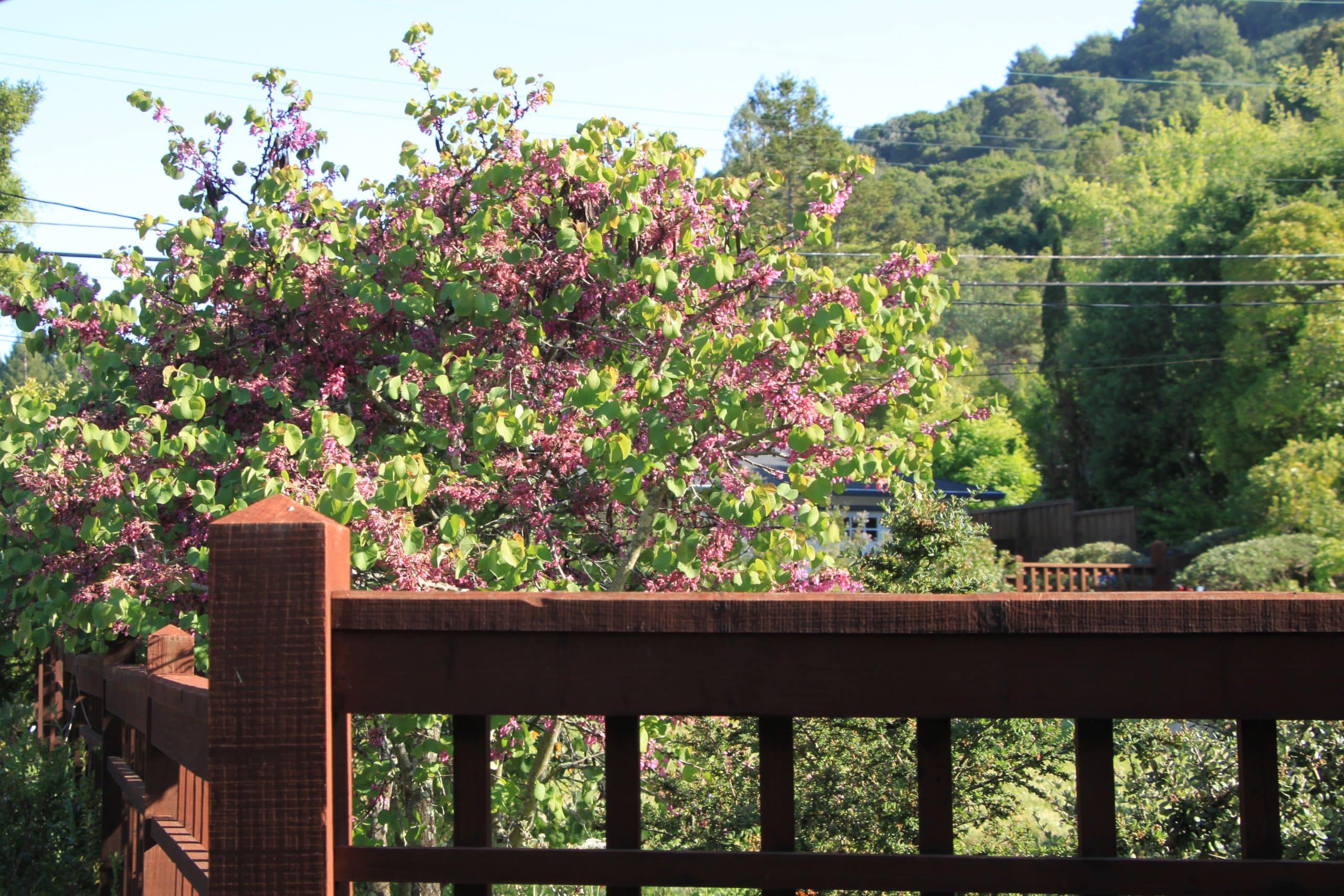
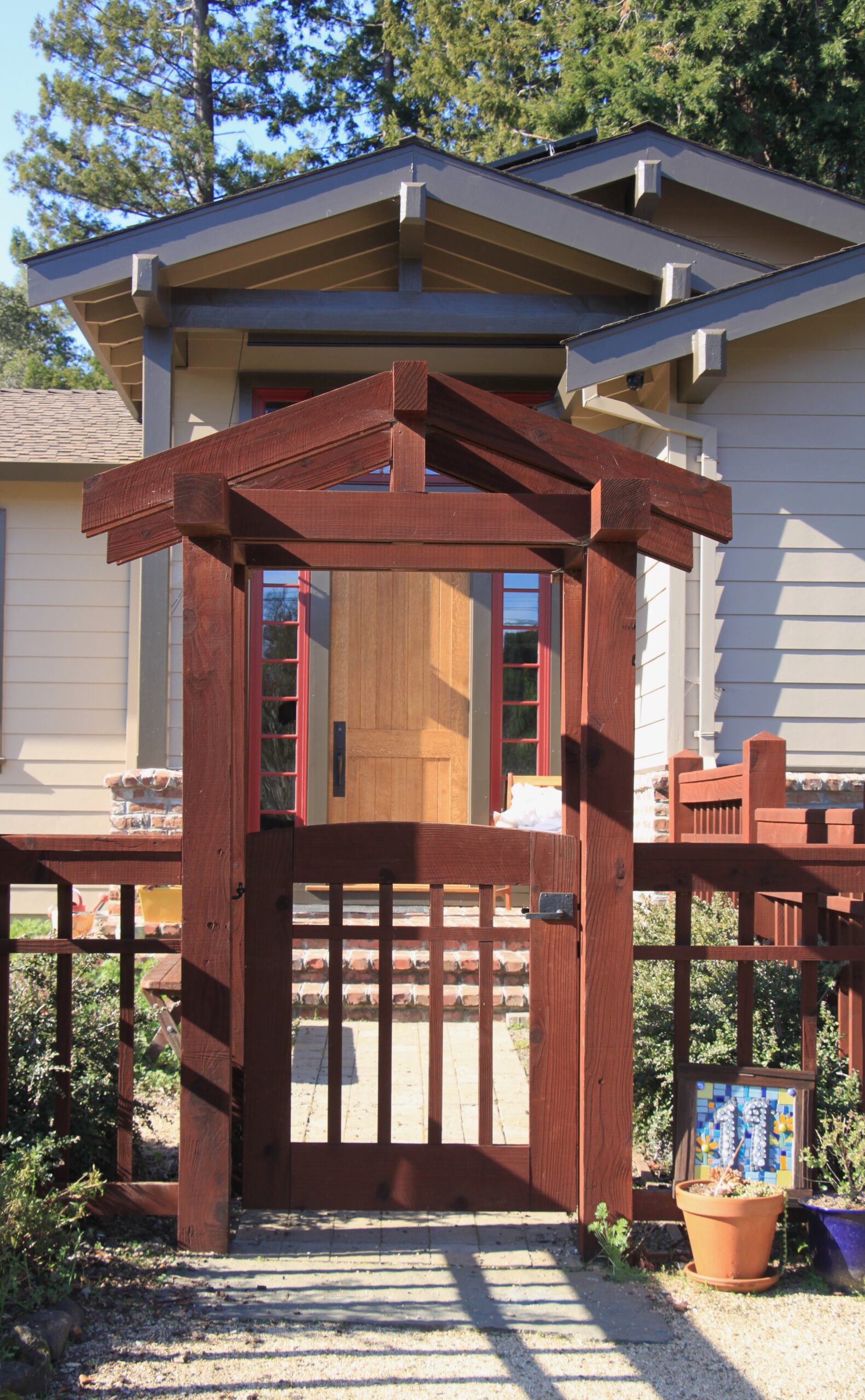
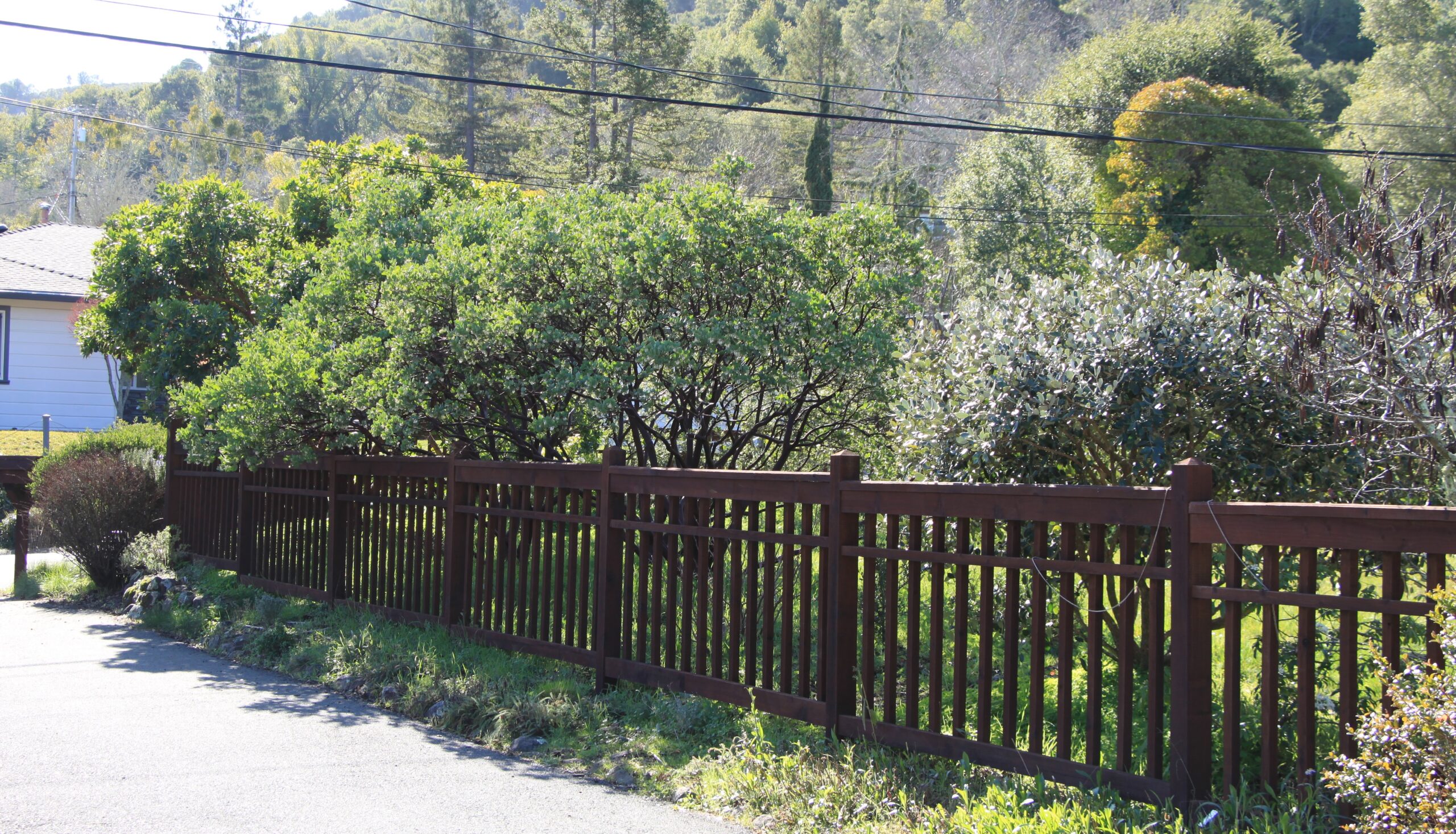
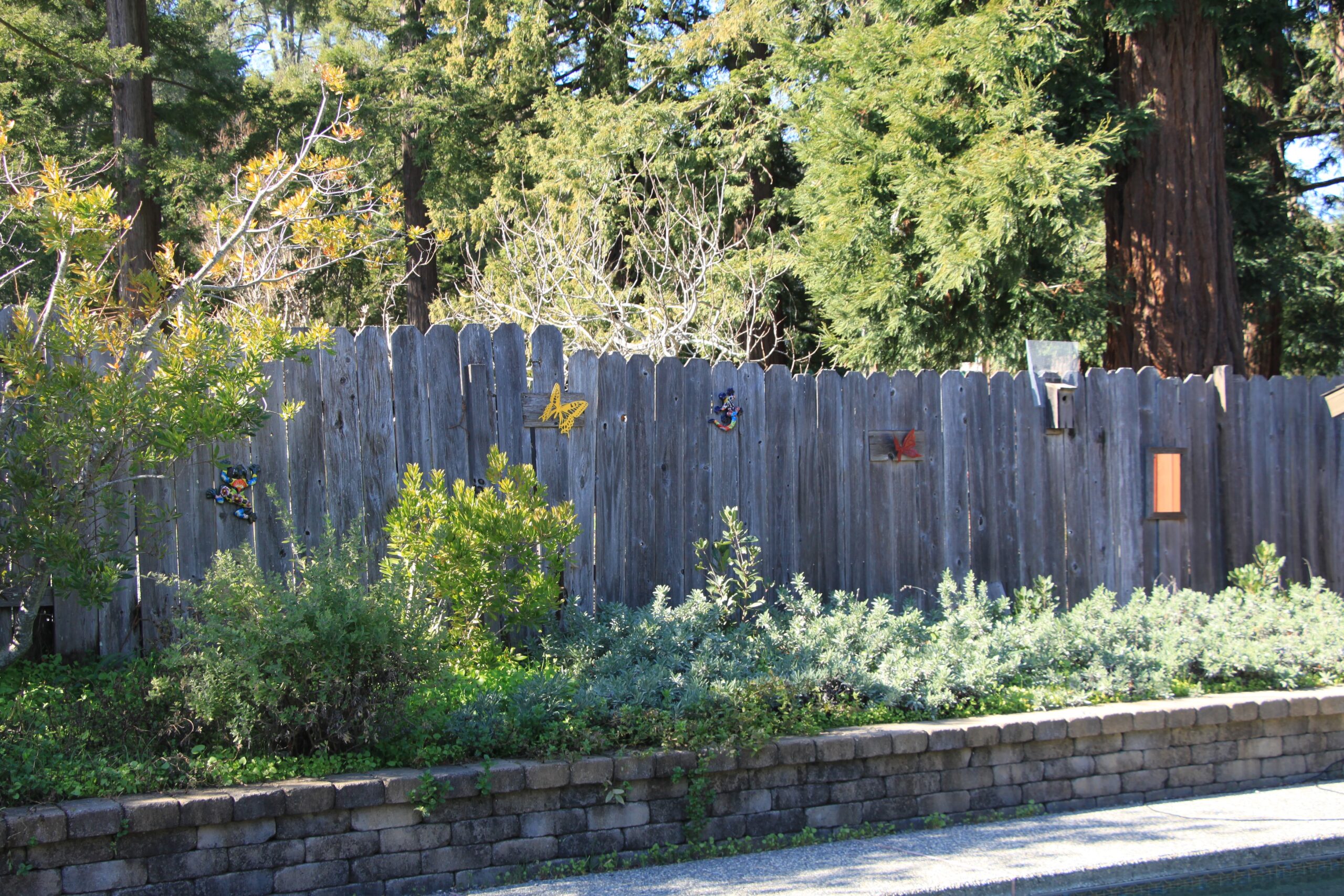
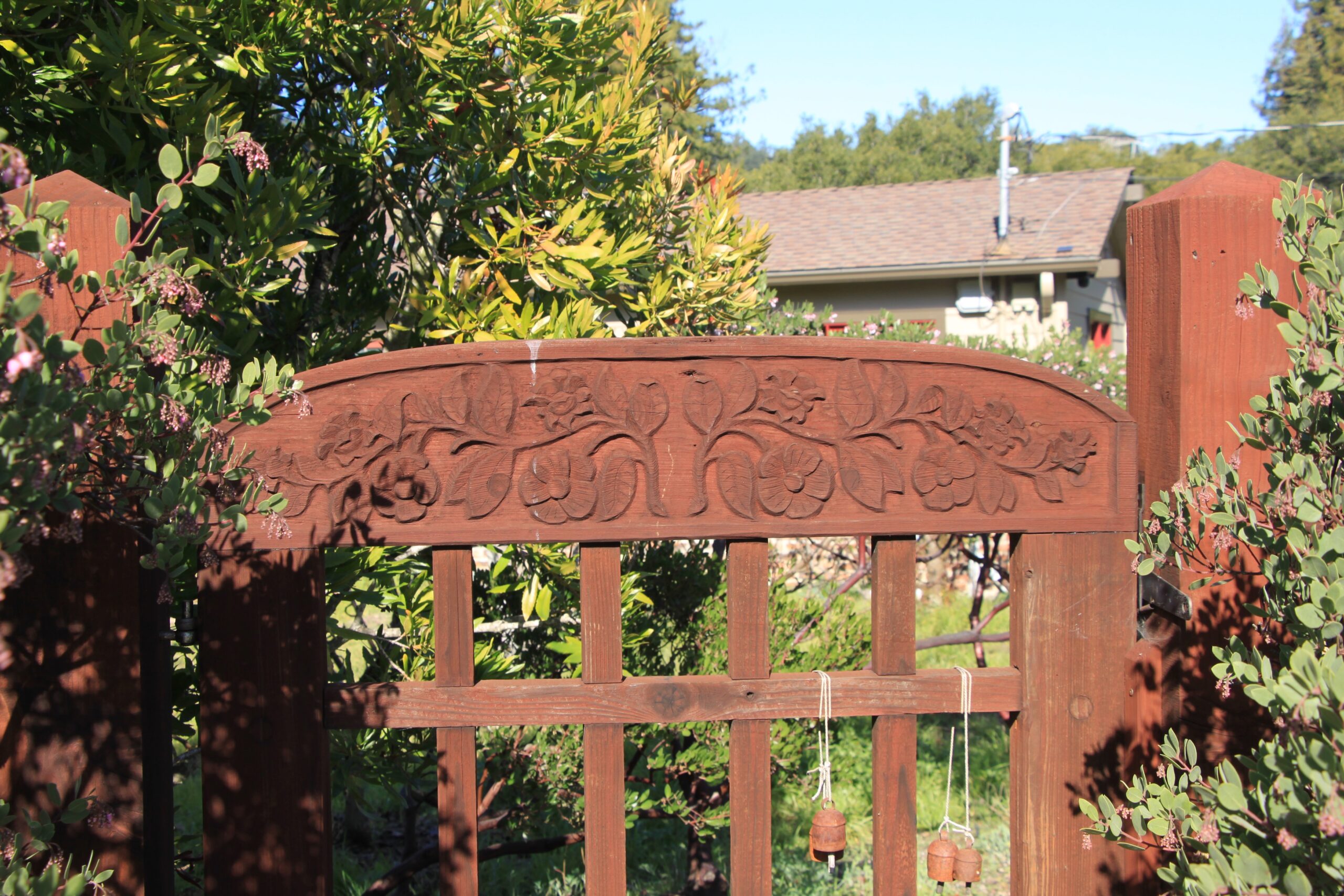
The fence, gates, raised garden beds, and benches were made from two large redwood trees that were cut and milled onsite. Jim designed and built the redwood fences, Japanese joinery gate house and gate that leads to the front door, the Maybeck-influenced side gate and fence, and raised beds. He also relief-carved the floral design on the gate adjacent to the orchard.
The redwood was sourced from two large redwood trees in the backyard that were cut and milled onsite by an Alaskan bandsaw mill.
Fire-Scaping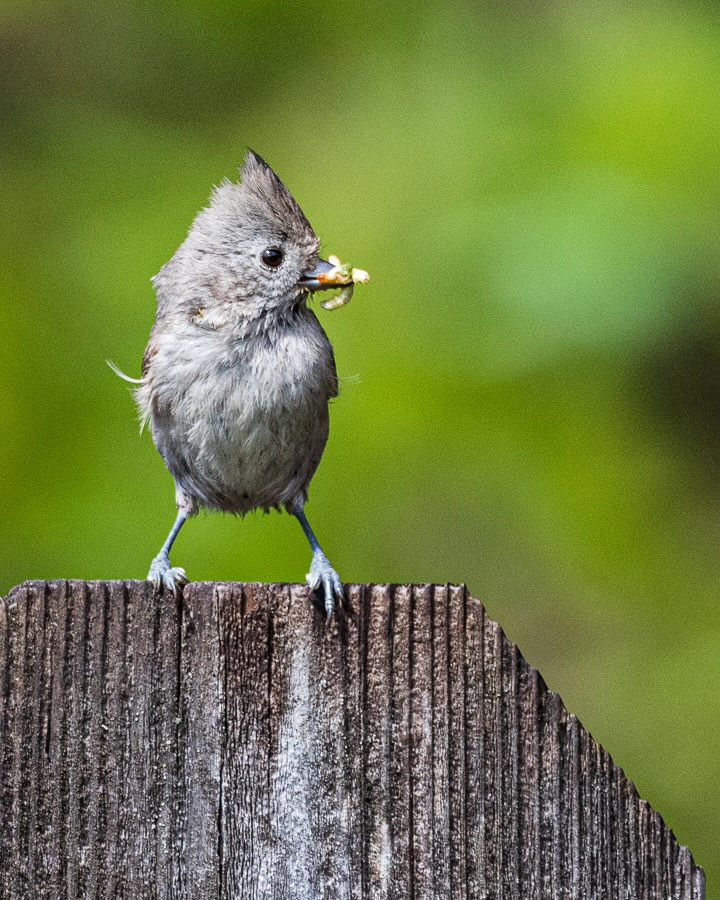
• The house and garage have cement board siding for fire protection.
• A two-foot-wide band of gravel has been added around the entire perimeter of the house to comply with Zone 0 home hardening requirements.
Bird-Safe Windows
Together with small panes of glass, prismatic bird dots prevent bird collisions with the windows.
Nature Prints of Local Wildlife for Sale as a Fundraiser for the Tour!
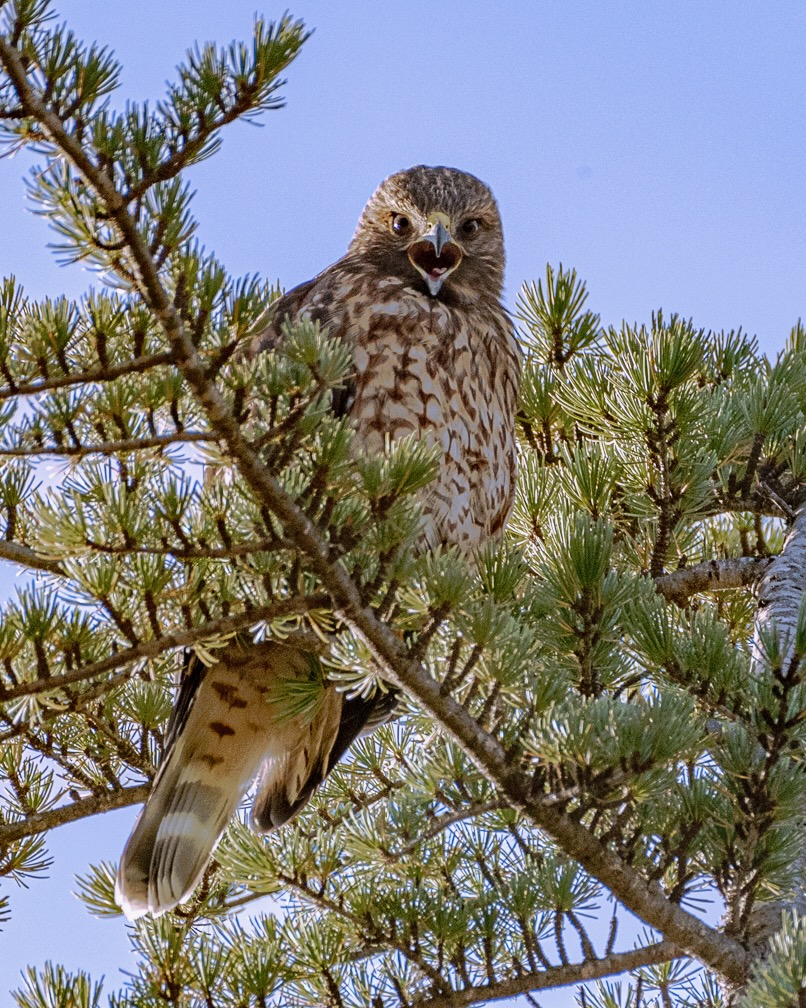
Jim is offering beautiful prints of local wildlife and nature scenes printed up to 16 by 24 inches on archival paper with light-fast ink for sale; one half of the proceeds will be donated to the Tour. Cash is preferred, but you can also pay with your credit card here, or Venmo @BringingBacktheNatives (the last four digits of the associated phone number are 7048). While at the garden, be sure to get a receipt and leave your contact information. Photos will be either printed on demand or mailed. See how to order How to Order and view the photos available here.
Orders can be placed at any time, including before or after the tour.
Gardening for Wildlife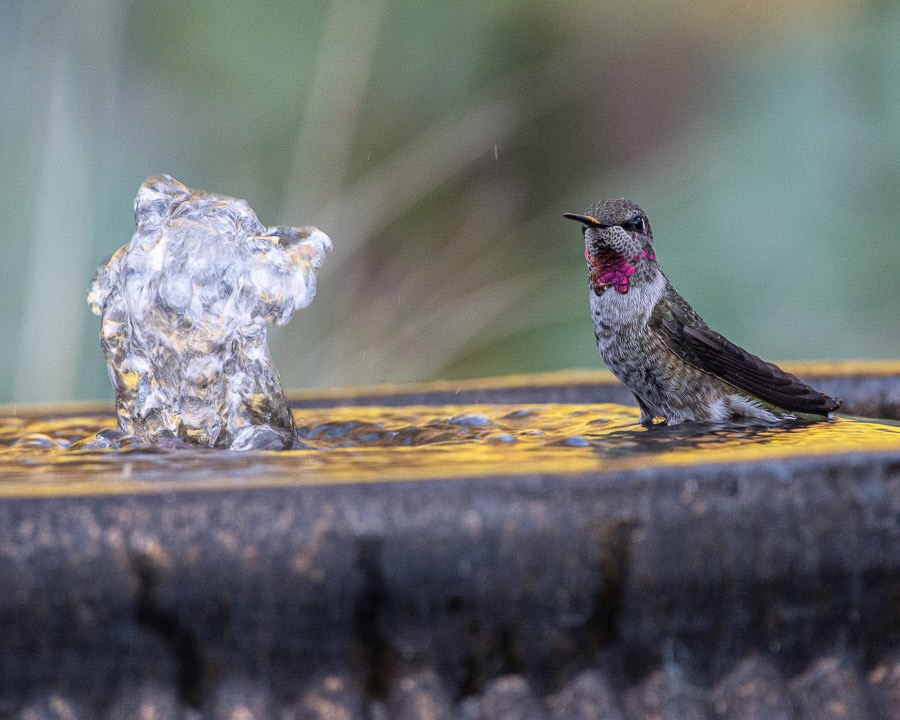
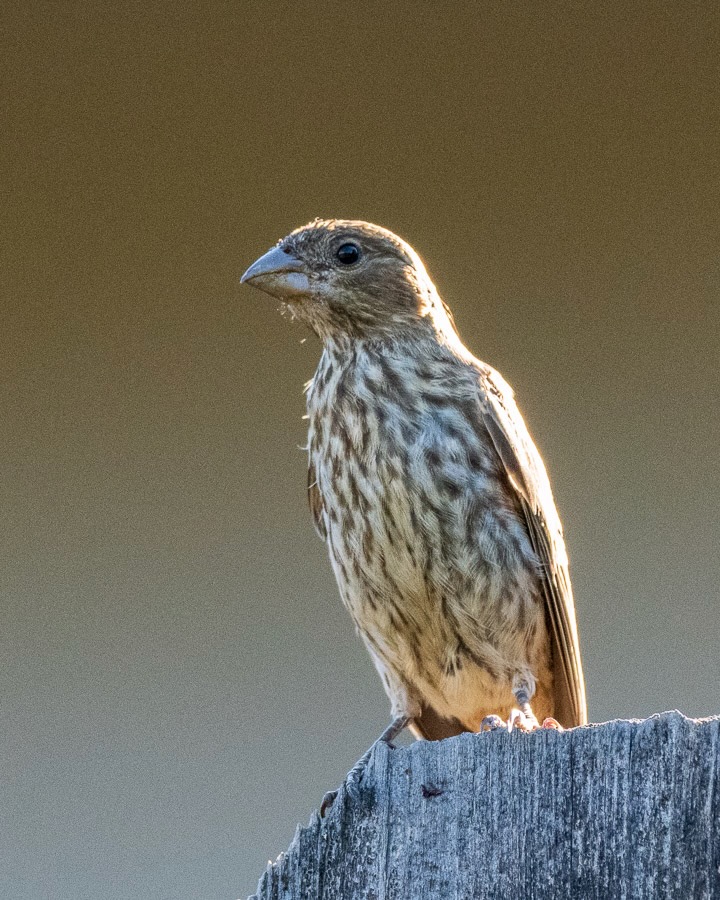
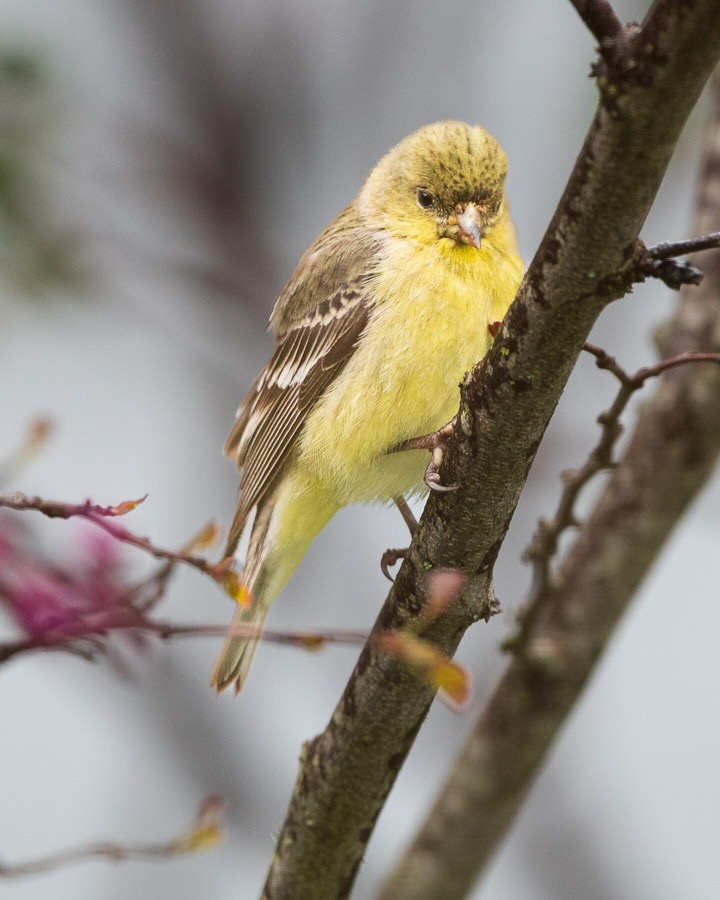
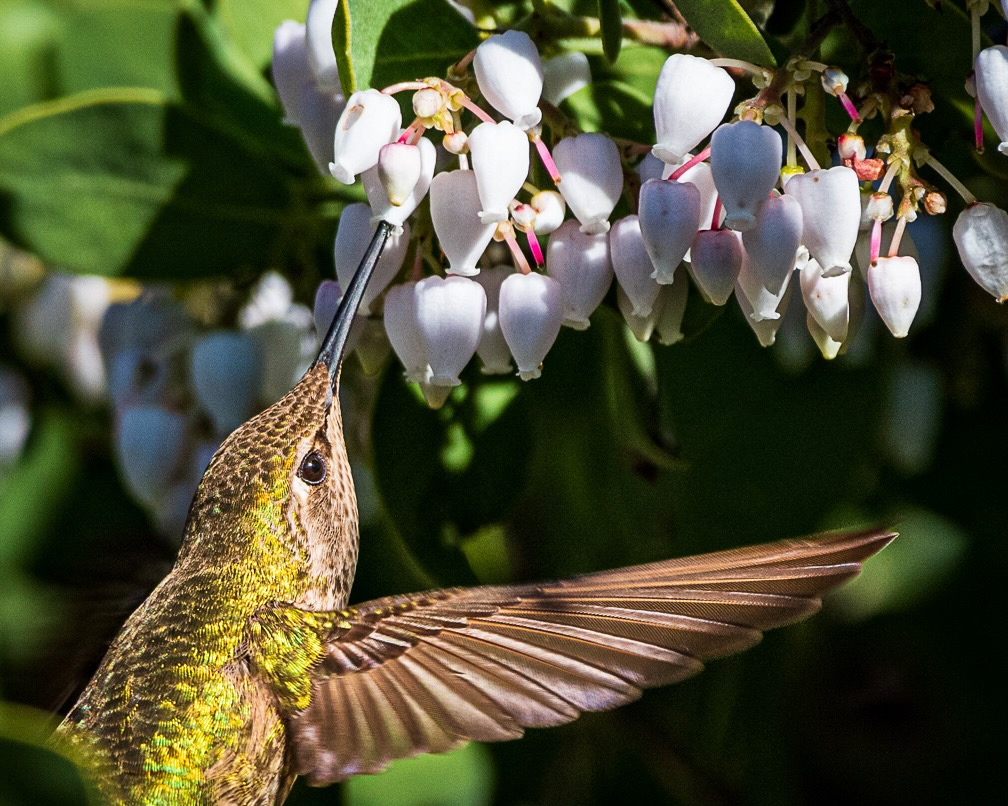
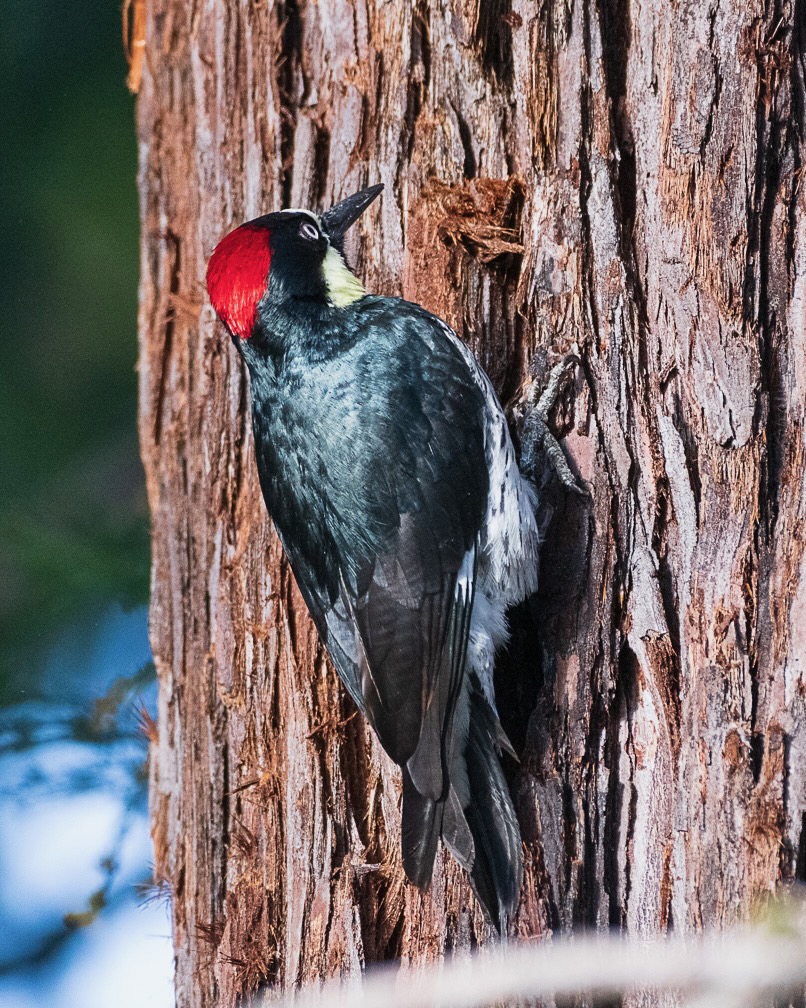
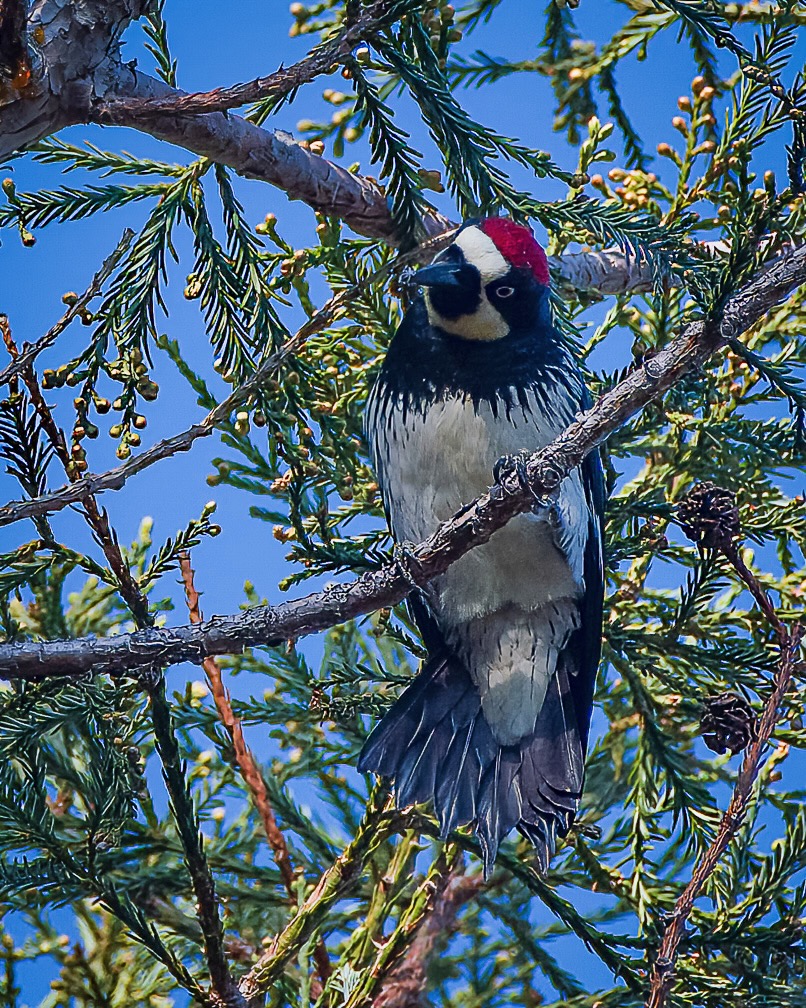
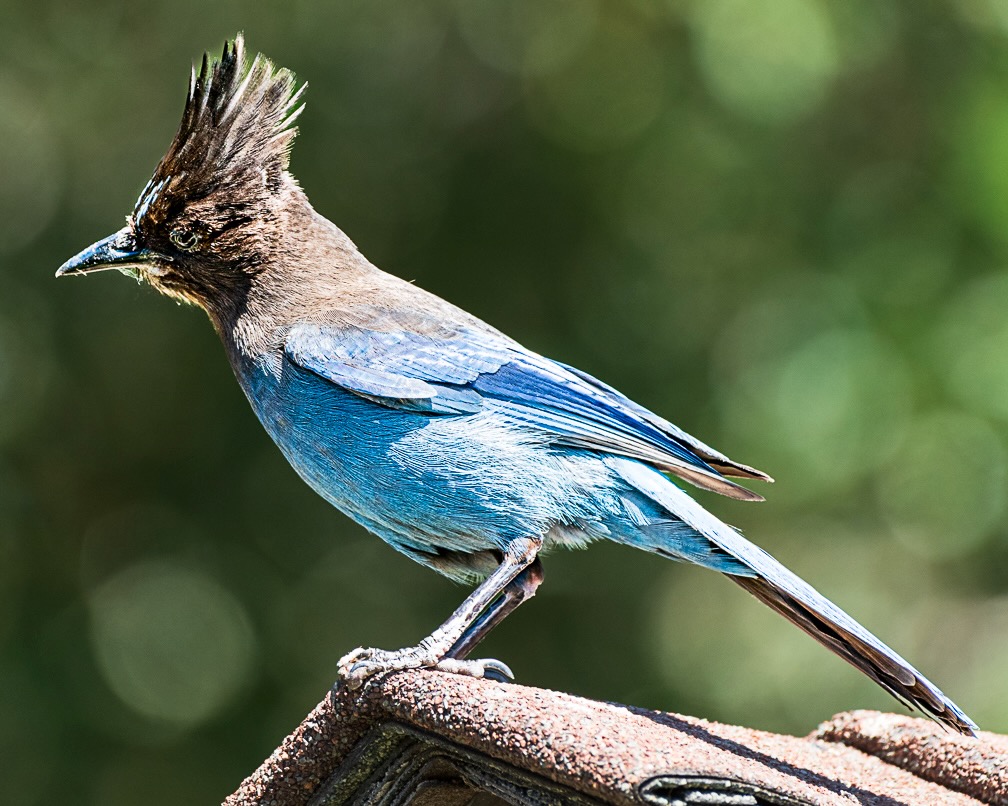
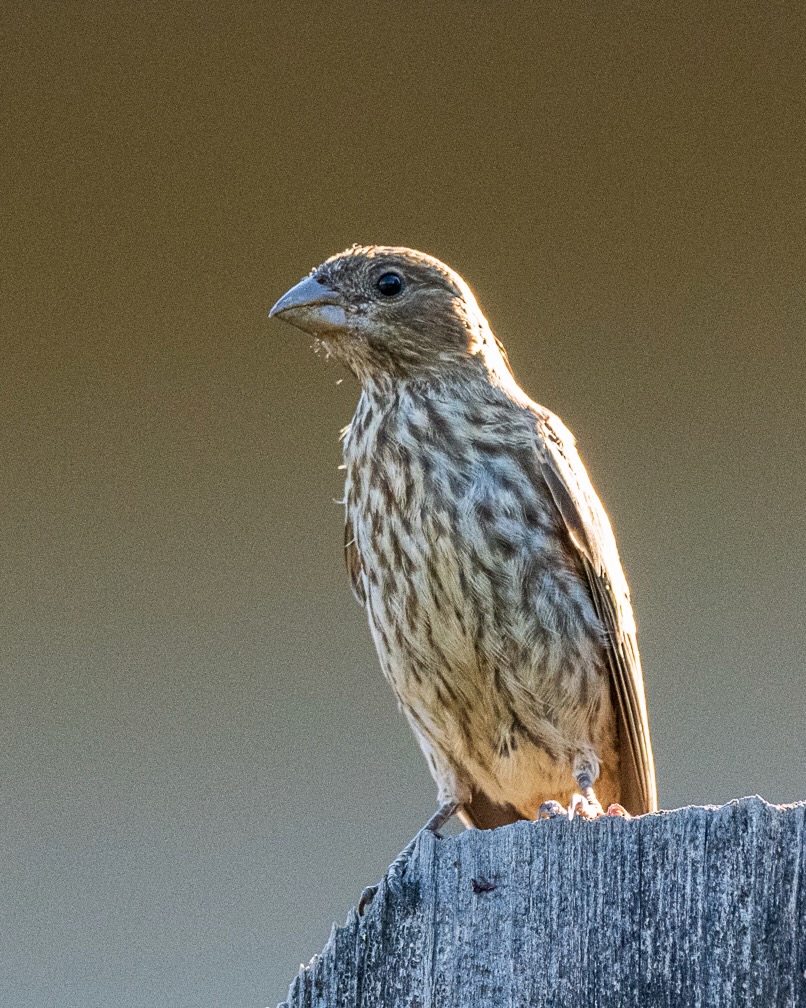
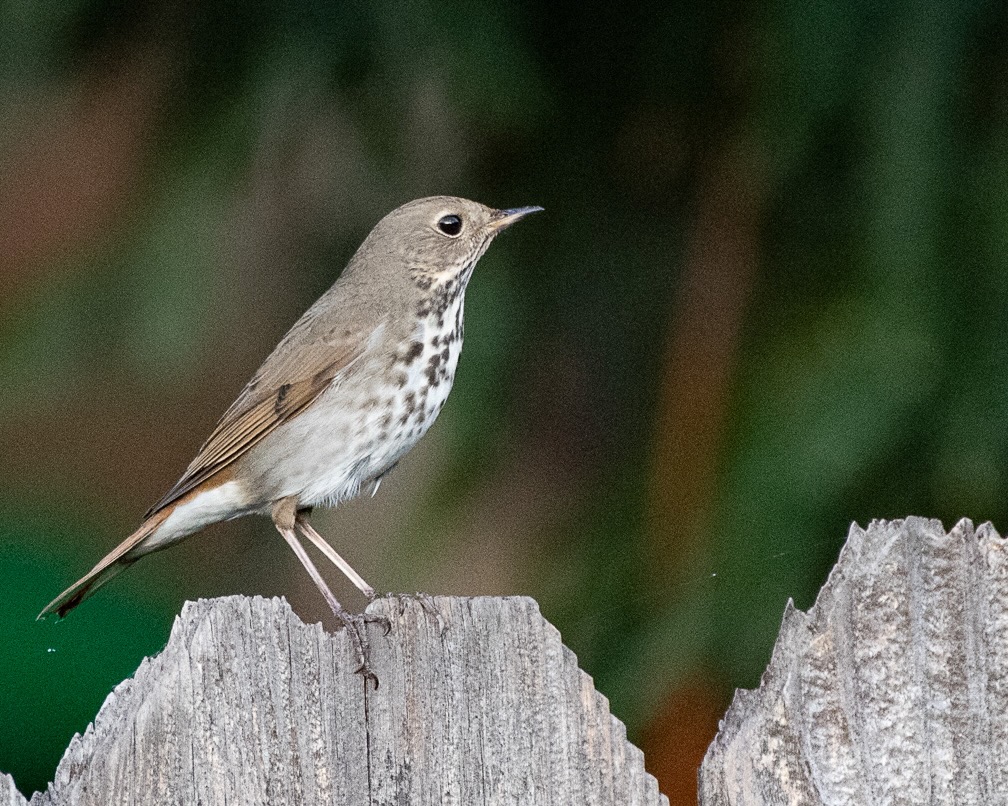
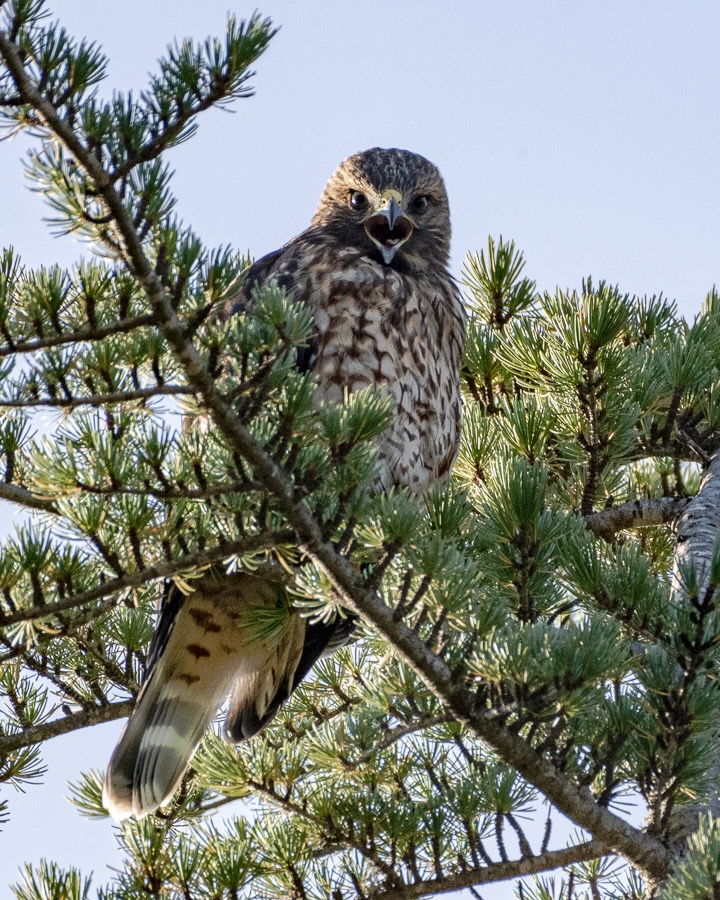
Acorn and Downy woodpeckers, oak titmice, chestnut-backed chickadees, California towhees, dark-eyed juncos, scrub and Stellar’s jays, American robins, and Anna’s hummingbirds are commonly seen.
In fall robins and cedar waxwings eat the ripe toyon berries, and scrub jays, Western bluebirds and yellow-rumped warblers compete for ripe Hachiya persimmons. Spritely oak titmice, which mate for life, nest in the bird houses set out for them.
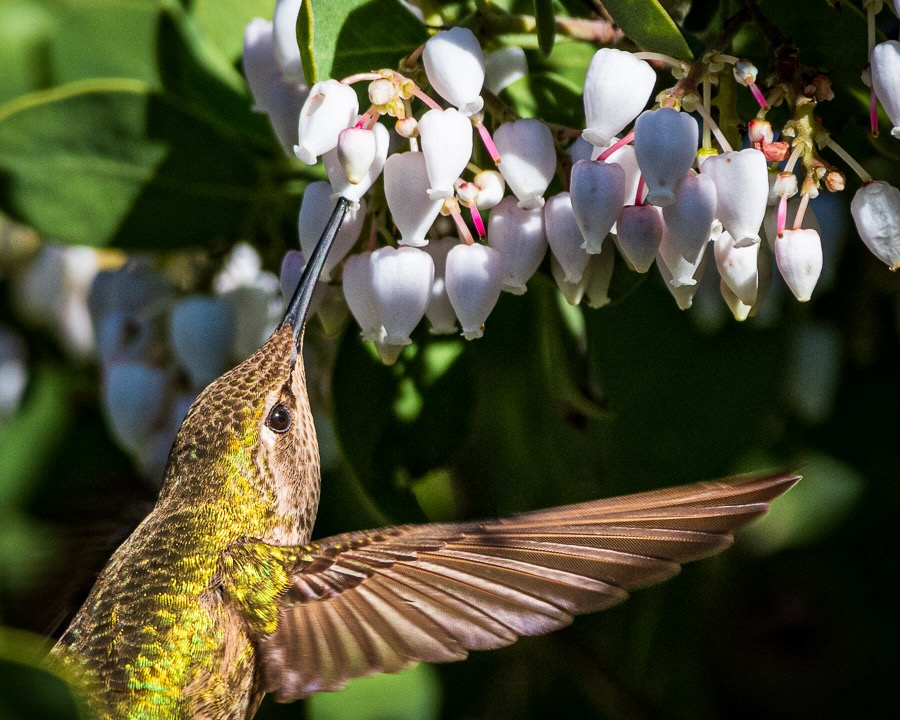
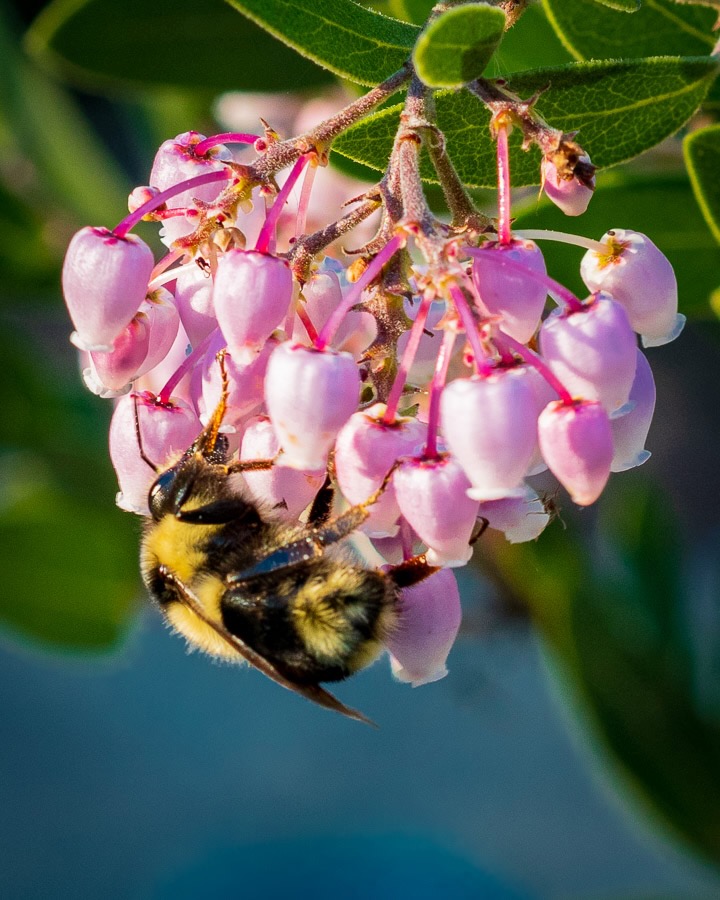
Anna’s hummingbirds sip nectar from a succession of manzanita flowers, chaparral and pink-flowering currant blossoms, and the fire-engine red tubular flowers of our native California fuchsia.
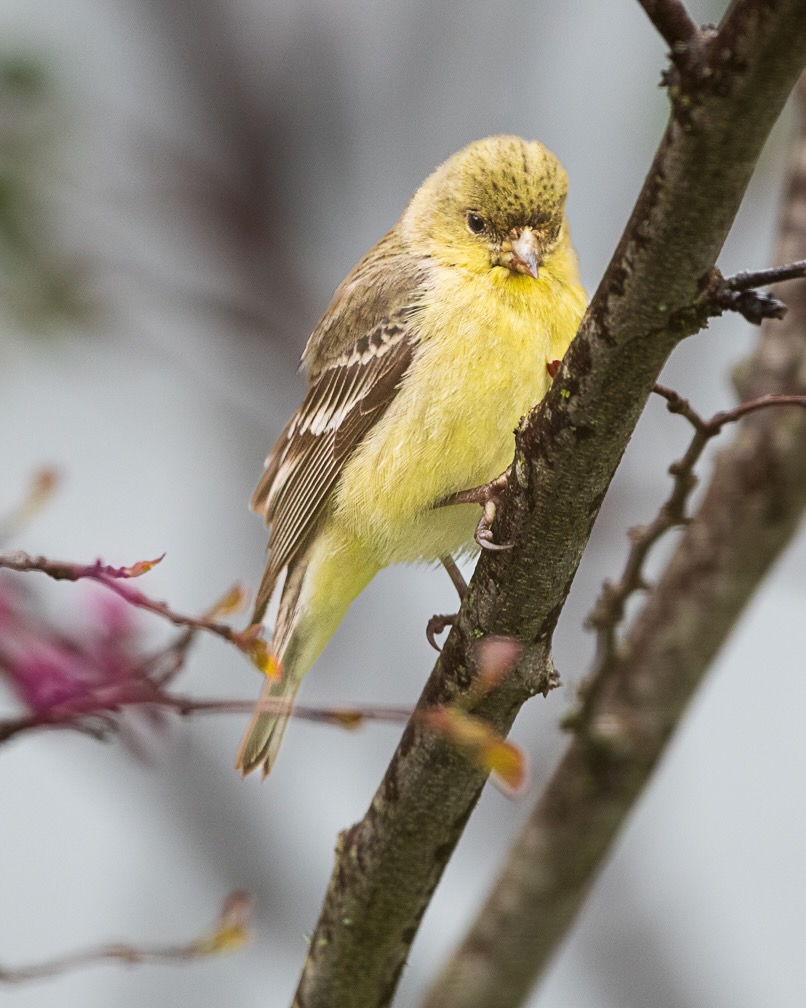
Anna’s hummingbirds, lesser goldfinches, oak titmice, and towhees drink and bathe in water from the shallow rain-barrel fountain in the back garden.
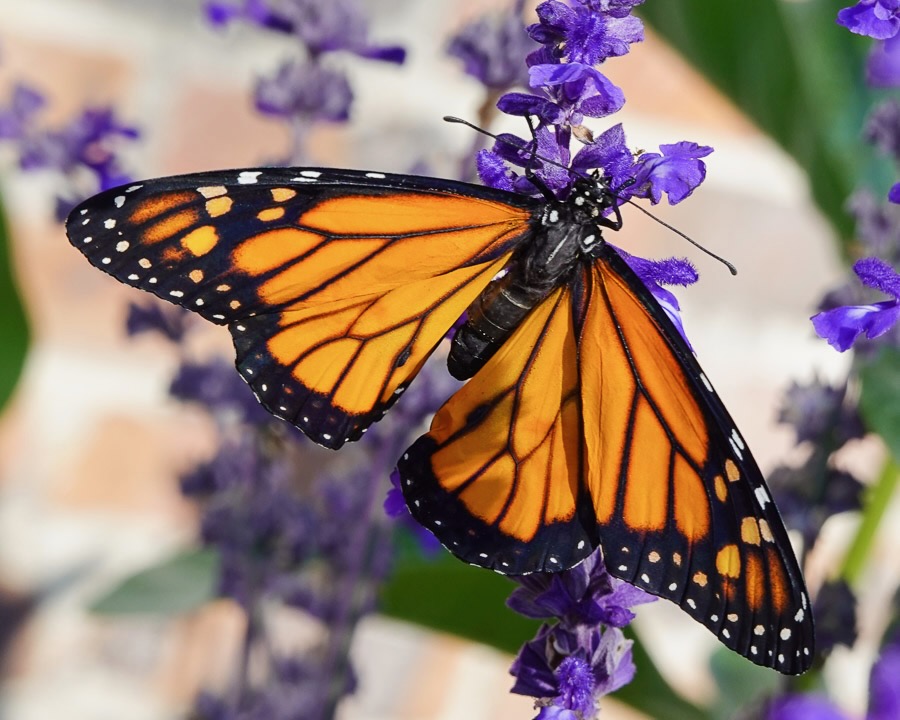
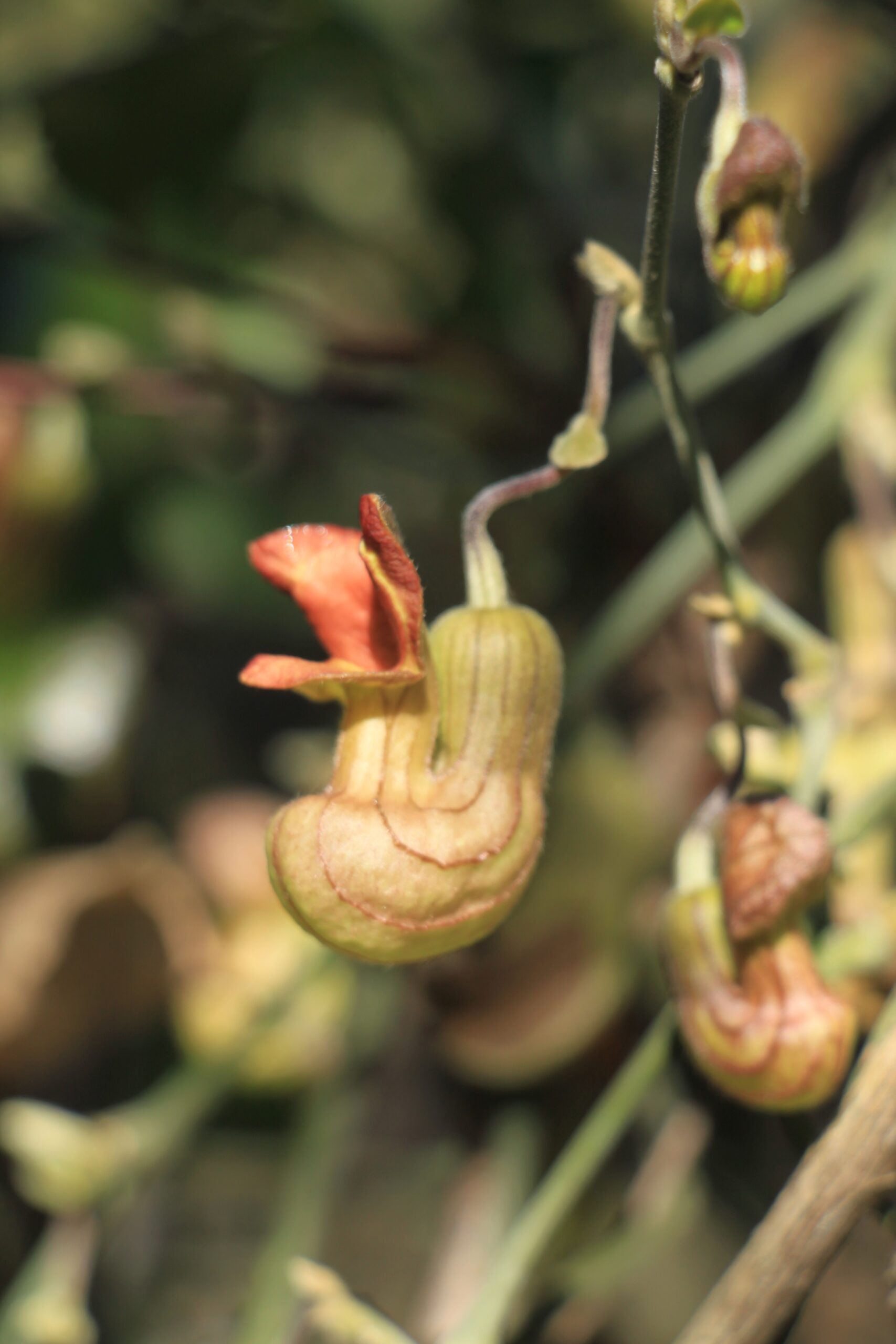
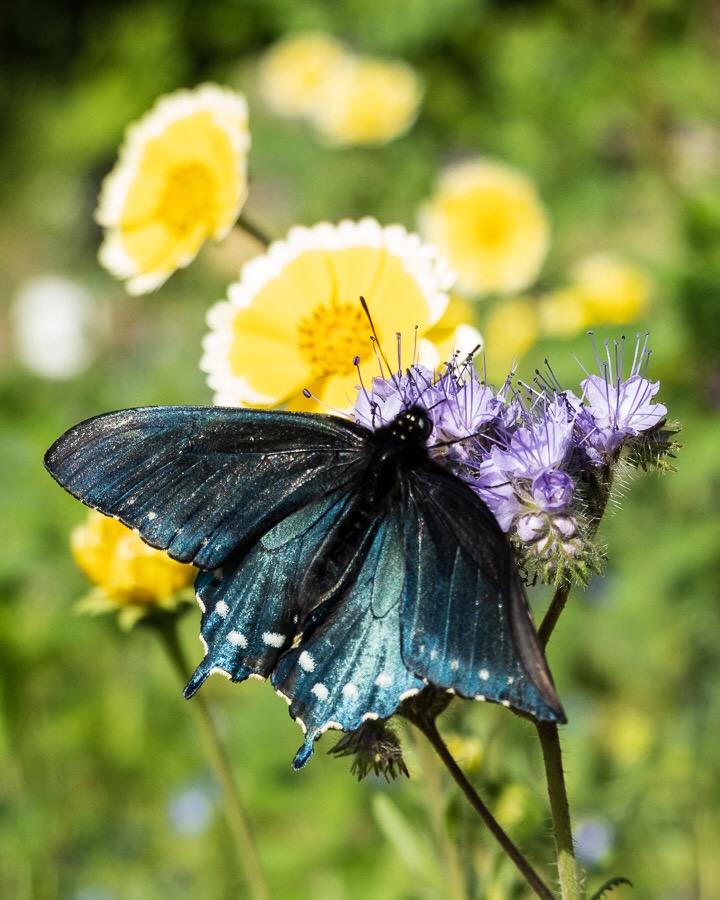
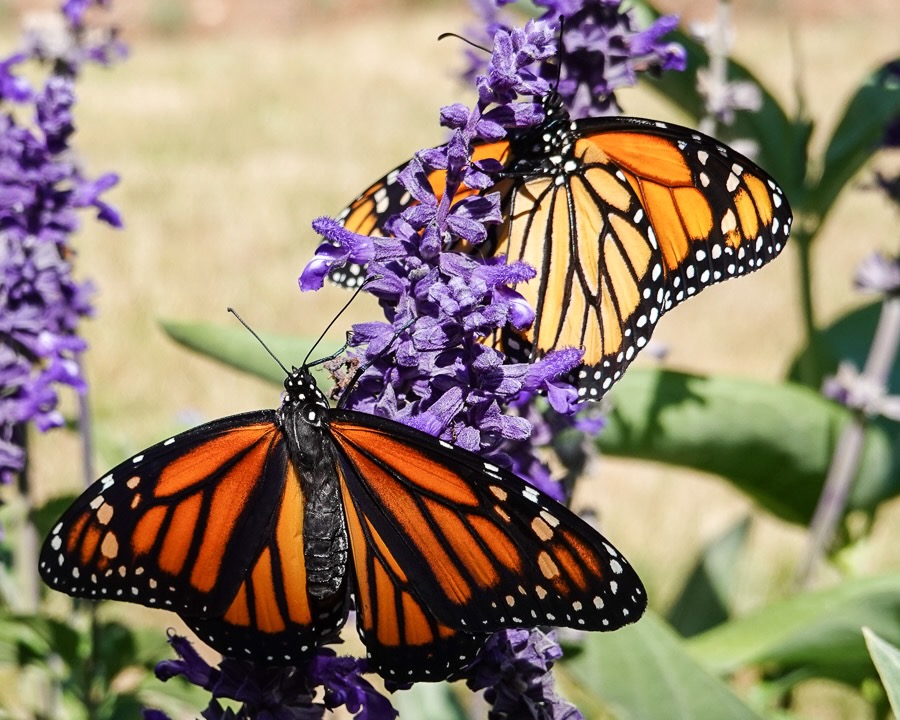
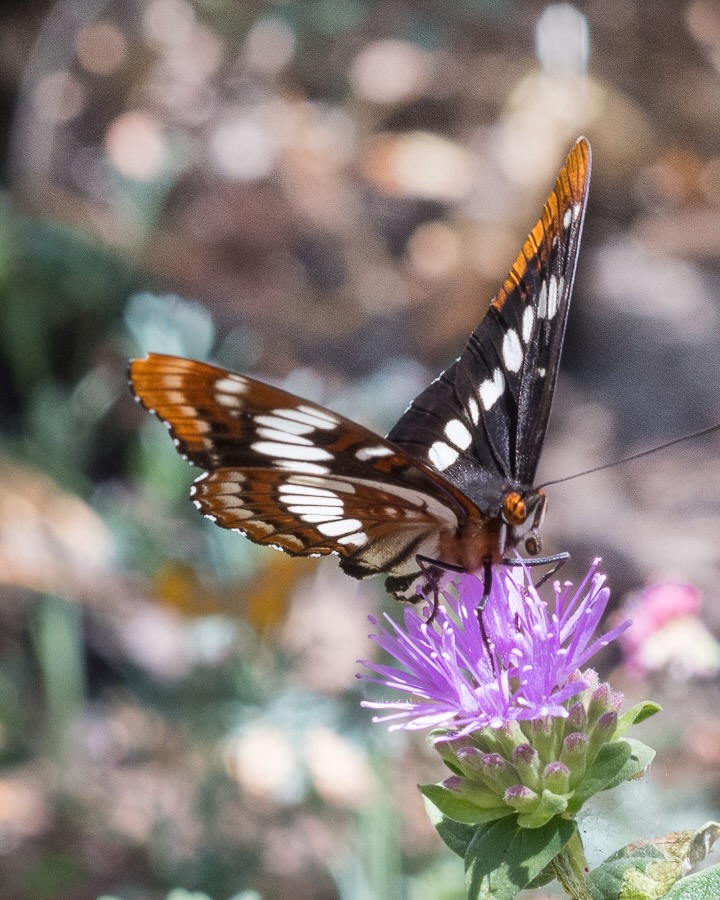
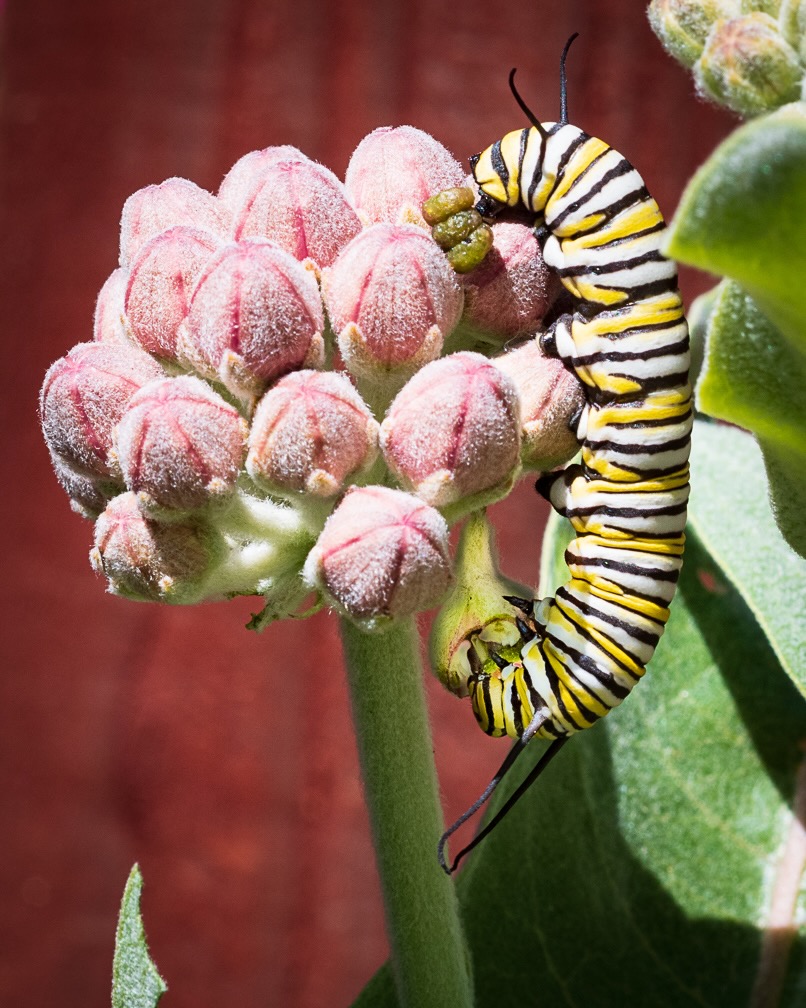
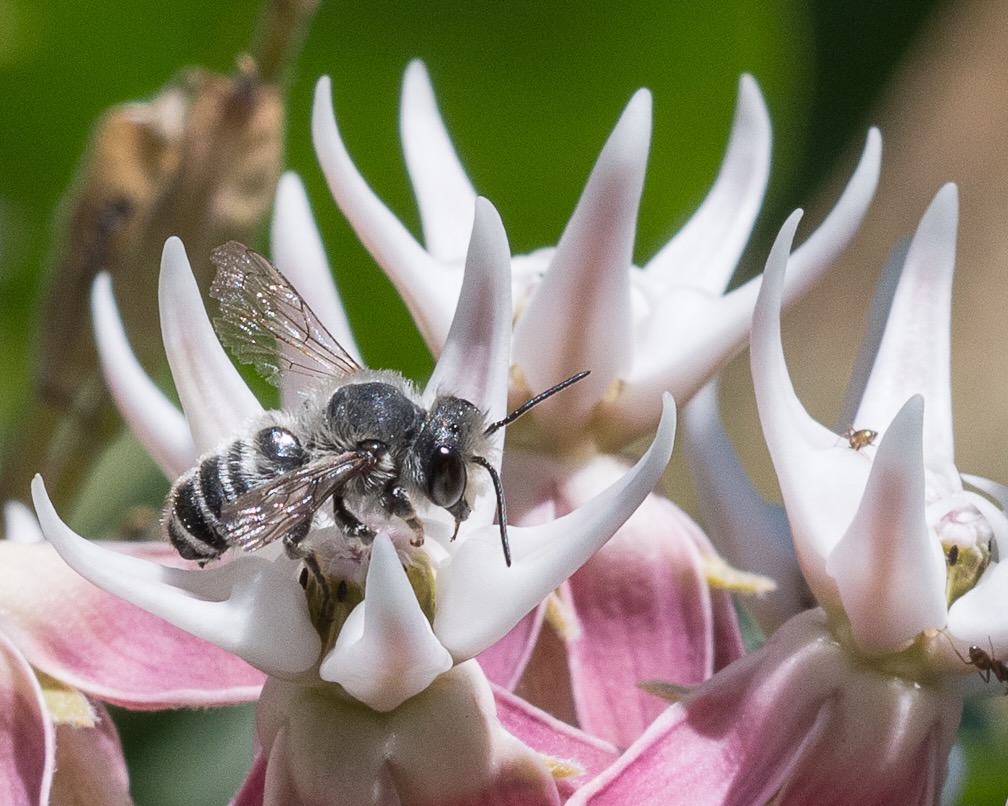
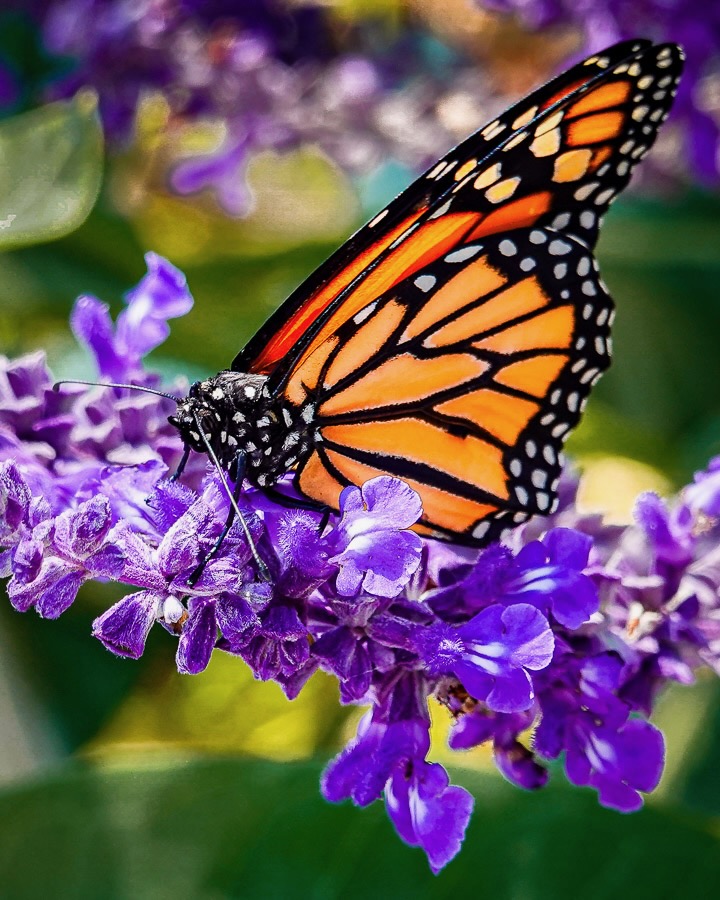
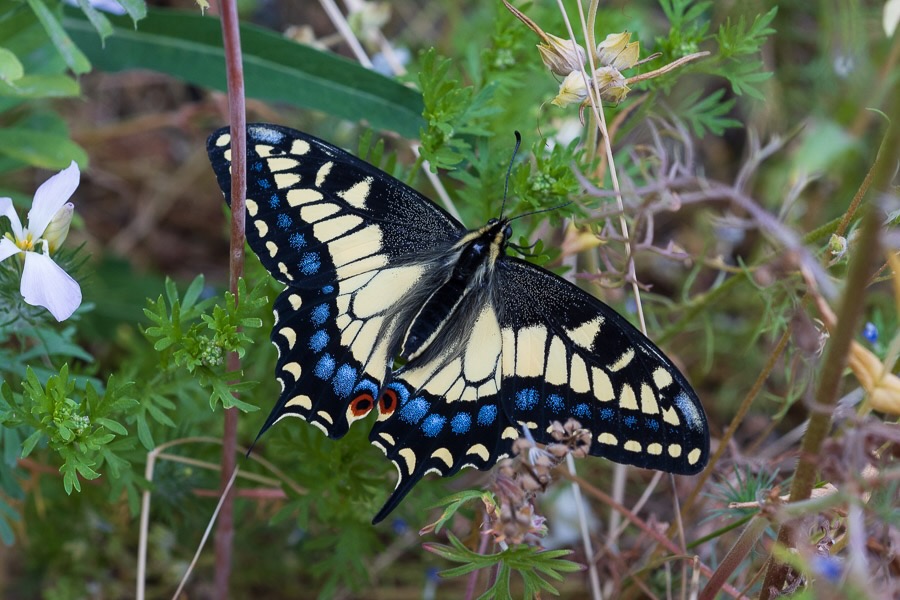
Monarch butterflies are attracted to the narrow-leaf and showy milkweeds that self-propagate at numerous locations. A sprawling Dutchman’s pipevine climbs up the open mesh fence north of the garage in the back garden; in some years the pipevine attracts the beautiful iridescent blue-black pipevine swallowtail butterfly, whose caterpillars feed only on this plant.
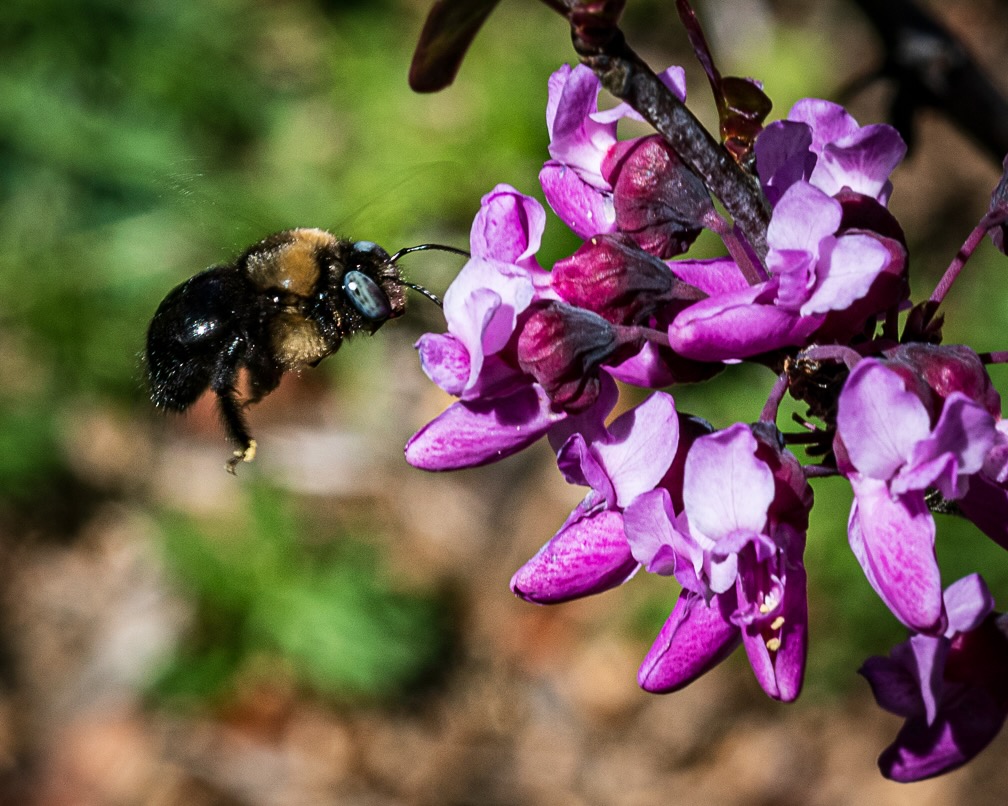
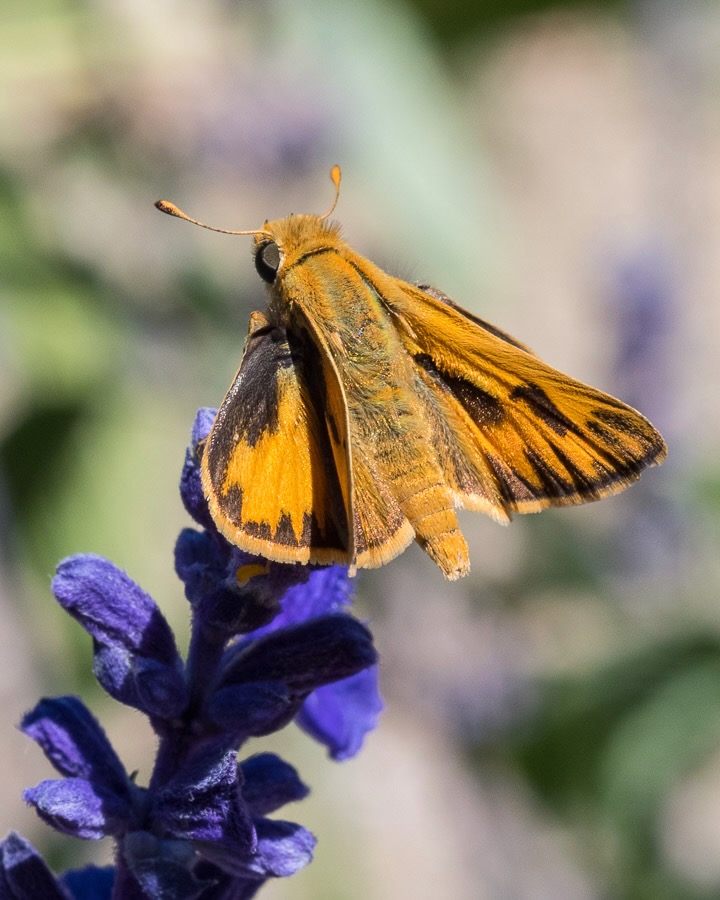
About ten kinds of native bees, including yellow-faced bumblebees, flat-tailed leafcutter, Andrena, and Valley carpenter pollinate a variety of plants, delighting in the nearly year-round succession of blooms found in the garden.
Keystone species (watch this talk by Doug Tallamy!)
Keystone species—our own, local ecological powerhouse plants—in this garden include coast live oak, huckleberry, pink-flowering and chaparral currant, California lilac, aster, buckwheat, manzanita, sage, coffeeberry, and penstemon.
Excerpt from a conversation with Doug Tallamy, condensed by Jim Ulrick
Green Home Features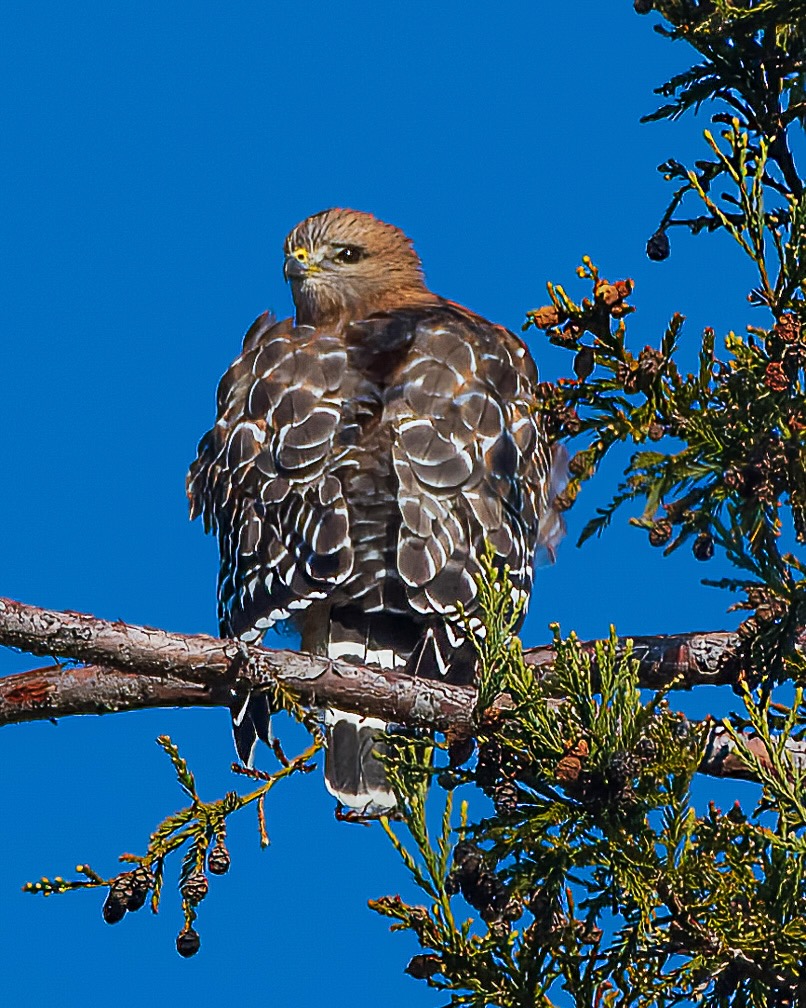
This house contains a solar photovoltaic system, a whole-house fan (which keeps the house cool; no air conditioner is needed), and a heat pump clothes dryer. Solar hot water panels heat the water in the covered swimming pool, and grey water from an outdoor shower drains into the garden. A Davis weather station in the orchard measures precipitation intensity and evapotranspiration, in addition to the ususal parameters.
2026 Update
Newly added plants this year include (see plant list): wavy leaf soap root, early harvest brodiaea, ookow, yellow Mariposa lily, Ithuriel’s spear ‘Queen Fabiola’ and ‘Corrina’, chaparral current, spring madia, woodland madia, and blue-eyed grass. Additional fuchsia-flowering gooseberry were started from cuttings in January.
Garden Talks
11:00 ““Long-term evolution and maintenance of a mixed native, habitat, edible garden and aesthetic garden” by Jim Ulrick
At least partially wheelchair accessible? No
Parking – Parking will be tight. Be prepared to walk a block or two.
Photos
Click to see as a slideshow: