Showcase Feature
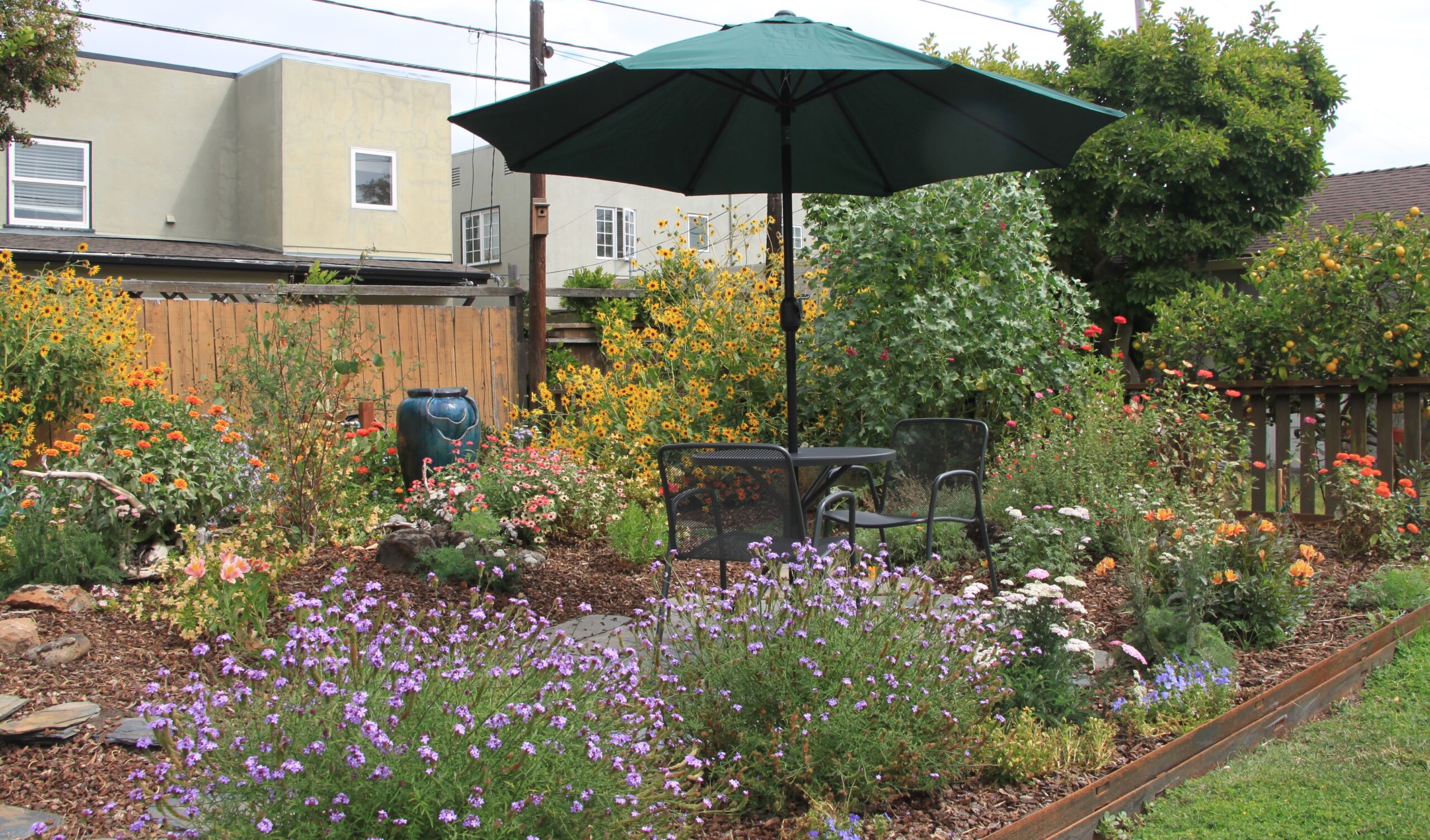
Craig and Jenny’s garden is a continual work in progress. Inspired by biologist and author Doug Tallamy’s book Bringing Nature Home, they decided in 2024 to transform their outdoor space into a wildlife garden featuring California native plants. They tore out the aging blackberry vines, removed the raised beds and most of the lawn. Sallie Bryan of 4B Garden Design created a design for both front and back gardens featuring meandering paths around low mounds and anchored by numerous keystone plants, along with other natives. That first year, Jenny filled gaps with colorful non-natives like zinnias.
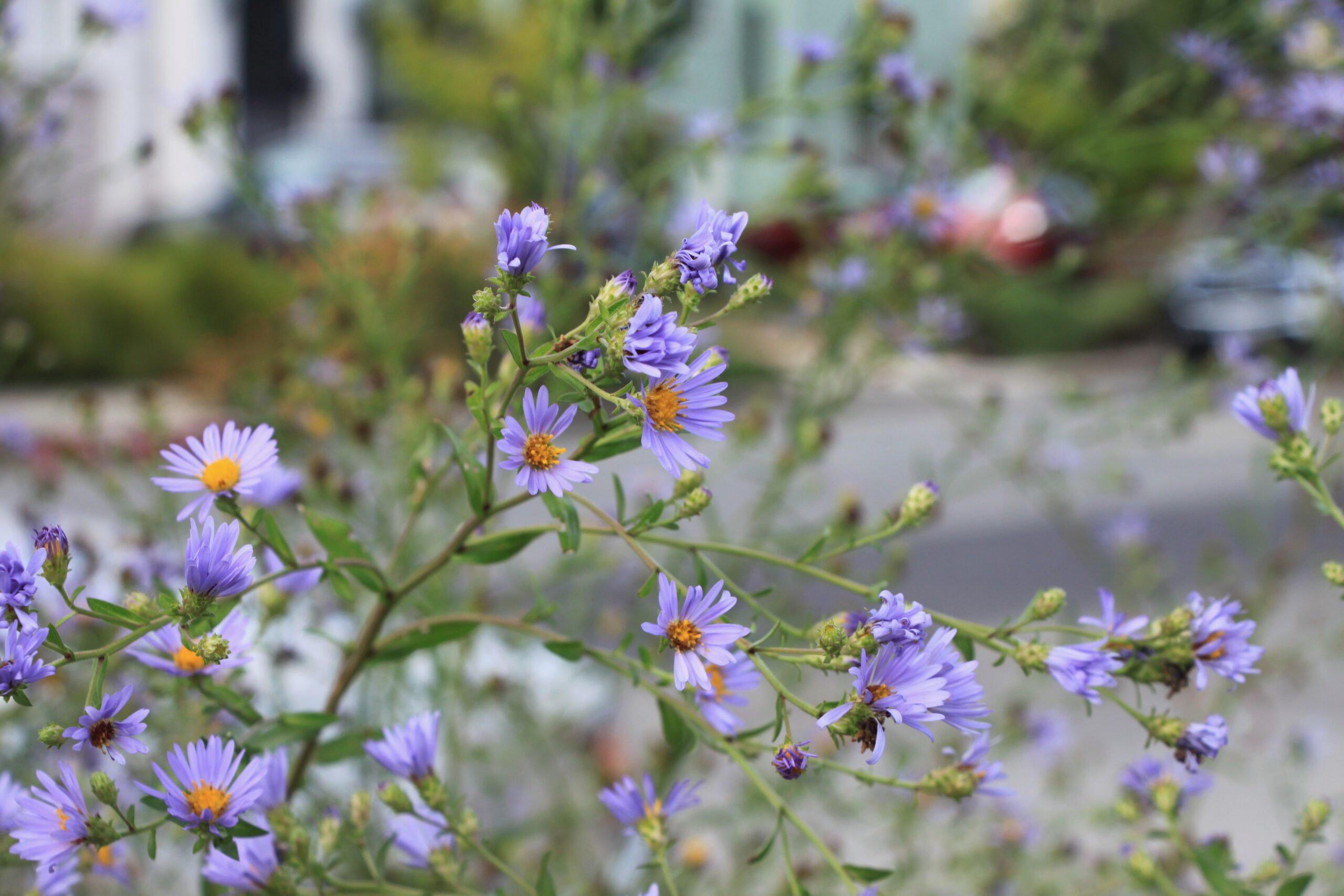
In the winter of 2025, wanting to increase the overall percentage of native plants, Jenny and Craig transplanted or replaced plants that had failed to thrive and removed a few natives that had proved more invasive than expected. On the advice of Kelly Marshall of Kelly Marshall Garden Design and Pete Veilleux of East Bay Wilds, they added more California lilacs, manzanitas, buckwheats, sages, bush sunflowers, and penstemons. Native wildflowers replaced the zinnias.
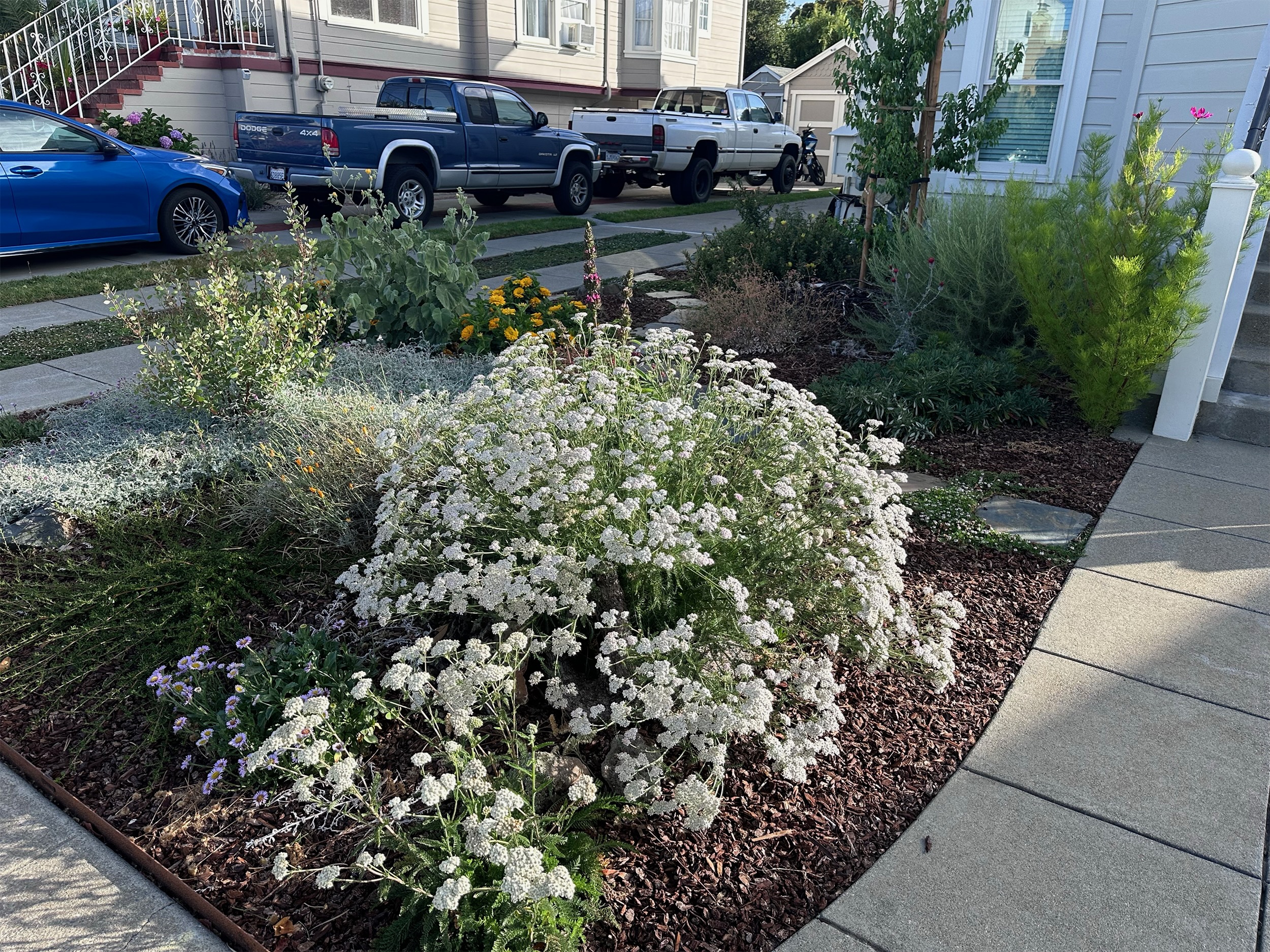
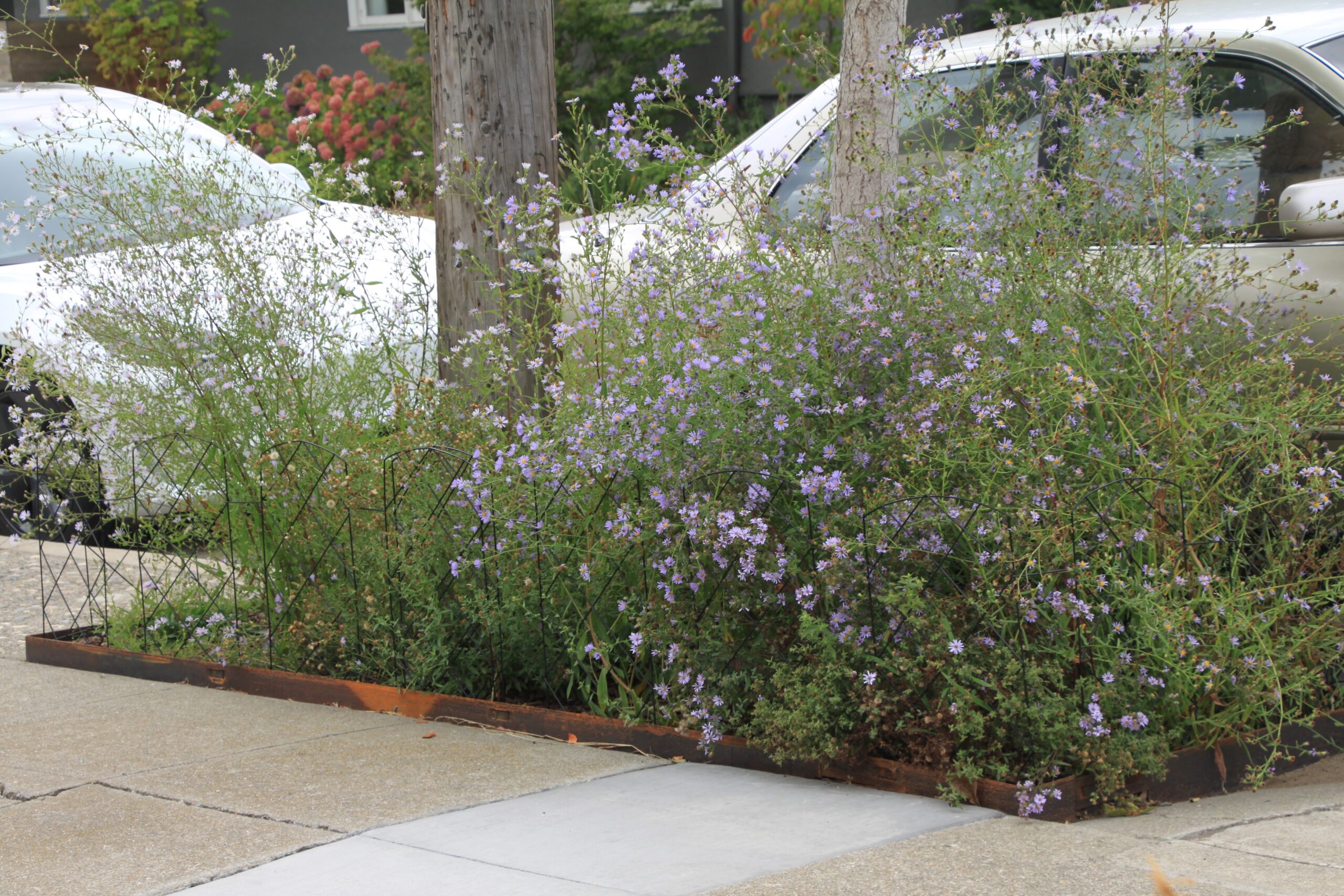
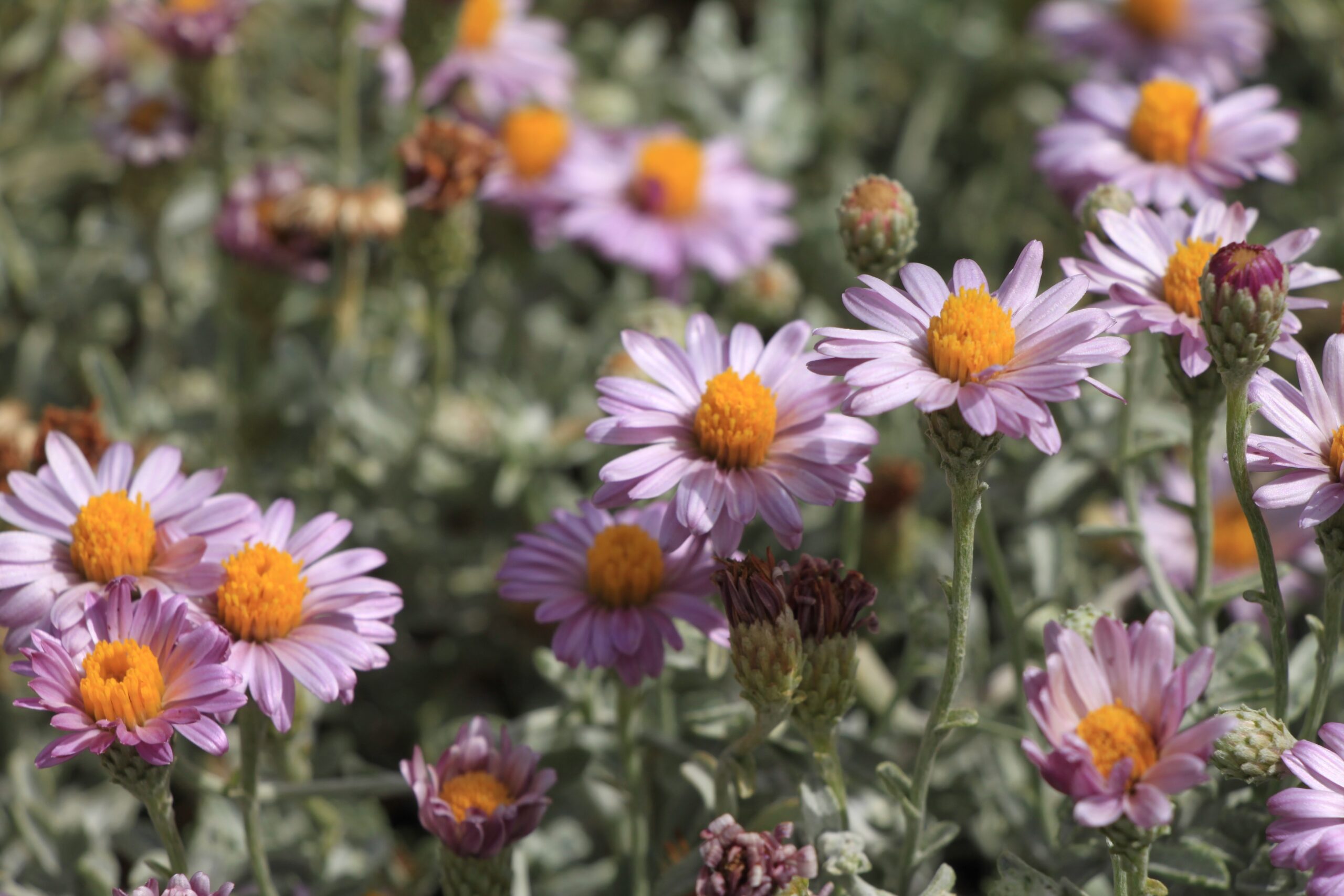
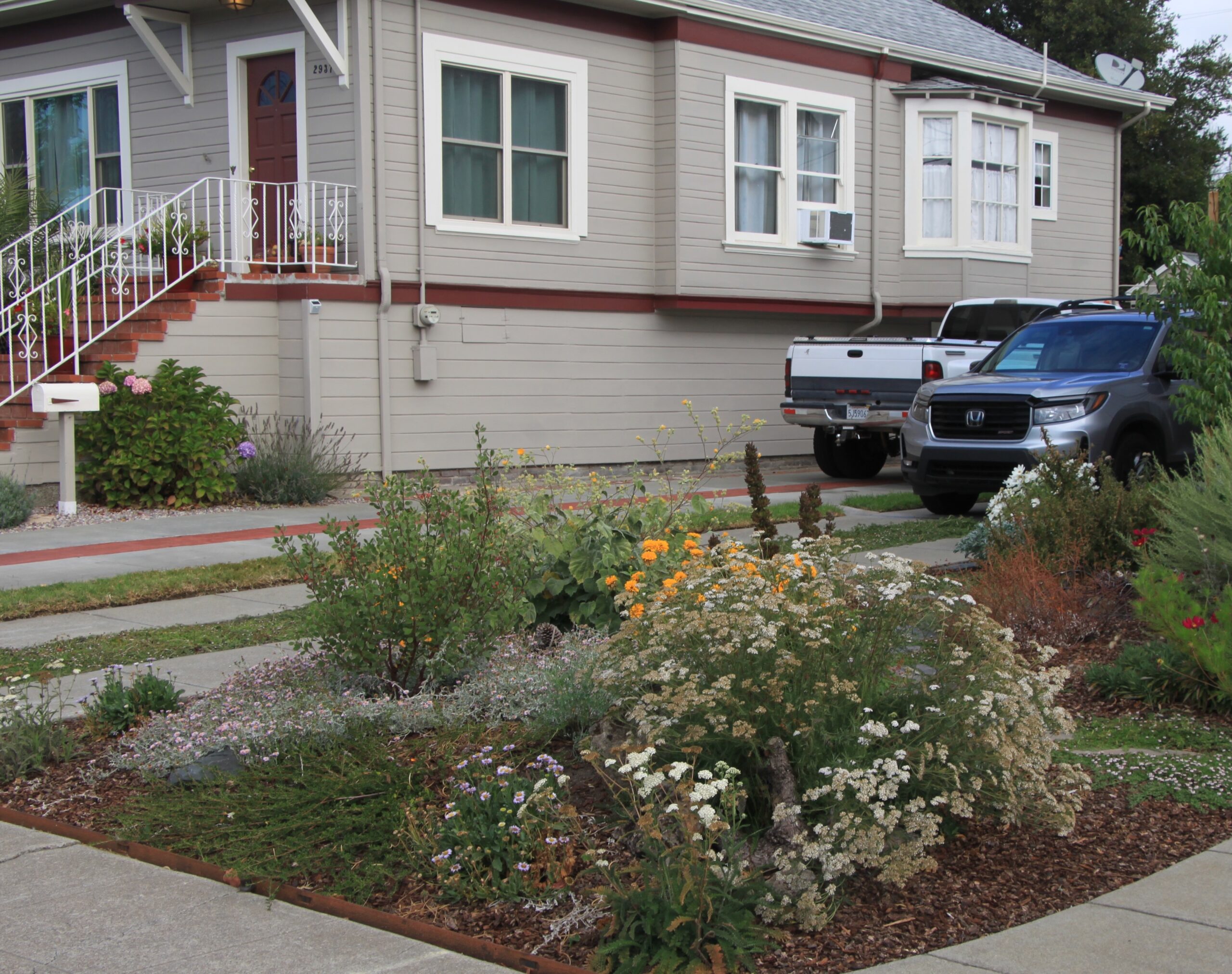
This year’s project (winter 2026) was to plant more perennial shrubs to fill in bare spots with year-round greenery and to tempt more pollinators to visit. In addition, the grassy driveway strip was replanted with low-growing natives: sulphur buckwheat, Plumas purple asters, and island pink yarrow. And along the back fence where a row of tall, dense Surinam cherry trees (Eugenia uniflora) was recently removed from a neighboring yard, new plantings of California bush anemone, ‘Ray Hartman’ California lilac, and hollyleaf cherry will eventually help to soften the view.
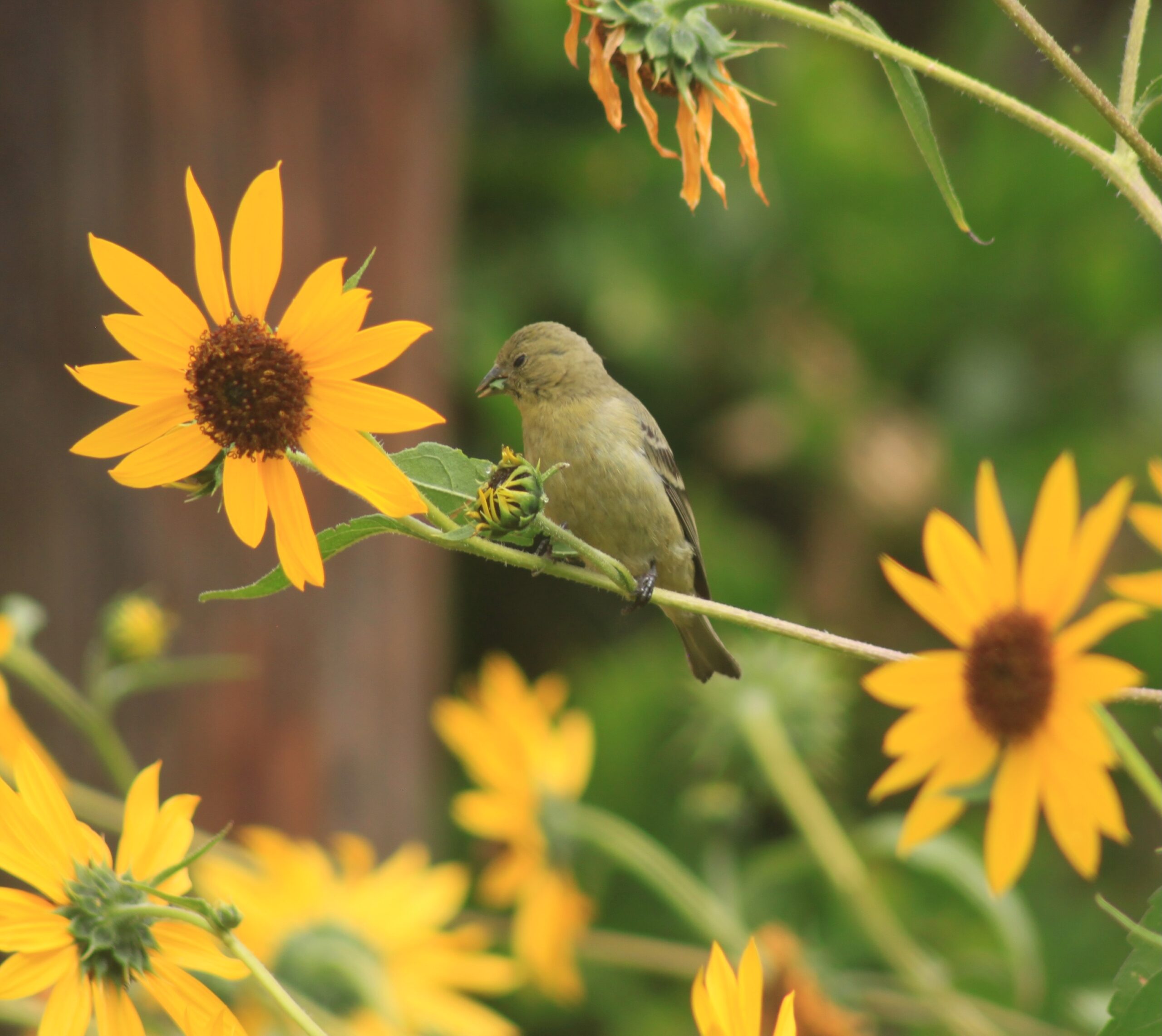
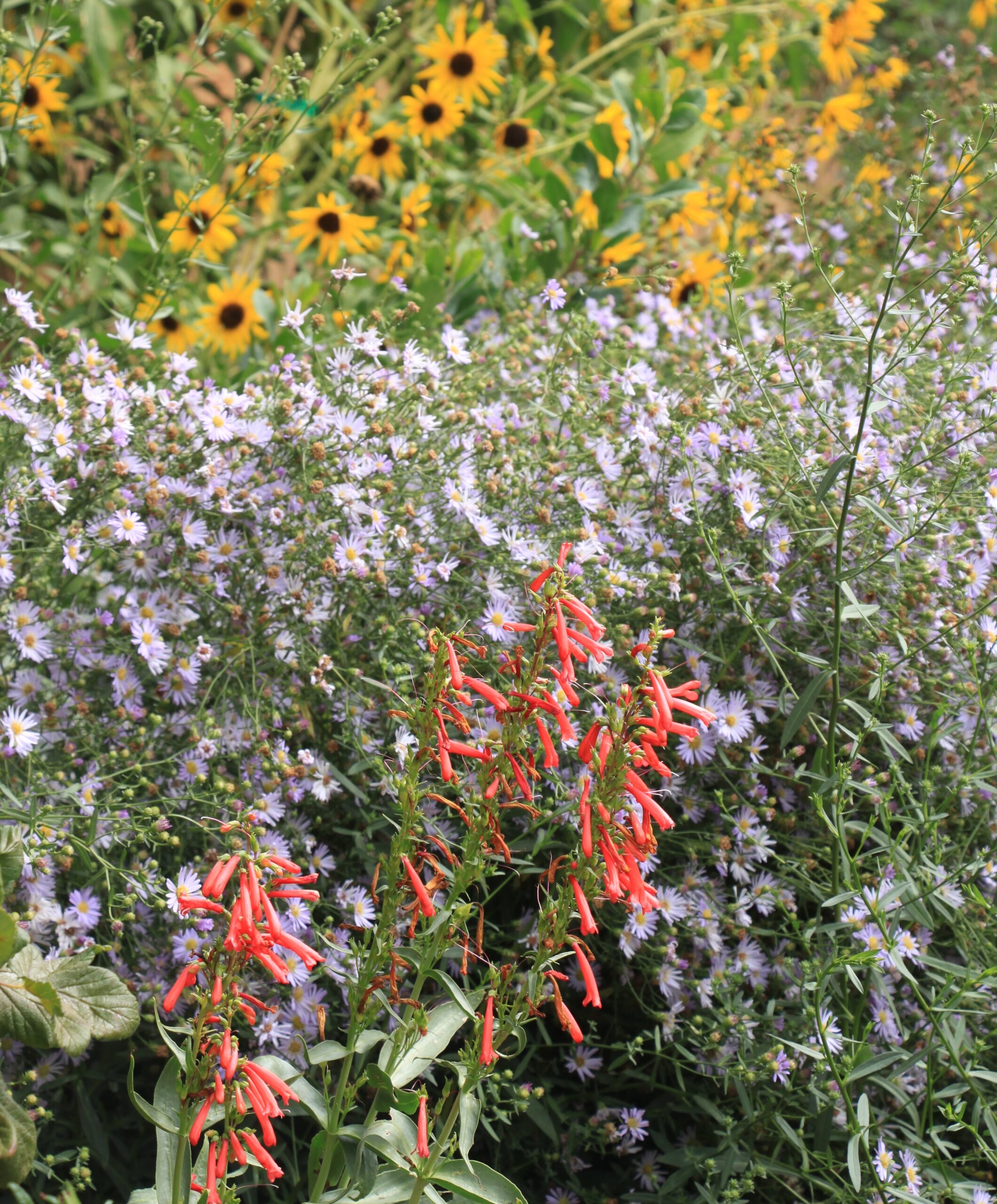
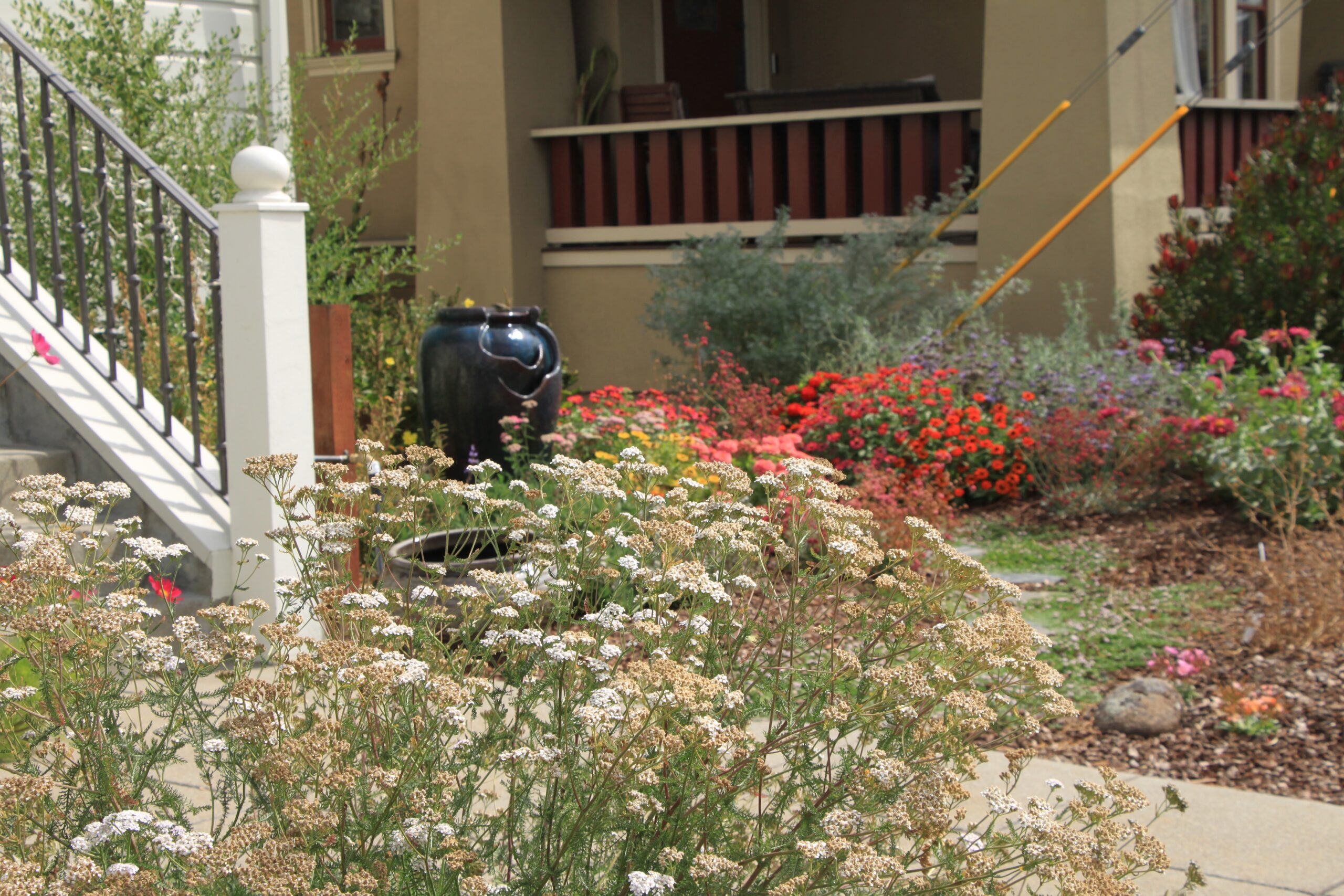
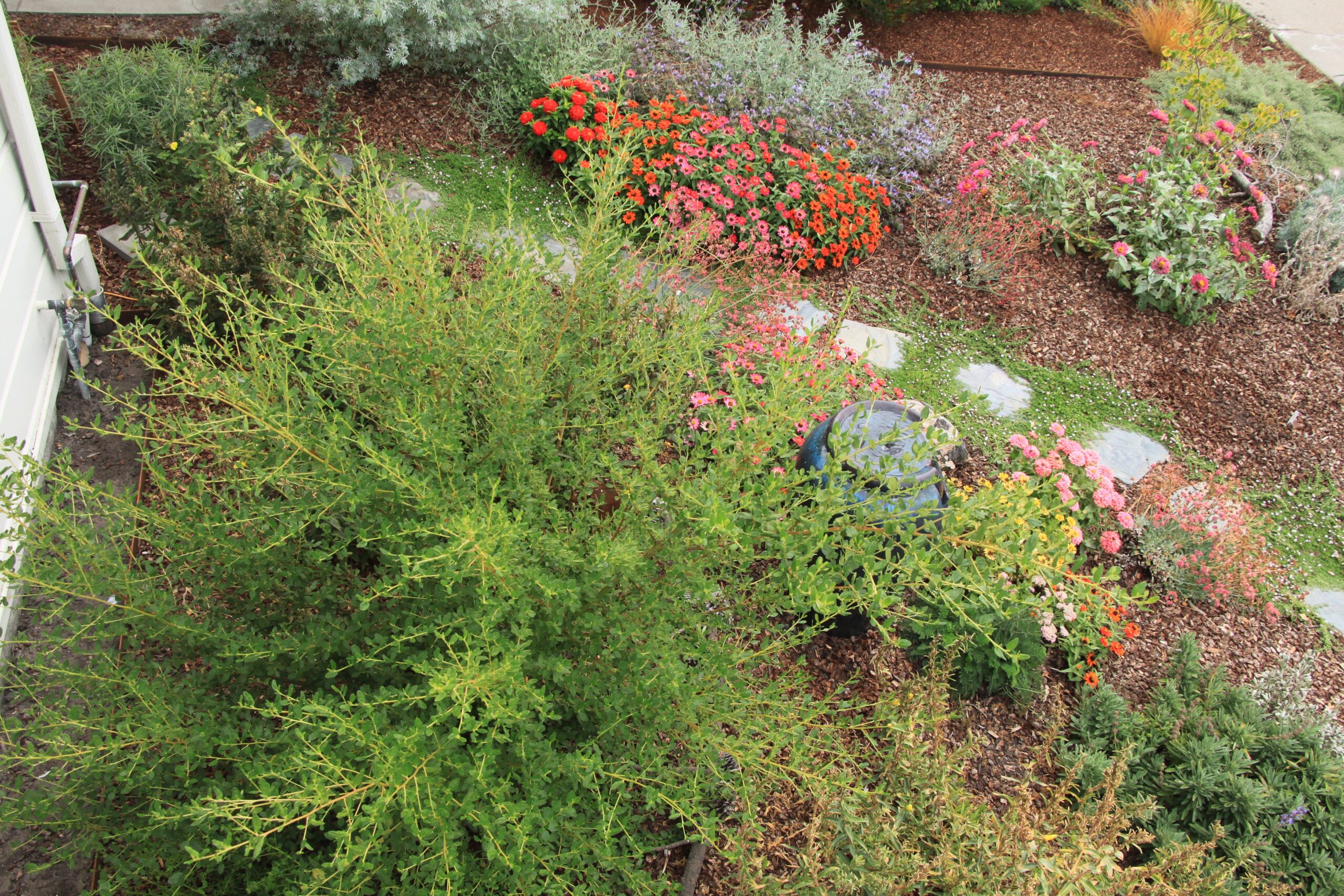
This colorful garden invites both people and wildlife to stop in and linger. The path through the front garden is bordered by a cheerful array of pink clarkia, rosy red buckwheat, blue-flowering sages, cream-colored yarrow; plantings of purple seaside daisies border the sidewalk. Year-round greenery is provided by several varieties of manzanita, California lilac, and sage, as well as hollyleaf cherry and California sagebrush.
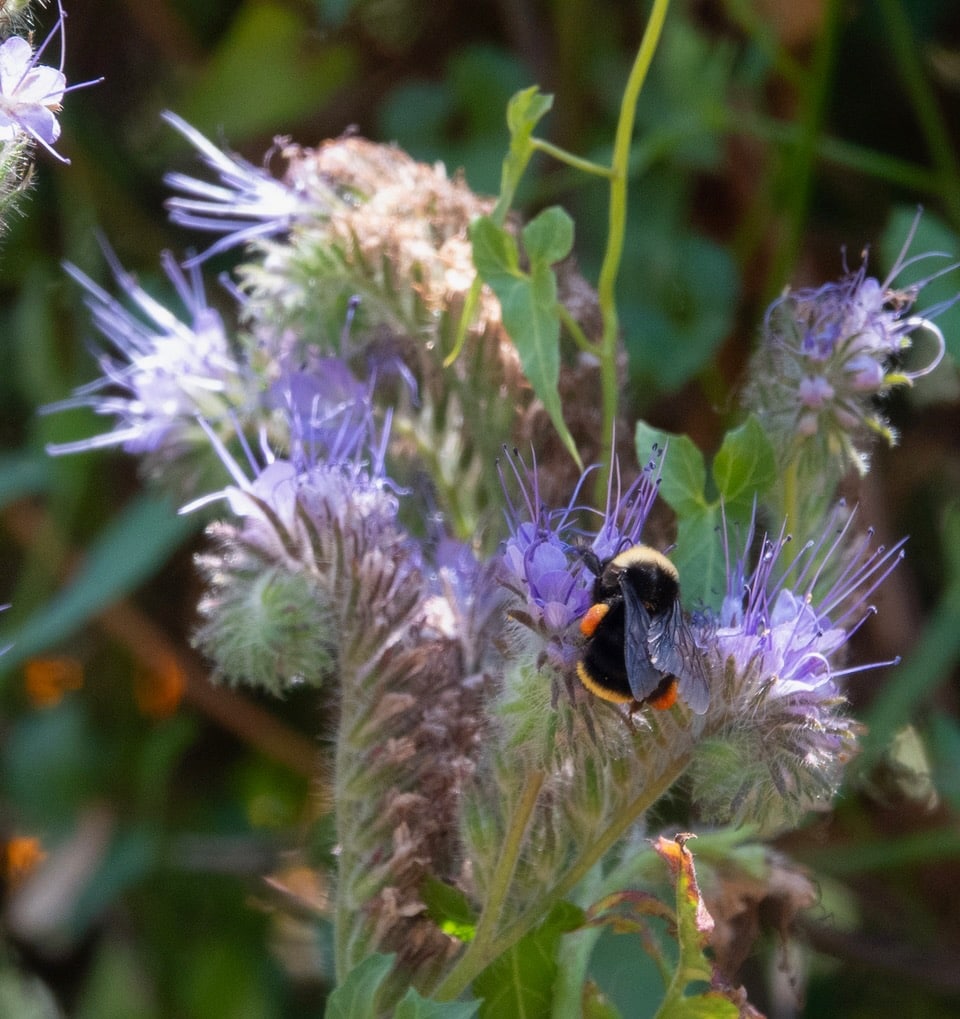
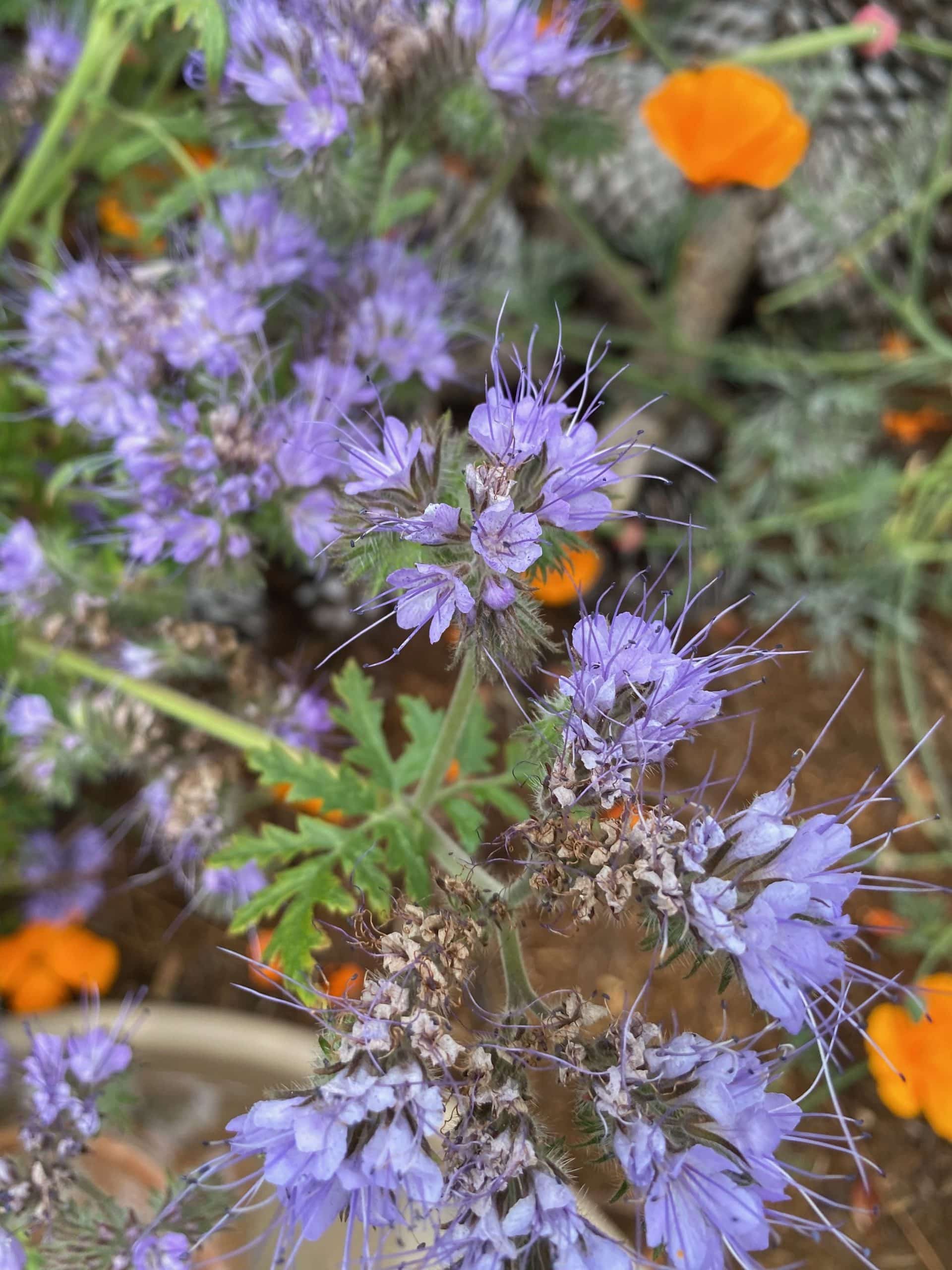
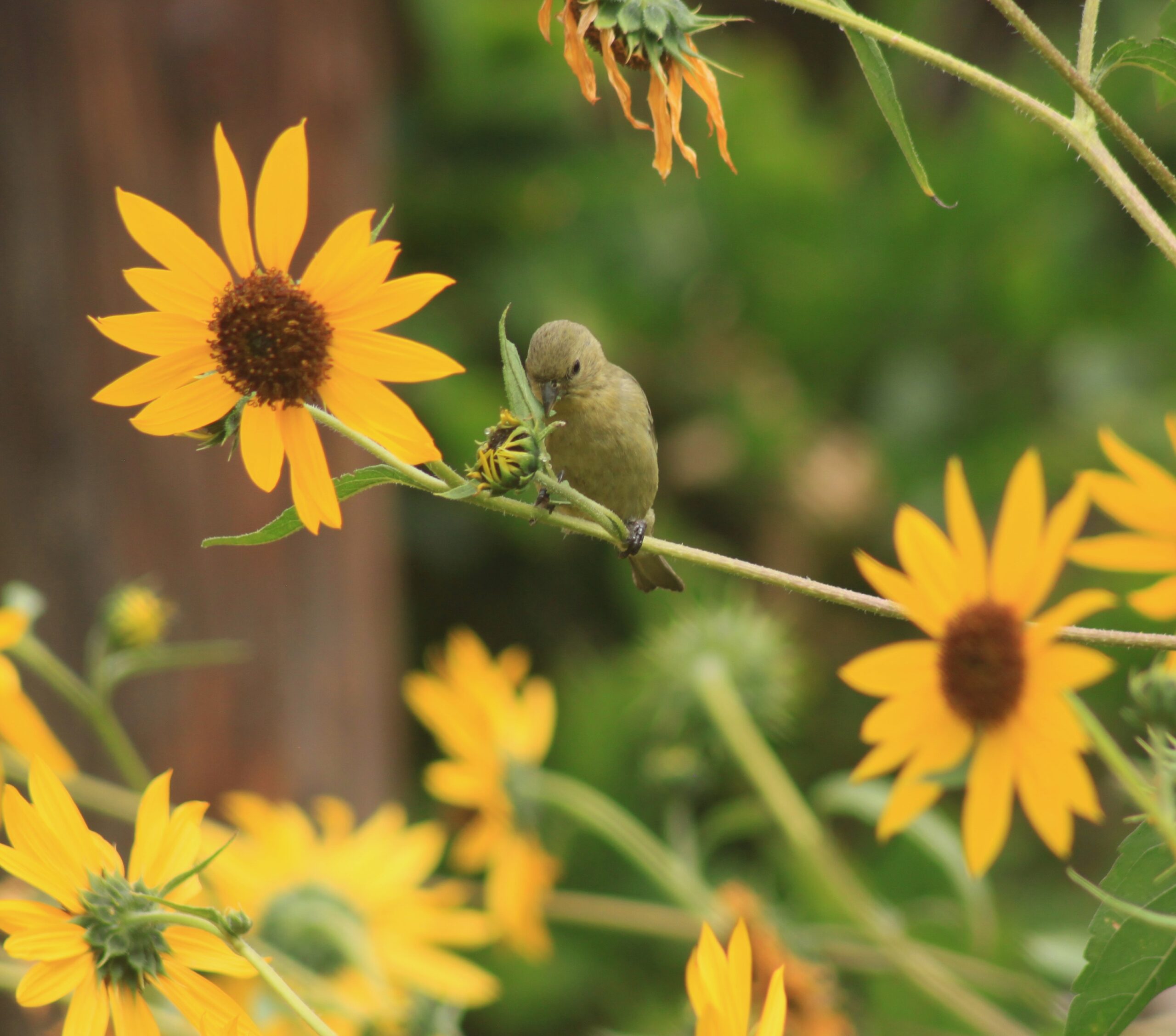
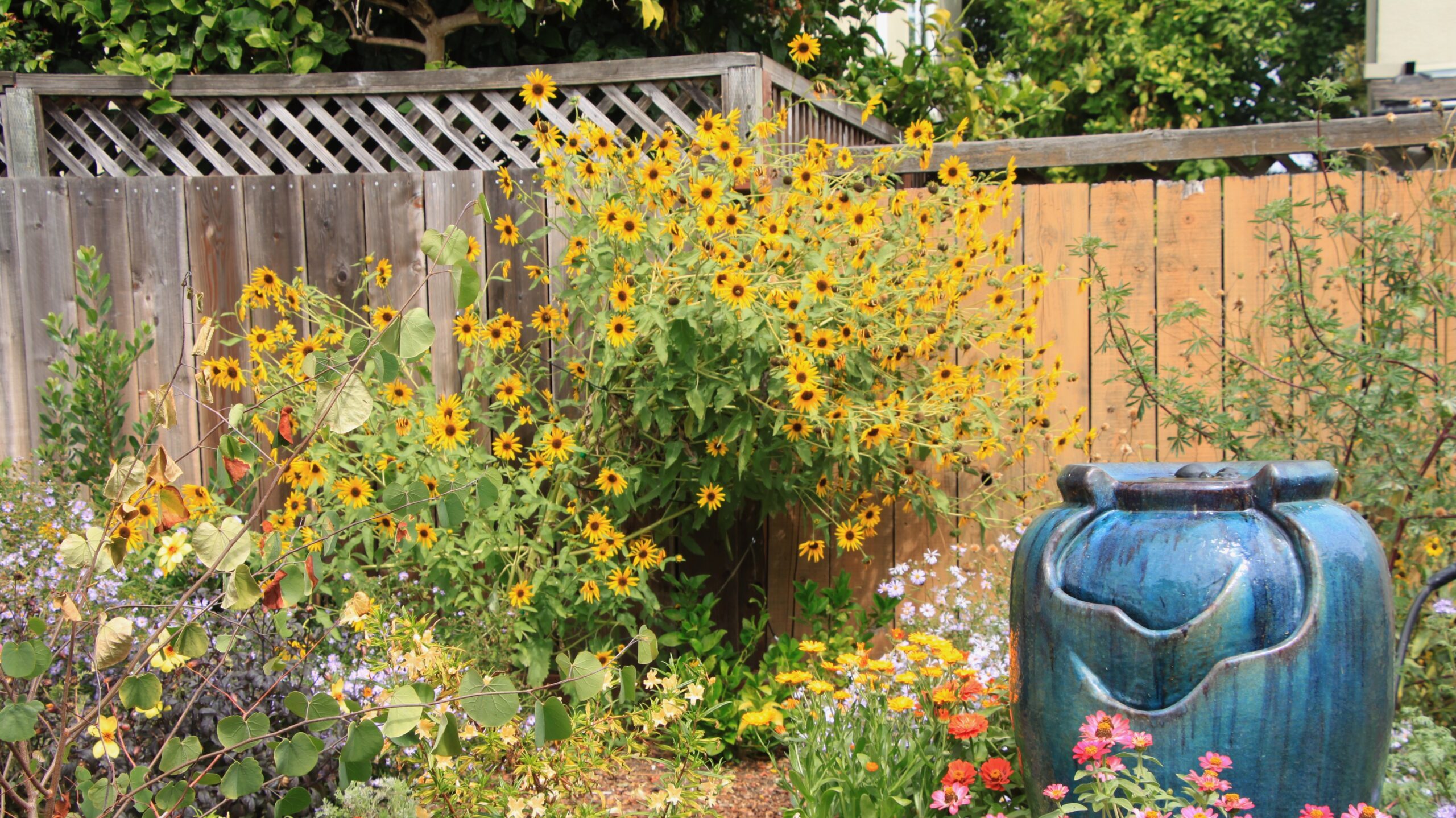
In the backyard, mallow, toyon, and coffeeberry function as year-round privacy screens, while spectacular native sunflowers rise up ten feet or more in the summertime. Bees, butterflies, and hummingbirds love the blue flowers of woolly bluecurls and lacy phacelia, colorful monkeyflowers, lilac verbena, and golden and red-flowering currants.
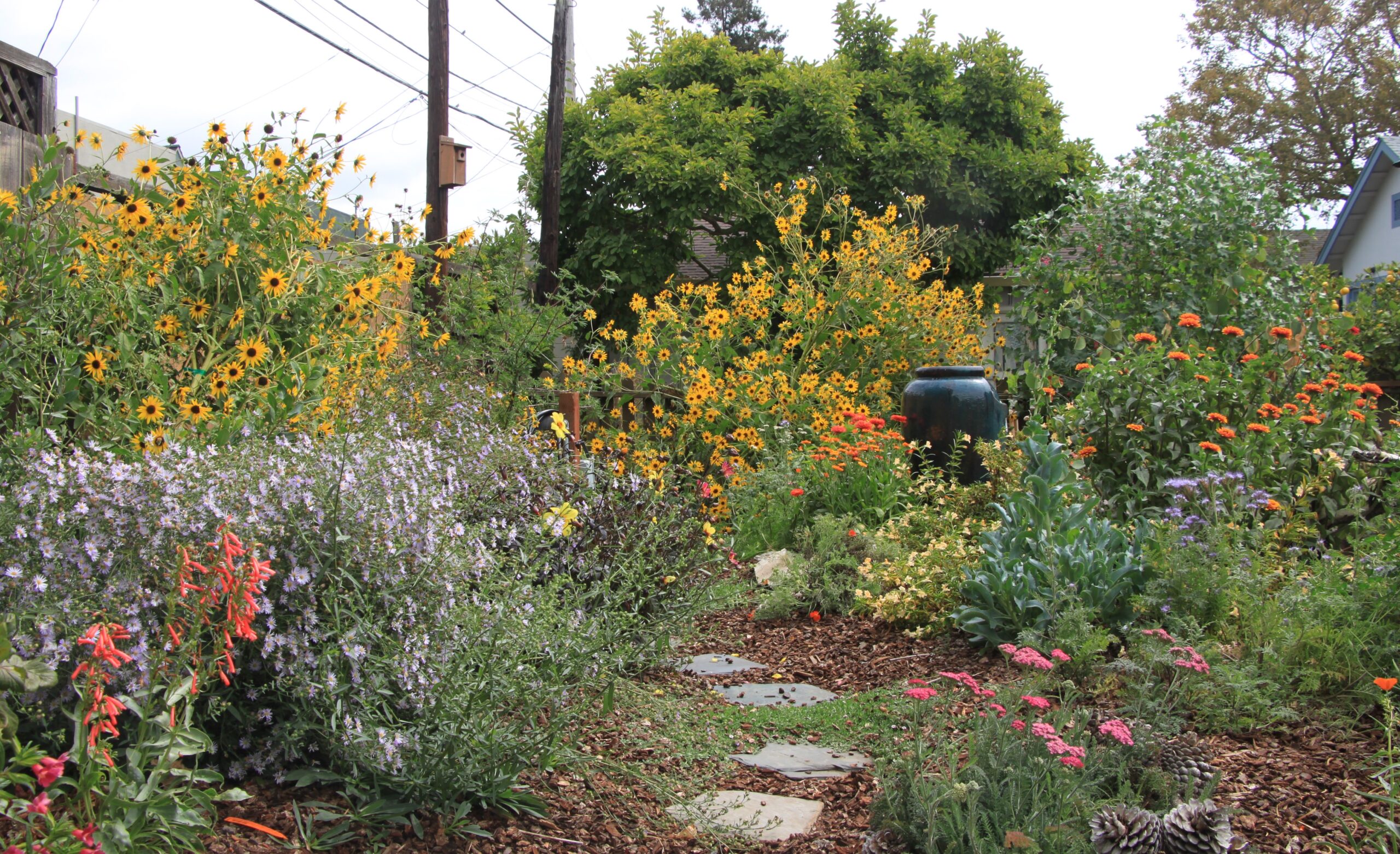
Together, the front and back gardens now boast more than 130 species of California native plants. Which of the new plants will thrive in Alameda’s sandy soil is a question every year, but Craig and Jenny see their garden as a work in progress and enjoy experimenting. They love the many kinds of bees, butterflies, dragonflies and other creatures they now see in their yard, and they are delighted to be bringing nature home themselves.
Other Garden Attractions
- Looking for a way to attract more and different wildlife and to provide habitat for dragonflies and other aquatic creatures, Craig and Jenny added a water feature to the backyard in the spring of 2025. This included a pond, a stream, and a water-filtering bio bog. Not content with this initial effort, they began in Summer 2025 to expand the pond and create adjacent riparian zones — replacing their last section of lawn in the process. To keep the pond from being overrun with aggressive plants, it was planted with a mix of natives and non-natives that provide insect habitat and clean the water. March of 2026 saw the emergence of the first dragonflies. The moist riparian zones are planted mostly with native plants that should thrive in this special environment.
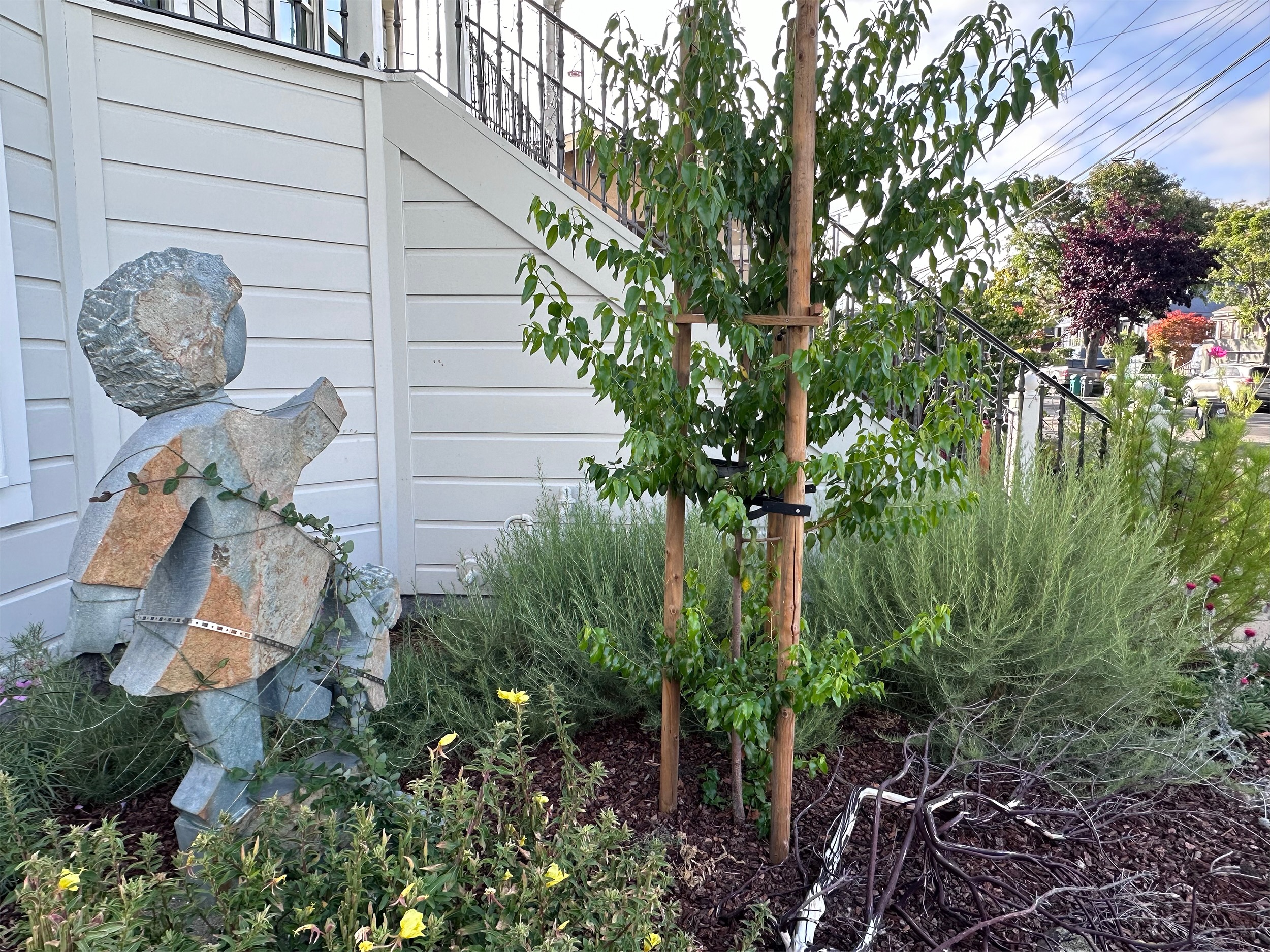
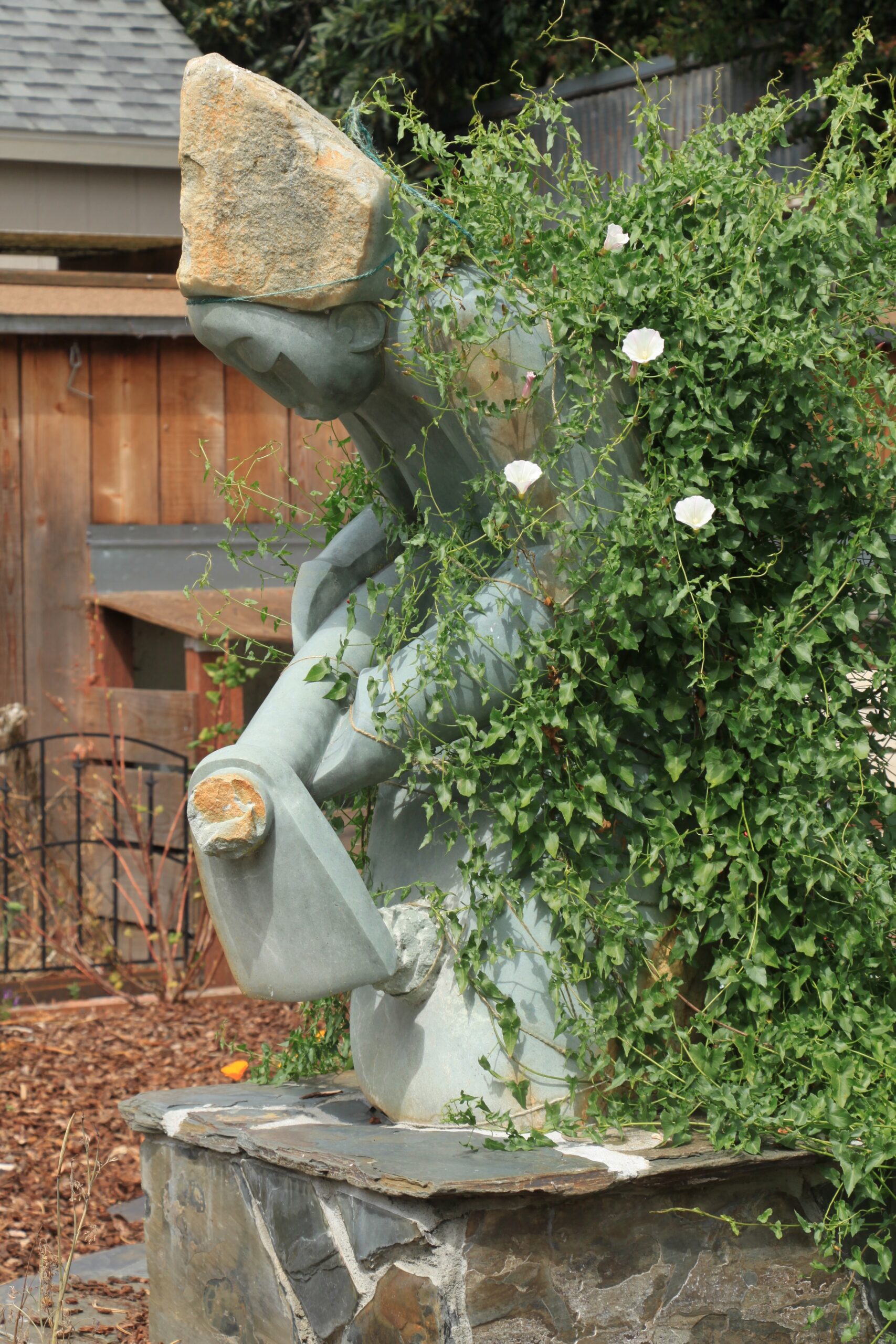
- Shona sculptures from Zimbabwe have been integrated into the garden design. Island morning glory twines over one of the statues.
- Gentle mounds create visual interest and provide the drainage most natives need.
- Branches and sculptural wood pieces have been placed about the garden to create places where small creatures can shelter.
Gardening for Wildlife
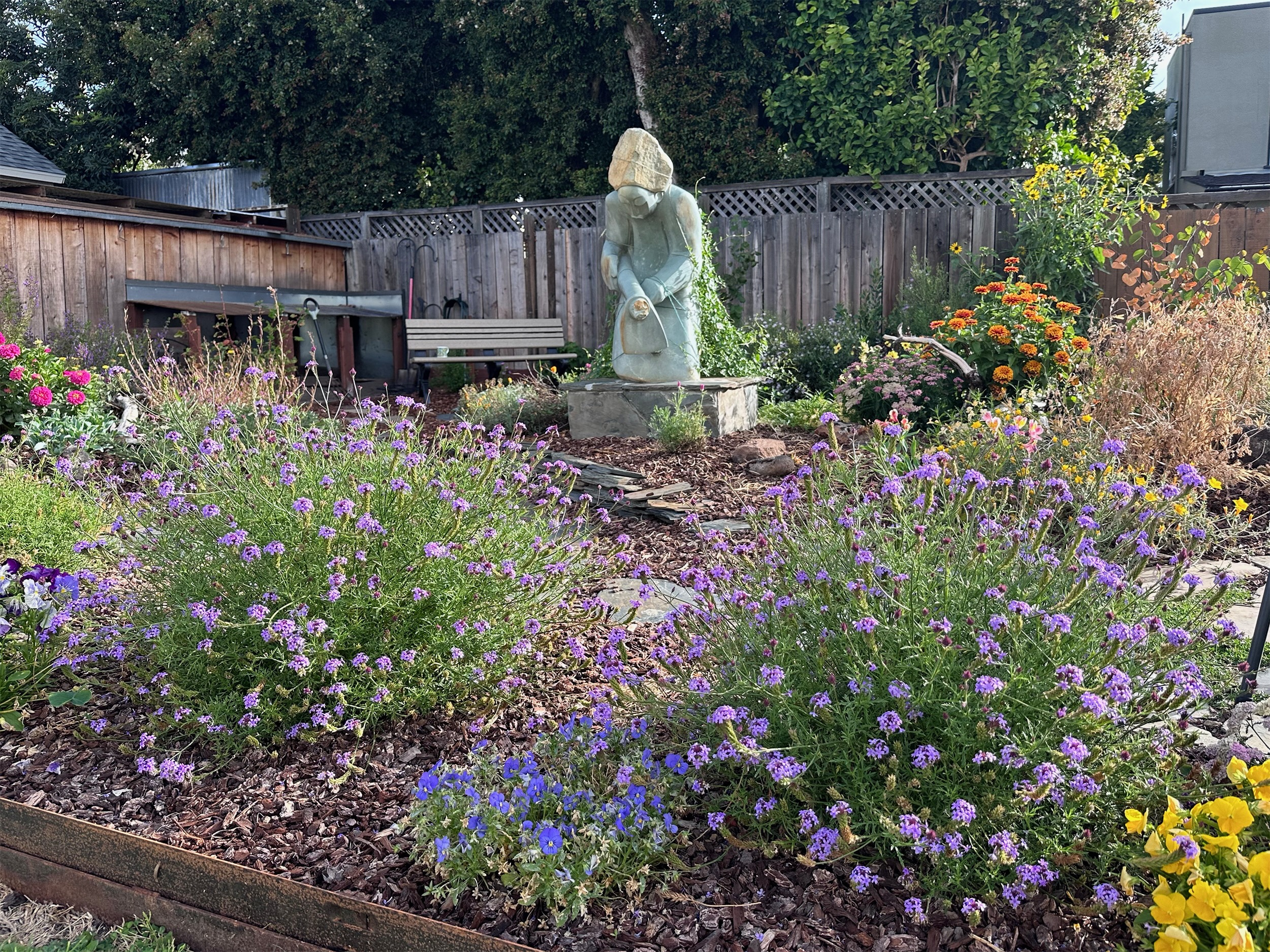
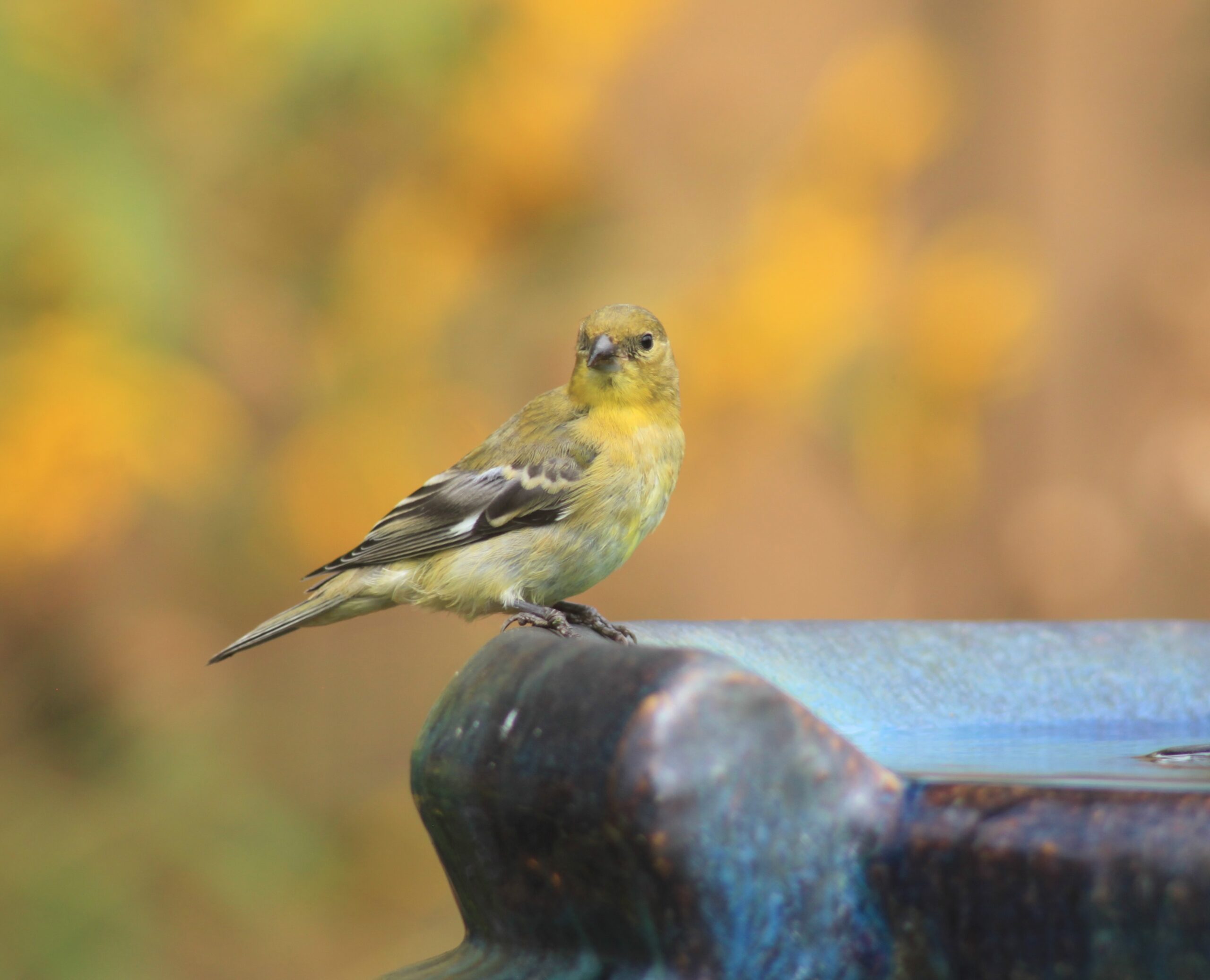
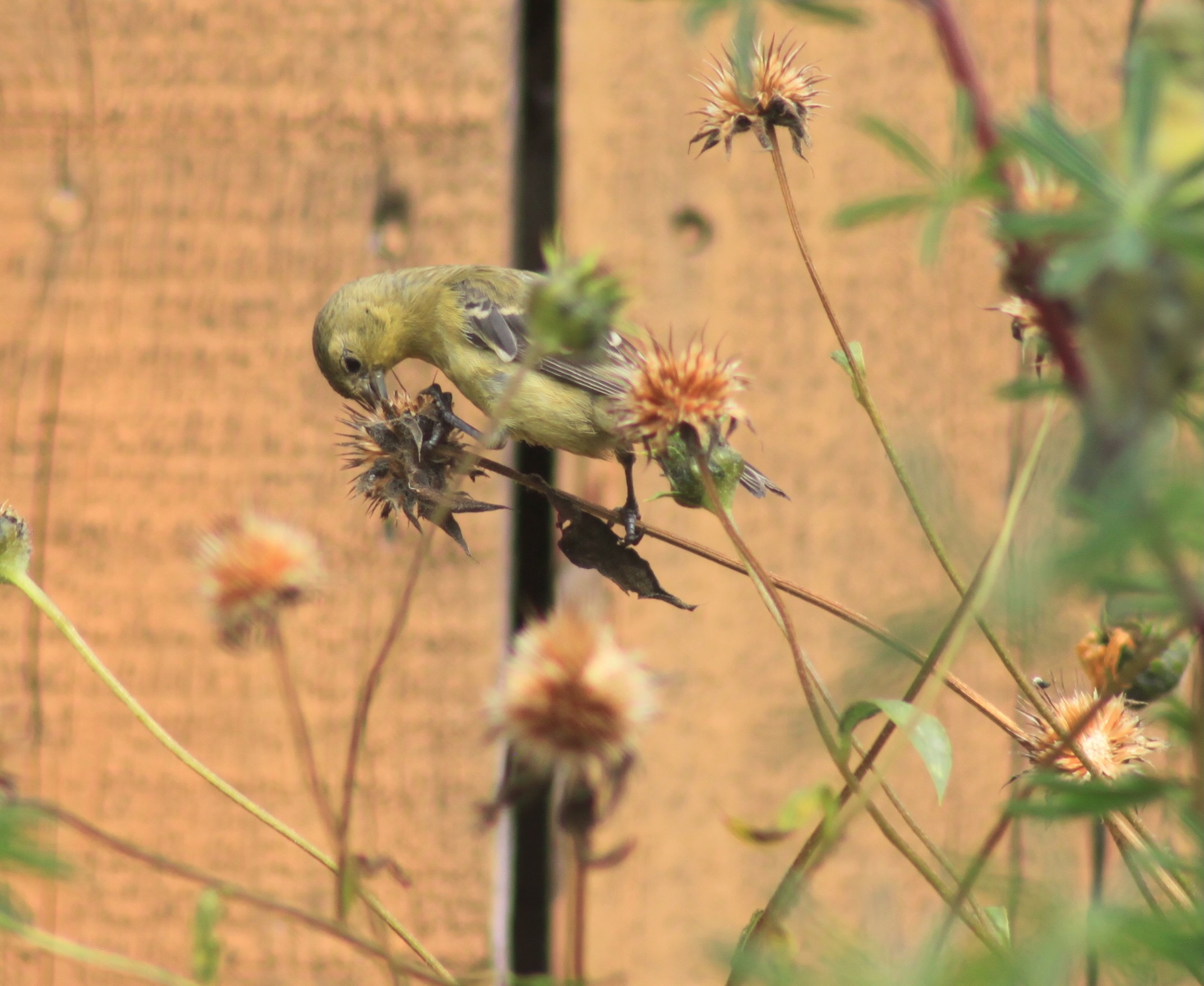
The sound of water falling into the glazed ceramic fountain in the front garden and the large water feature in the back attracts birds (and people!). Flocks of lesser goldfinches chatter in the native sunflowers as they glean seeds. Anna’s hummingbirds sip nectar from California fuchsias and other colorful flowers. Brilliant blue- and rust-colored Western bluebirds, graceful black phoebes, chestnut-backed chickadees, and oak titmice – with that adorable tuft of feathers on their heads — are just some of the birds that visit to feed on insects, seeds, and berries. Jenny and Craig have spotted thirty-two species of birds in the garden themselves, and over the past year their BirdWeather PUC has identified 150 species within close range of their backyard. Come hear Jenny’s garden talk to learn more!
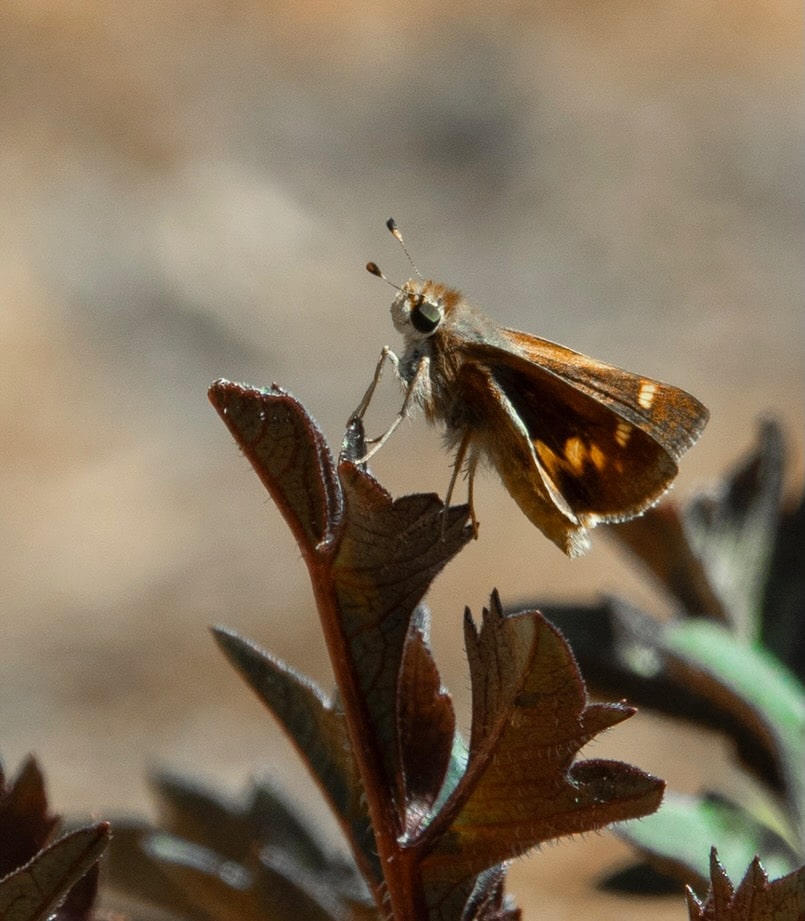
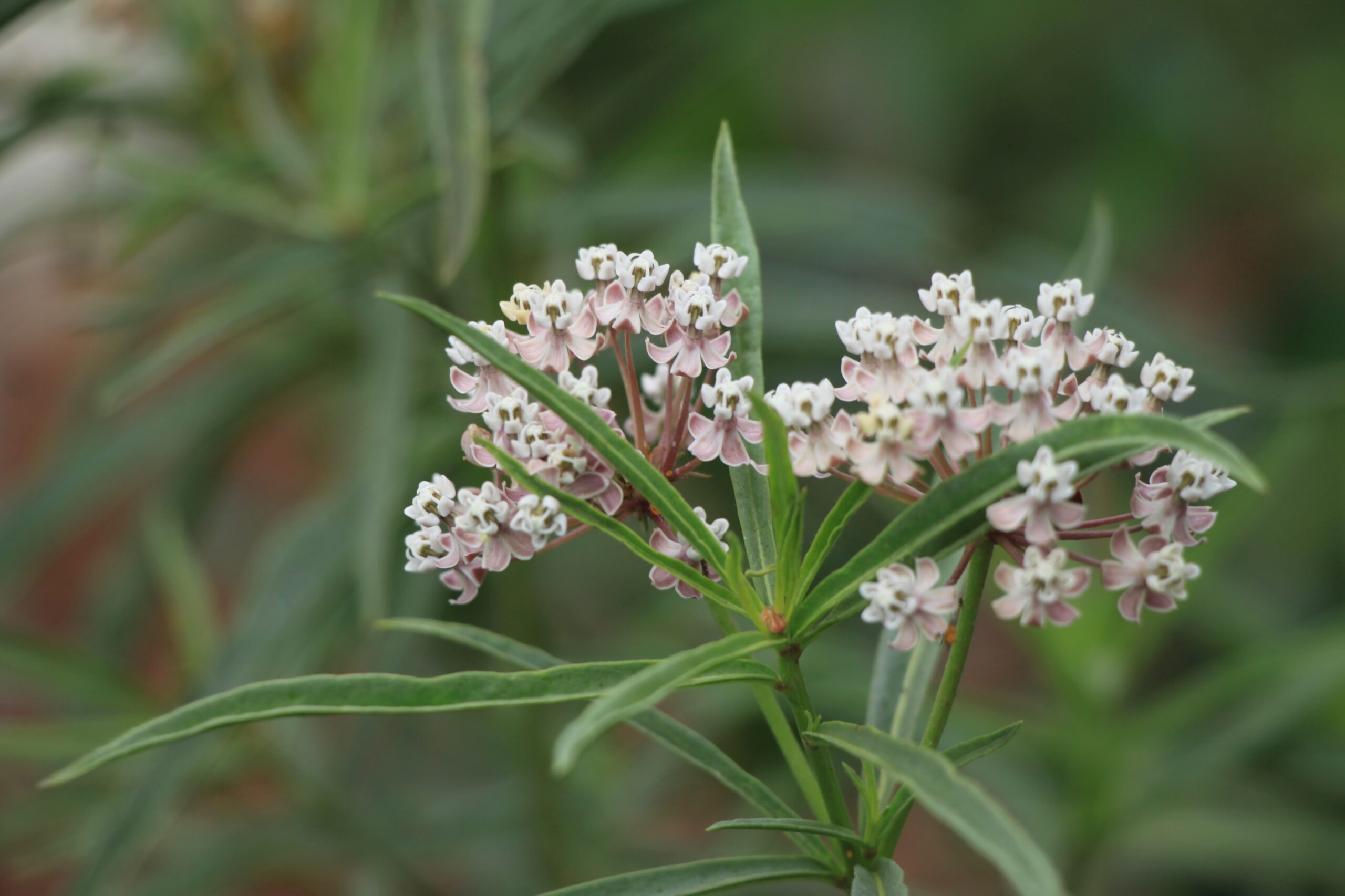
Monarch butterflies are drawn to the large patches of narrow leaf milkweed — the only plant on which this imperiled butterfly can lay its eggs — that have been planted in the front and back gardens. Patches of goldenrod and aster offer nectar for newly-emerged adults. Plantings of coast angelica and celery weed support anise swallowtail butterflies.
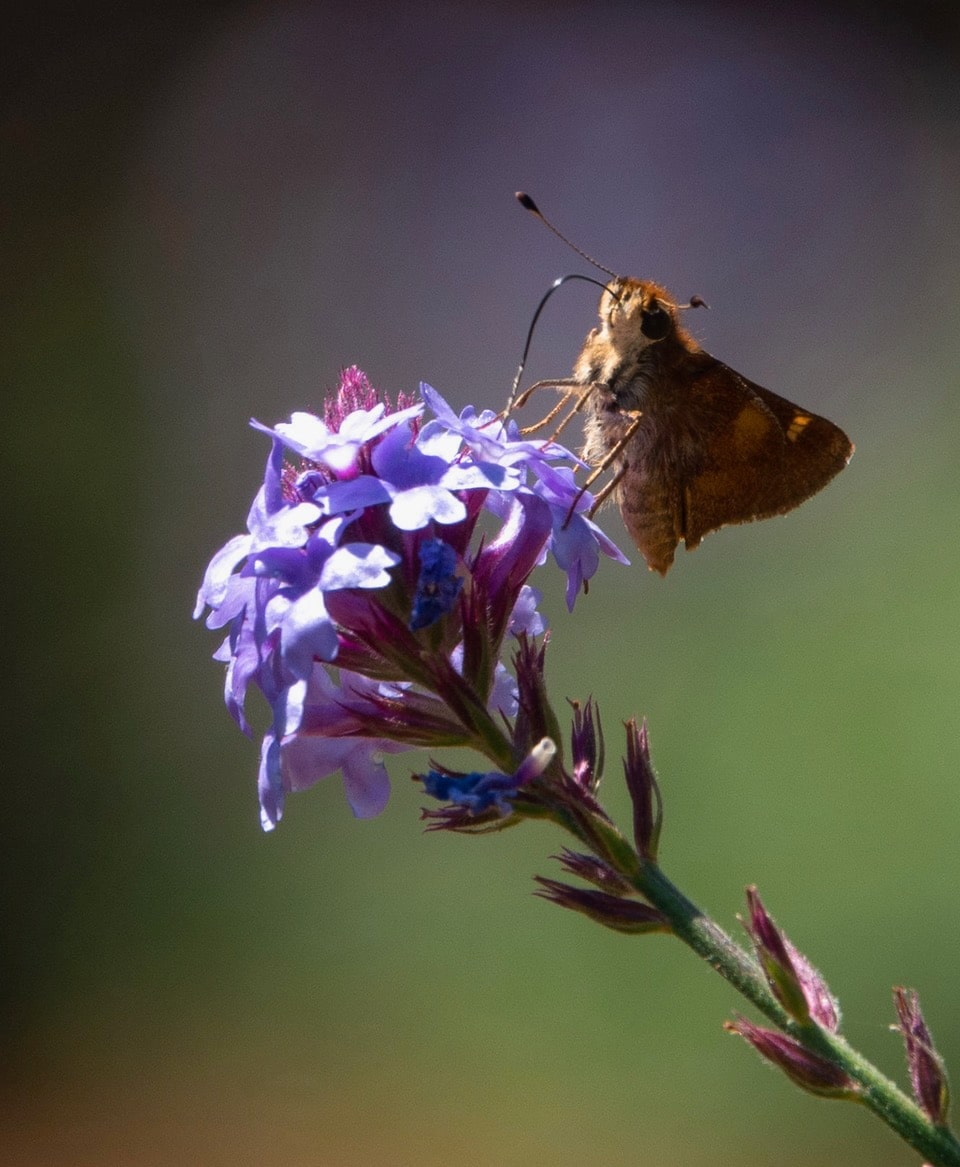
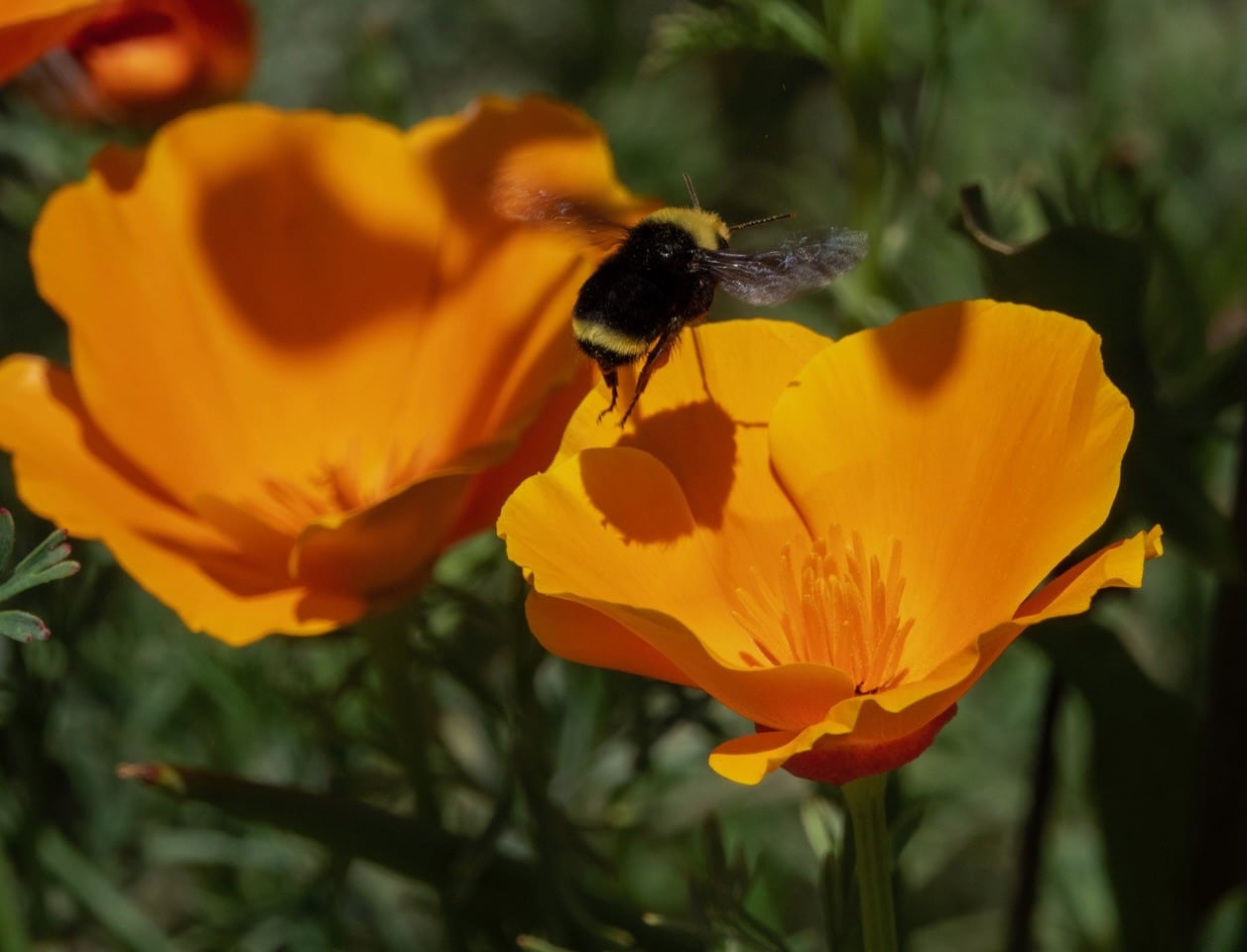
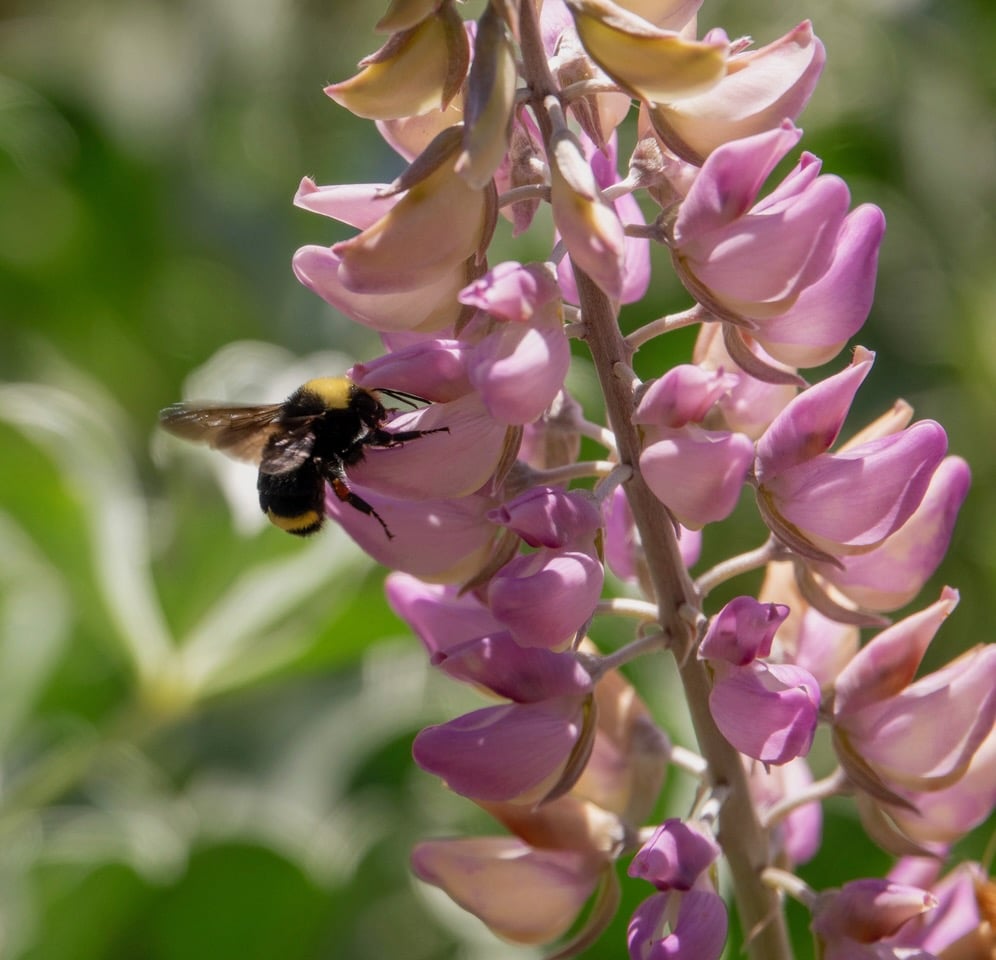
Jenny and Craig’s garden is a terrific place to see small flying creatures: how many kinds can you spot? Watch for the native bees of all sizes, stripes and colors —including the diminutive metallic green sweat bee — which sip nectar and gather pollen from the wide variety of native plants available to them. And check out May Chen’s pollinator posts, several of which feature insects found in this garden.
Keystone species (watch this talk by Doug Tallamy!)
Keystone species — our own, local ecological powerhouse plants — in this garden include hollyleaf cherry, currant, California lilac, lupine, manzanita, mountain mahogany, sage, ocean spray, aster, snowberry, sunflower, serviceberry, thimbleberry, beach and woodland strawberries, coyote brush, buckwheat, goldenrod, coffeeberry, and penstemon.
Garden Talk
2:00 “Watch, listen, count: tracking birds in your backyard” by Jenny Michael
At least partially wheelchair accessible? yes
Photos
Click to see as a slideshow: